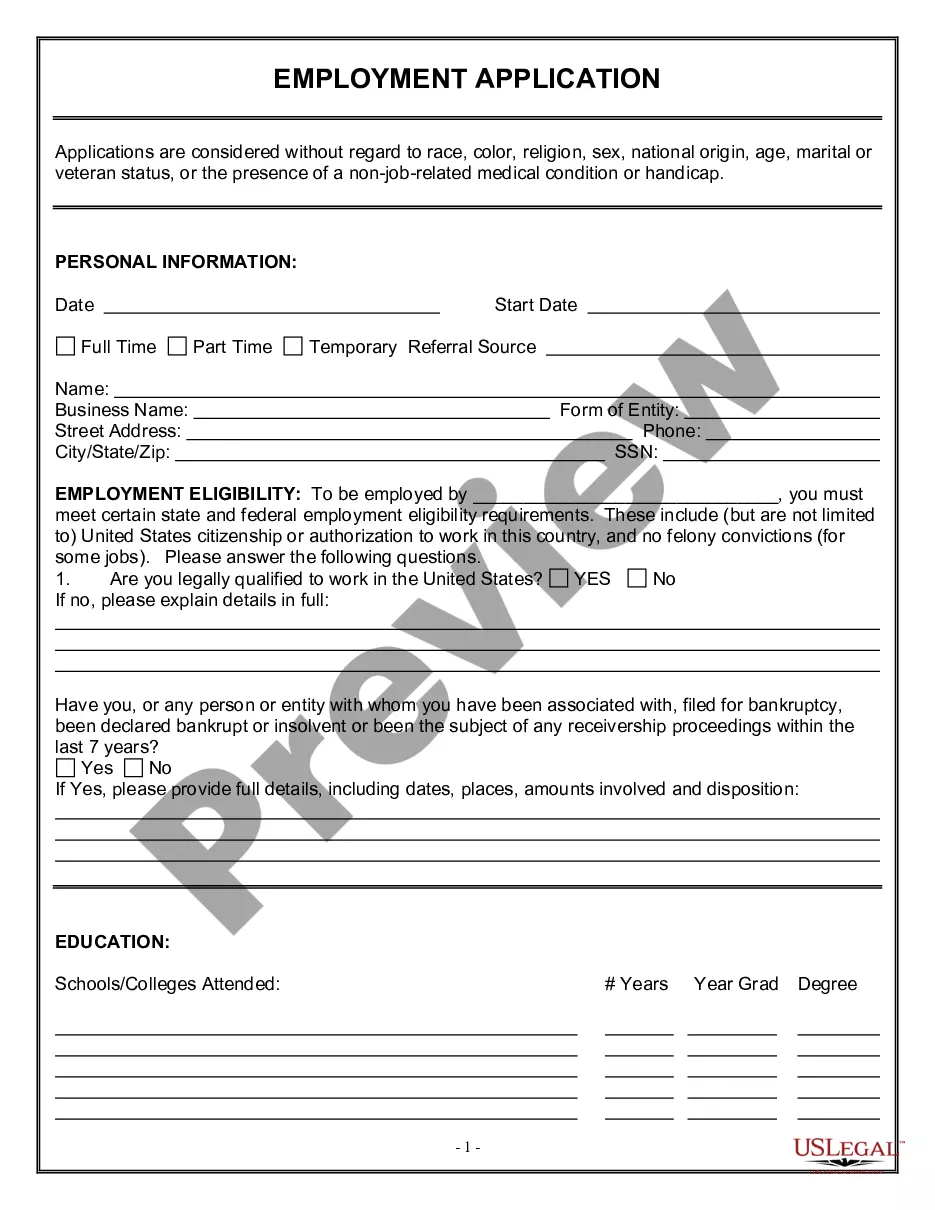
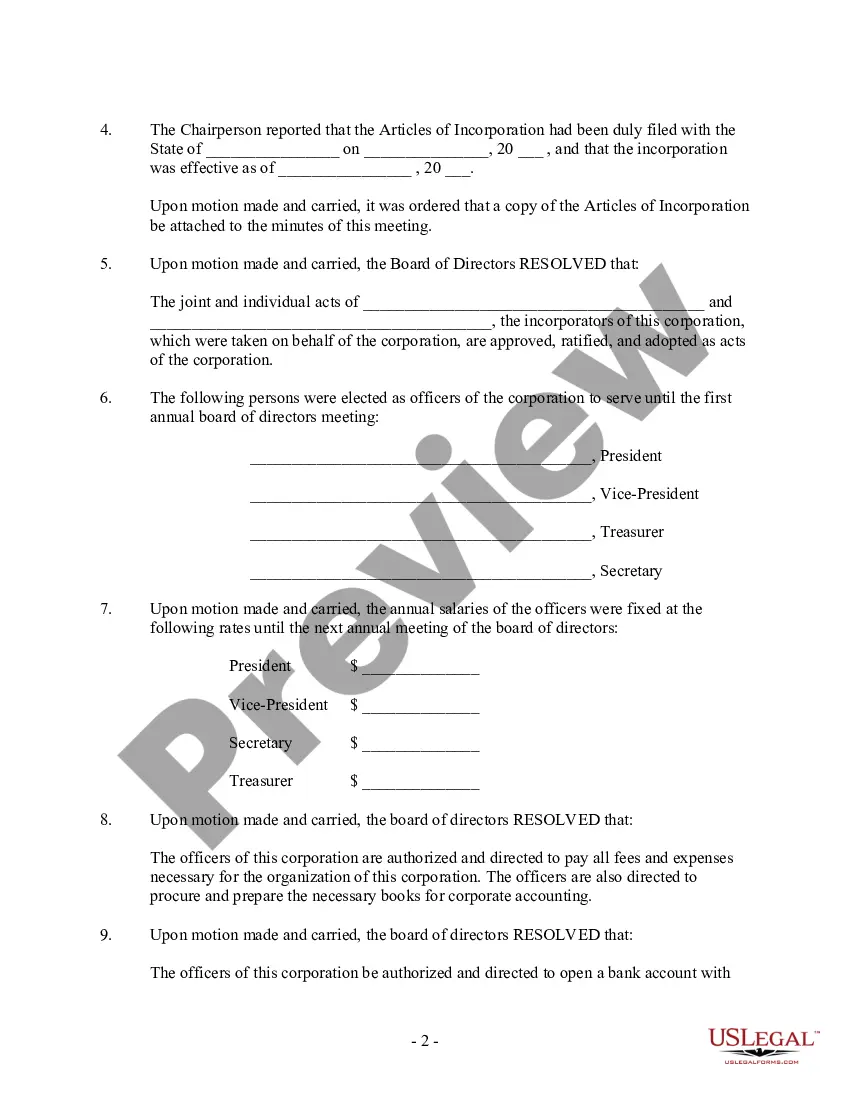
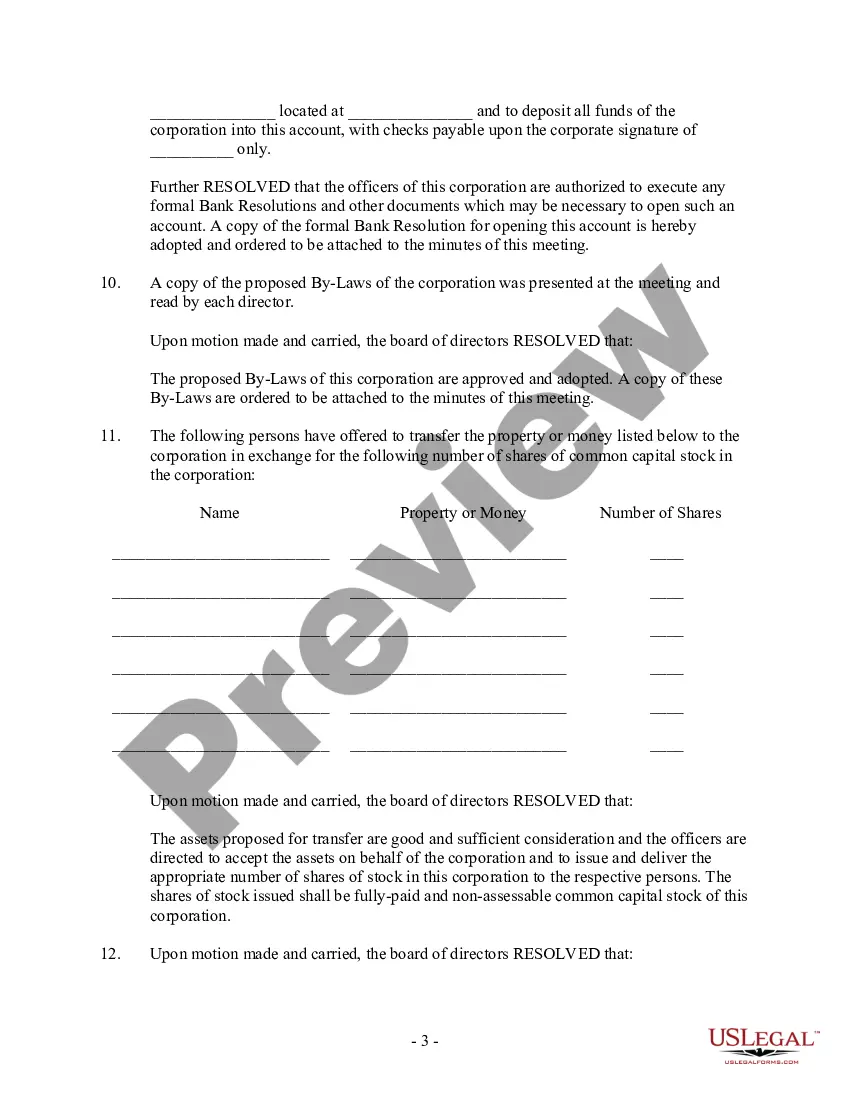
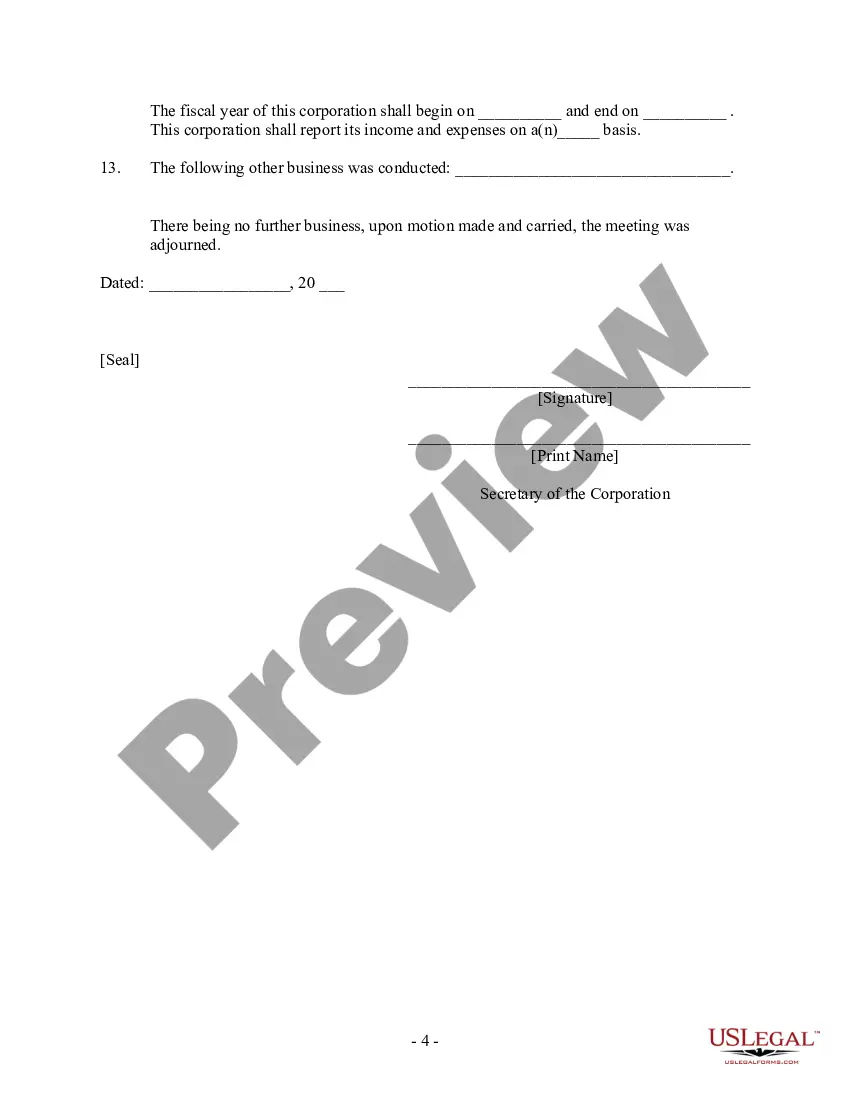
Acta Directorio With Translation In Salt Lake
Description


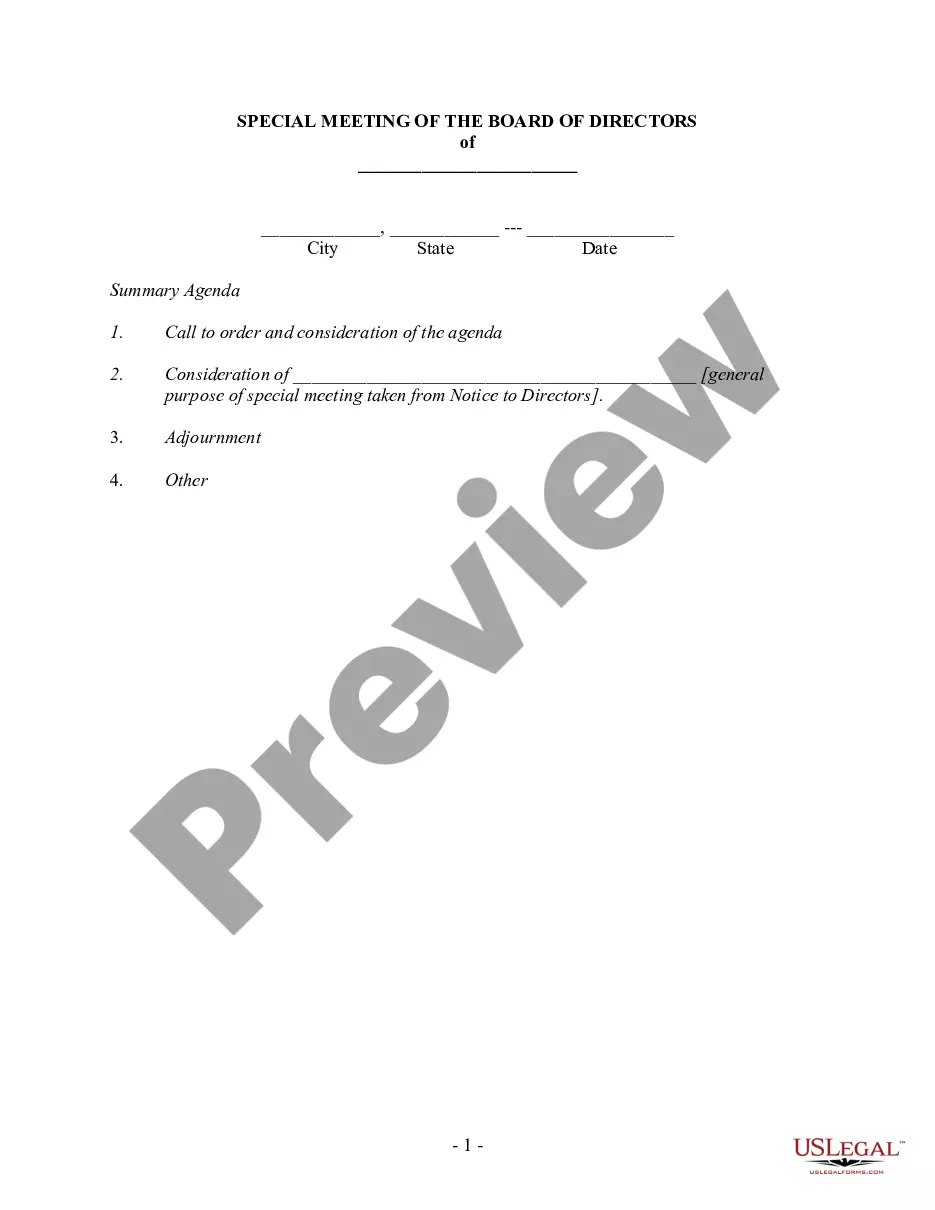
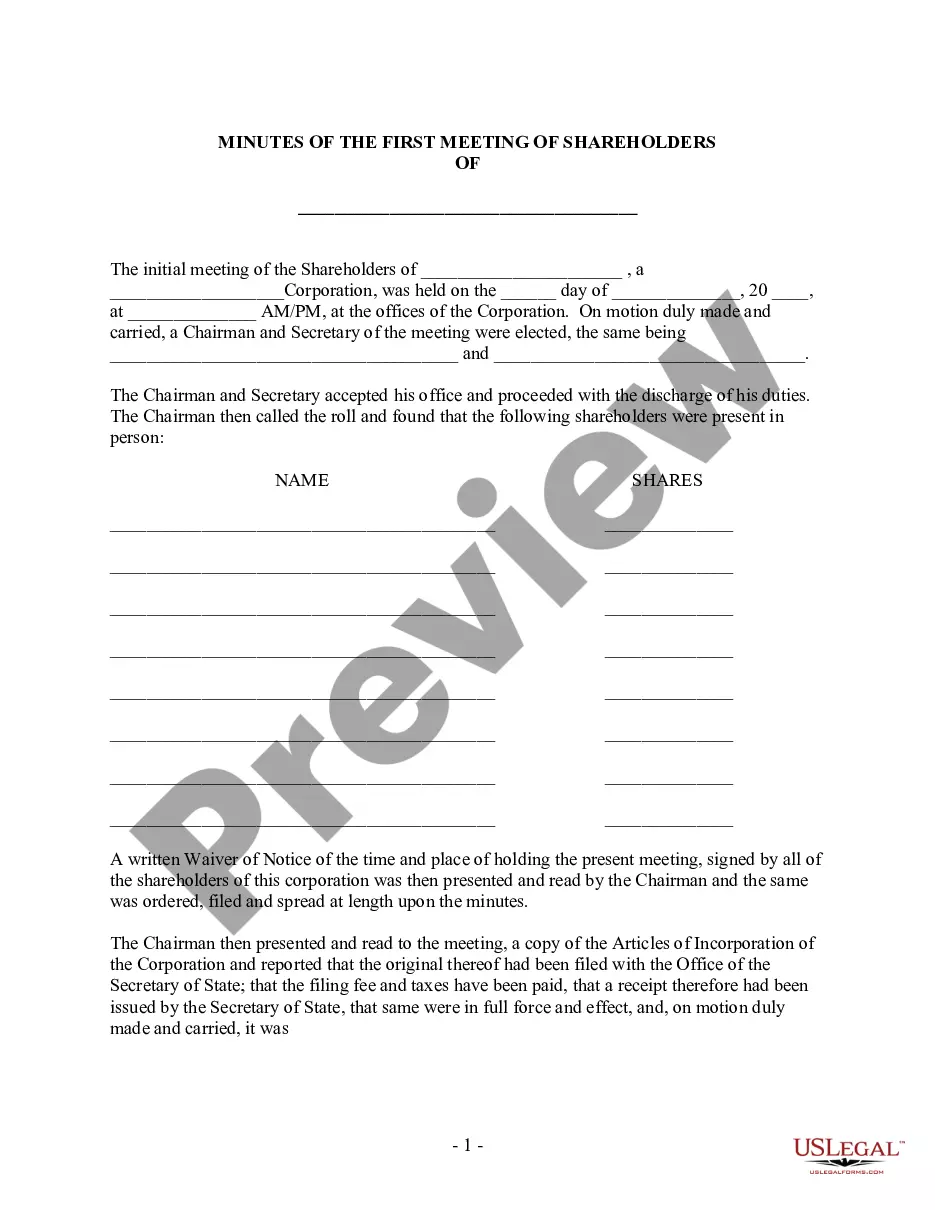
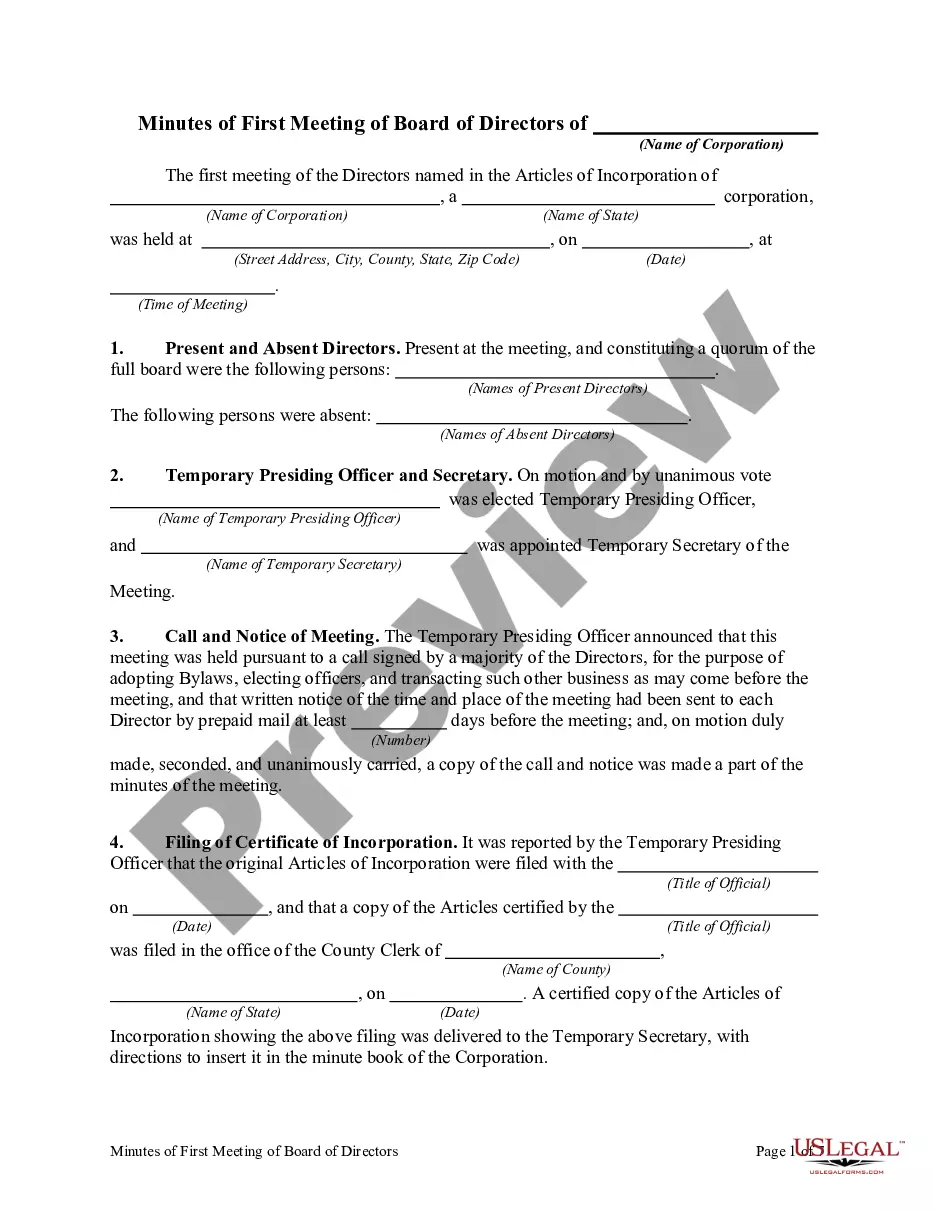
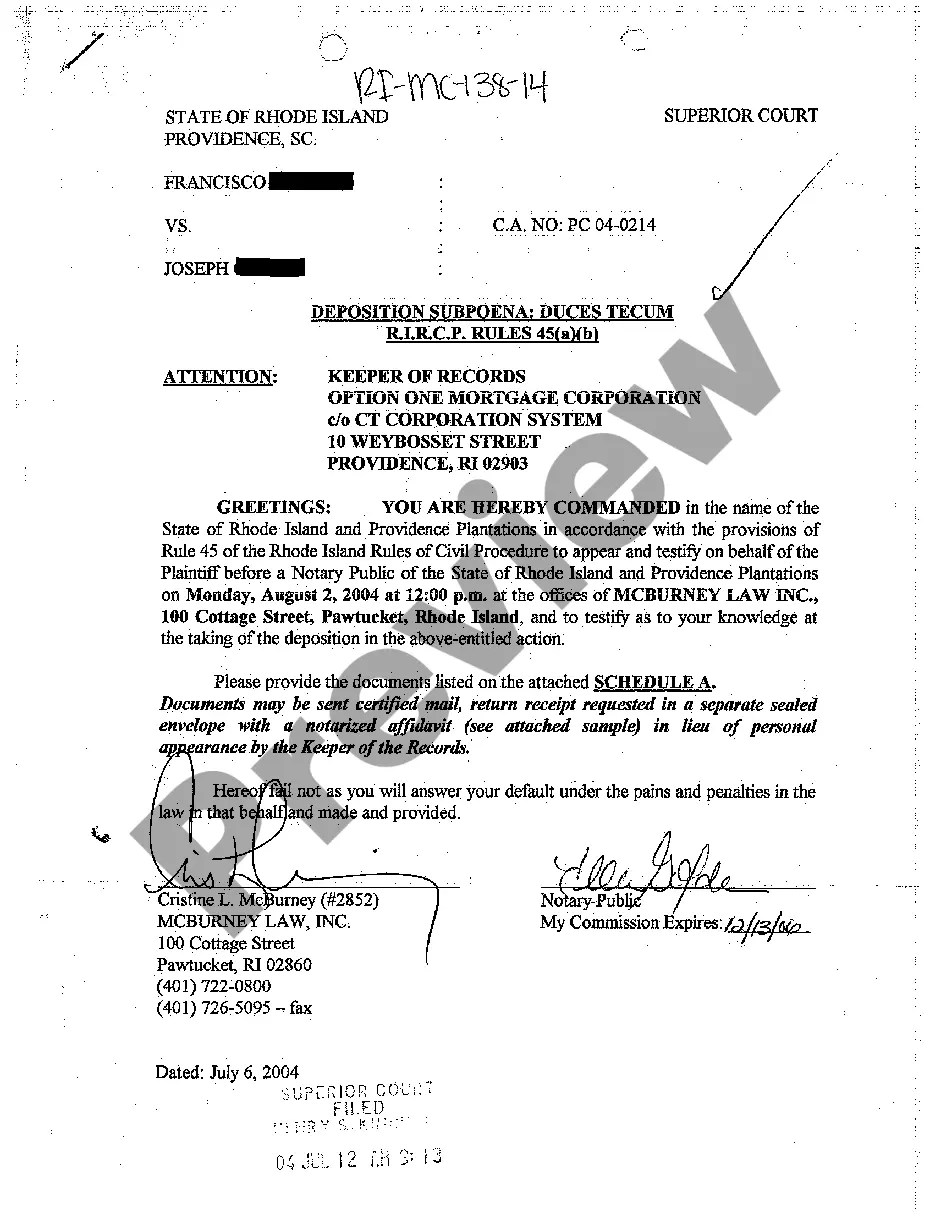
Get your form ready online
Our built-in tools help you complete, sign, share, and store your documents in one place.
Make edits, fill in missing information, and update formatting in US Legal Forms—just like you would in MS Word.
Download a copy, print it, send it by email, or mail it via USPS—whatever works best for your next step.
Sign and collect signatures with our SignNow integration. Send to multiple recipients, set reminders, and more. Go Premium to unlock E-Sign.
If this form requires notarization, complete it online through a secure video call—no need to meet a notary in person or wait for an appointment.
We protect your documents and personal data by following strict security and privacy standards.

Make edits, fill in missing information, and update formatting in US Legal Forms—just like you would in MS Word.

Download a copy, print it, send it by email, or mail it via USPS—whatever works best for your next step.

Sign and collect signatures with our SignNow integration. Send to multiple recipients, set reminders, and more. Go Premium to unlock E-Sign.

If this form requires notarization, complete it online through a secure video call—no need to meet a notary in person or wait for an appointment.

We protect your documents and personal data by following strict security and privacy standards.
Looking for another form?





Form popularity
FAQ
A bilingual person may desire to translate documents before getting an official translator to certify them. But sadly, and for good reasons, it's impractical to translate your documents yourself. Besides, the translator will agree to certify a self-translated document — it would put their reputation on the line.
How to translate immigration documents for USCIS Find an appropriate translator or translation company. Ask for a quote and delivery time. Submit an electronic copy of your documents to your translation provider. Receive your certified translation.
Simply create your Smartcat account and upload your PDF or multiple PDF documents. Smartcat AI translates your PDF files in seconds and maintains the source document formatting and layout in your output language file.
It's okay to translate your documents yourself if you're confident in your ability to do so accurately. However, if you're not sure, it's better to have a friend or family member do it for you.
How to translate a legal document Check the translation requirements. Find an appropriate translation provider. Ask for a quote and delivery time. Submit an electronic copy of your license. Receive your translation.
I _______name________________, certify that I am fluent/conversant choose one in English and __language of document___ , and that the attached document is an accurate translation of the document attached entitled name of translated document .
To notarize a translation, the document must be signed by an official government representative or a public notary. A notary may act as a representative to authenticate a document's translation in instances involving some government papers.
In addition to the basic requirements of an English written test, a test on the Interpreter Code of Professional Responsibility, a 2-Day Orientation, a background check, and 10 hours of observation, a certified interpreter has completed a five-day training course and passed a three-part examination on the modes of ...
Find a translator for your documents and obtain a quote. If you need a translation of official documents, it's important to work with a qualified professional translator. This will ensure that your translations are accurate and fit for their end use by the requesting authority.
Can I translate my own documents? Legally, you can translate official documents yourself. However, these translations won't be accepted in court or other sensitive matters. To have a document recognized, you need a professional translator.