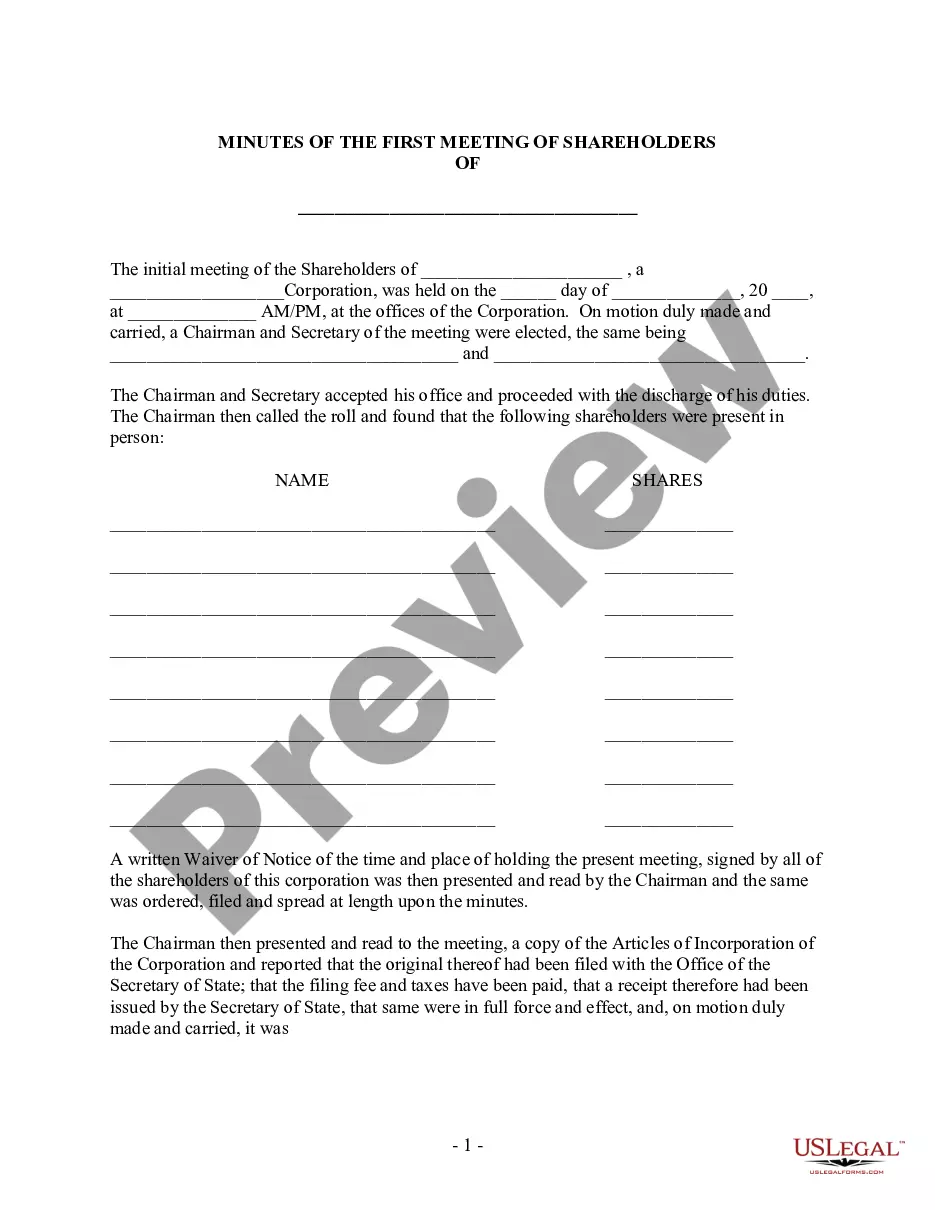
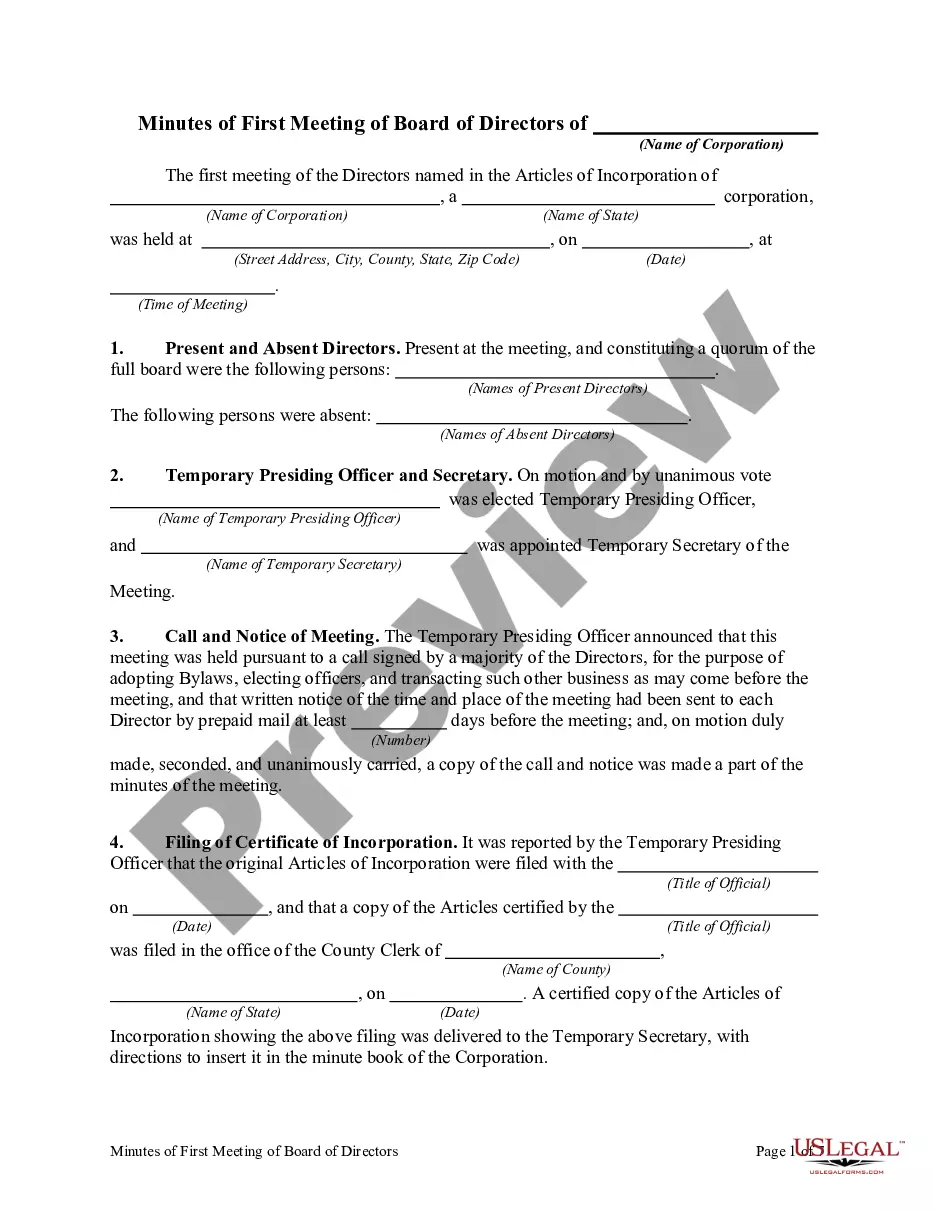
Board Meeting Corporate For Small Companies Act 2013 In Nassau
Description

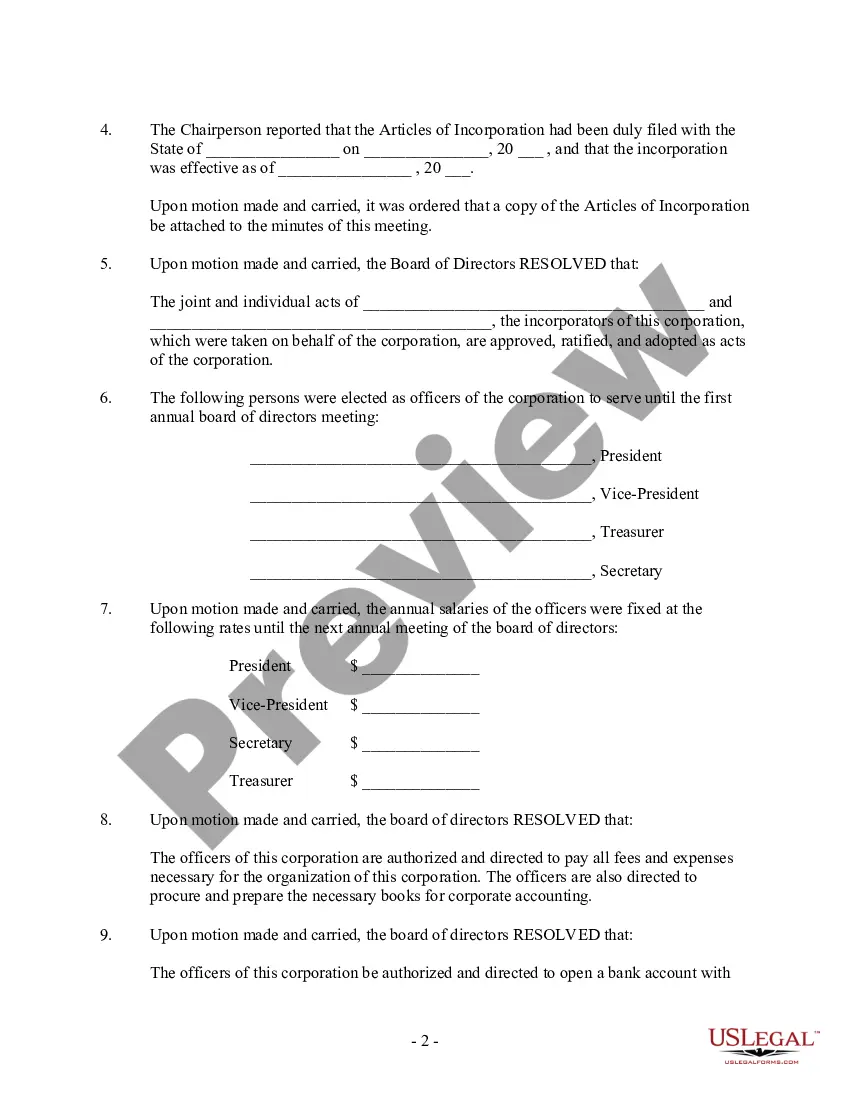
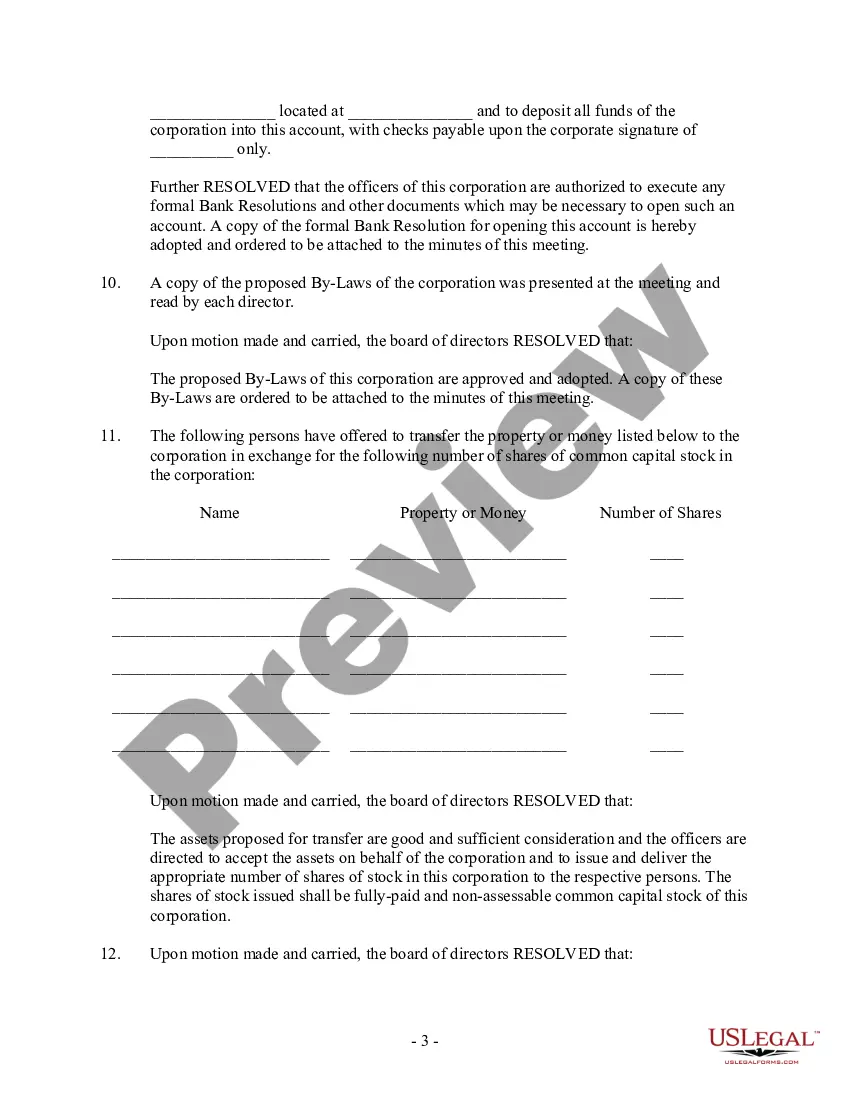
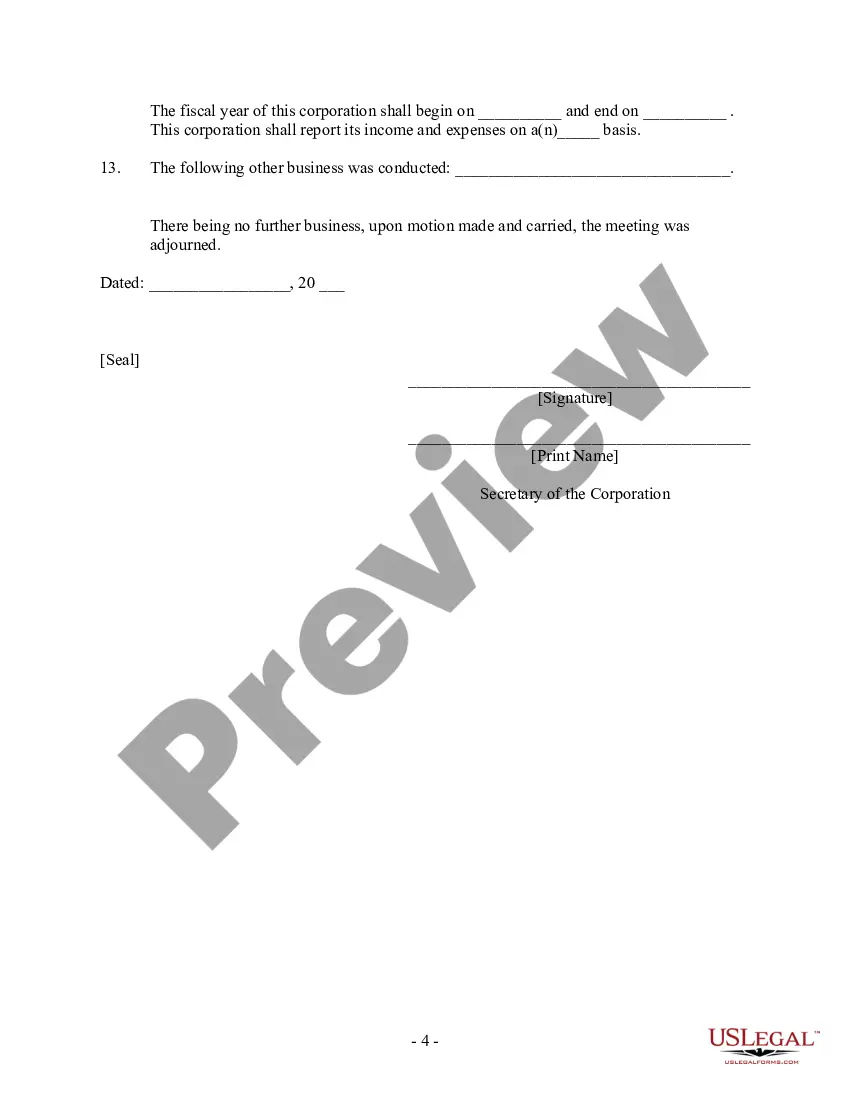

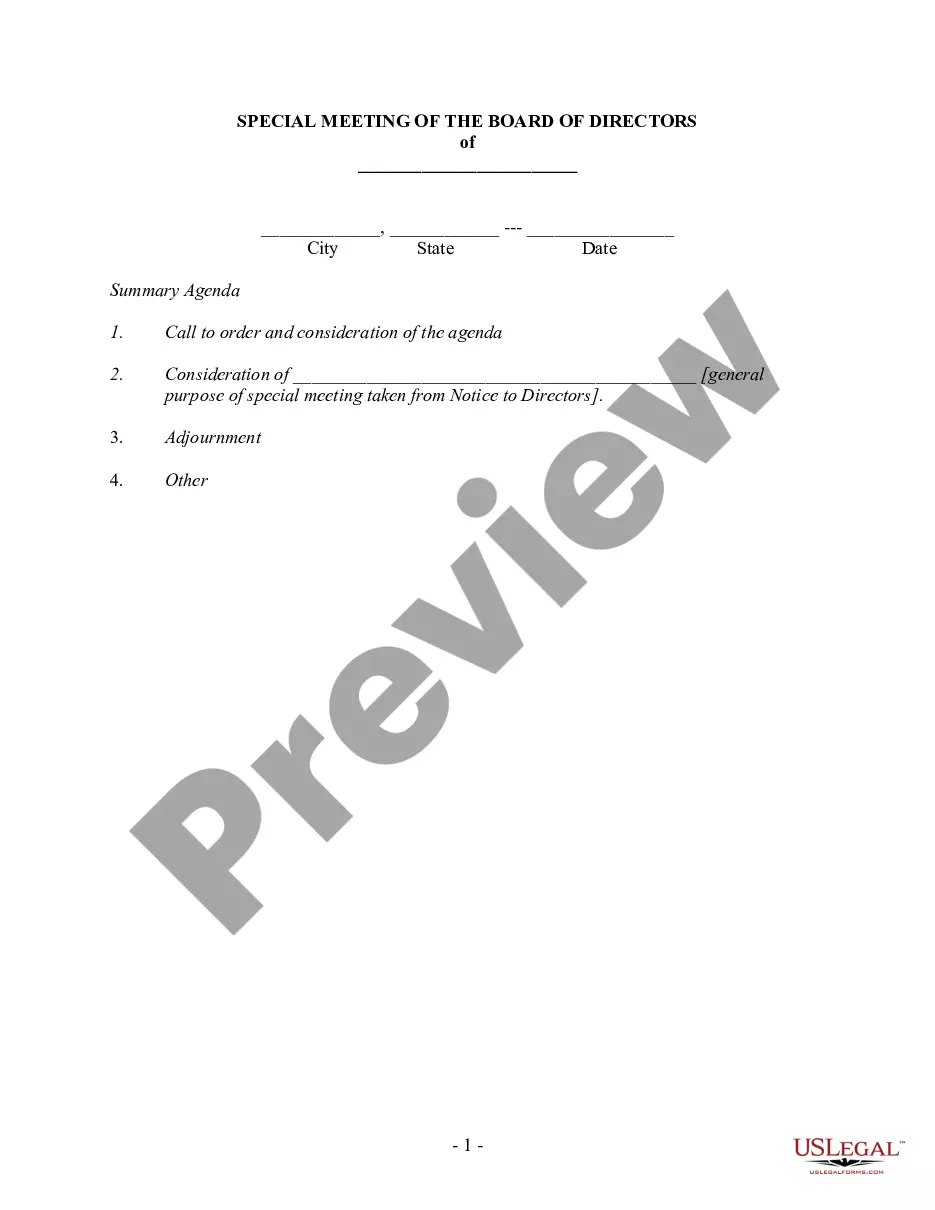
Get your form ready online
Our built-in tools help you complete, sign, share, and store your documents in one place.
Make edits, fill in missing information, and update formatting in US Legal Forms—just like you would in MS Word.
Download a copy, print it, send it by email, or mail it via USPS—whatever works best for your next step.
Sign and collect signatures with our SignNow integration. Send to multiple recipients, set reminders, and more. Go Premium to unlock E-Sign.
If this form requires notarization, complete it online through a secure video call—no need to meet a notary in person or wait for an appointment.
We protect your documents and personal data by following strict security and privacy standards.

Make edits, fill in missing information, and update formatting in US Legal Forms—just like you would in MS Word.

Download a copy, print it, send it by email, or mail it via USPS—whatever works best for your next step.

Sign and collect signatures with our SignNow integration. Send to multiple recipients, set reminders, and more. Go Premium to unlock E-Sign.

If this form requires notarization, complete it online through a secure video call—no need to meet a notary in person or wait for an appointment.

We protect your documents and personal data by following strict security and privacy standards.
Looking for another form?







Form popularity
FAQ
Section 173 of the Act deals with Meetings of the Board and Section 174 deals with quorum. 1. The Act provides that the first Board meeting should be held within thirty days of the date of incorporation.
A meeting of the Board shall be convened by giving not less than seven days' notice in writing to every director at his address registered with the company, and such notice shall be sent by hand or by post, or by electronic means.
In such cases, the vacation of the director's office may not be enforceable. In conclusion, it is important for directors to attend Board meetings, as failure to attend all meetings for 12 months will result in the automatic vacating of their office.
A call to order is the defined start to the meeting agenda and is usually called for by the Chairperson, by declaring that: “The meeting will now come to order”.
1 Any Director of a company may, at any time, summon a Meeting of the Board, and the Company Secretary or where there is no Company Secretary, any person authorised by the Board in this behalf, on the requisition of a Director, shall convene a Meeting of the Board, in consultation with the Chairman or in his absence, ...
Calling a board meeting Board meetings can be called at any time by the chairman of the board or an individual director. Reasonable notice of the meeting must be provided to all directors, but there is no provision in the Companies Act regarding a minimum notice period for board meetings.
Convening a Meeting 1.1 Authority A General Meeting shall be convened by or on the authority of the Board. The authority to convene a General Meeting of the company shall either be with the Board itself or with a Director, Company Secretary, Manager or any other officer of the company under the authority of the Board.
Notice must be given to each director and the notice must indicate the proposed time, date and place of the meeting. Notice does not need to be in writing but it is best practice to have a form of written notice sent out.
A proper meeting notice should include: Date, Time, and Venue: Clear details on when and where the meeting will take place. Purpose of the Meeting: A brief description of the meeting's objectives. Agenda: An outline of topics to be discussed; this helps attendees prepare for the meeting.
Essentially, the meeting protocol is a template workflow from calling the meeting to signing off the minutes from the previous meeting. The technical details that must be met to ensure the board can make its decisions. This could be the minimum number of members required for a quorum or the type of majority needed.
