Board Meetings In Corporate Governance In Montgomery
Description
Get your form ready online
Our built-in tools help you complete, sign, share, and store your documents in one place.
Make edits, fill in missing information, and update formatting in US Legal Forms—just like you would in MS Word.
Download a copy, print it, send it by email, or mail it via USPS—whatever works best for your next step.
Sign and collect signatures with our SignNow integration. Send to multiple recipients, set reminders, and more. Go Premium to unlock E-Sign.
If this form requires notarization, complete it online through a secure video call—no need to meet a notary in person or wait for an appointment.
We protect your documents and personal data by following strict security and privacy standards.

Make edits, fill in missing information, and update formatting in US Legal Forms—just like you would in MS Word.

Download a copy, print it, send it by email, or mail it via USPS—whatever works best for your next step.

Sign and collect signatures with our SignNow integration. Send to multiple recipients, set reminders, and more. Go Premium to unlock E-Sign.

If this form requires notarization, complete it online through a secure video call—no need to meet a notary in person or wait for an appointment.

We protect your documents and personal data by following strict security and privacy standards.
Looking for another form?
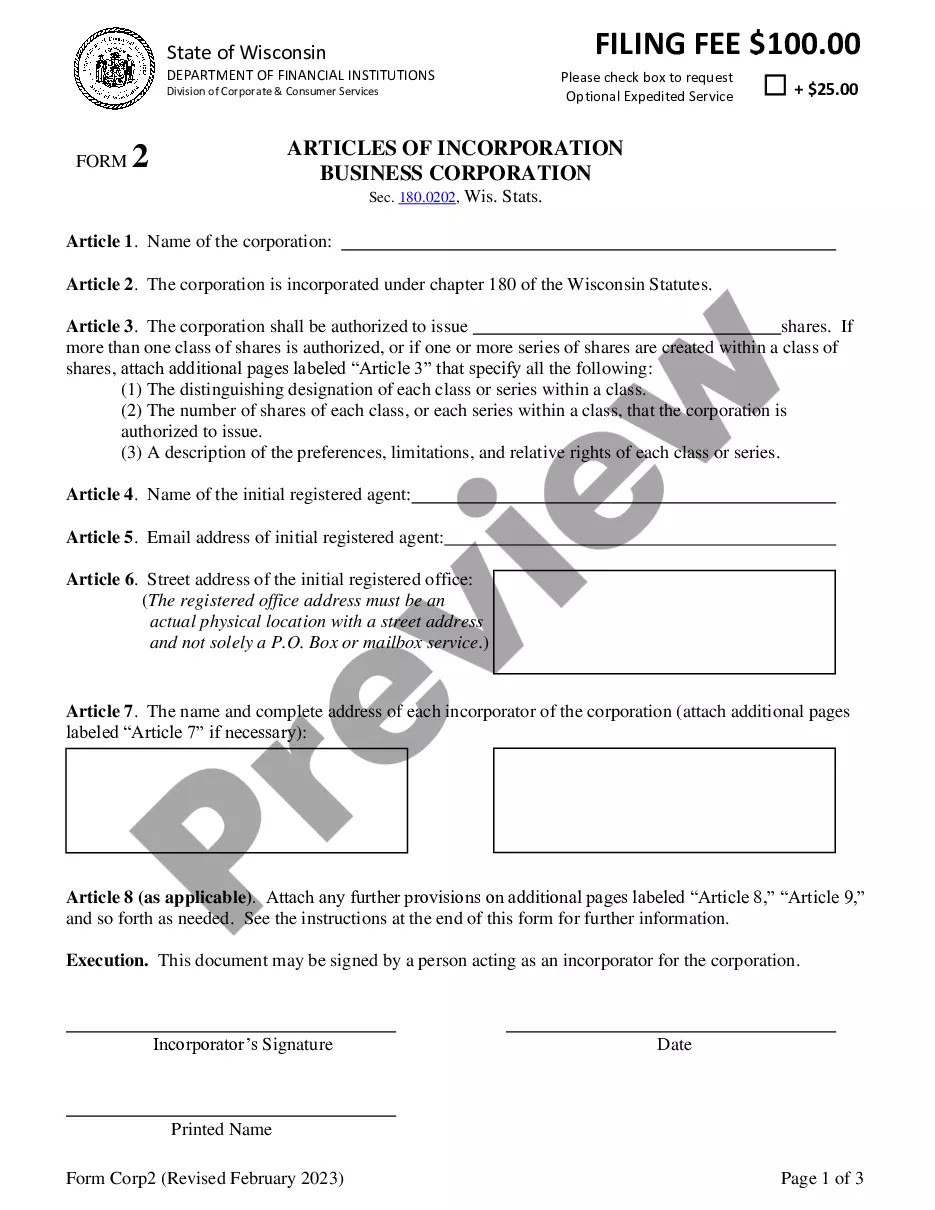
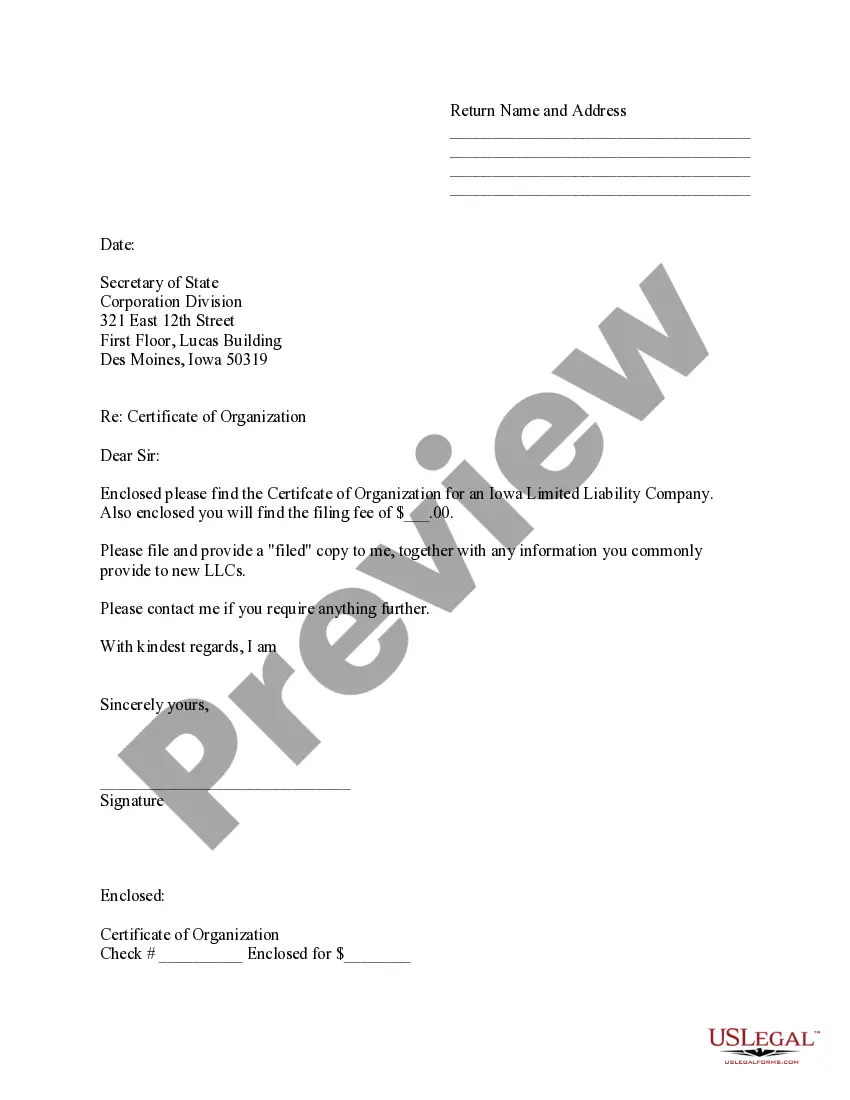
Form popularity
FAQ
Avoid placing your phone on the table and turn notifications off to eliminate distractions. Side conversations contribute to board biases, can be disruptive and are disrespectful to the speaker. Listening actively promotes mutual respect and proper understanding of the board's agenda.
The chair owns the agenda Who prepares the first draft? Usually the company secretary, the CEO or the board secretary. This then needs to be approved or amended by the chair. The agenda and the board papers need to be sent to all directors at least 5 days plus a weekend, prior to the board meeting.
During your meeting etiquette tips Show up on time. Introduce yourself and others. Practice active listening. Dress professionally & present well. Don't eat at the meeting. Ask questions at the right time. Put away your phone. Speak loudly and clearly.
Board meeting etiquette don'ts Don't – Make your agenda unrealistic. Don't – Be late. Don't – Interrupt others. Don't – Put others down. Don't – Use your smartphone. Don't – Inundate your board with several different pre-meeting emails. Don't – Allow side conversations. Don't – Read committee reports out loud.
The job of a board of directors is to provide oversight for the company, which means they need to be regularly updated on the company's status and recent developments. For this reason, most boards meet at least once a quarter.
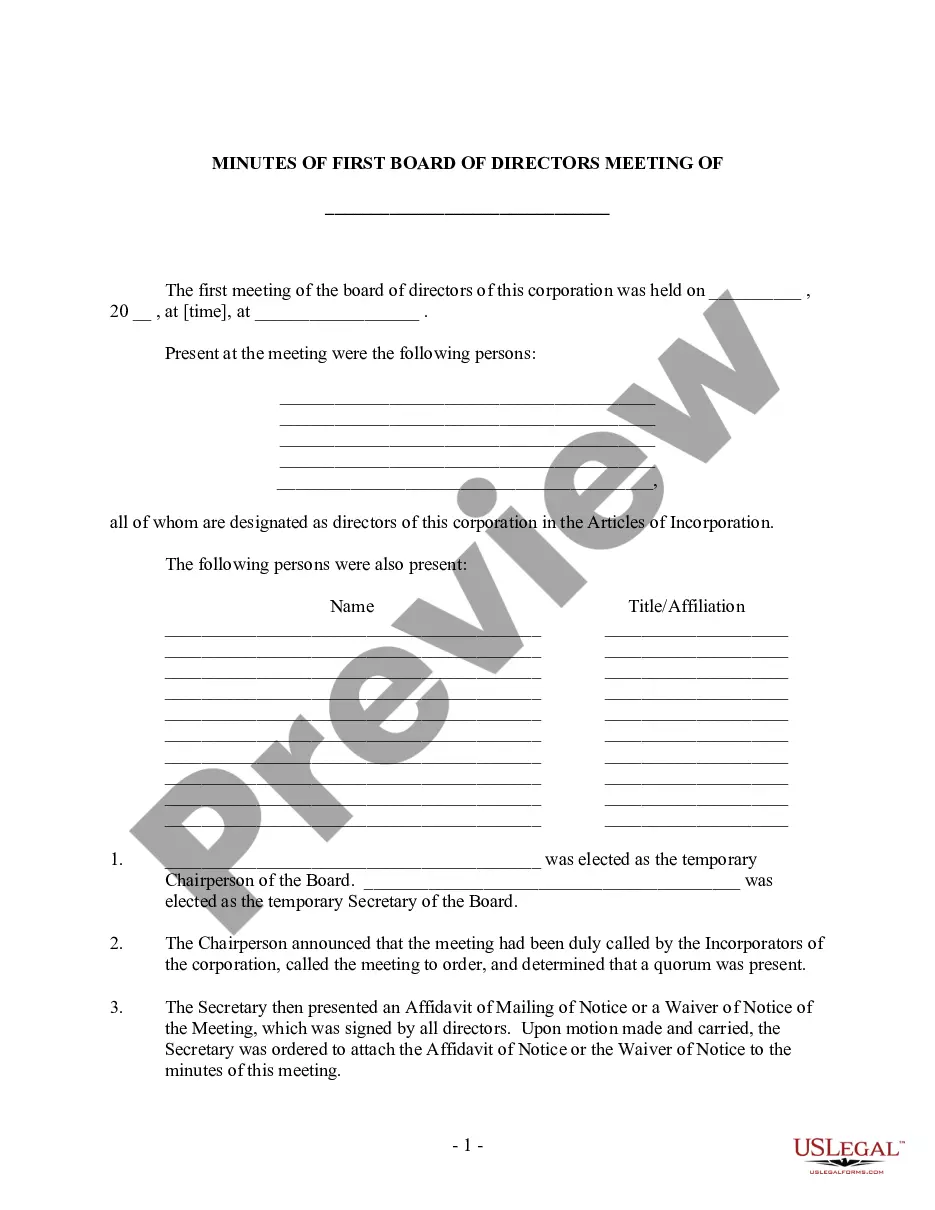
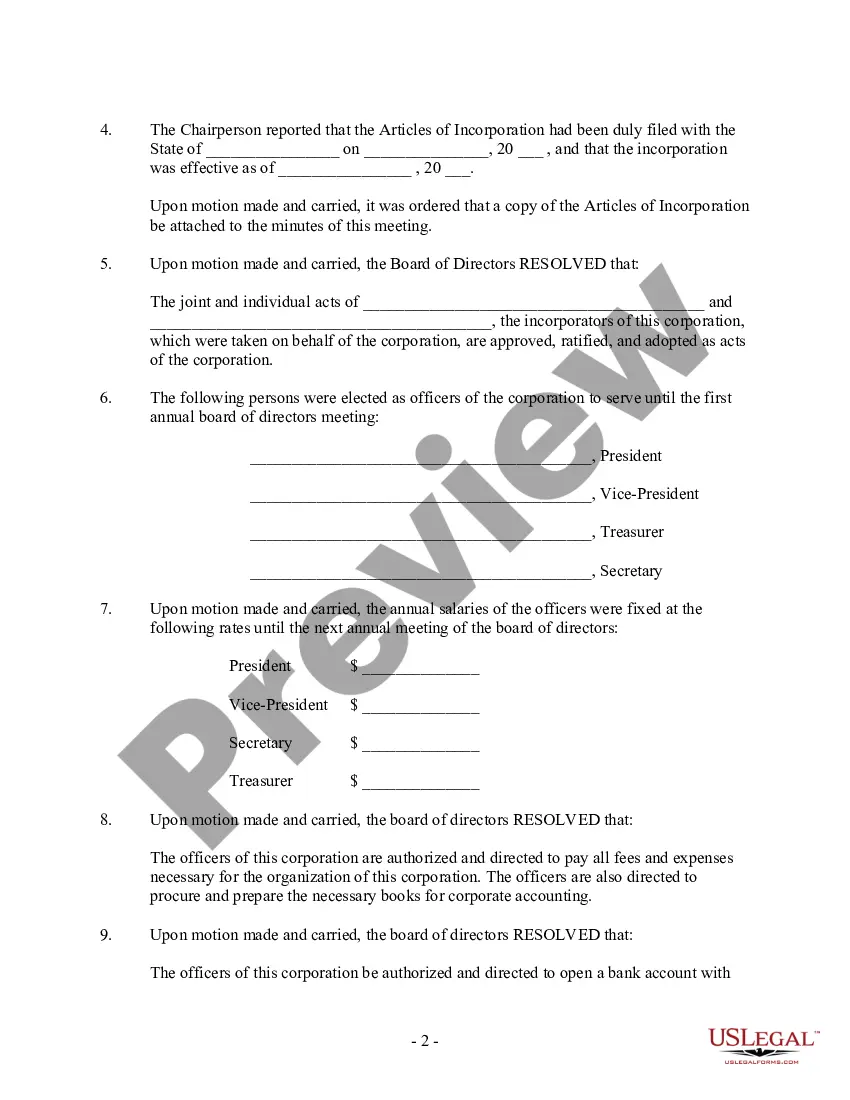
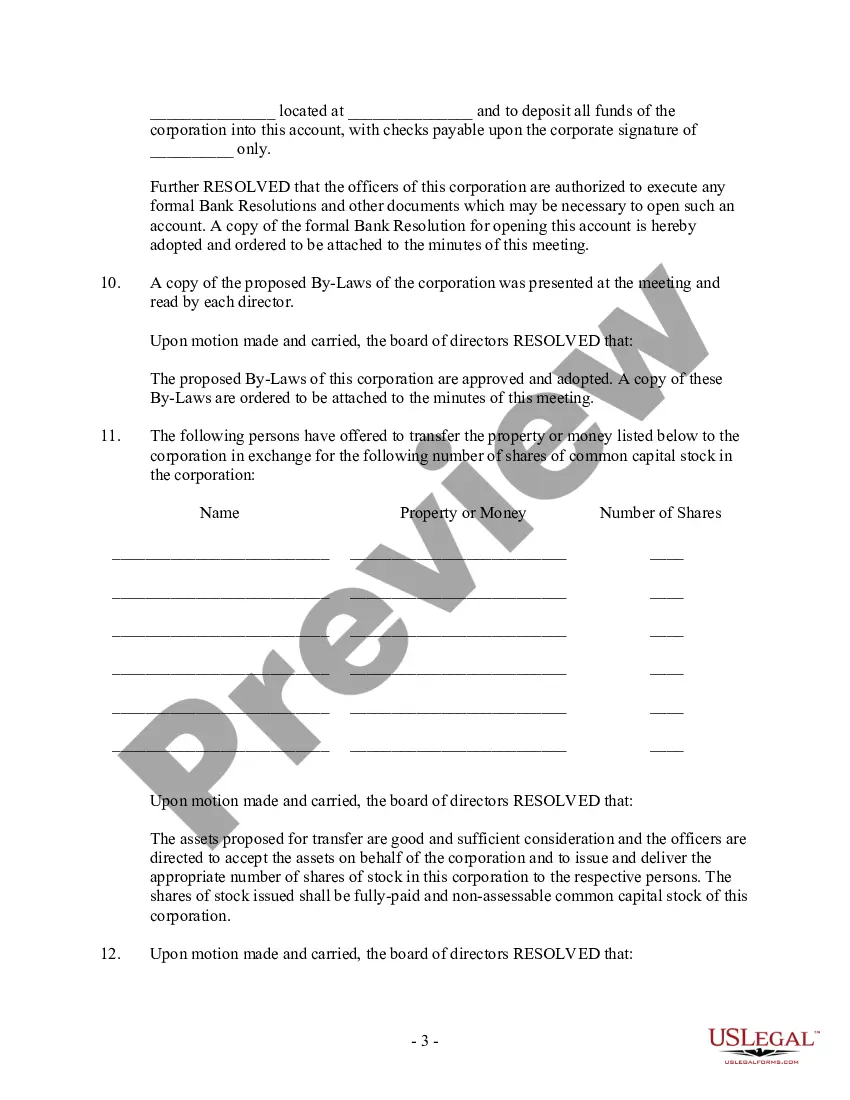
A Board Meeting is a formal meeting of the board of directors of an organization and any invited guests, held at definite intervals and as needed to review performance, consider policy issues, address major problems and perform the legal business of the board.
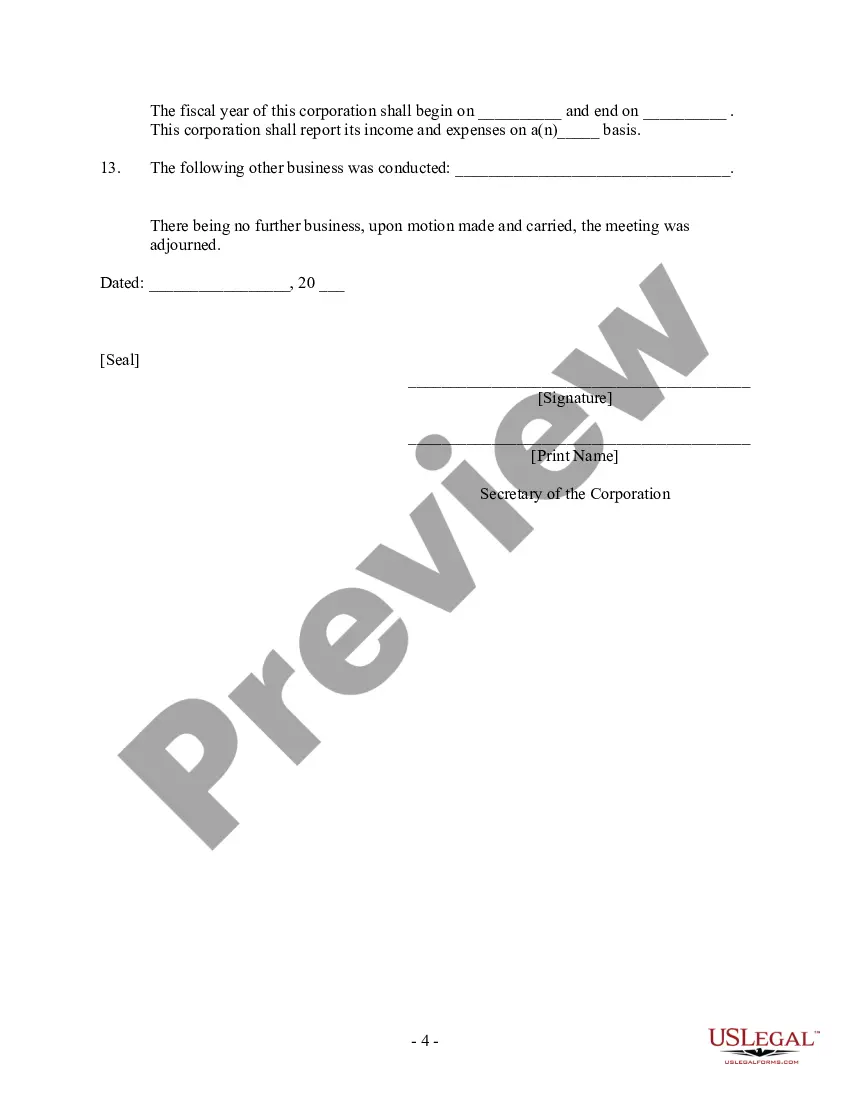
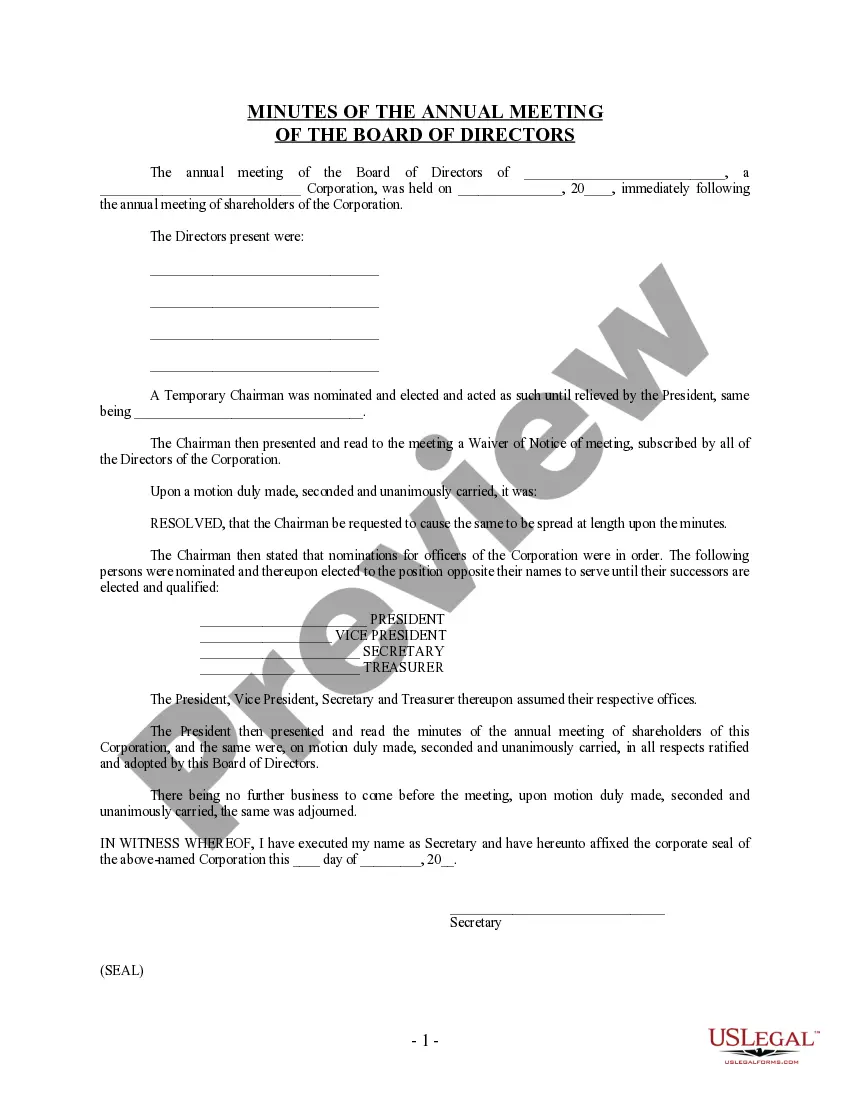
The minutes are a factual record of business. Do not include: Opinions or judgments: Leave out statements like "a well done report" or "a heated discussion." Criticism or accolades: Criticism of members, good or bad, should not be included unless it takes the form of an official motion.
The board has a fiduciary duty to make decisions and take actions in the interest of shareholders and stakeholders. It operates independently of management and focuses on a company's major issues rather than its day-to-day operations.
A Board Meeting is a formal meeting of the board of directors of an organization and any invited guests, held at definite intervals and as needed to review performance, consider policy issues, address major problems and perform the legal business of the board.
In India, there are 5 mandatory Board level committees – Audit Committee, Nomination and Remuneration Committee, Stakeholders Relationship Committee, Risk Management Committee and Corporate Social Responsibility Committee. Management is involved in the day-to-day functioning of a company.