Companies Board Meeting Rules In Los Angeles
Description
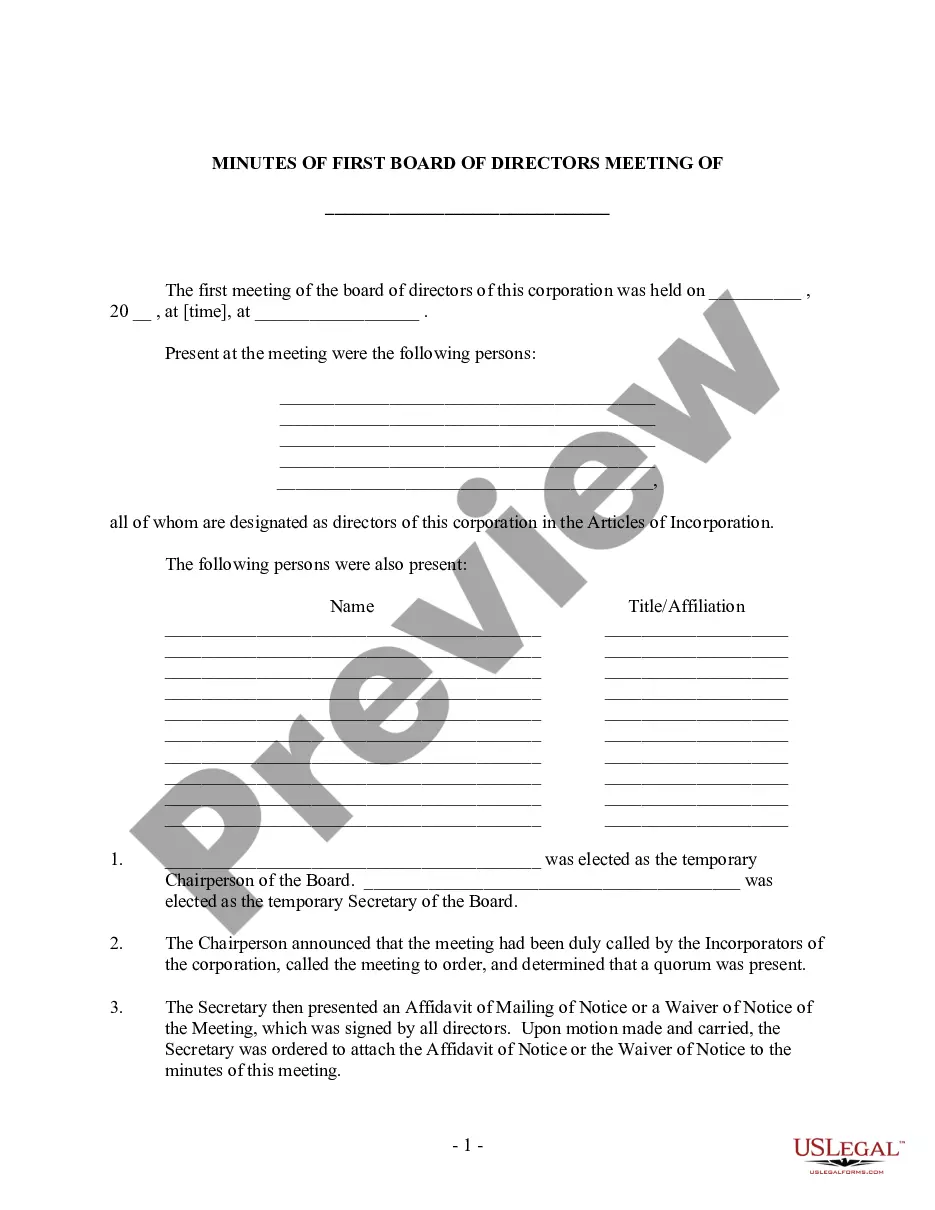
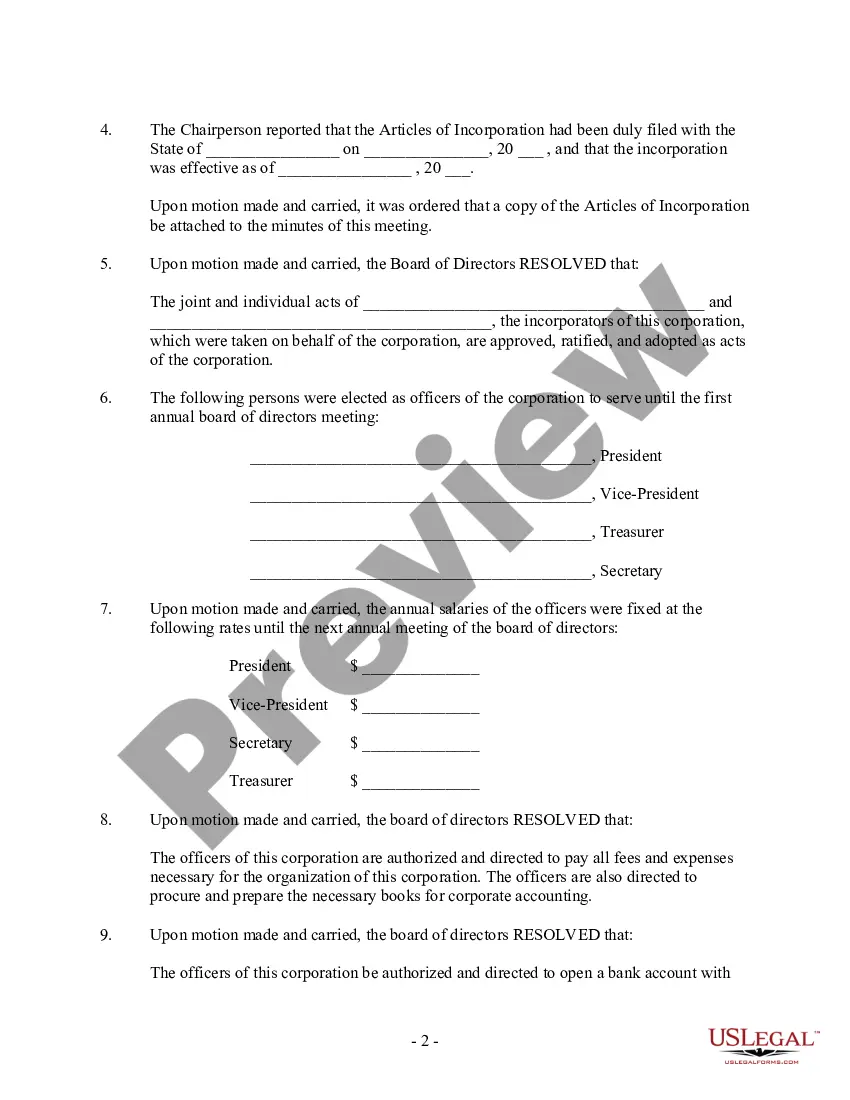
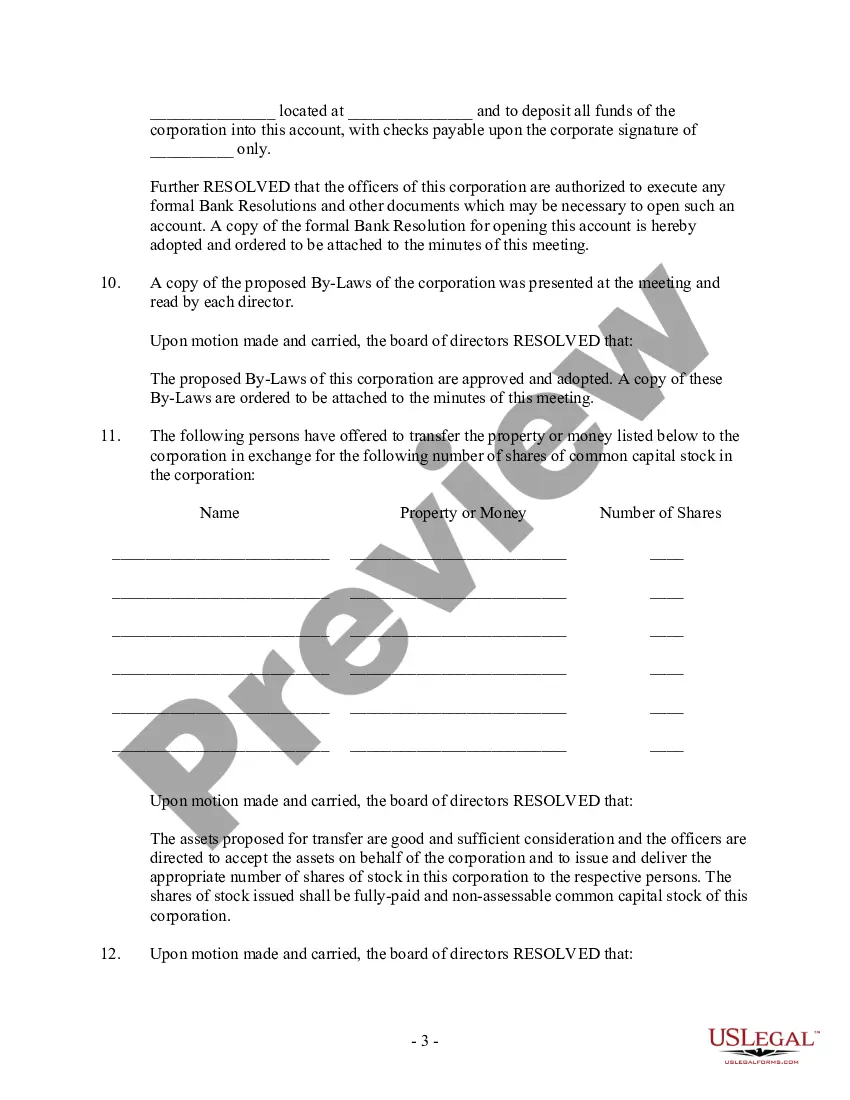
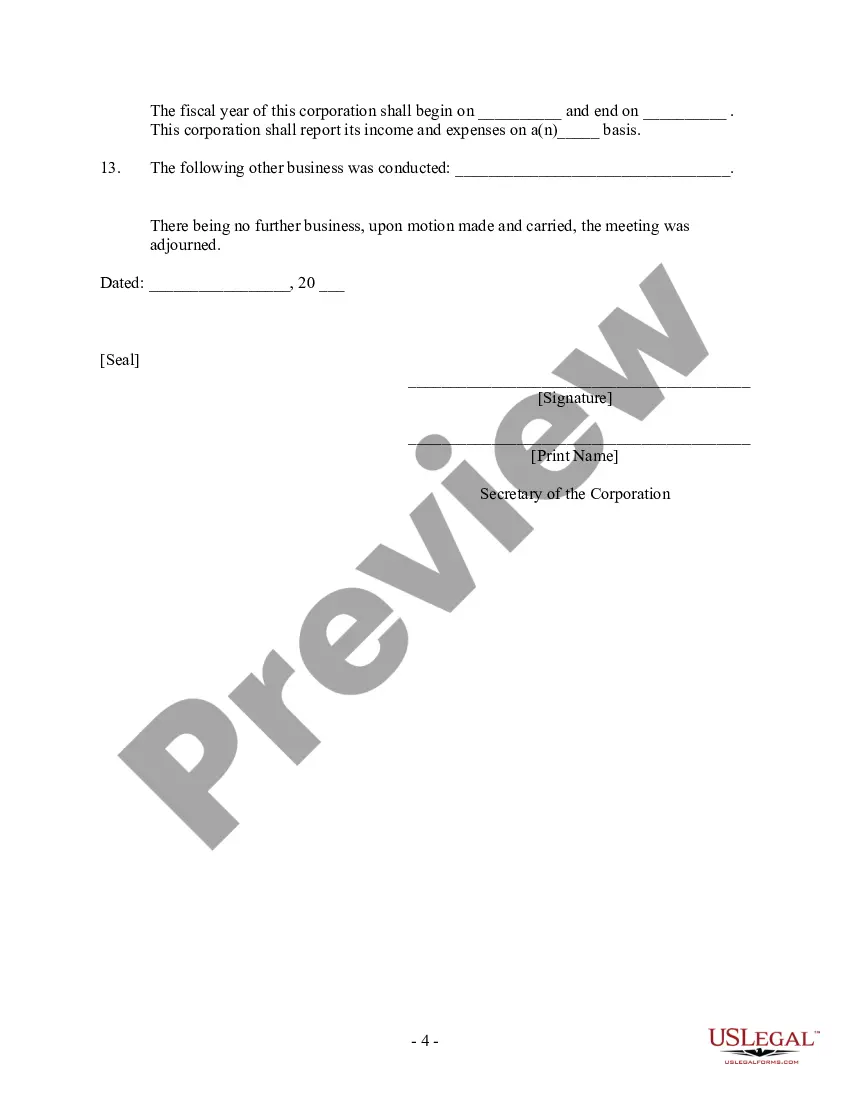
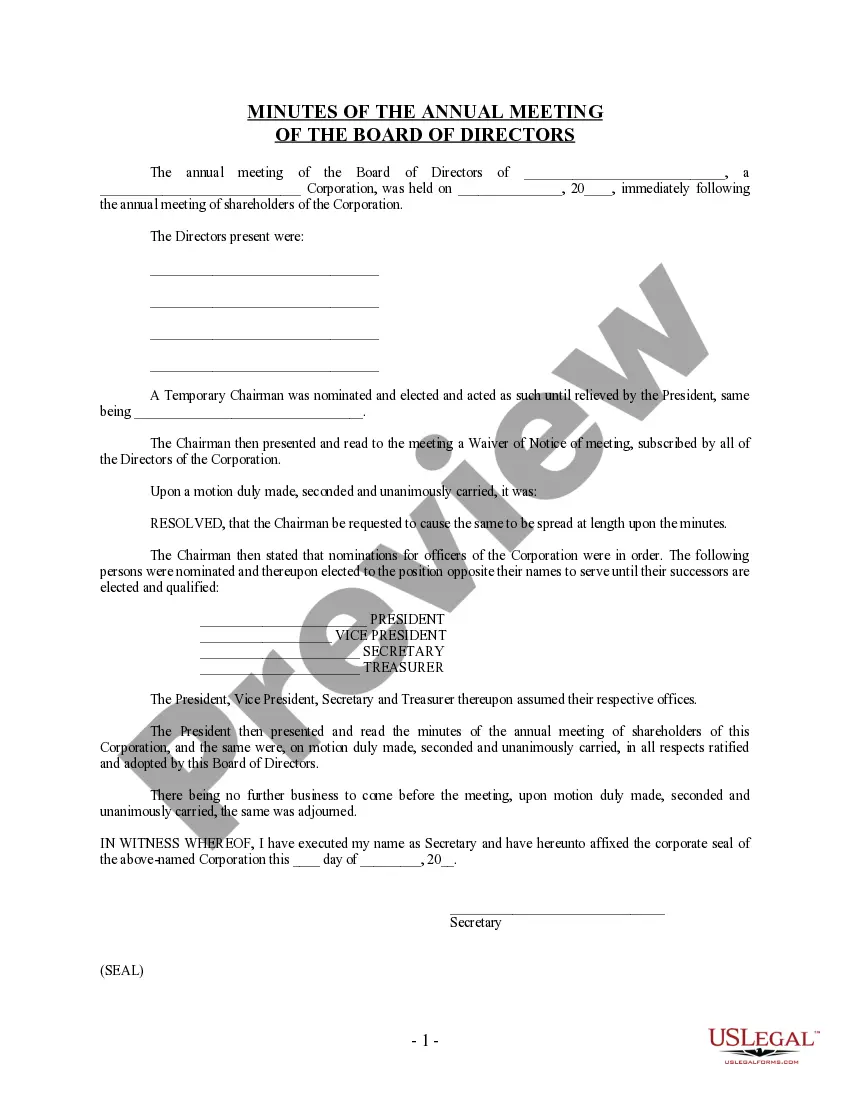
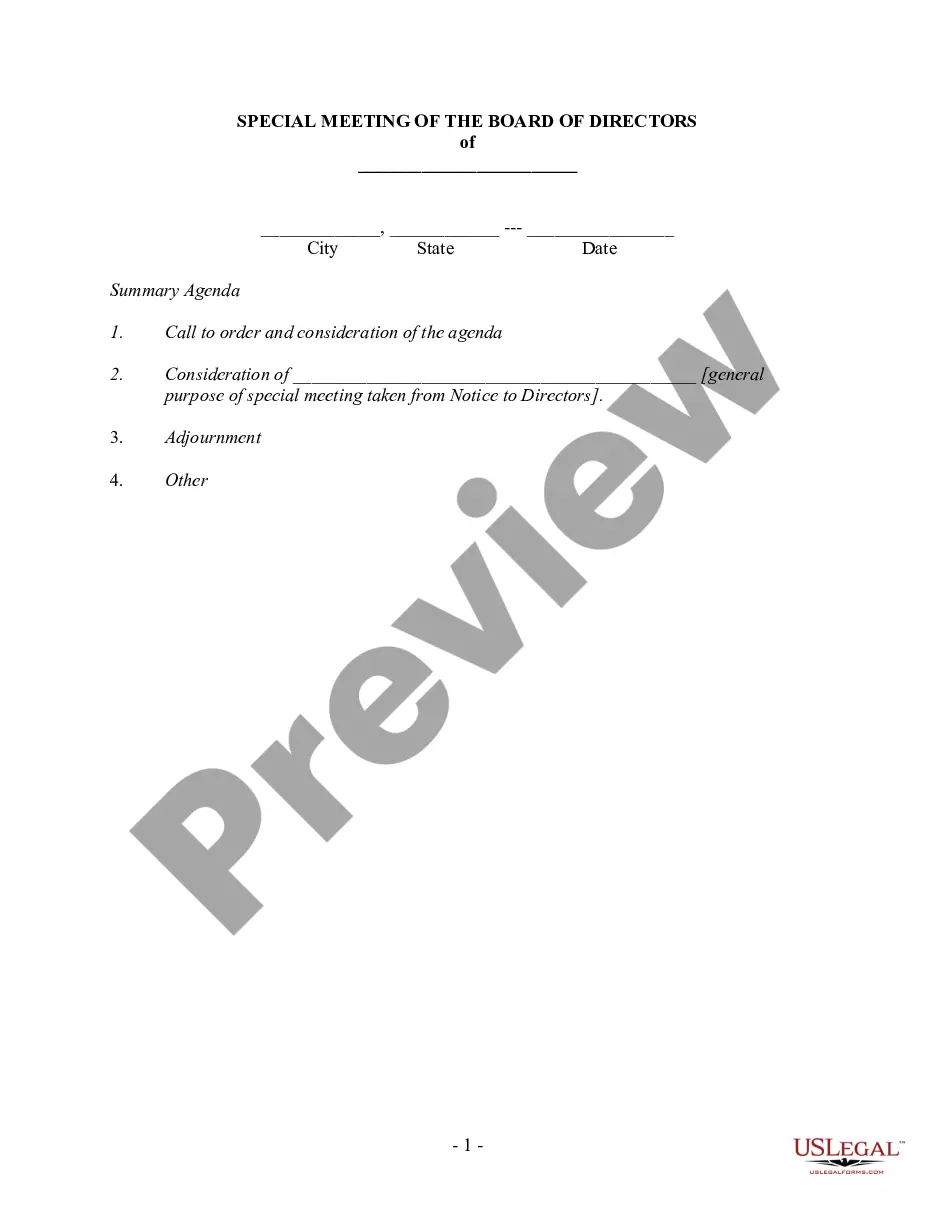
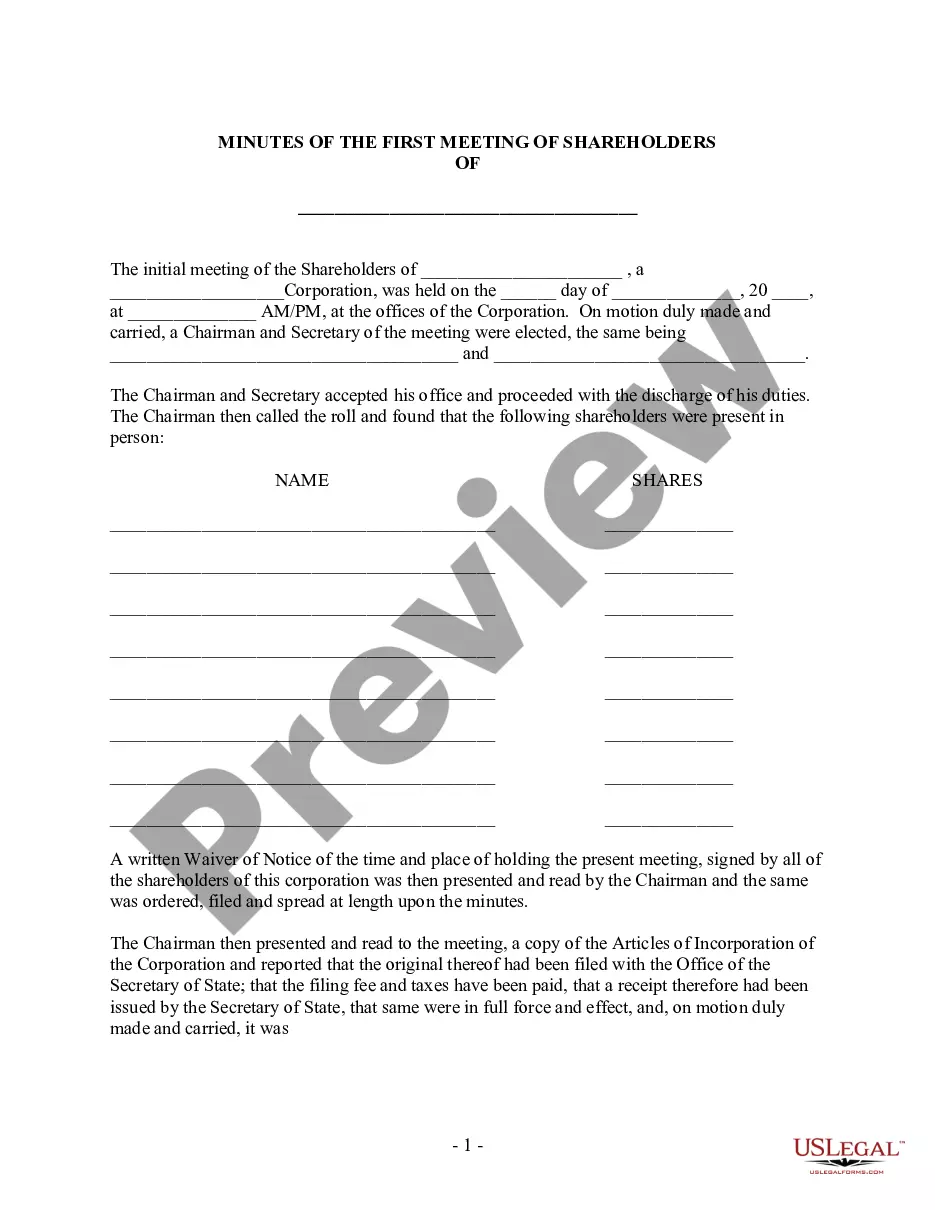
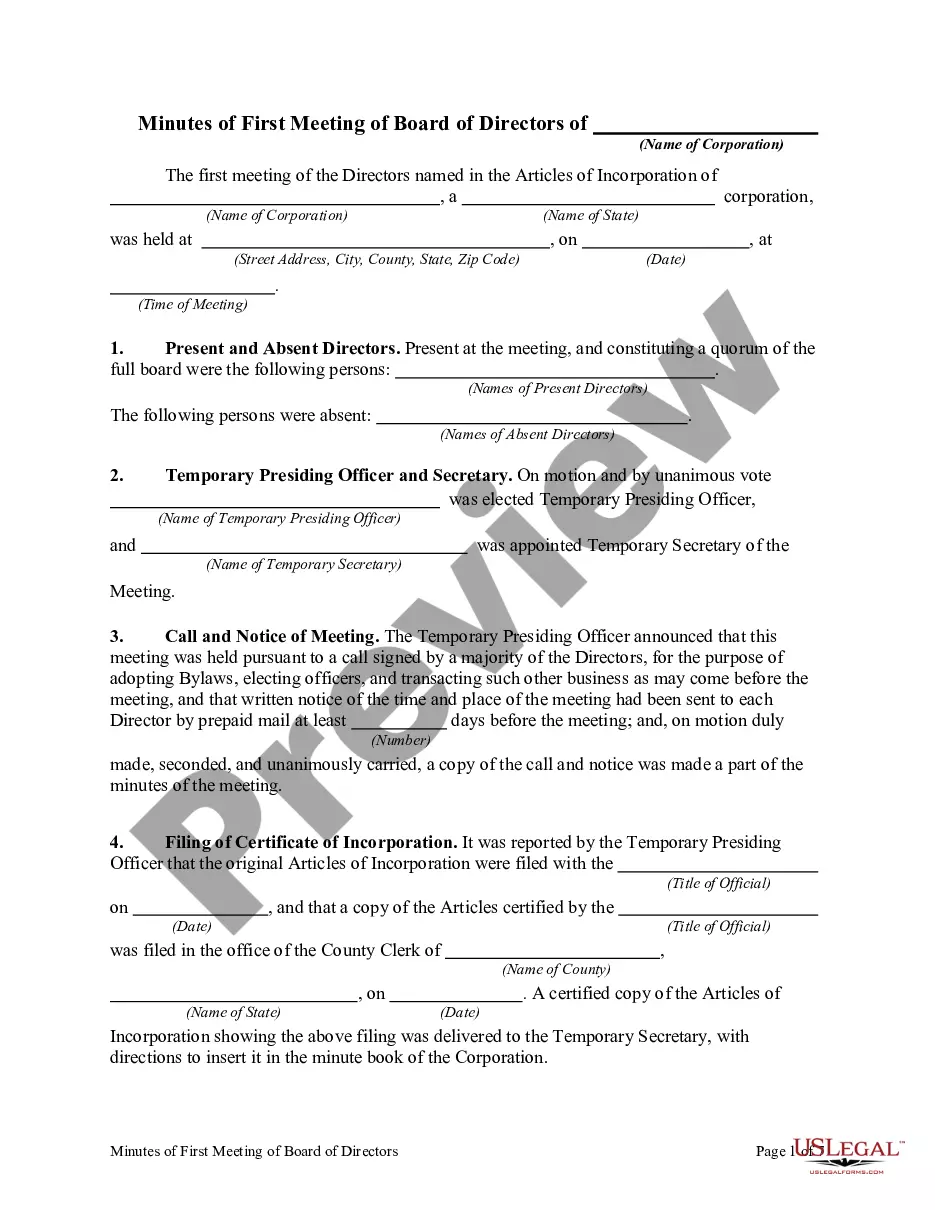
Get your form ready online
Our built-in tools help you complete, sign, share, and store your documents in one place.
Make edits, fill in missing information, and update formatting in US Legal Forms—just like you would in MS Word.
Download a copy, print it, send it by email, or mail it via USPS—whatever works best for your next step.
Sign and collect signatures with our SignNow integration. Send to multiple recipients, set reminders, and more. Go Premium to unlock E-Sign.
If this form requires notarization, complete it online through a secure video call—no need to meet a notary in person or wait for an appointment.
We protect your documents and personal data by following strict security and privacy standards.

Make edits, fill in missing information, and update formatting in US Legal Forms—just like you would in MS Word.

Download a copy, print it, send it by email, or mail it via USPS—whatever works best for your next step.

Sign and collect signatures with our SignNow integration. Send to multiple recipients, set reminders, and more. Go Premium to unlock E-Sign.

If this form requires notarization, complete it online through a secure video call—no need to meet a notary in person or wait for an appointment.

We protect your documents and personal data by following strict security and privacy standards.
Looking for another form?
Form popularity
FAQ
Illegal meeting means any meeting or gathering which has not been allowed by an appropriate authority; Sample 1.
Rule 4 – Matters NOT to be dealt with in a meeting through video conferencing or other audio visual means. the approval of the matter relating to amalgamation, merger, demerger, acquisition and takeover.
In case of One Person Company (OPC), small company and dormant company, at least one Board meeting should be conducted in each half of the calendar year and the gap between two meetings should not be less than Ninety days. shall be given to every director at the registered address as available with the company.
A quorum must be present for business to be conducted • All members have equal rights, privileges and obligations • No person should speak until recognized by the chair • Personal remarks or side discussions during debate are out of order • Only one question at a time may be considered, and only one person may have the ...
Failure to Follow Open Meeting Laws: Open meeting laws mandate that meetings be accessible to the public or community members. Violating these laws, such as by conducting business in secret or excluding members from discussions that should be open, constitutes an illegal meeting.
To bring order to the boardroom, many organizations follow a meeting framework known as Robert's Rules of Order. The guidelines outline procedures for motions, voting, debate, amendments, and resolutions, ensuring decisions are made with order, fairness, and transparency.
States like California, Florida, and Pennsylvania have two-party consent laws, which means that all parties involved must consent to the recording. If there is no consent, it is illegal. However, states like South Carolina, North Carolina, and Ohio have one-party consent laws.
Many board members participate in informal meetings, unknowingly or otherwise. Social gatherings are particularly common events where informal meetings happen. Because informal or “working” meetings are not always permitted by law or by the governing documents, participating in them can be a slippery slope.
State-level requirements: In most states, minutes are required for all corporate meetings, including board meetings. Corporate boards must know, understand and abide by their state laws regarding meeting minutes. It's part of their fiduciary duties; not knowing the law doesn't excuse them from following it.
California professional corporations must file an annual Statement of Information, hold annual shareholder and director meetings, document meeting minutes, maintain accurate records, and ensure they comply with all applicable state regulations.