Meeting Minutes For Corporation In Florida
Description
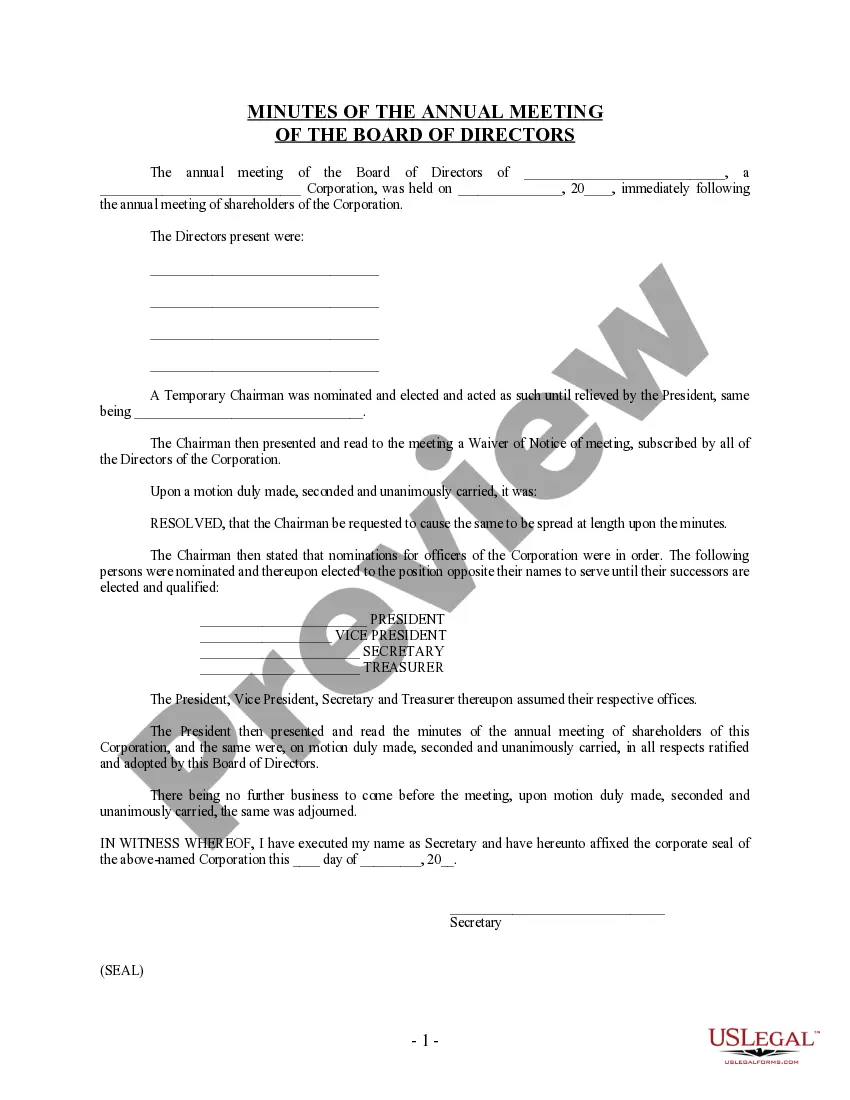
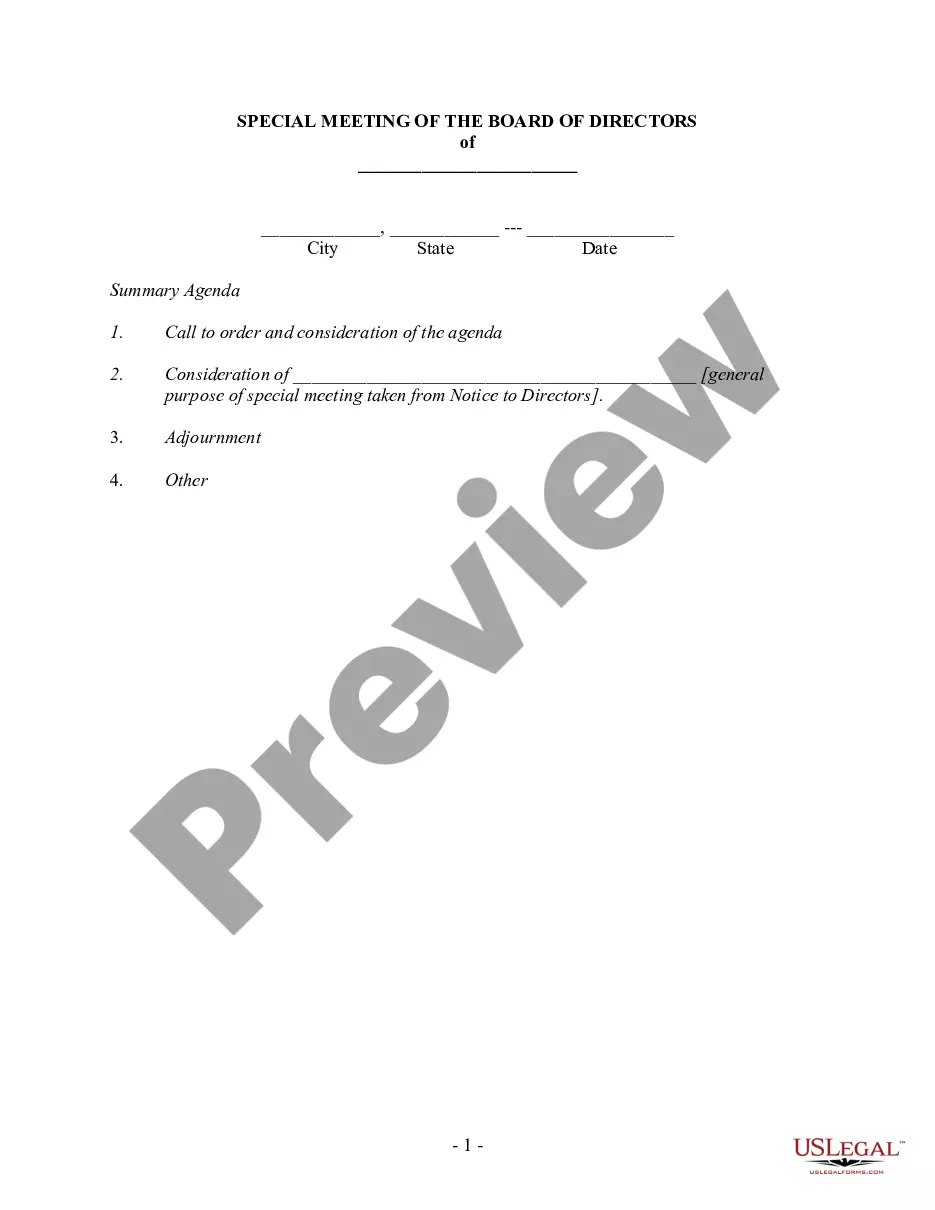
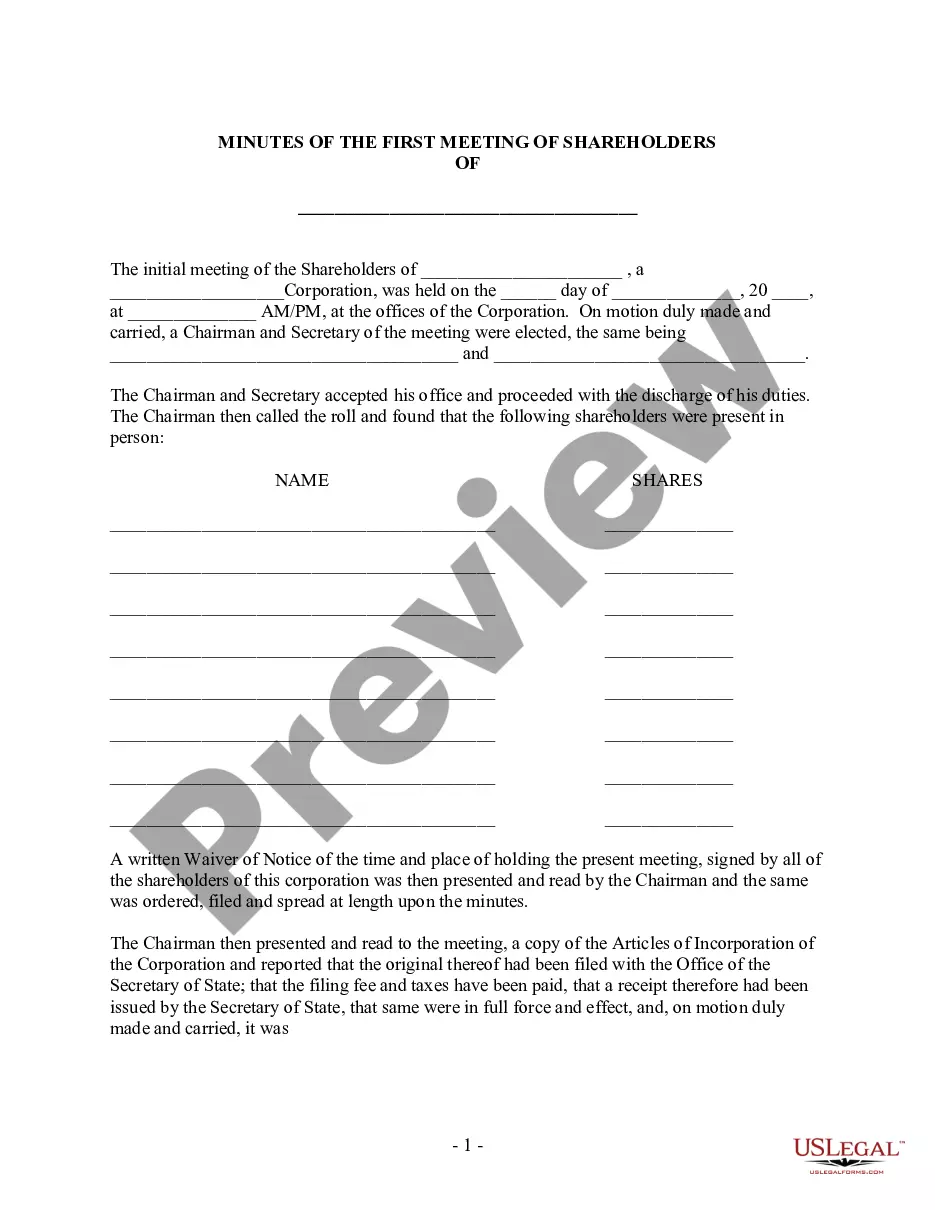
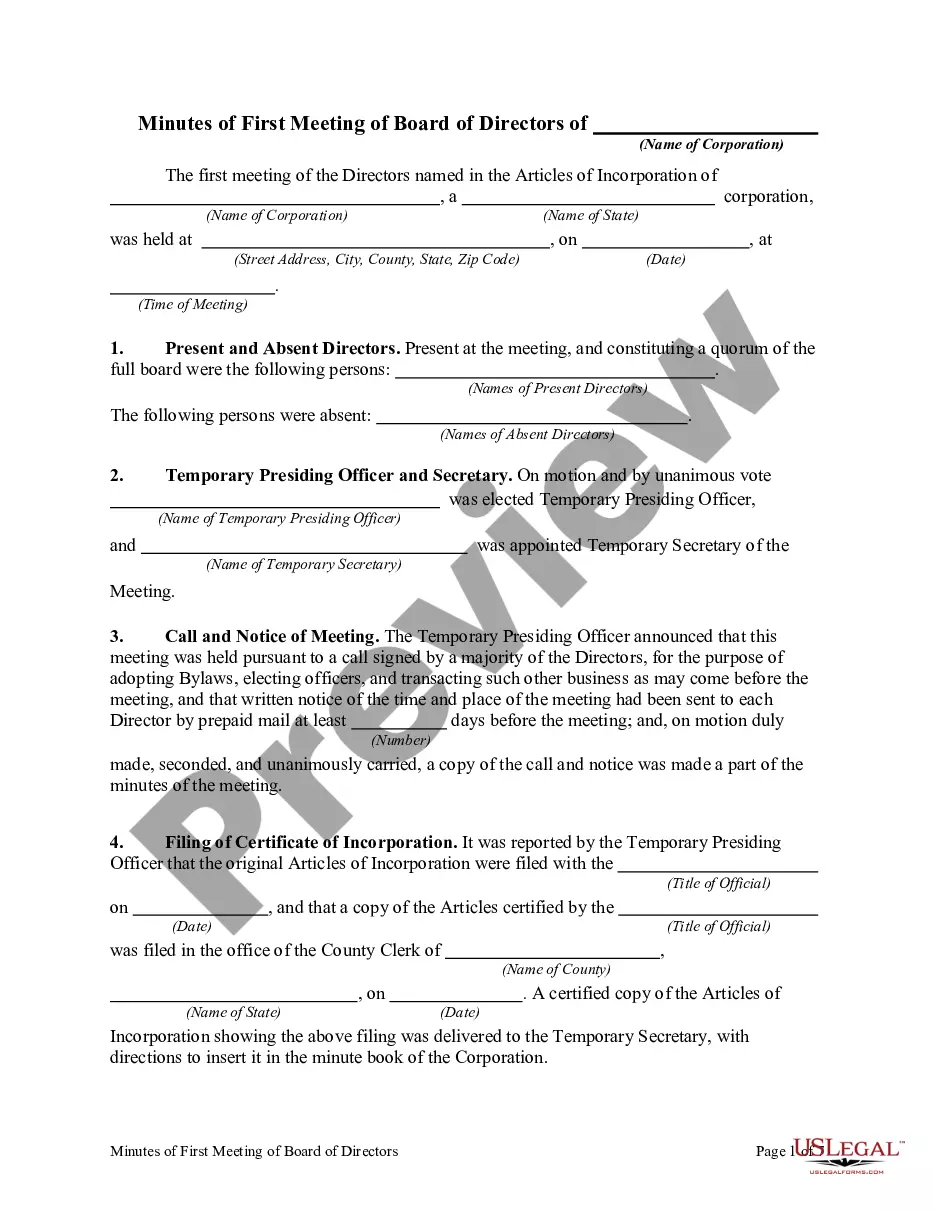
Get your form ready online
Our built-in tools help you complete, sign, share, and store your documents in one place.
Make edits, fill in missing information, and update formatting in US Legal Forms—just like you would in MS Word.
Download a copy, print it, send it by email, or mail it via USPS—whatever works best for your next step.
Sign and collect signatures with our SignNow integration. Send to multiple recipients, set reminders, and more. Go Premium to unlock E-Sign.
If this form requires notarization, complete it online through a secure video call—no need to meet a notary in person or wait for an appointment.
We protect your documents and personal data by following strict security and privacy standards.

Make edits, fill in missing information, and update formatting in US Legal Forms—just like you would in MS Word.

Download a copy, print it, send it by email, or mail it via USPS—whatever works best for your next step.

Sign and collect signatures with our SignNow integration. Send to multiple recipients, set reminders, and more. Go Premium to unlock E-Sign.

If this form requires notarization, complete it online through a secure video call—no need to meet a notary in person or wait for an appointment.

We protect your documents and personal data by following strict security and privacy standards.
Looking for another form?
Form popularity
FAQ
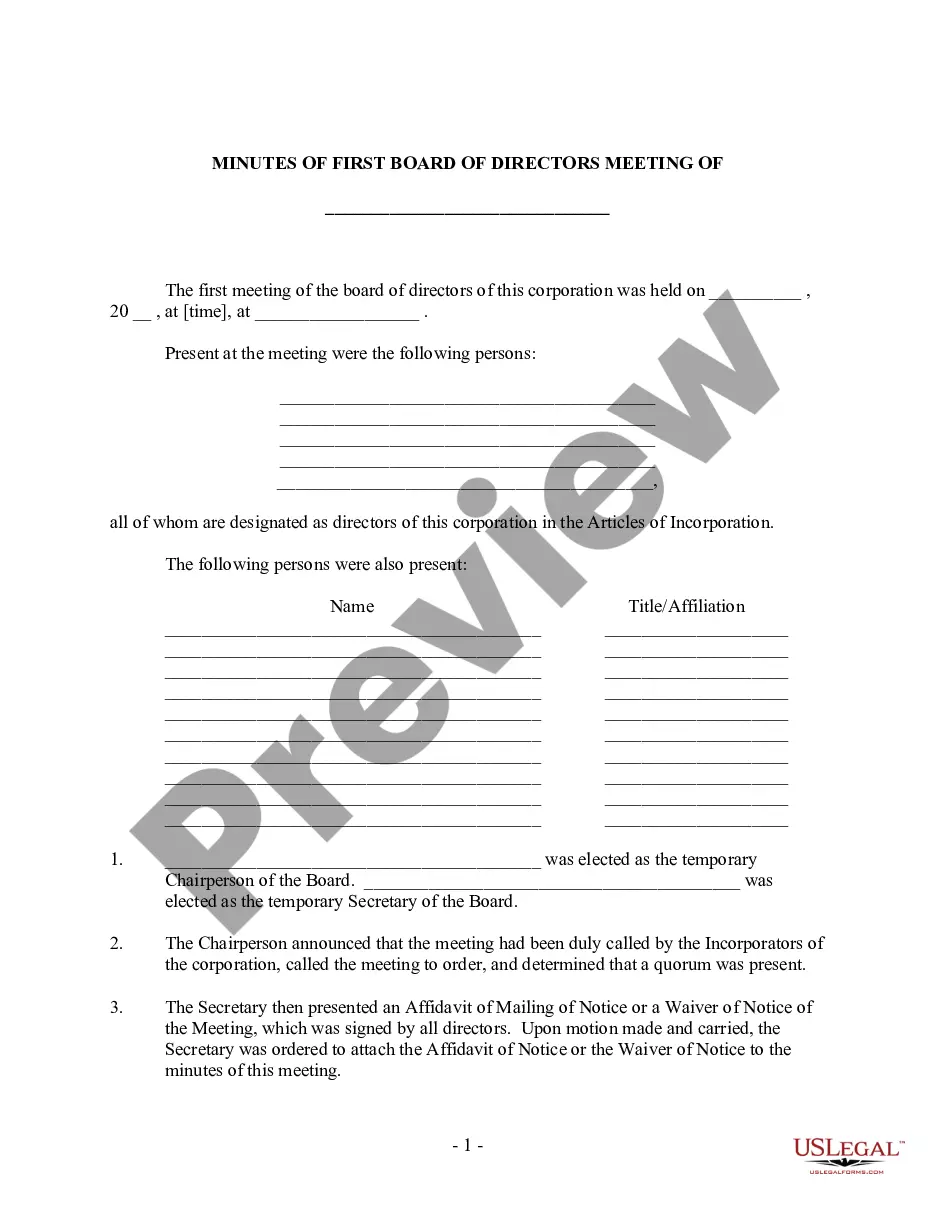
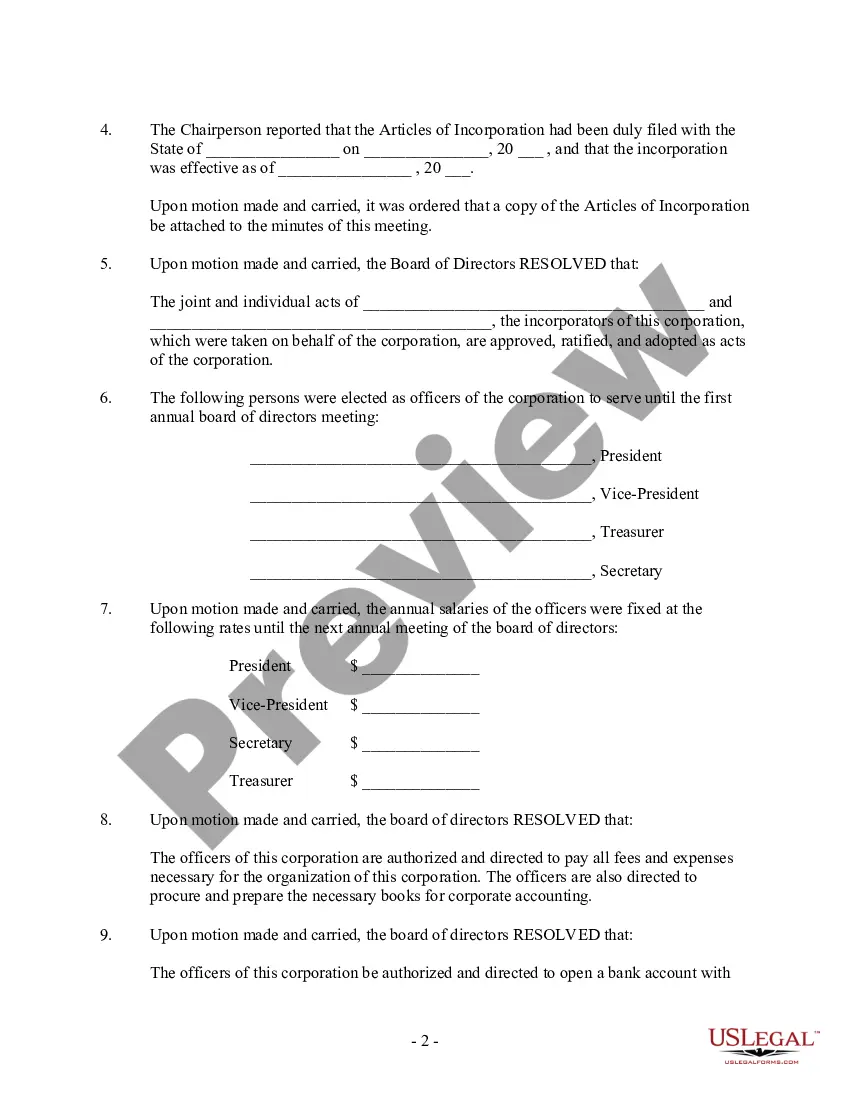
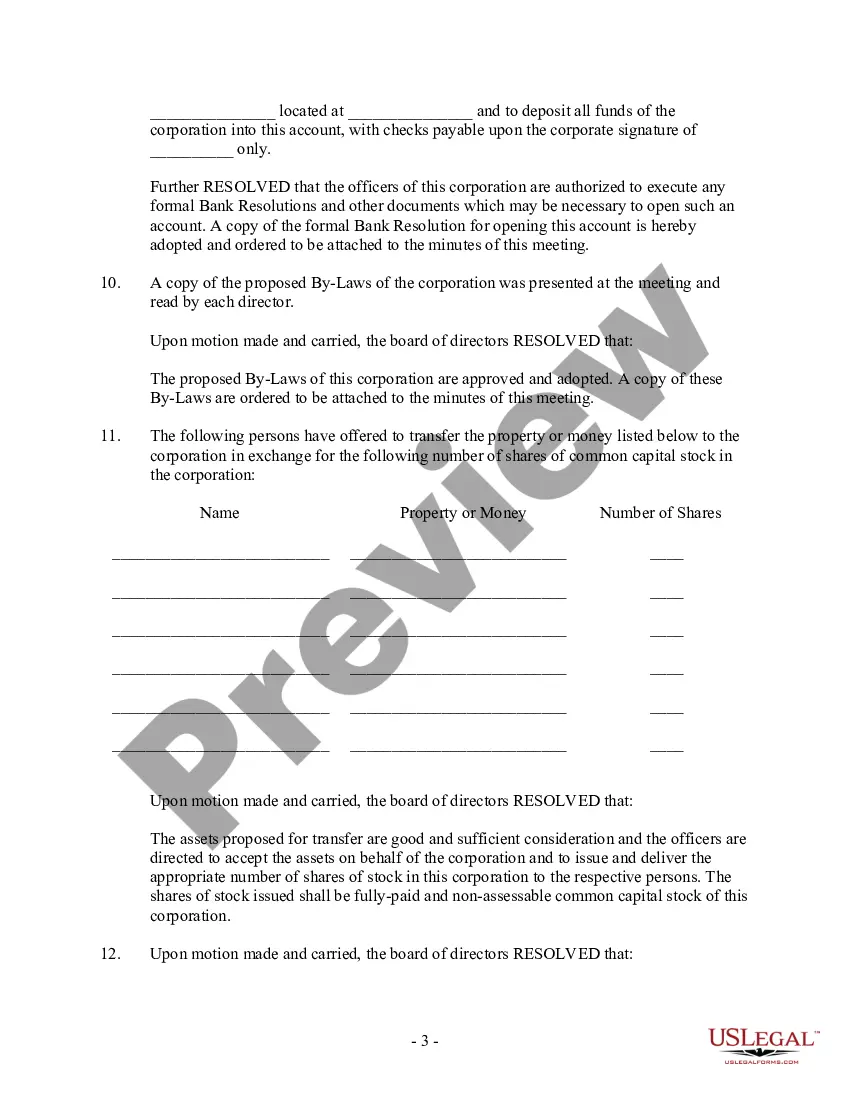
Corporate meeting minutes typically include: The meeting's date, time and location. A list of attendees and absentees, including any present board members or officers. Agenda items. Summaries of all discussion points. Details of all activities completed or agreed upon. Results of any votes or motions.
Approving the Minute Minutes do not become official until they are read and approved by formal vote. They should be read by the Secretary at the next regular meeting. The Chair then asks for corrections and additions, and calls for a vote.
Approve the minutes: Once corrections are complete, the chair asks for a motion to approve the minutes. One member makes the motion, a second member approves it, and the chair calls for a vote. The approval of meeting minutes goes through with a majority vote.
Are board meeting minutes confidential? Yes. The board should assume the minutes are confidential and, in most cases, they will remain so.
It's best practice for approving meeting minutes to have the chairperson assume the motion of meeting minute approval. To be approved, the minutes must have unanimous support from board members. Board members should not approve minutes that contain errors.
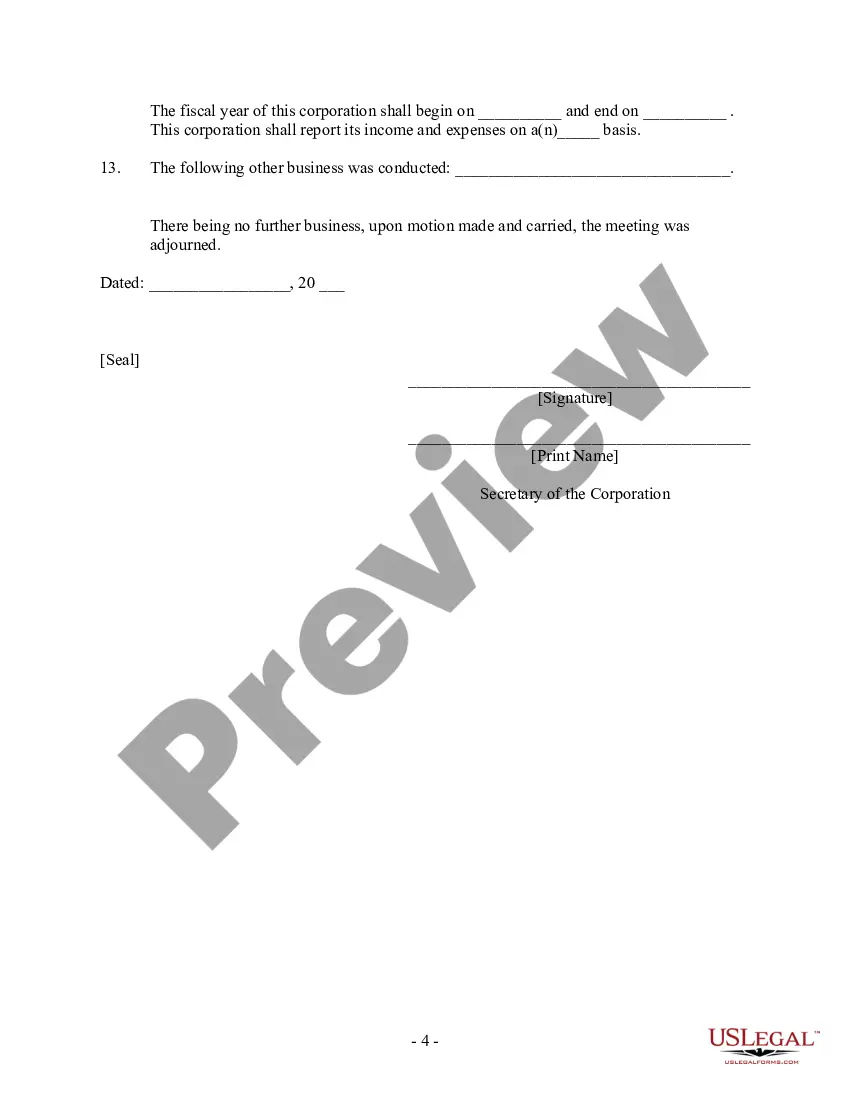
This document needs to be signed by: or another person who is authorized to take minutes and/or record official corporate action. There is no requirement that the signature be witnessed or notarized.
Many organizations require that the presiding officer and recording secretary sign the minutes once approved, she adds, so it's important to check your bylaws to ensure the proper signatures are included. The minutes should reflect what took place in motions — the action of the board, not the dialogue, says Bowie.
It's possible to approve of meeting minutes through a digital platform. Email is not an ideal method because it is not conducive to group discussion. However, if all board members review and vote to approve the minutes digitally, they can be approved digitally outside of an official or in-person board meeting.
How to Keep Meeting Minutes for an S Corporation Get a copy of the meeting agenda in advance. Write down the administrative facts of the meeting. Create an outline for your minutes based on the agenda of the meeting. Record the actions taken on the previous meeting's minutes. Record each motion and any actions taken.
Meeting minutes are the written record of what was discussed and decided during a meeting. They typically include the date and time of the meeting, a list of attendees, a summary of the topics discussed, decisions made, action items assigned, and the time of adjournment.