Board Meeting Corporate Forum In Dallas
Description
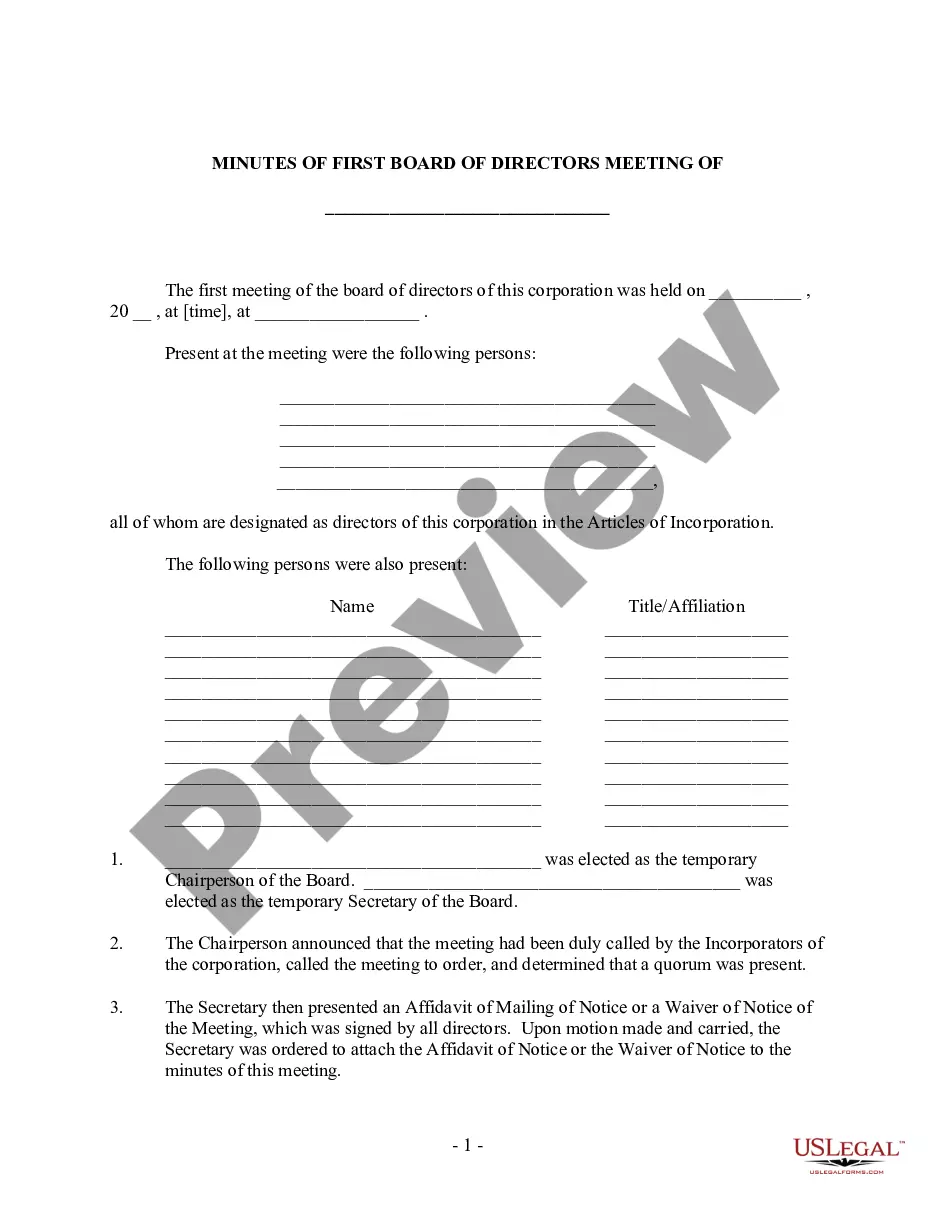
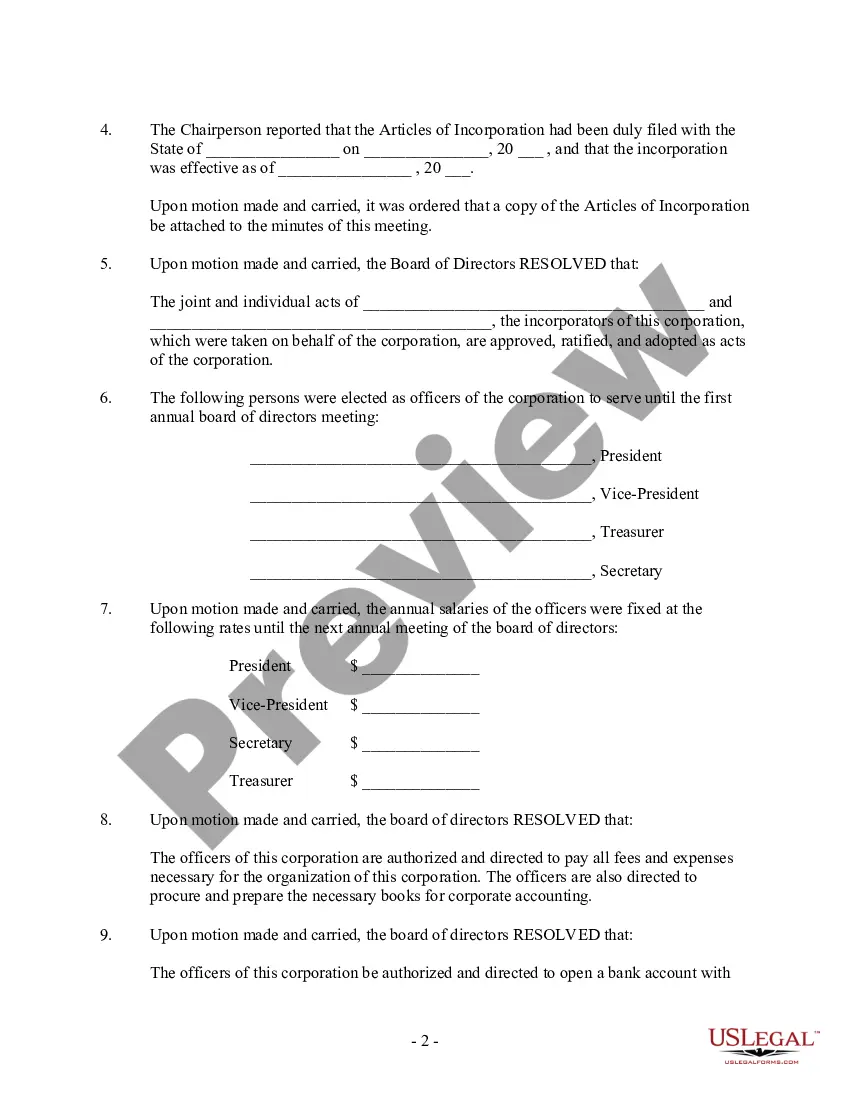
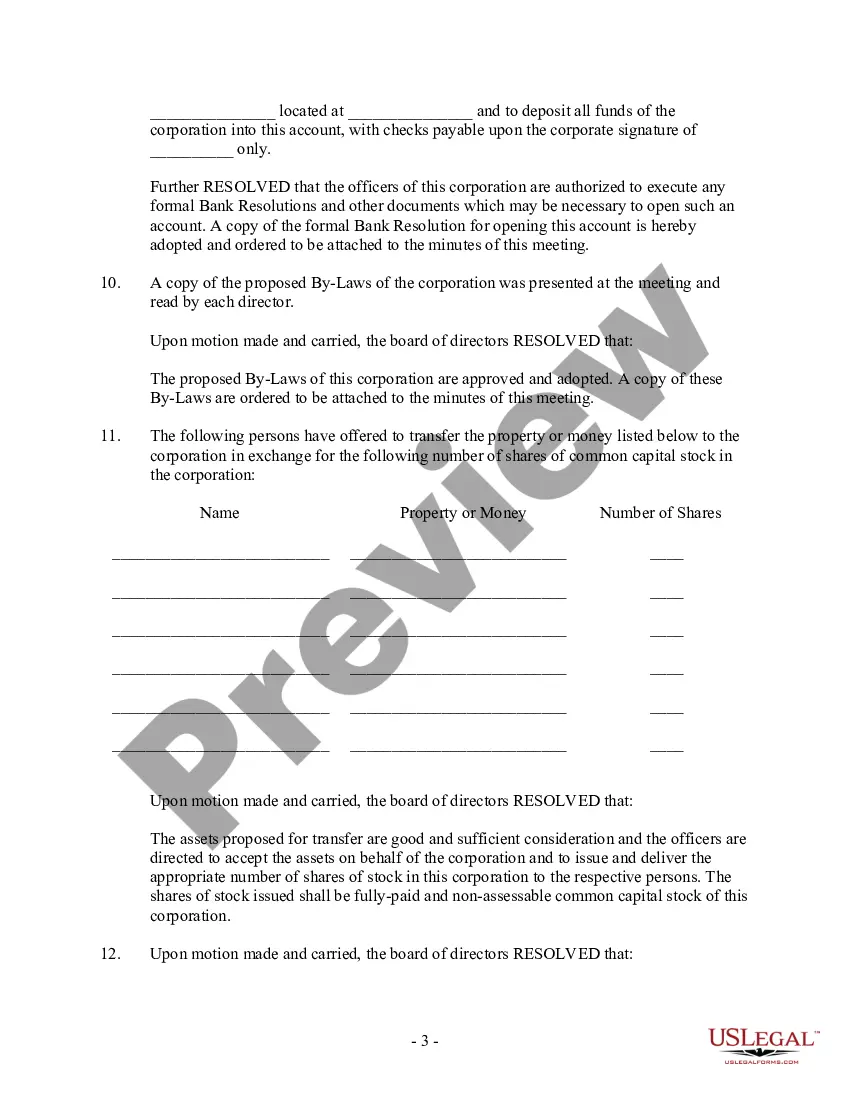
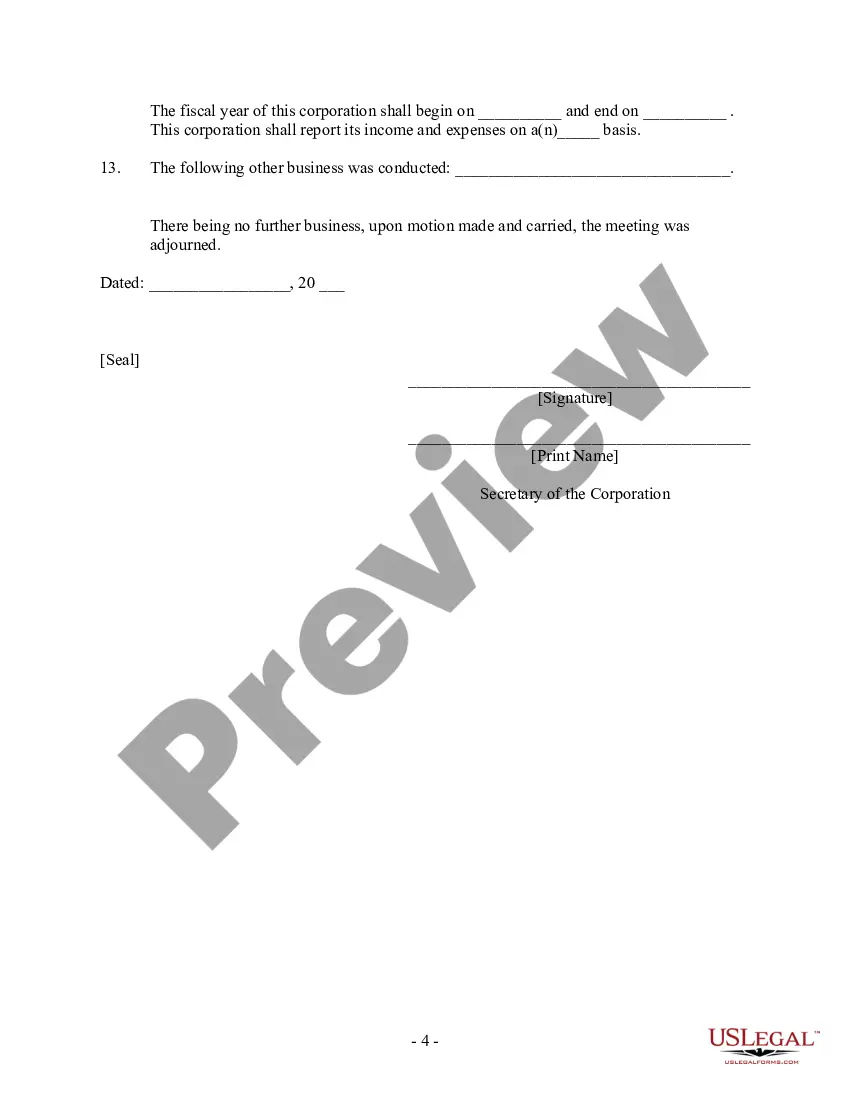
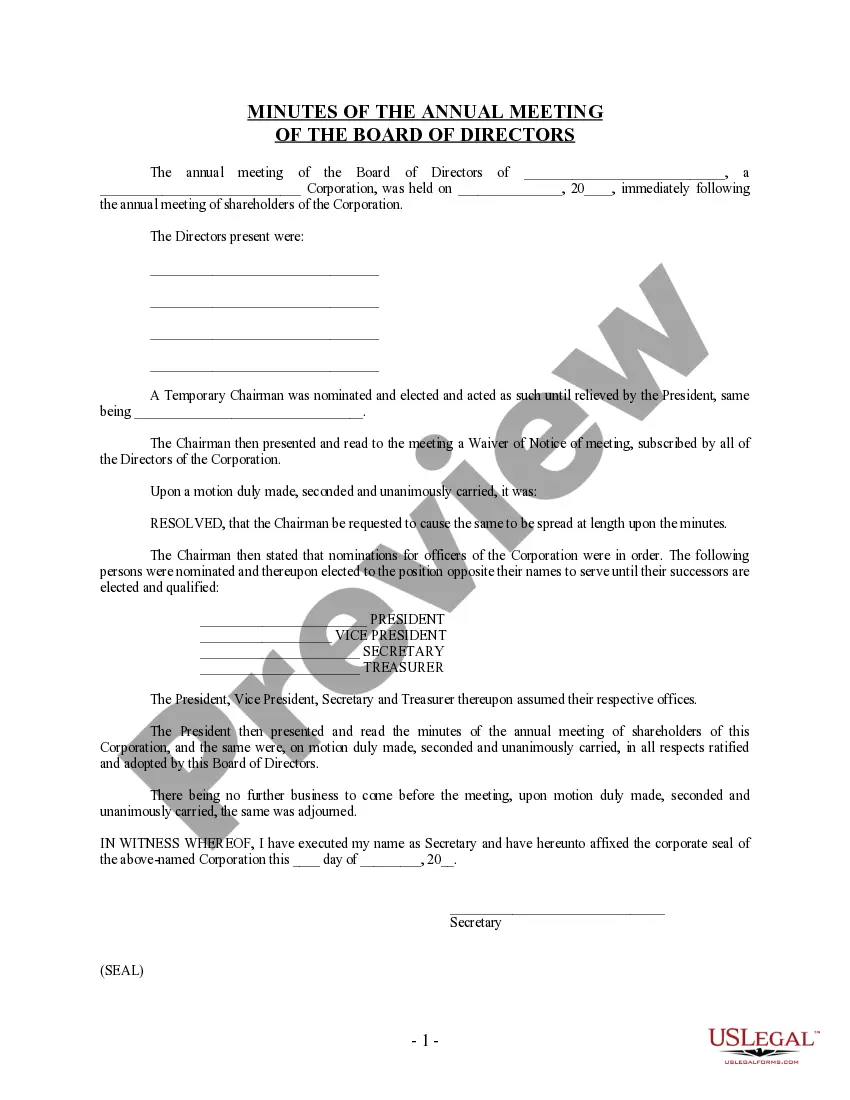
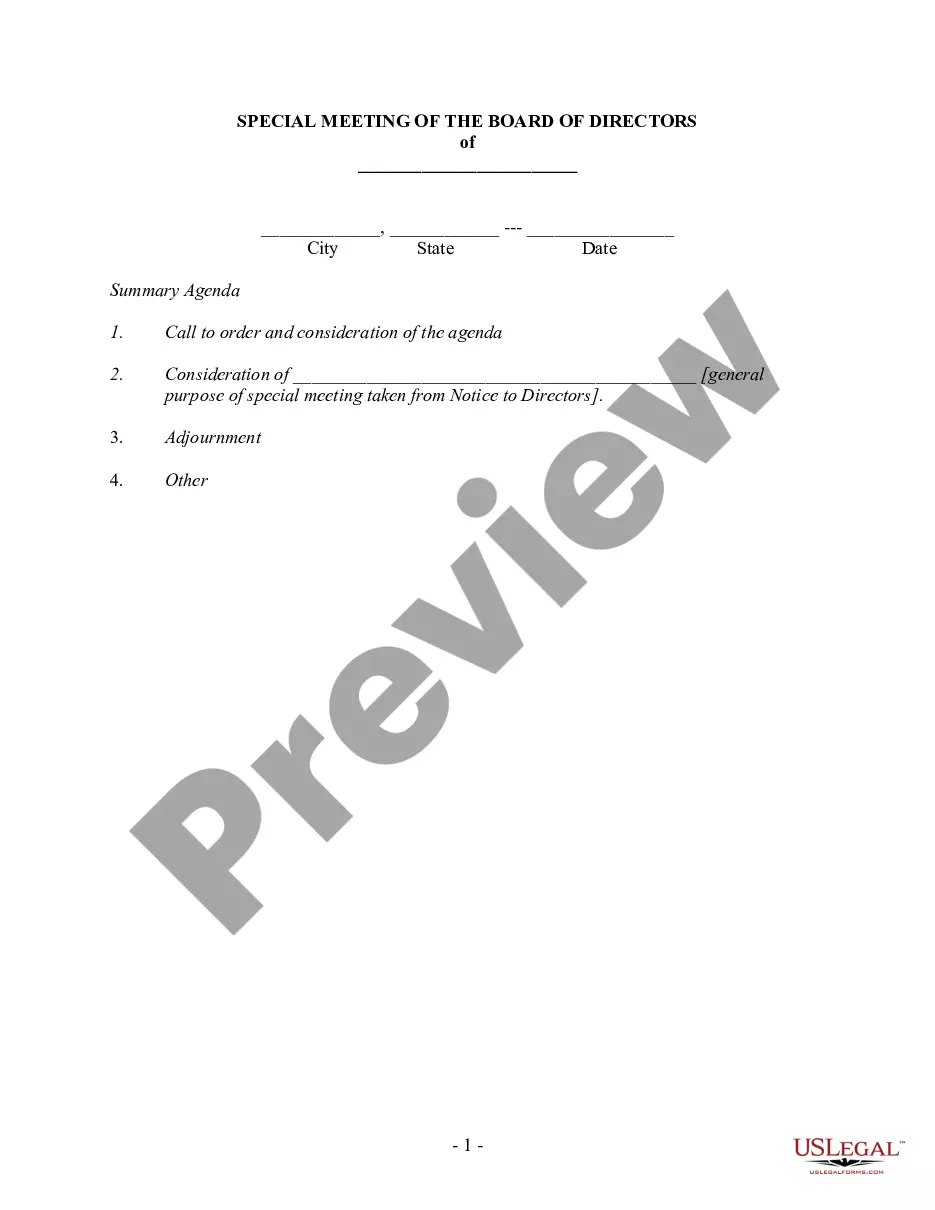
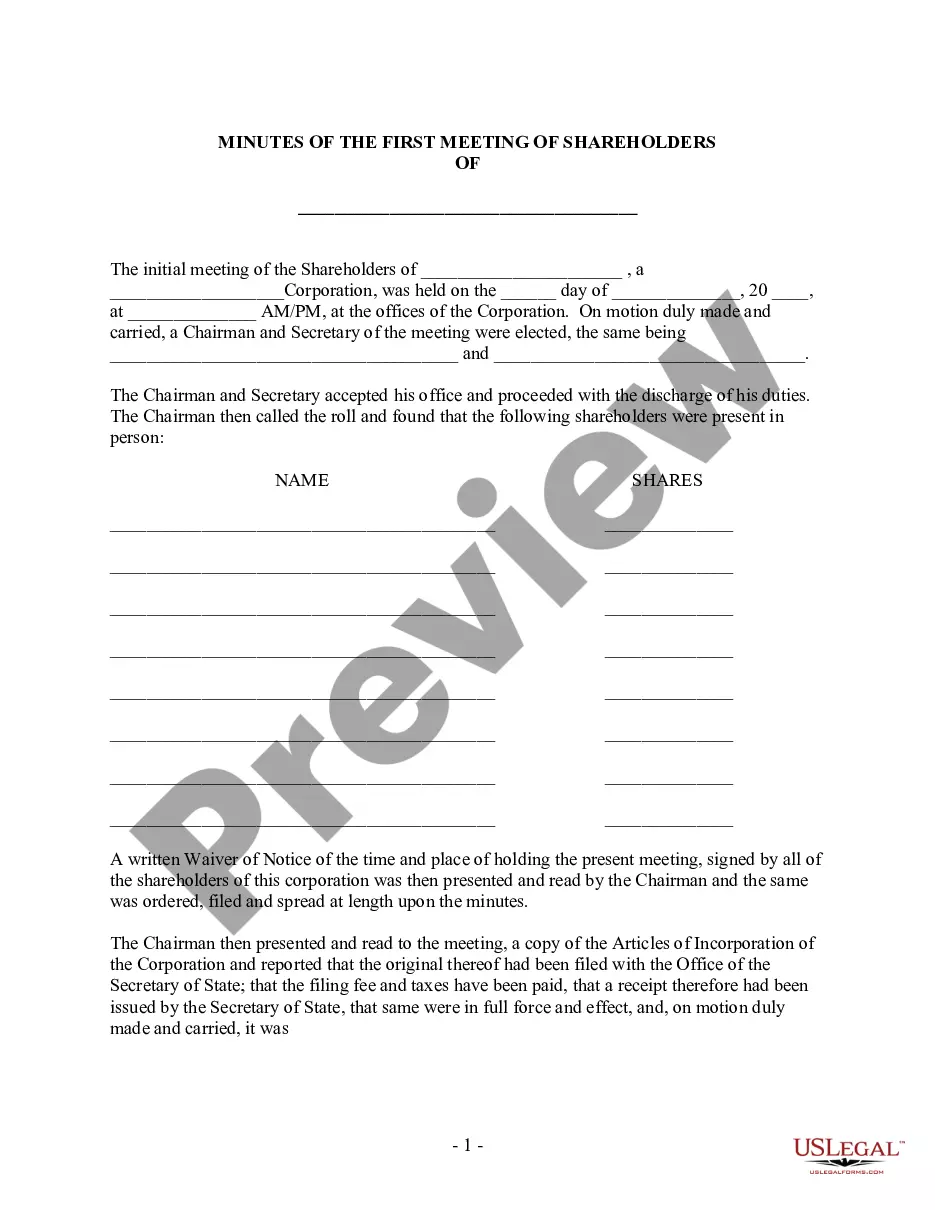
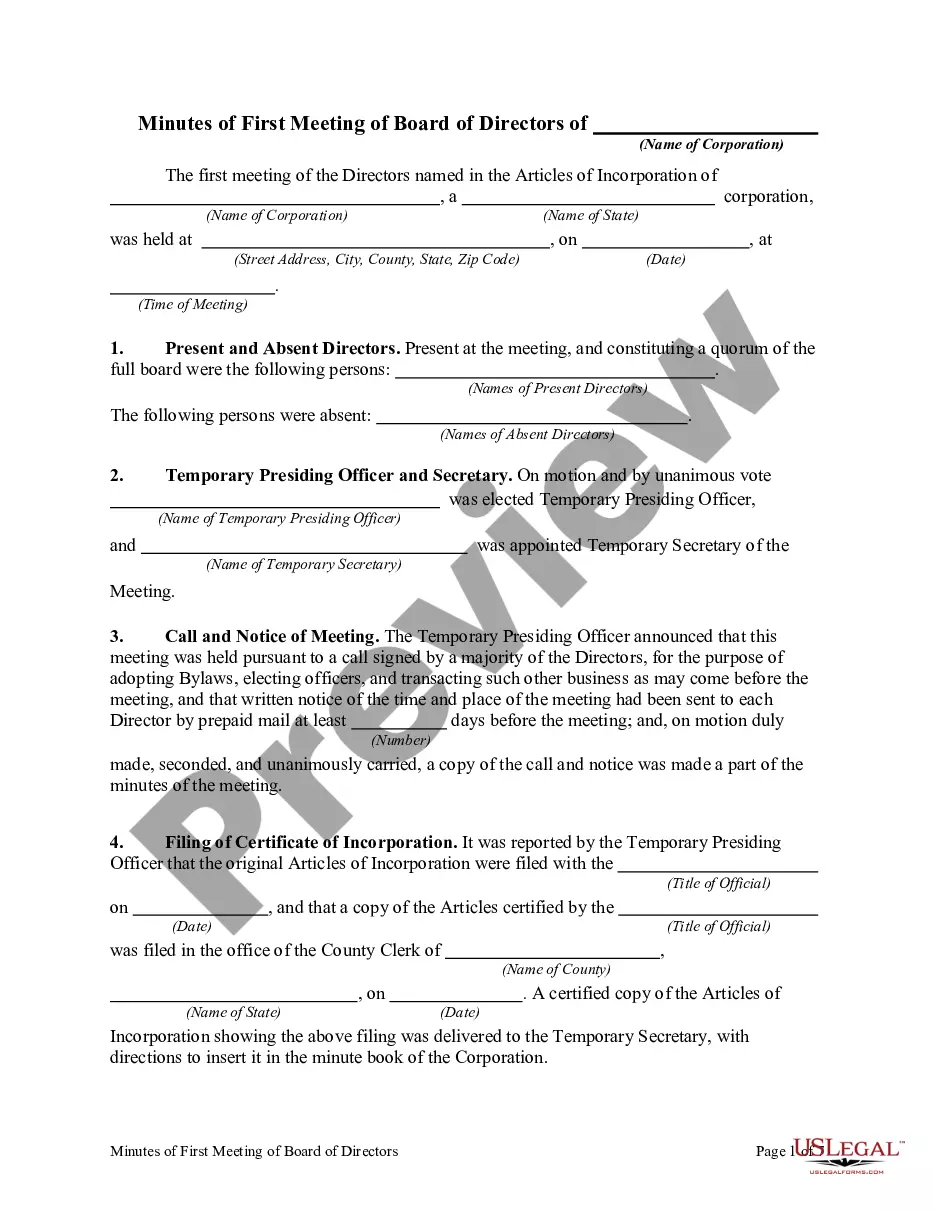
Get your form ready online
Our built-in tools help you complete, sign, share, and store your documents in one place.
Make edits, fill in missing information, and update formatting in US Legal Forms—just like you would in MS Word.
Download a copy, print it, send it by email, or mail it via USPS—whatever works best for your next step.
Sign and collect signatures with our SignNow integration. Send to multiple recipients, set reminders, and more. Go Premium to unlock E-Sign.
If this form requires notarization, complete it online through a secure video call—no need to meet a notary in person or wait for an appointment.
We protect your documents and personal data by following strict security and privacy standards.

Make edits, fill in missing information, and update formatting in US Legal Forms—just like you would in MS Word.

Download a copy, print it, send it by email, or mail it via USPS—whatever works best for your next step.

Sign and collect signatures with our SignNow integration. Send to multiple recipients, set reminders, and more. Go Premium to unlock E-Sign.

If this form requires notarization, complete it online through a secure video call—no need to meet a notary in person or wait for an appointment.

We protect your documents and personal data by following strict security and privacy standards.
Looking for another form?
Form popularity
FAQ
All meetings must be properly posted, discussion is limited to posted agenda items, minutes must be kept, and certain rules must be followed when holding an executive session. A member must be present at a meeting in order to deliberate and to vote. The member may not vote by proxy.
Best practices of running a board meeting script: 12 steps to include Craft the agenda. The agenda is a meeting plan. Create the board pack. Distribute pre-meeting materials. Start a meeting properly. Recognize a quorum. Call the meeting to order. Approve agenda and minutes. Encourage communication and reports.
The public notice must state that a filing is being made; the date (or expected date) of the filing; sufficient information describing the proposed transaction, and other related information required by the Finance Code, Title 3, Subtitle A or G, this chapter, or another rule adopted pursuant to the Finance Code.
Starting the Meeting: ``Good (morning/afternoon), everyone. Thank you for joining us today. I'd like to welcome you to this meeting. Our agenda includes (briefly outline the agenda items). Let's begin with our first topic.''
551.043. TIME AND ACCESSIBILITY OF NOTICE; GENERAL RULE. (a) The notice of a meeting of a governmental body must be posted in a place readily accessible to the general public at all times for at least 72 hours before the scheduled time of the meeting, except as provided by Sections 551.044-551.046.
The public hearing must be held at least five days after the date notice of public hearing is given. This hearing must be held on a weekday that is not a public holiday and must take place in a public building inside the taxing unit's boundaries or a suitable building to which the public have normal access.
Notices must be posted and accessible to the public for at least 72 hours prior to the meeting. The Act also requires a city, county, school district, or sales tax economic development corporations publish a notice of its meetings on its Internet website.
Board meeting preparation: Key steps for success Step one: Scheduling. Step two: Outcomes. Step three: The Agenda. Step four: Gathering materials. Step five: Preparation and asynchronous communication. Step six: The minutes.
The following steps to running a board meeting are: Recognizing a quorum. Calling the meeting to order. Approving the agenda and minutes. Allowing for communication and reports. Addressing old/new/other business. Closing the meeting.
profit looking for a better way to schedule board meetings needs to keep in mind only 3 simple steps. Work within a date range that works for the organization's calendar. Work within days/times that works for board members' calendars. Make the final decision quickly and stick with it.