Acta Directorio Formato In Cuyahoga
Description

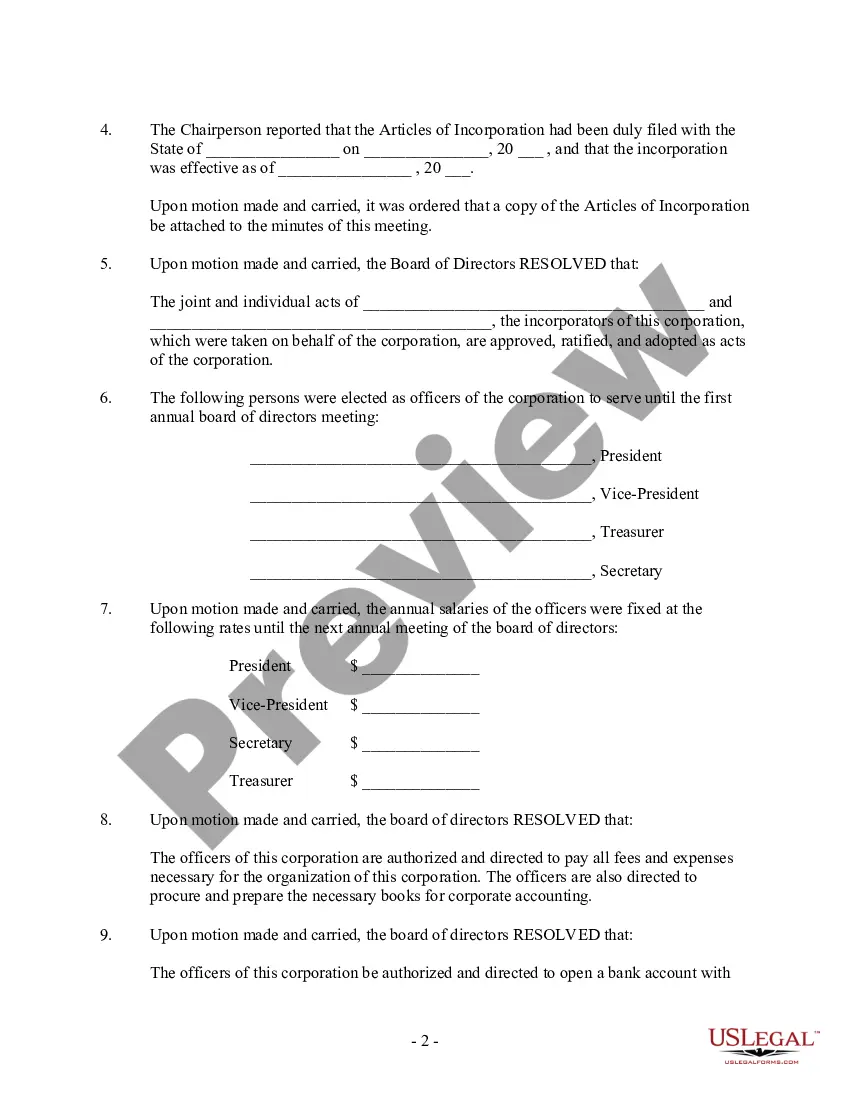
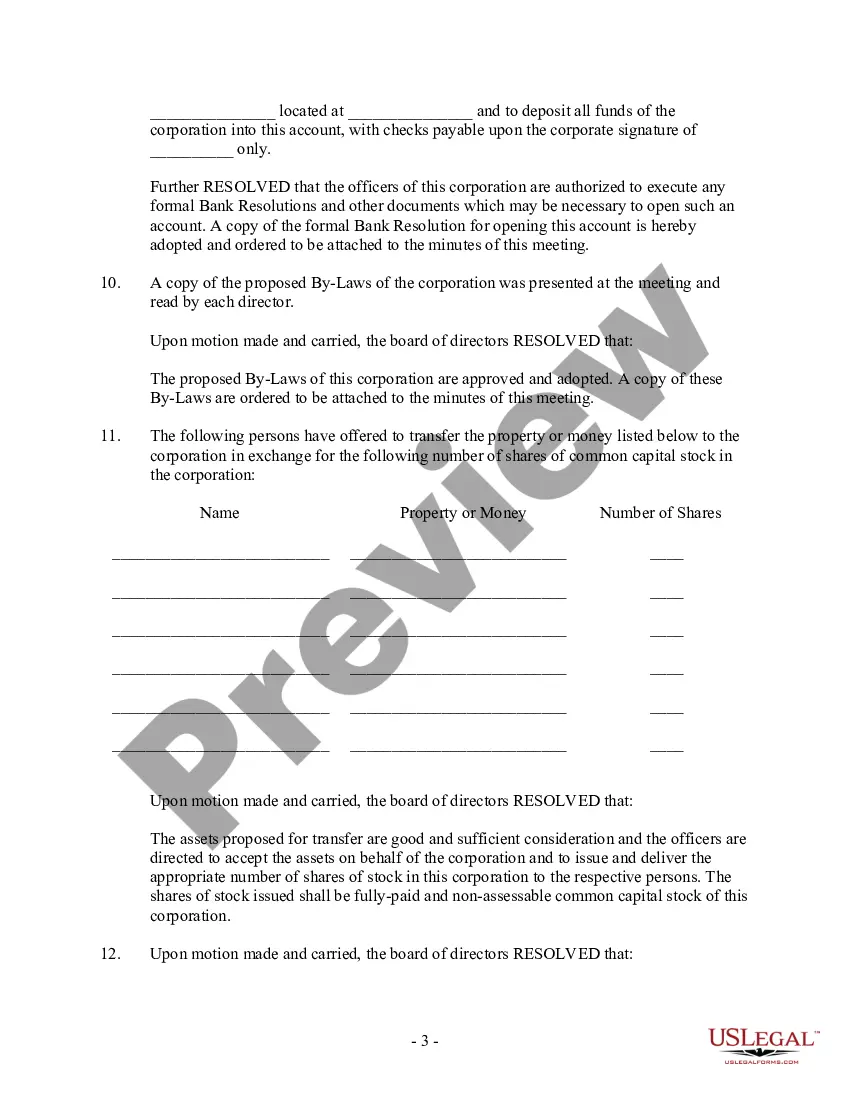
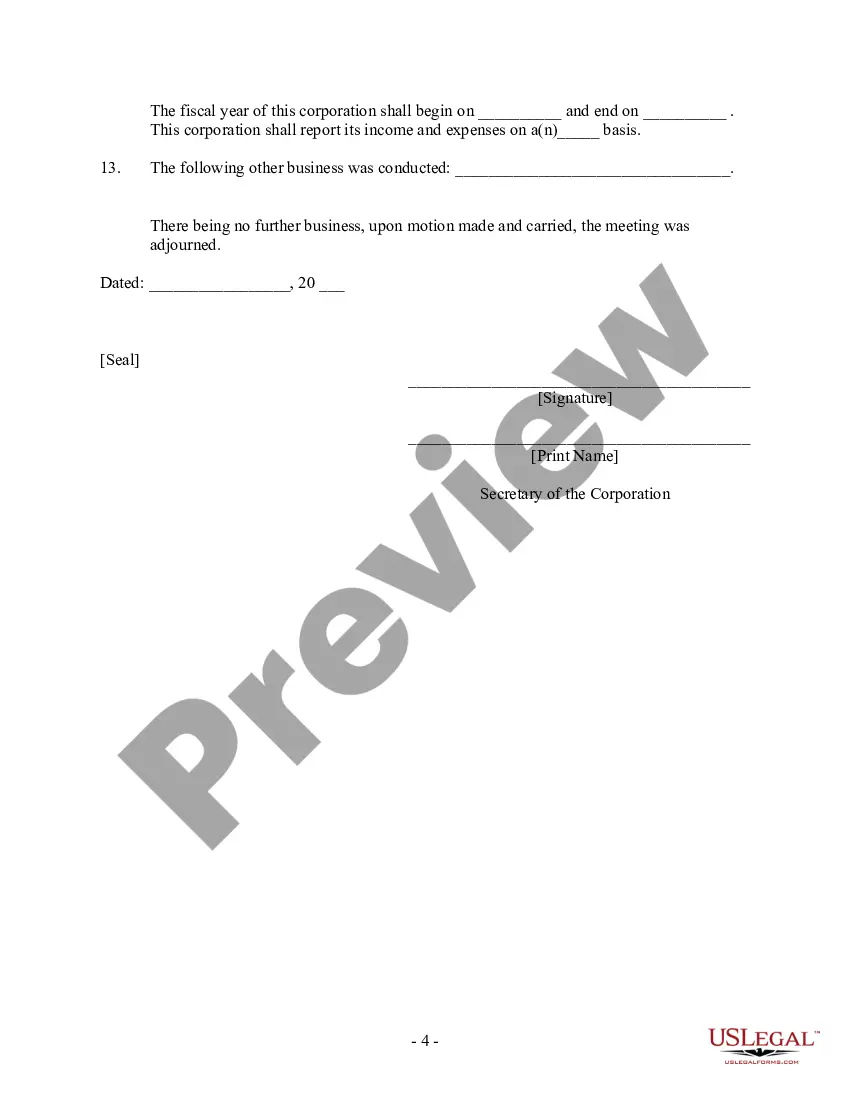

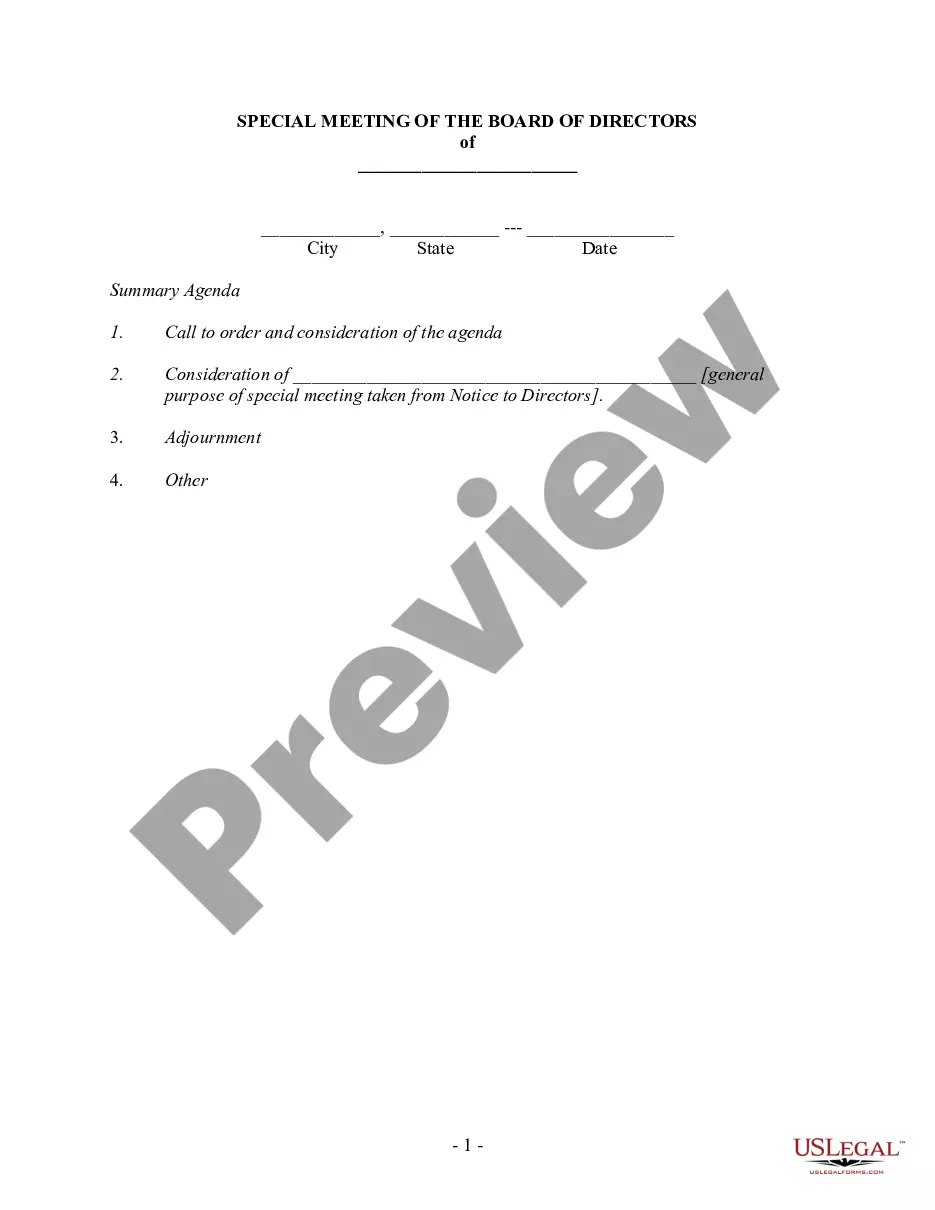
Get your form ready online
Our built-in tools help you complete, sign, share, and store your documents in one place.
Make edits, fill in missing information, and update formatting in US Legal Forms—just like you would in MS Word.
Download a copy, print it, send it by email, or mail it via USPS—whatever works best for your next step.
Sign and collect signatures with our SignNow integration. Send to multiple recipients, set reminders, and more. Go Premium to unlock E-Sign.
If this form requires notarization, complete it online through a secure video call—no need to meet a notary in person or wait for an appointment.
We protect your documents and personal data by following strict security and privacy standards.

Make edits, fill in missing information, and update formatting in US Legal Forms—just like you would in MS Word.

Download a copy, print it, send it by email, or mail it via USPS—whatever works best for your next step.

Sign and collect signatures with our SignNow integration. Send to multiple recipients, set reminders, and more. Go Premium to unlock E-Sign.

If this form requires notarization, complete it online through a secure video call—no need to meet a notary in person or wait for an appointment.

We protect your documents and personal data by following strict security and privacy standards.
Looking for another form?









Form popularity
FAQ
Ohio law permits an adult to apply to the Probate Court for a name change. The filing must be made in person. After the filing of the paperwork the Court will set a hearing date, generally 60 days after the filing.
You must bring an ORIGINAL or CERTIFIED copy of the following name change documents to make that connection: Original or Certified Copy of a Marriage Certificate or Marriage License. Certified Copy of a Decree of Divorce, Dissolution, or Annulment of Marriage. Certified Copy of a Court Ordered Name Change.
Application must include a statement of the guardian's willingness to perform as guardian, a bond as required by law, and, in the case of a prospective incompetent ward, a statement of the ward's mental and physical condition from a treating physician, psychiatrist, or licensed psychologist.
Gather your identification and supporting documents. The court will also ask for any available proof of your reason for the name change. Proof of your reason could include documents like a marriage certificate, divorce decree or signed statement from your gender-specialist doctor.
