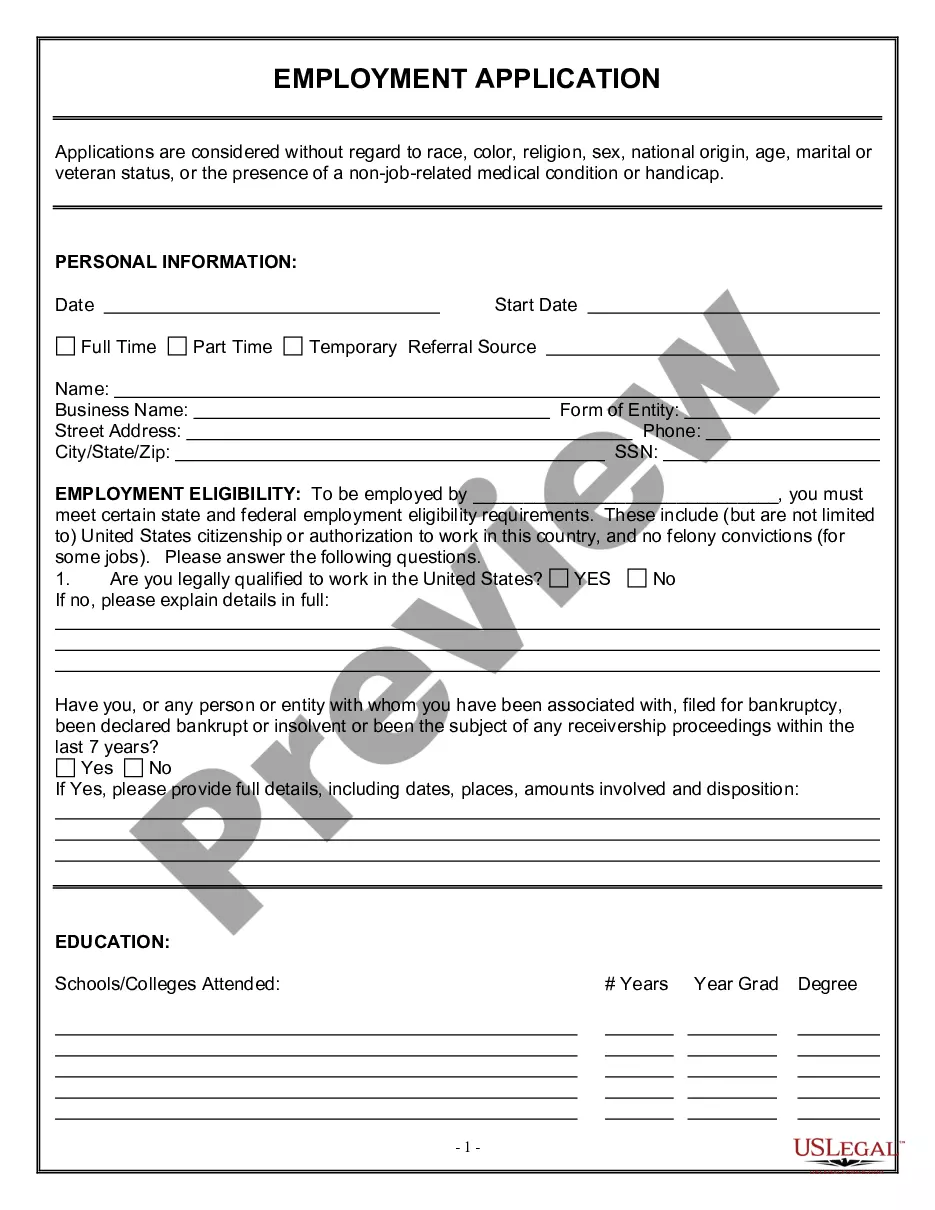
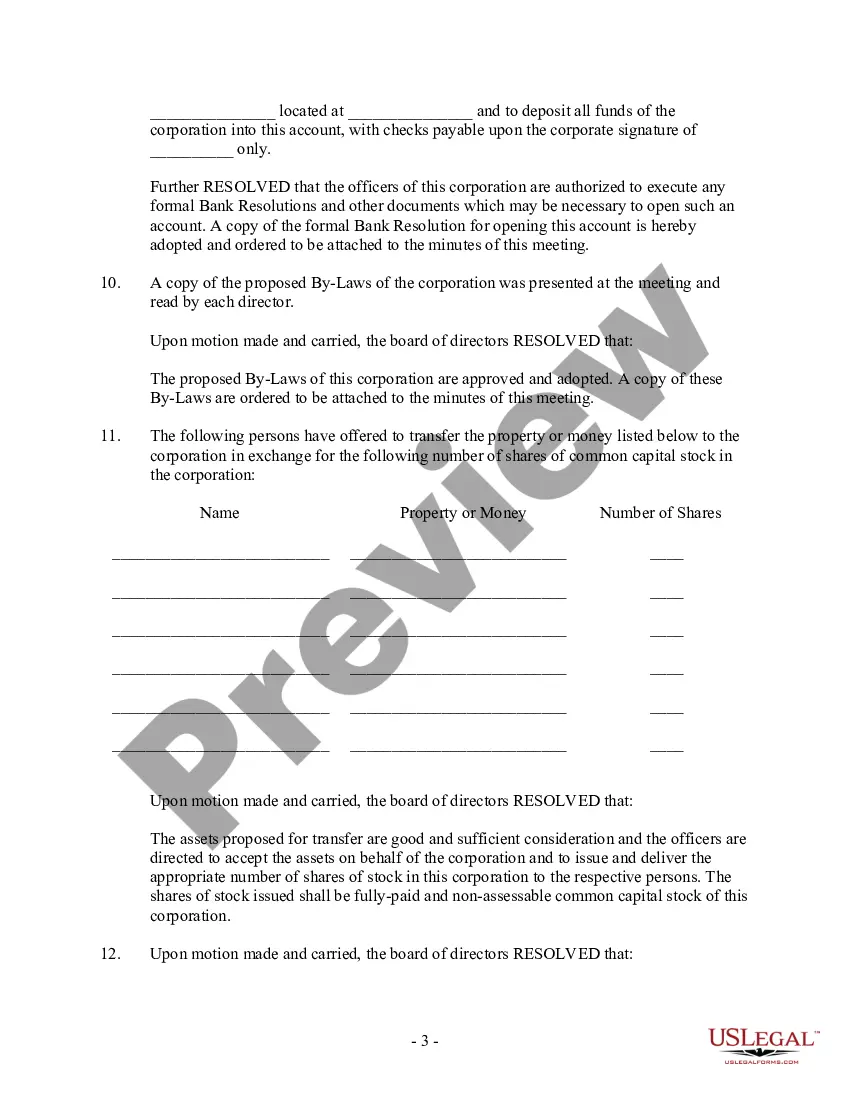
Acta Directorio Withdrawn In Cook
Description


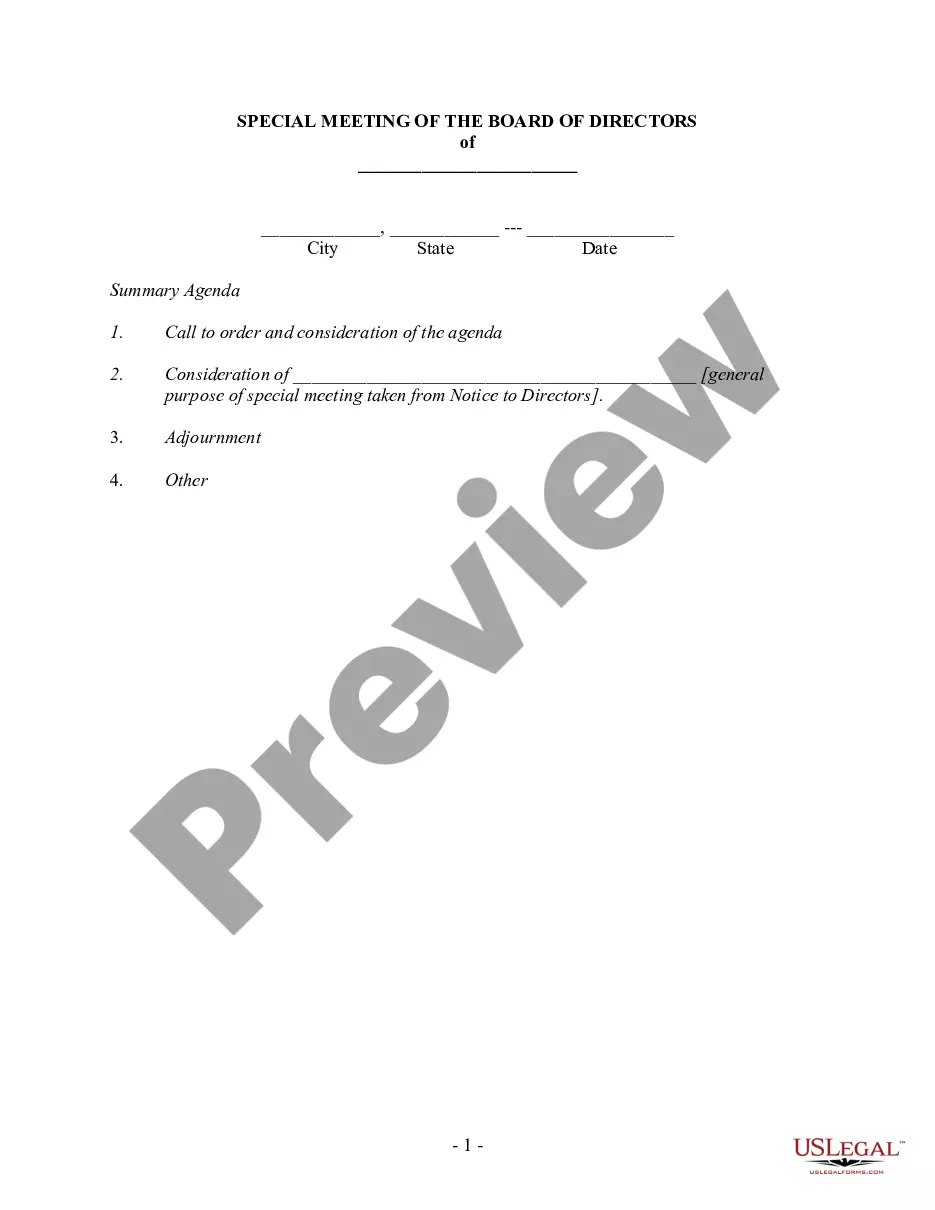
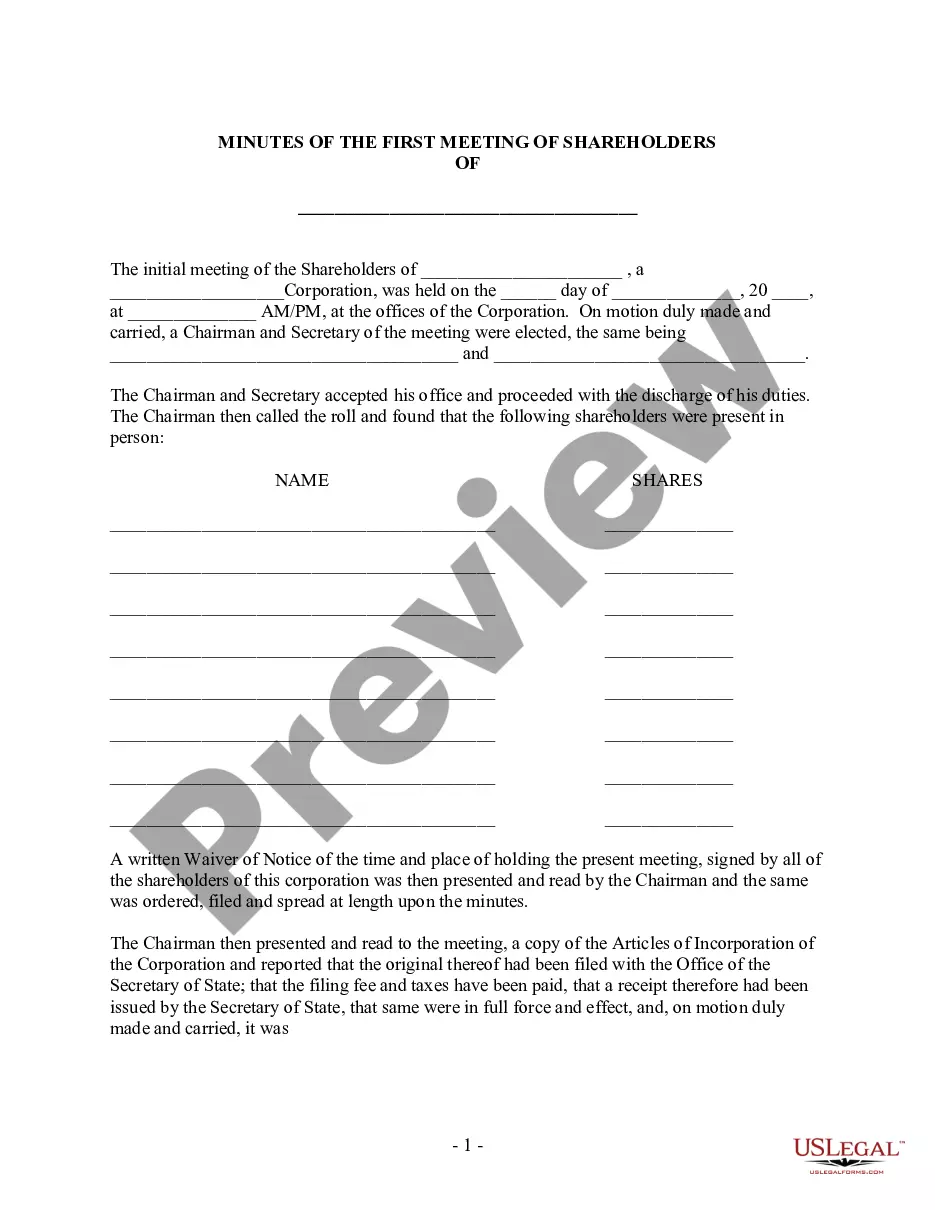
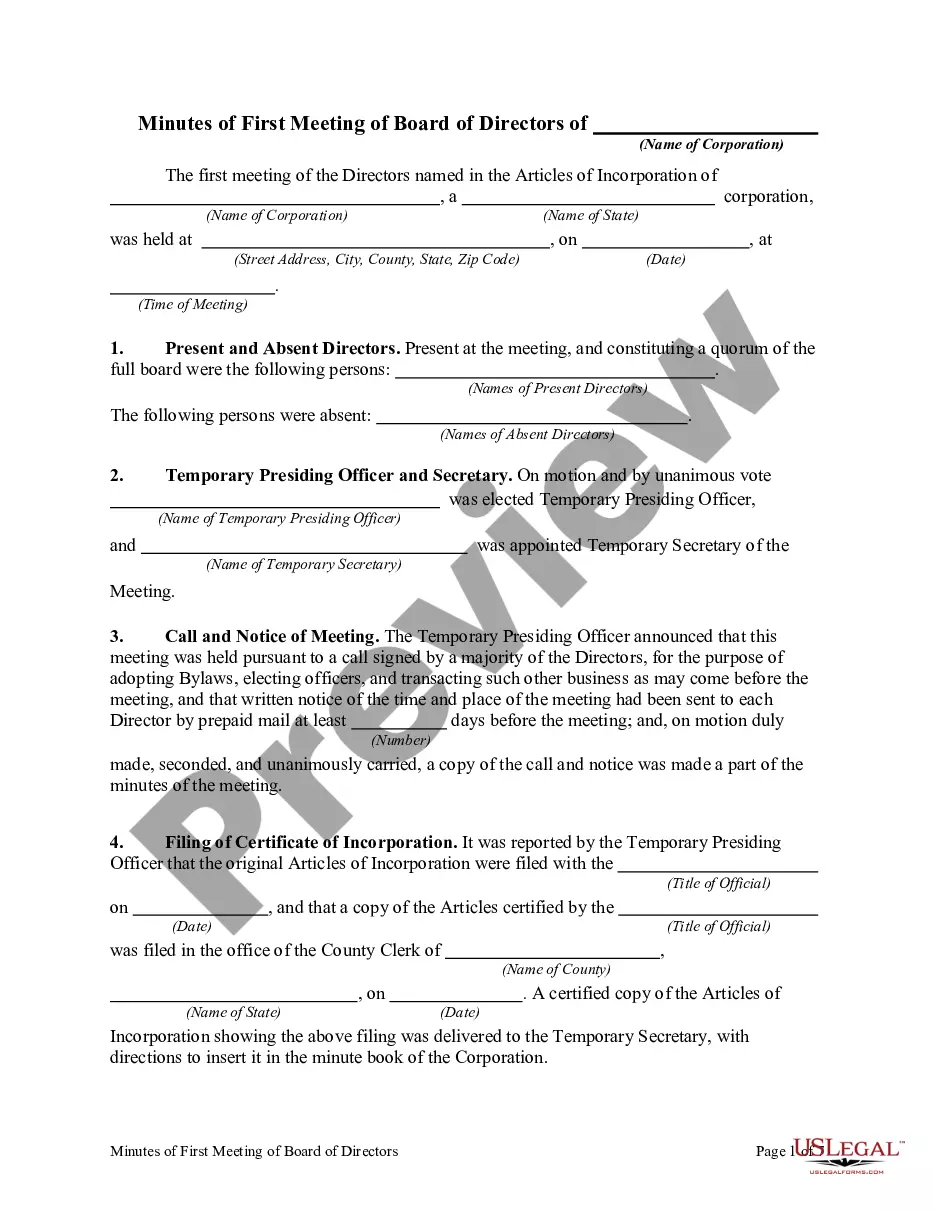
Get your form ready online
Our built-in tools help you complete, sign, share, and store your documents in one place.
Make edits, fill in missing information, and update formatting in US Legal Forms—just like you would in MS Word.
Download a copy, print it, send it by email, or mail it via USPS—whatever works best for your next step.
Sign and collect signatures with our SignNow integration. Send to multiple recipients, set reminders, and more. Go Premium to unlock E-Sign.
If this form requires notarization, complete it online through a secure video call—no need to meet a notary in person or wait for an appointment.
We protect your documents and personal data by following strict security and privacy standards.

Make edits, fill in missing information, and update formatting in US Legal Forms—just like you would in MS Word.

Download a copy, print it, send it by email, or mail it via USPS—whatever works best for your next step.

Sign and collect signatures with our SignNow integration. Send to multiple recipients, set reminders, and more. Go Premium to unlock E-Sign.

If this form requires notarization, complete it online through a secure video call—no need to meet a notary in person or wait for an appointment.

We protect your documents and personal data by following strict security and privacy standards.
Looking for another form?
Form popularity
FAQ
— RRU, the Regulatory Review Unit within the Division of the Budget receives and reviews rule makings along with the Executive Chamber.
The New York State Administrative Procedure Act (SAPA) governs the adoption of rules and regulations that affect the public generally. At the campus level, SAPA covers traffic and parking regulations and supplemental rules for maintenance of public order adopted by campus councils.
What statement best describes the Administrative Procedure Act? The Administrative Procedure Act requires agencies to create opportunities for the public to comment on proposed rules and regulations before implementing them.
(The Office of Court Administration and the Judiciary are exempt from SAPA requirements requiring proposal review notices in the State Register.) Comments will be received and considered, and changes to the proposed rule may be made.
The APA requires that the notice of proposed rulemaking include "(1) the time, place, and nature of public rulemaking proceedings; (2) reference to the legal authority under which the rule is proposed; and (3) either the terms or substance of the proposed rule or a description of the subjects and issues involved."11 ...
The Administrative Procedure Act (APA) governs the process by which federal agencies develop and issue regulations. It includes requirements for publishing notices of proposed and final rulemaking in the Federal Register, and provides opportunities for the public to comment on notices of proposed rulemaking.
(The Office of Court Administration and the Judiciary are exempt from SAPA requirements requiring proposal review notices in the State Register.) Comments will be received and considered, and changes to the proposed rule may be made.
In California, an attorney is required to file a notice of appearance in court in order to represent a party in a lawsuit. This notice informs the court and all parties involved that the attorney will be representing the party and should be the primary point of contact for all legal matters related to the case.