Board Meeting Corporate Format In California
Description


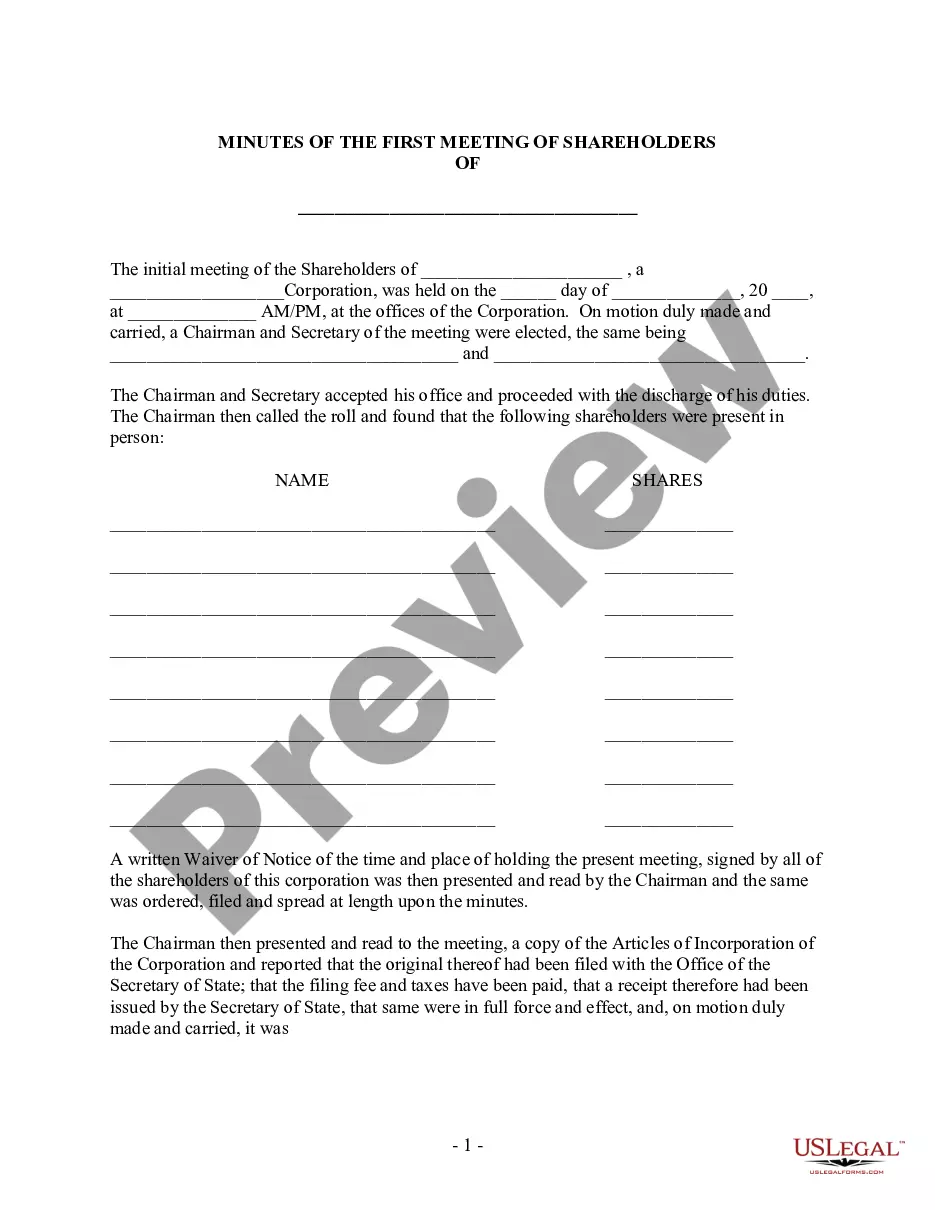
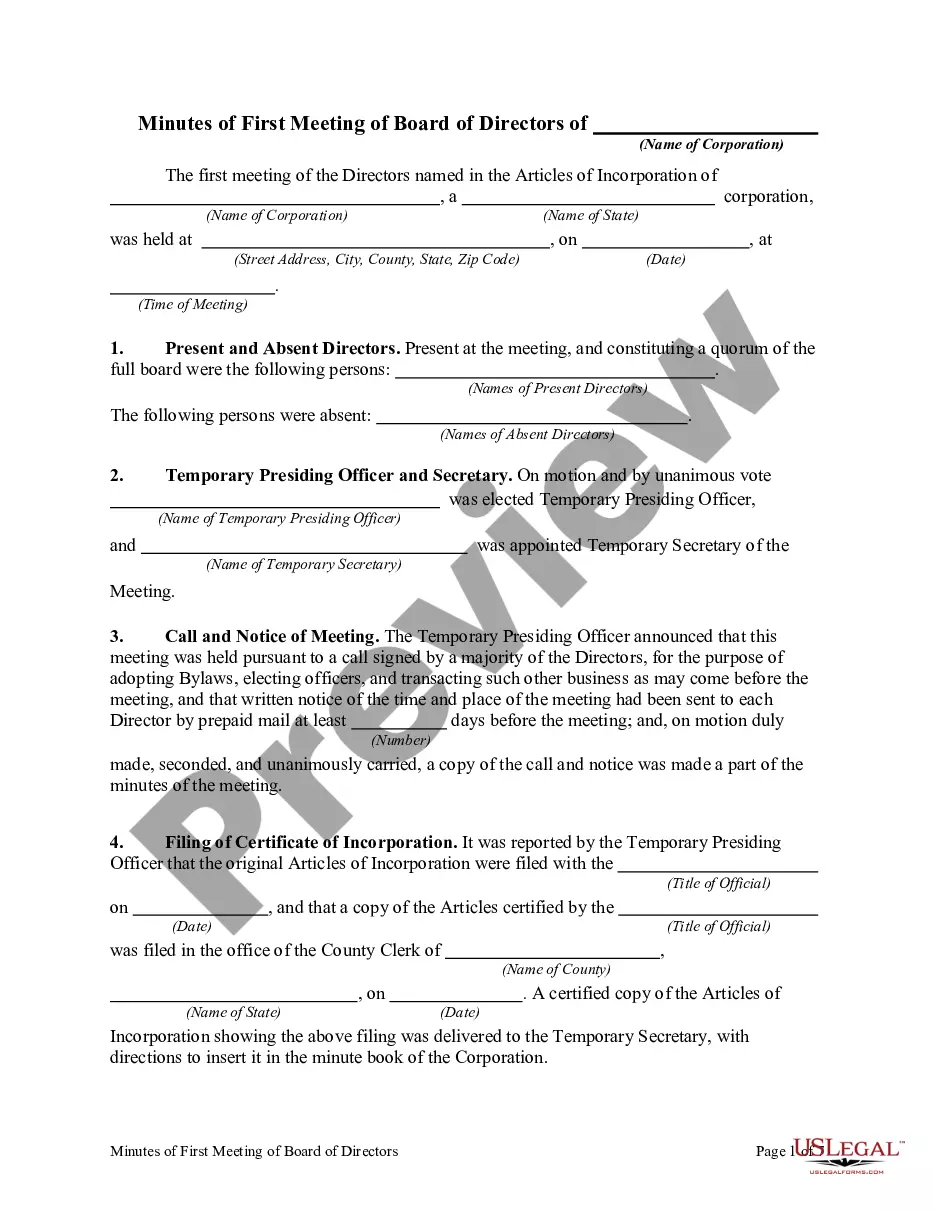
Get your form ready online
Our built-in tools help you complete, sign, share, and store your documents in one place.
Make edits, fill in missing information, and update formatting in US Legal Forms—just like you would in MS Word.
Download a copy, print it, send it by email, or mail it via USPS—whatever works best for your next step.
Sign and collect signatures with our SignNow integration. Send to multiple recipients, set reminders, and more. Go Premium to unlock E-Sign.
If this form requires notarization, complete it online through a secure video call—no need to meet a notary in person or wait for an appointment.
We protect your documents and personal data by following strict security and privacy standards.

Make edits, fill in missing information, and update formatting in US Legal Forms—just like you would in MS Word.

Download a copy, print it, send it by email, or mail it via USPS—whatever works best for your next step.

Sign and collect signatures with our SignNow integration. Send to multiple recipients, set reminders, and more. Go Premium to unlock E-Sign.

If this form requires notarization, complete it online through a secure video call—no need to meet a notary in person or wait for an appointment.

We protect your documents and personal data by following strict security and privacy standards.
Looking for another form?

Form popularity
FAQ
The agenda should include the meeting's goal, a list of topics to be discussed with their purposes, time allocations, and assigned facilitators. This structure provides a clear roadmap for the meeting, ensuring that all important points are covered. Share the agenda with all participants well in advance of the meeting.
In essence, a formal meeting has a structured schedule and agenda with set protocols and an official notetaker. An informal meeting has a looser agenda and fewer protocols. In general, formal meetings tend to focus on one or a few key speakers, with attendees playing a more passive role.
Formal meetings are organised to a high degree. They are pre-scheduled – sometimes up to a year ahead! The agenda is set in high detail, including space for specific votes and resolutions. This means you should distribute relevant documents so members have time to prepare.
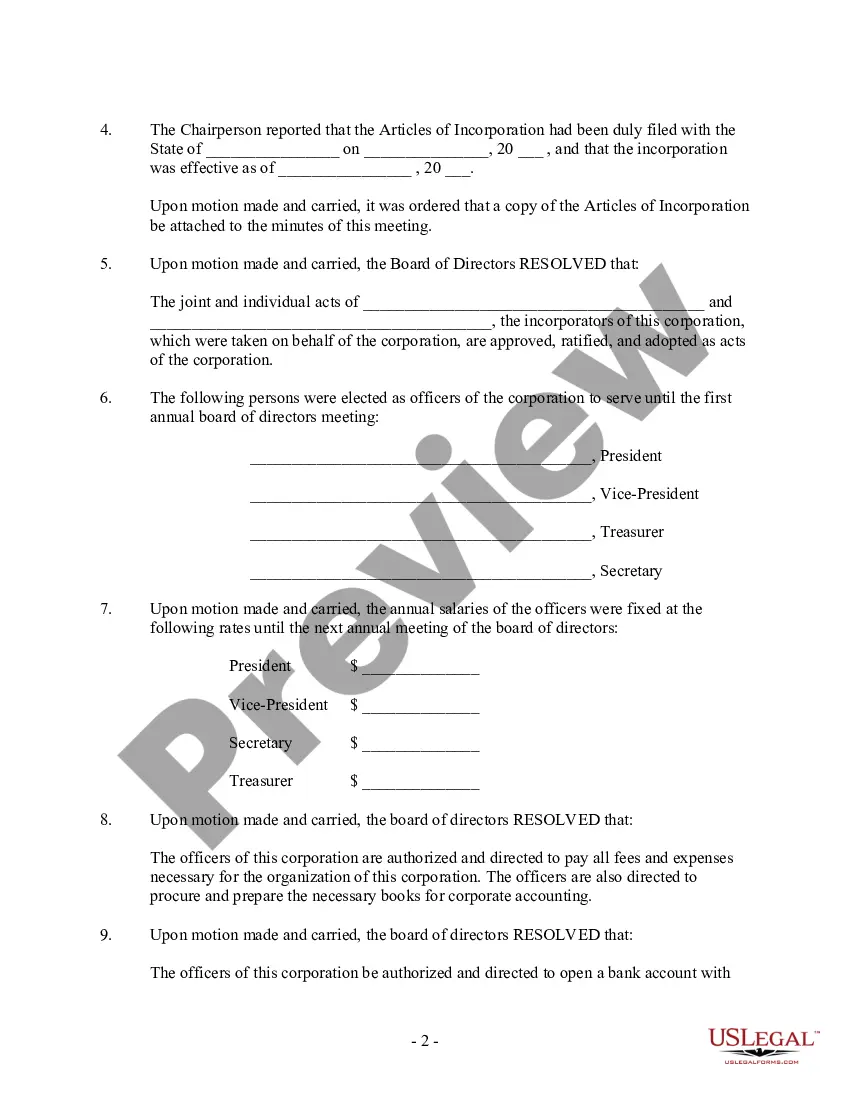
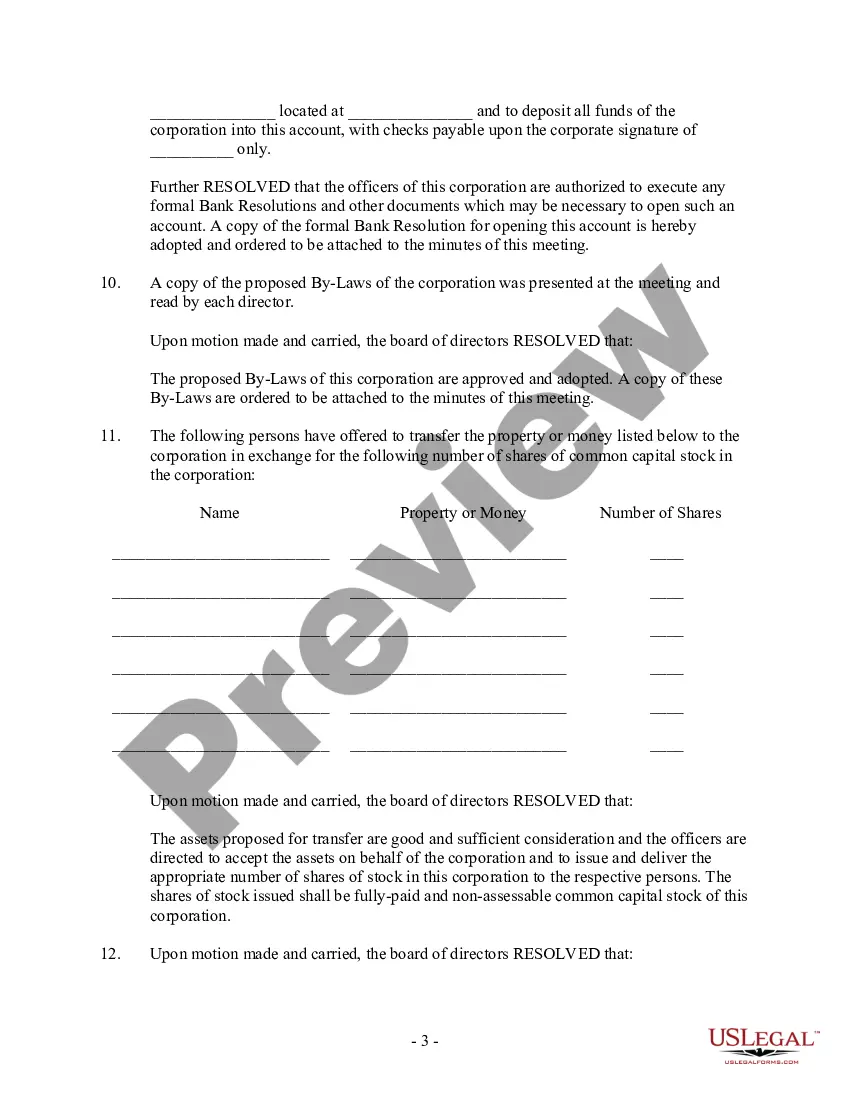
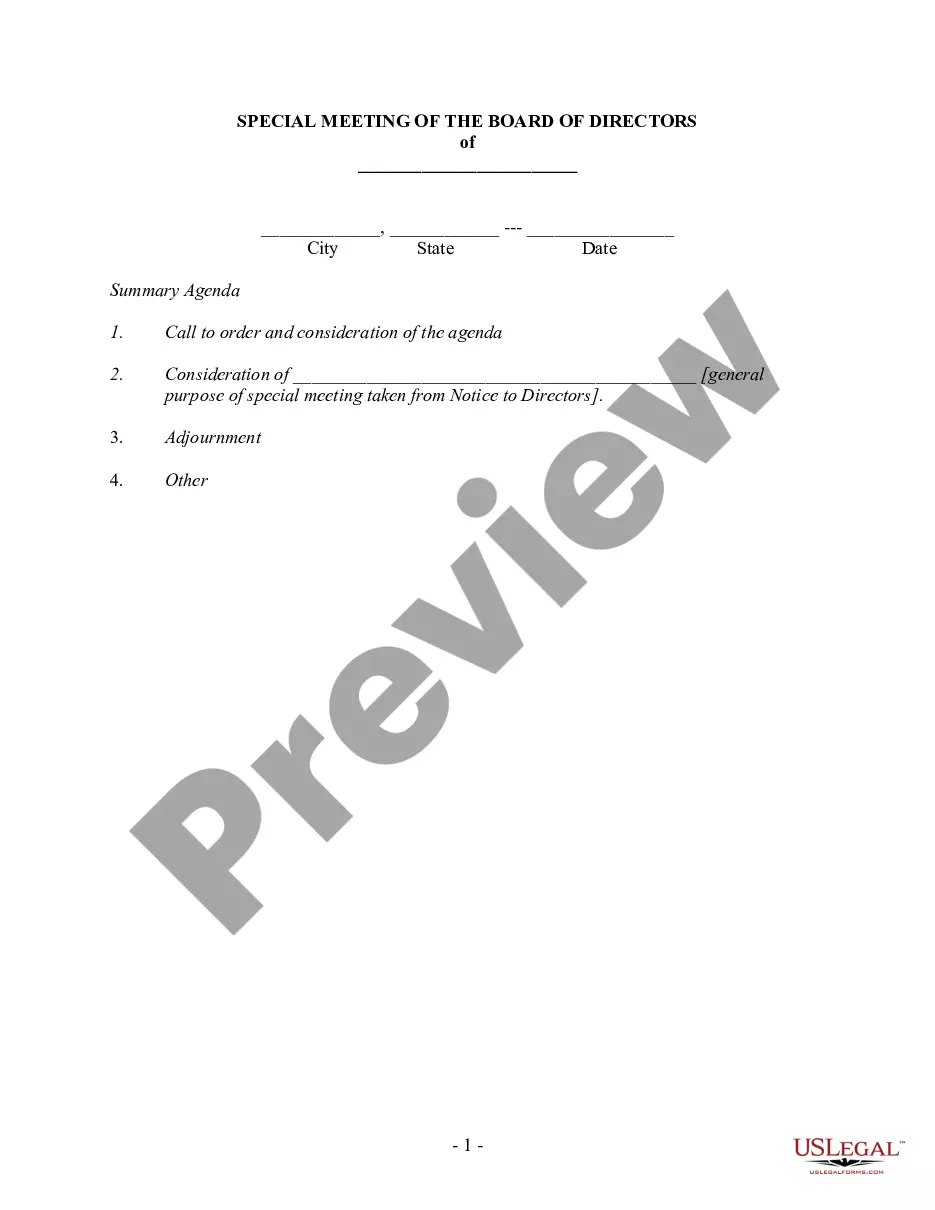
Most board meeting agendas follow a classic meeting structure: Calling meeting to order – ensure you have quorum. Approve the agenda and prior board meeting minutes. Executive and committee reports – allow 25% of time here for key topic discussion. Old/new/other business. Close the meeting and adjourn.
Key elements of meeting structure include the development of agendas, allocation of roles and responsibilities, and adherence to time frames. Variants of meeting structure may include specific formats tailored to various types of meetings, such as brainstorming sessions, project kick-offs, or quarterly reviews.
A formal meeting typically discusses a list of pre-determined topics and objectives, and then attendees make decisions related to them. For many companies, formal meetings highlight and promote accountability and transparency, not just among staff but everyone included.
The minutes must include the name of the attendees at the meeting, the time and day of the meeting, as well as the focus and decisions made at the meeting. The minutes must record what happened at the meeting, even if nothing of importance occurred.
Notice must be given to each director and the notice must indicate the proposed time, date and place of the meeting. Notice does not need to be in writing but it is best practice to have a form of written notice sent out.
How to Write the Notice of Meeting (With Template) Meeting Title. Date, Time, and Duration. Location. Attendees. Meeting Objectives. Agenda. Preparation Materials. RSVP Information.
Sample of a previous notice for a meeting ing to section () of the bylaws of the organization, the board of directors hereby gives notice of a special meeting which will take place on (date) at (time) at (meeting location). Board members are encouraged to attend.
