Companies Board Meeting Rules In Bronx
Description

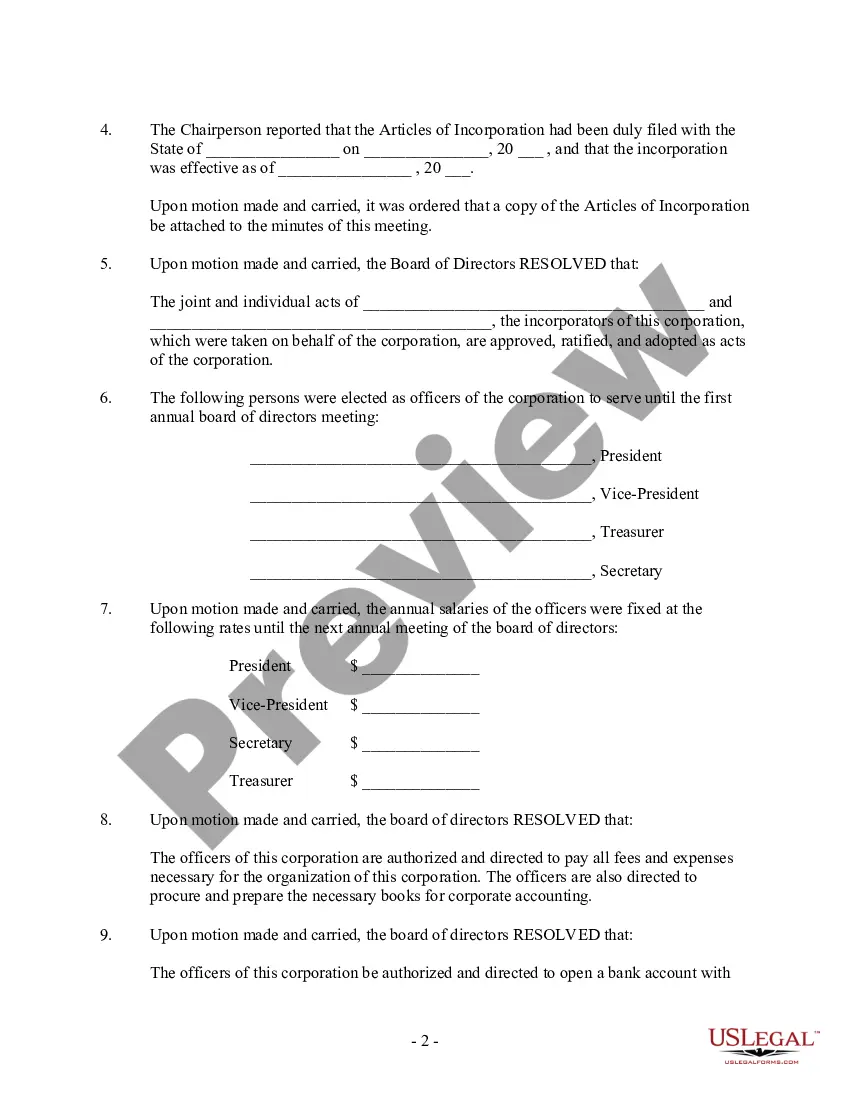
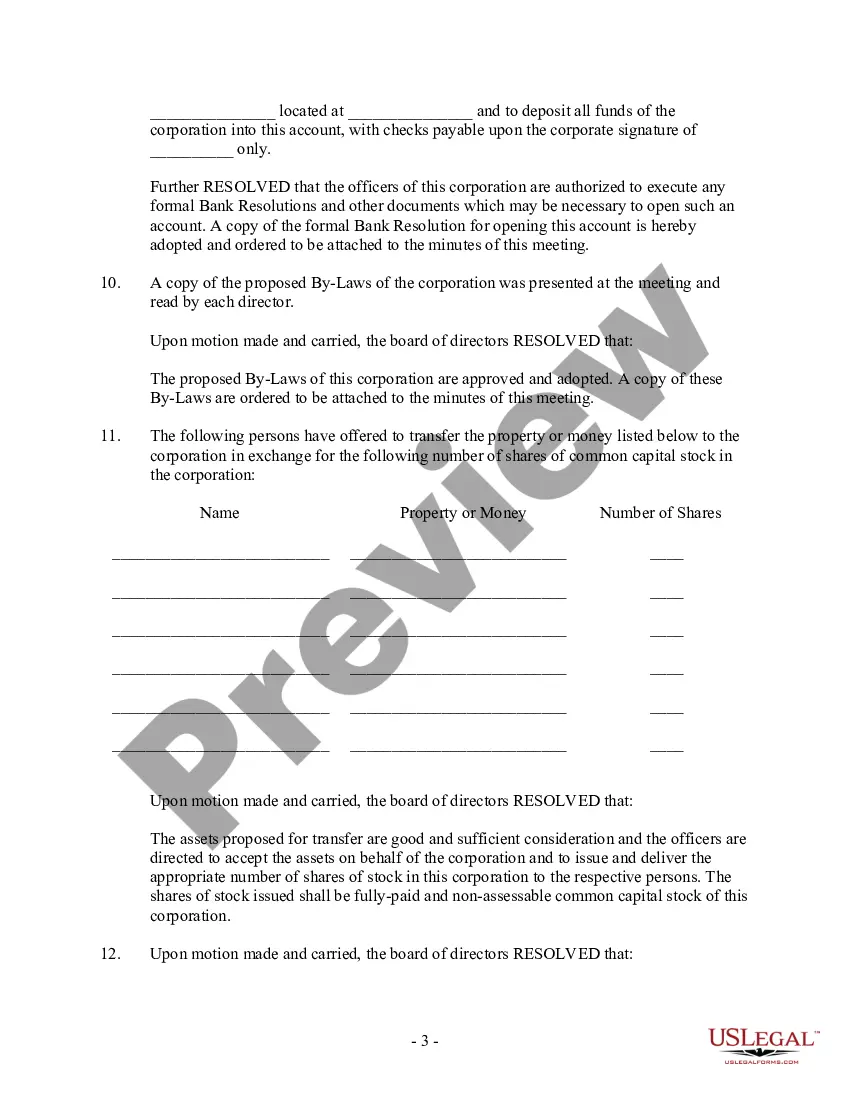
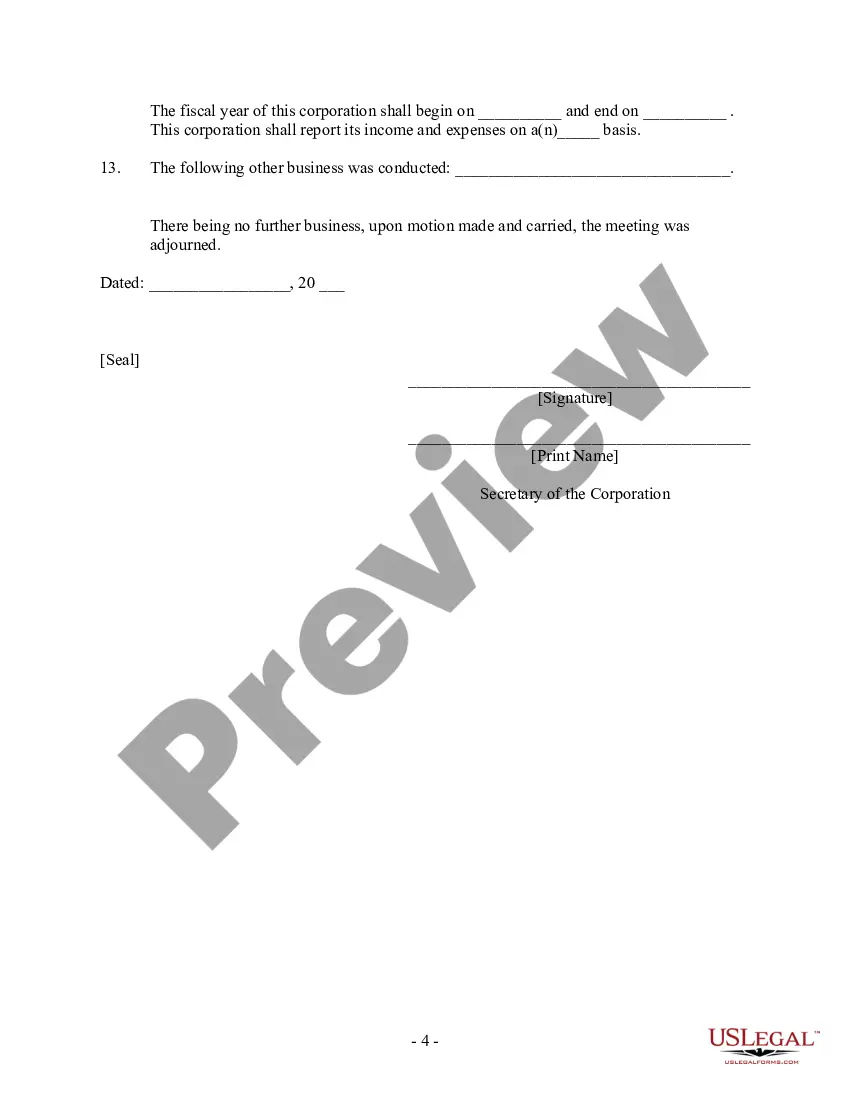

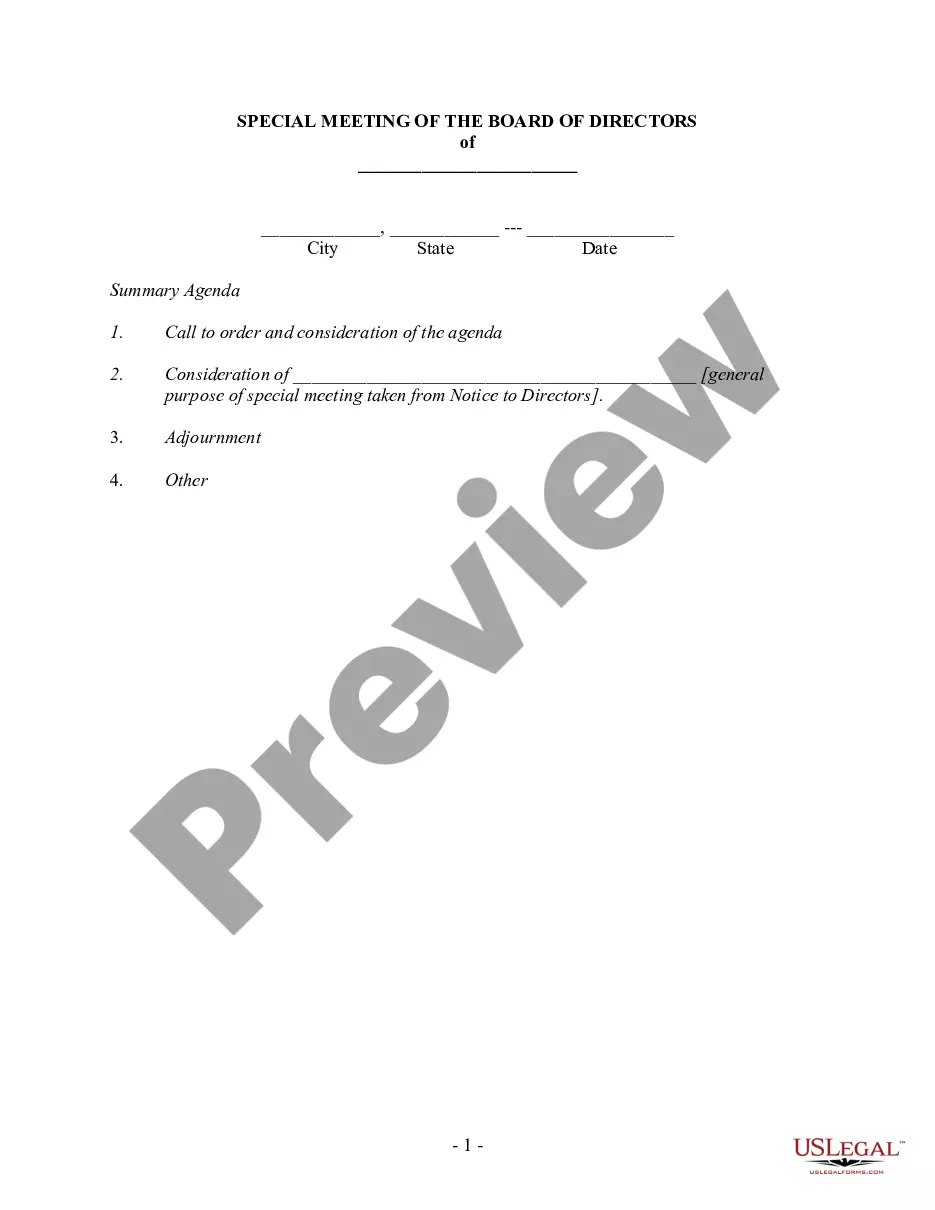
Get your form ready online
Our built-in tools help you complete, sign, share, and store your documents in one place.
Make edits, fill in missing information, and update formatting in US Legal Forms—just like you would in MS Word.
Download a copy, print it, send it by email, or mail it via USPS—whatever works best for your next step.
Sign and collect signatures with our SignNow integration. Send to multiple recipients, set reminders, and more. Go Premium to unlock E-Sign.
If this form requires notarization, complete it online through a secure video call—no need to meet a notary in person or wait for an appointment.
We protect your documents and personal data by following strict security and privacy standards.

Make edits, fill in missing information, and update formatting in US Legal Forms—just like you would in MS Word.

Download a copy, print it, send it by email, or mail it via USPS—whatever works best for your next step.

Sign and collect signatures with our SignNow integration. Send to multiple recipients, set reminders, and more. Go Premium to unlock E-Sign.

If this form requires notarization, complete it online through a secure video call—no need to meet a notary in person or wait for an appointment.

We protect your documents and personal data by following strict security and privacy standards.
Looking for another form?






Form popularity
FAQ
Special meetings must be authorized in the bylaws or they cannot be held. The provisions in the bylaws should state who has the authority to call special meetings (often the president -or- a stated number of members), and how much notice is required.
To bring order to the boardroom, many organizations follow a meeting framework known as Robert's Rules of Order. The guidelines outline procedures for motions, voting, debate, amendments, and resolutions, ensuring decisions are made with order, fairness, and transparency.
States like California, Florida, and Pennsylvania have two-party consent laws, which means that all parties involved must consent to the recording. If there is no consent, it is illegal. However, states like South Carolina, North Carolina, and Ohio have one-party consent laws.
Failure to Follow Open Meeting Laws: Open meeting laws mandate that meetings be accessible to the public or community members. Violating these laws, such as by conducting business in secret or excluding members from discussions that should be open, constitutes an illegal meeting.
Illegal meeting means any meeting or gathering which has not been allowed by an appropriate authority; Sample 1.
Many board members participate in informal meetings, unknowingly or otherwise. Social gatherings are particularly common events where informal meetings happen. Because informal or “working” meetings are not always permitted by law or by the governing documents, participating in them can be a slippery slope.
Board meetings are almost always confidential. However, it takes both legally binding nondisclosure agreements and good board policy to ensure confidentiality.
Boards have an important advisory role in dealing with land use and zoning matters, the City budget, municipal service delivery and many other matters relating to their communities' welfare.
Any New York City resident 16 years or older can apply to join their Community Board. You must live or work in the district where you are applying. You don't need to have political ties or policy expertise to serve on your Community Board; anyone who cares about their community can and should apply.
This data set represents Community Board Contact List for all 18 Community Board within Brooklyn.
