Board Meeting Corporate Format In Bronx
Description

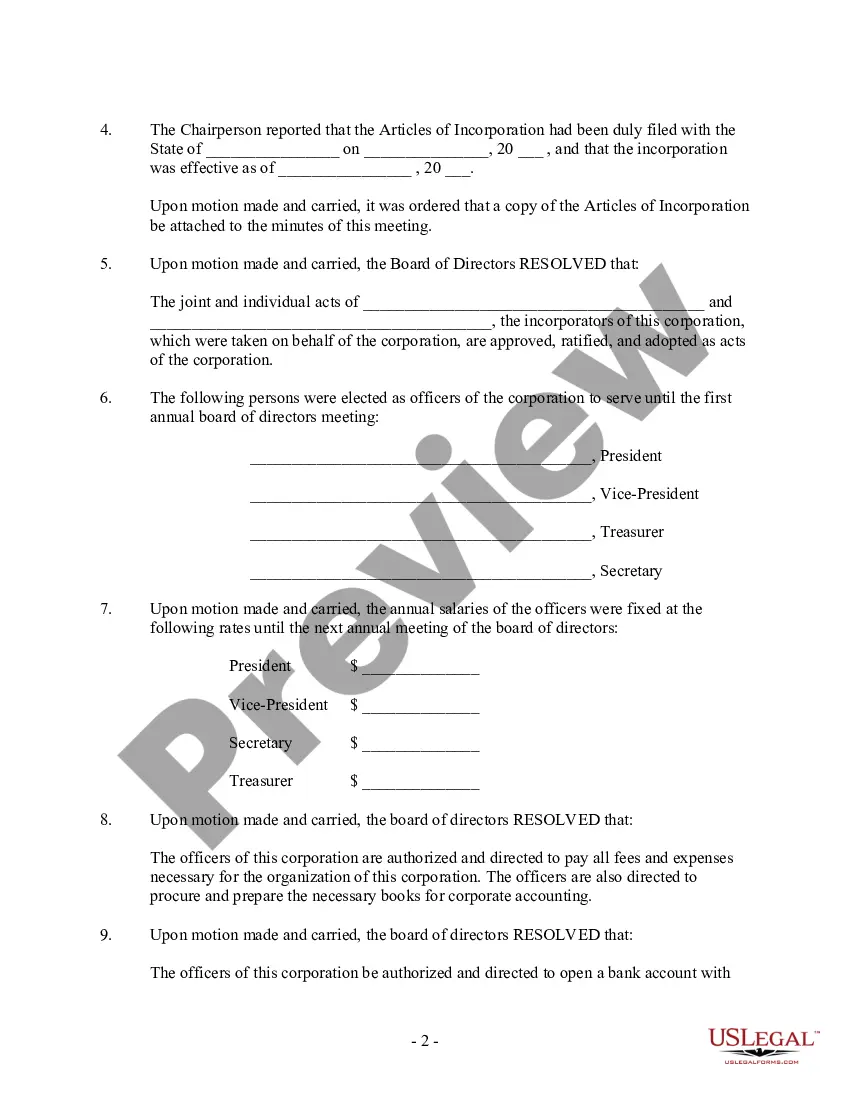
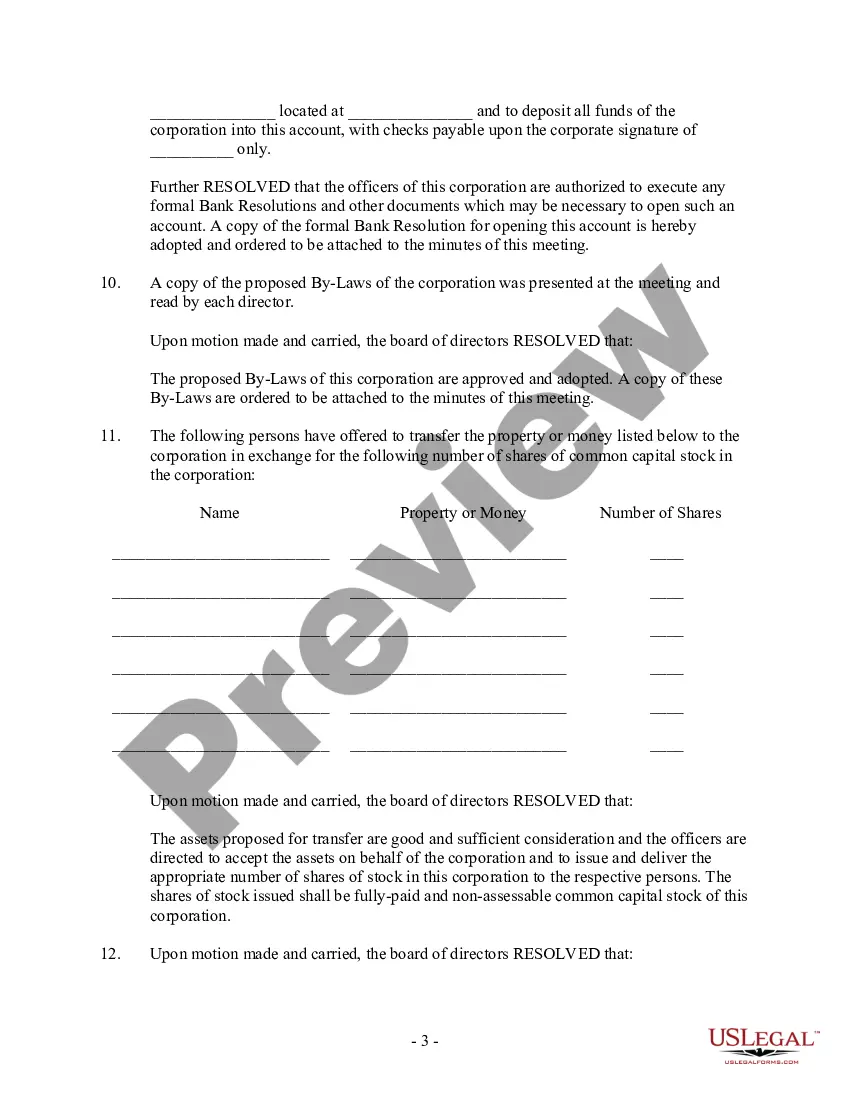
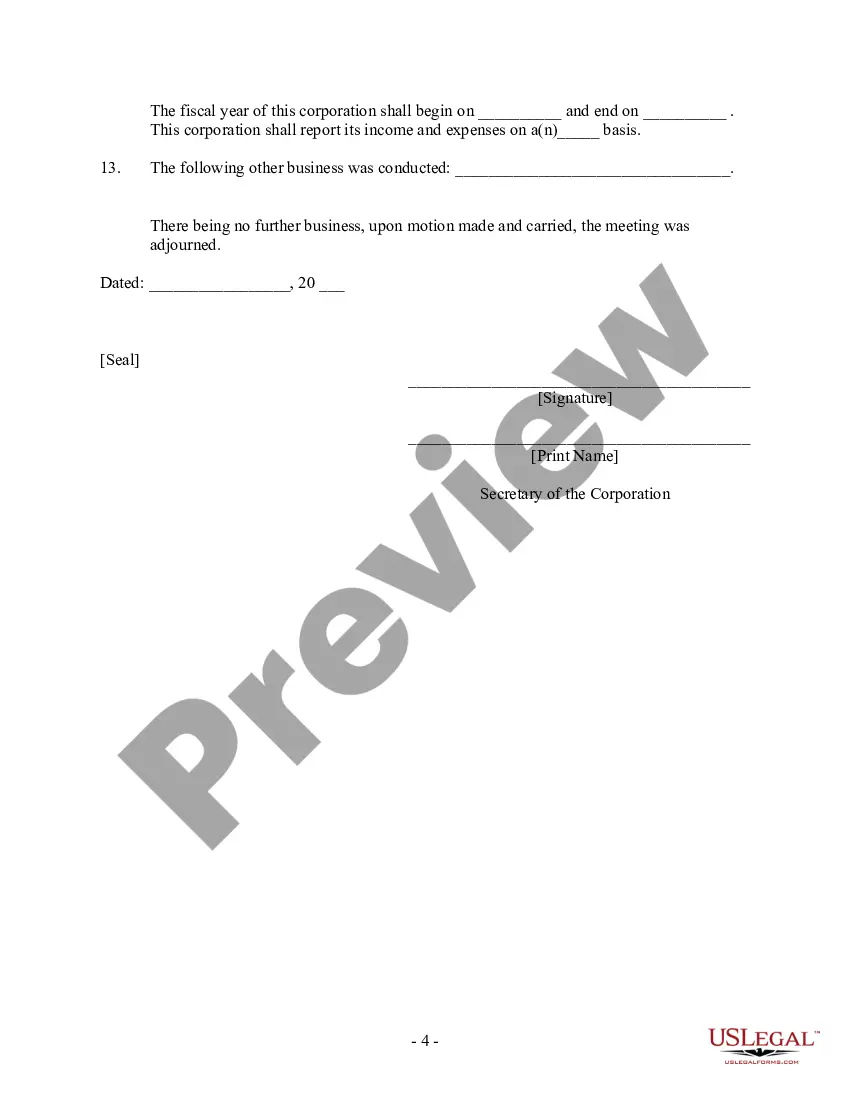

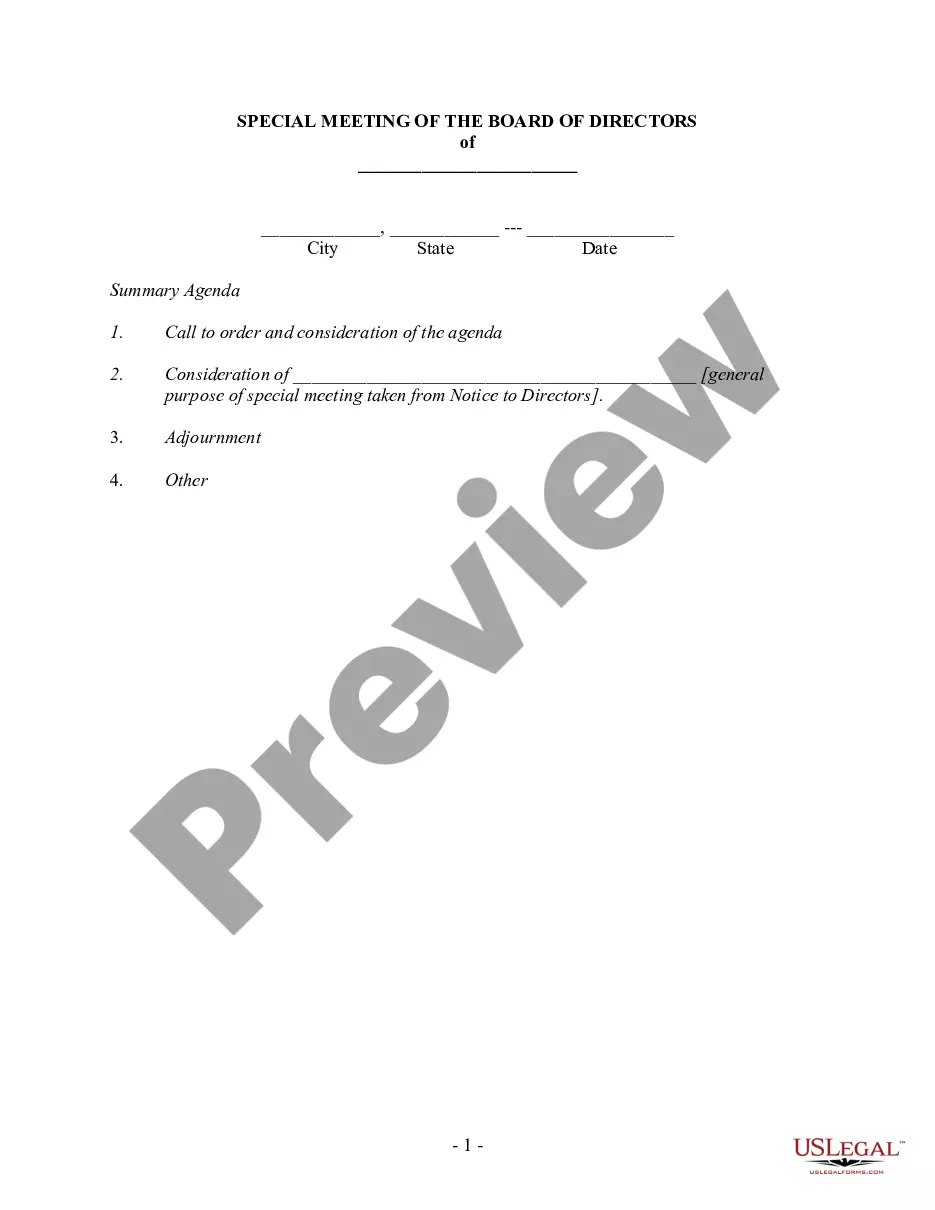
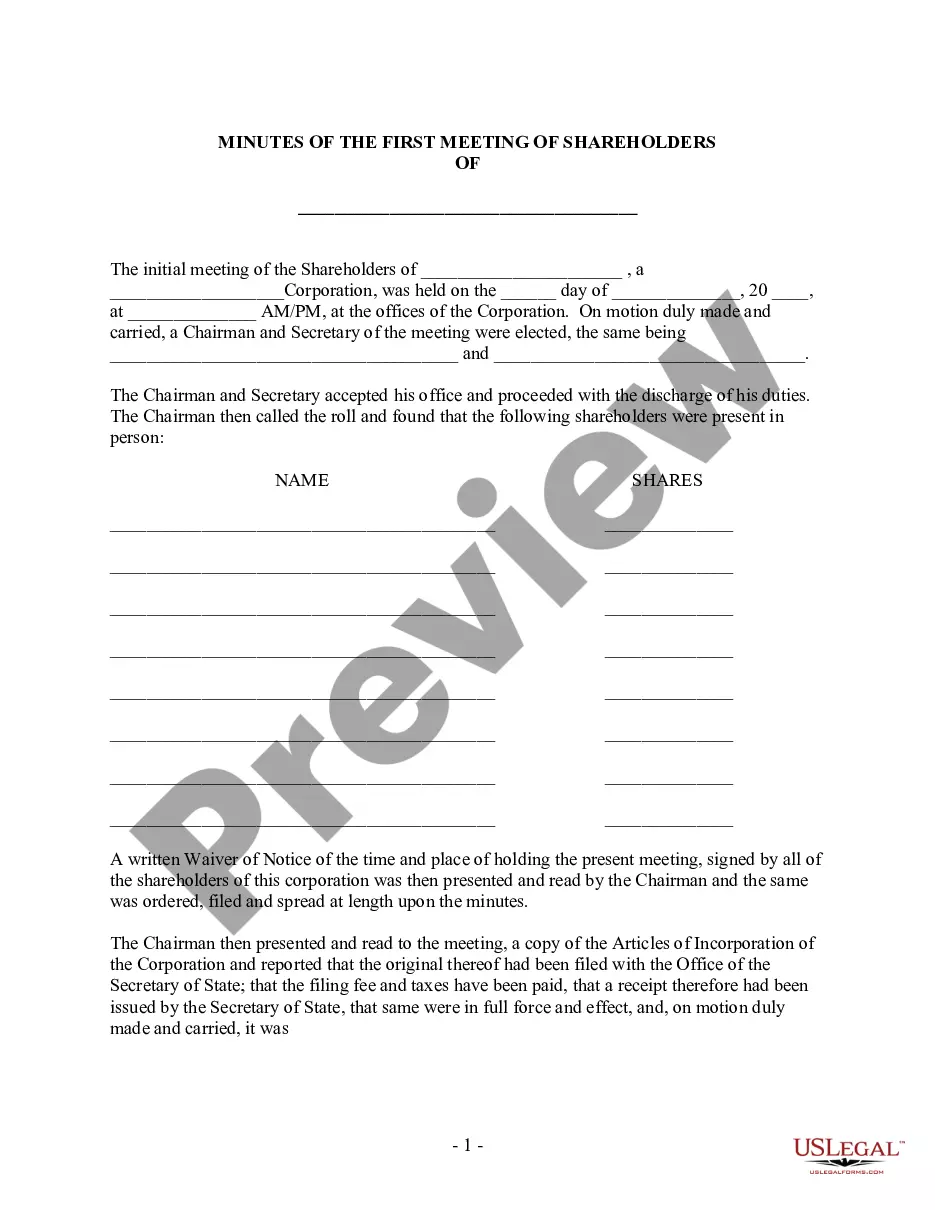
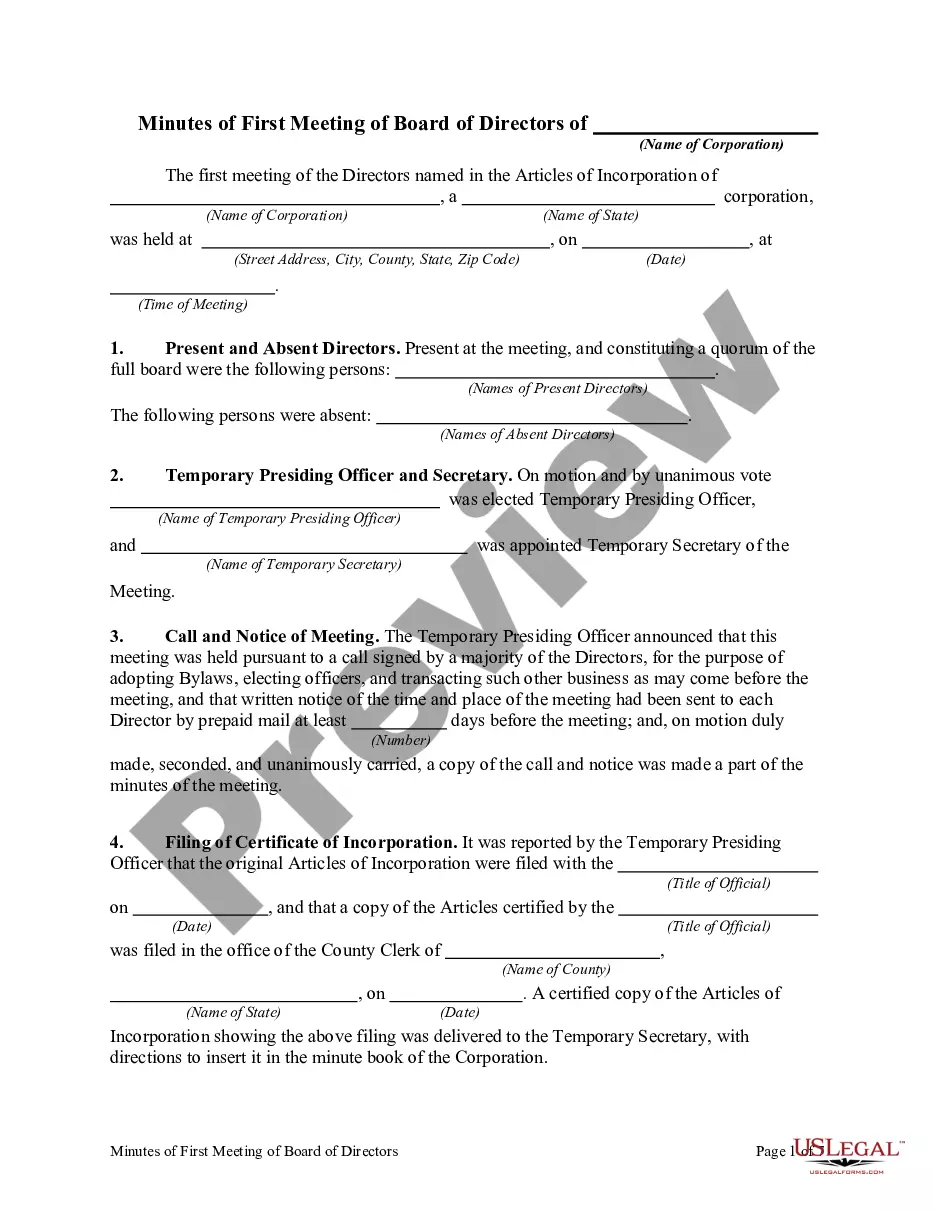
Get your form ready online
Our built-in tools help you complete, sign, share, and store your documents in one place.
Make edits, fill in missing information, and update formatting in US Legal Forms—just like you would in MS Word.
Download a copy, print it, send it by email, or mail it via USPS—whatever works best for your next step.
Sign and collect signatures with our SignNow integration. Send to multiple recipients, set reminders, and more. Go Premium to unlock E-Sign.
If this form requires notarization, complete it online through a secure video call—no need to meet a notary in person or wait for an appointment.
We protect your documents and personal data by following strict security and privacy standards.

Make edits, fill in missing information, and update formatting in US Legal Forms—just like you would in MS Word.

Download a copy, print it, send it by email, or mail it via USPS—whatever works best for your next step.

Sign and collect signatures with our SignNow integration. Send to multiple recipients, set reminders, and more. Go Premium to unlock E-Sign.

If this form requires notarization, complete it online through a secure video call—no need to meet a notary in person or wait for an appointment.

We protect your documents and personal data by following strict security and privacy standards.
Looking for another form?







Form popularity
FAQ
Determining when nonprofit board meeting minutes are public depends on various factors, including the type of organization, governing laws, internal policies, and existing bylaws. Most organizations don't need to make their nonprofit meeting minutes public unless they are considered governmental entities.
Most board meeting agendas follow a classic meeting structure: Calling meeting to order – ensure you have quorum. Approve the agenda and prior board meeting minutes. Executive and committee reports – allow 25% of time here for key topic discussion. Old/new/other business. Close the meeting and adjourn.
In some states there are laws known as “Sunshine laws” that require groups to open their meetings to the public, however, these laws generally only apply to governmental or quasi-governmental groups. Unless the nonprofit is a governmental entity, there is no obligation to open board meetings to the public.
Nonprofit board meeting minutes are generally not automatically made public, but the accessibility of these minutes depends on various factors, including the organization's policies, legal requirements, and state laws. Read on to learn more about transparency and nonprofit board meetings minutes.
Board meetings are usually held quarterly. Following the end of each quarter in April July OctoberMoreBoard meetings are usually held quarterly. Following the end of each quarter in April July October and January.
The organization's board of directors in public companies follows strict confidentiality rules, disclosing key information to shareholders while keeping sensitive matters private. Sensitive topics typically include strategy, legal matters, or personnel issues.
In some states there are laws known as “Sunshine laws” that require groups to open their meetings to the public, however, these laws generally only apply to governmental or quasi-governmental groups. Unless the nonprofit is a governmental entity, there is no obligation to open board meetings to the public.
In order to distribute minutes effectively, it's best to prepare them as soon as possible after the meeting. Aiming to draft the minutes within 24 hours is ideal, as the details will still be fresh in your mind.
It is good governance for the draft minutes to be circulated within a reasonable time of the meeting, as this will assist in meeting the one-month deadline for entering the minutes in the minute book. At a minimum the draft minutes should be reviewed by the chair.
Board meeting minutes should be prepared and distributed in a timely manner after each board meeting. Ideally, minutes should be circulated to board members for review and approval within a reasonable timeframe, such as before the next scheduled meeting.
