Sample Letter Judge With Proposed Order In Virginia
Description


Get your form ready online
Our built-in tools help you complete, sign, share, and store your documents in one place.
Make edits, fill in missing information, and update formatting in US Legal Forms—just like you would in MS Word.
Download a copy, print it, send it by email, or mail it via USPS—whatever works best for your next step.
Sign and collect signatures with our SignNow integration. Send to multiple recipients, set reminders, and more. Go Premium to unlock E-Sign.
If this form requires notarization, complete it online through a secure video call—no need to meet a notary in person or wait for an appointment.
We protect your documents and personal data by following strict security and privacy standards.

Make edits, fill in missing information, and update formatting in US Legal Forms—just like you would in MS Word.

Download a copy, print it, send it by email, or mail it via USPS—whatever works best for your next step.

Sign and collect signatures with our SignNow integration. Send to multiple recipients, set reminders, and more. Go Premium to unlock E-Sign.

If this form requires notarization, complete it online through a secure video call—no need to meet a notary in person or wait for an appointment.

We protect your documents and personal data by following strict security and privacy standards.
Looking for another form?






Form popularity
FAQ
There is a general district court in each city and county in Virginia. The general district court hears traffic violation cases, minor criminal cases known as misdemeanors, and civil cases such landlord and tenant disputes, contract disputes, and personal injury actions.
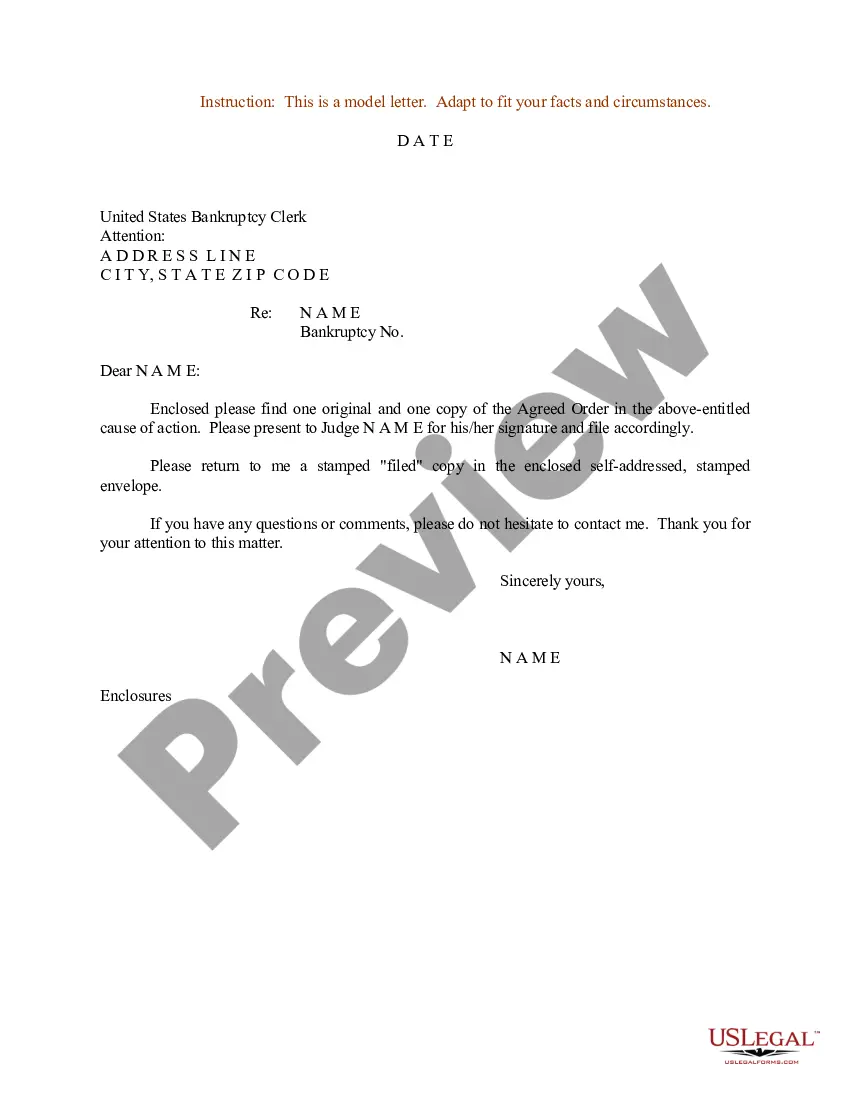
A proposed order, in the context of legal proceedings, is a document that outlines the specific actions or decisions that a party involved in a case is asking the court to make. It is typically drafted by one of the parties or their attorney and presented to the court for approval.
If the proposed order needs to be served on parties, DO NOT include a proof of service page on the back of the proposed order. Instead, LBR 9021-1(b)(3) provides that the party who lodges an order must first serve and file a "Notice of Lodgment".
Steps to respond to a request for a court order Respond. Fill out court form to tell the court if you agree or disagree. File forms. File the forms with the court. Serve other side. Serve copies of the forms on the other side (or their lawyer if they have one). Attend hearing.
A proposed order is either an order drafted from a ruling after a hearing (but you said the hearing was canceled) or it is a settlement offer. Perhaps a settlement offer has been made because the court requires mediation as a prerequisite to a hearing.
A proposed order, in the context of legal proceedings, is a document that outlines the specific actions or decisions that a party involved in a case is asking the court to make. It is typically drafted by one of the parties or their attorney and presented to the court for approval.
They should be addressed either to the Honorable FIRST NAME LAST NAME or Judge FIRST NAME LAST NAME.
There are certain circumstances where writing a letter to a judge may be appropriate: During the pre-sentencing phase of a criminal case. This is a time when the judge is gathering information about the defendant and their actions leading up to the crime.
Seven days' notice is required to the opposing party and the court. Motions may be typed by either party, may be filed on the General Notice and Motion Form or may be filed on one of the appropriate forms provided by the Supreme Court of Virginia (located here).
Highlight attributes such as responsibility, respectfulness, compassion, and any other qualities that may positively influence the court's perception. Keep the language simple and clear. Avoid using complex legal terms or jargon that may confuse the reader.

