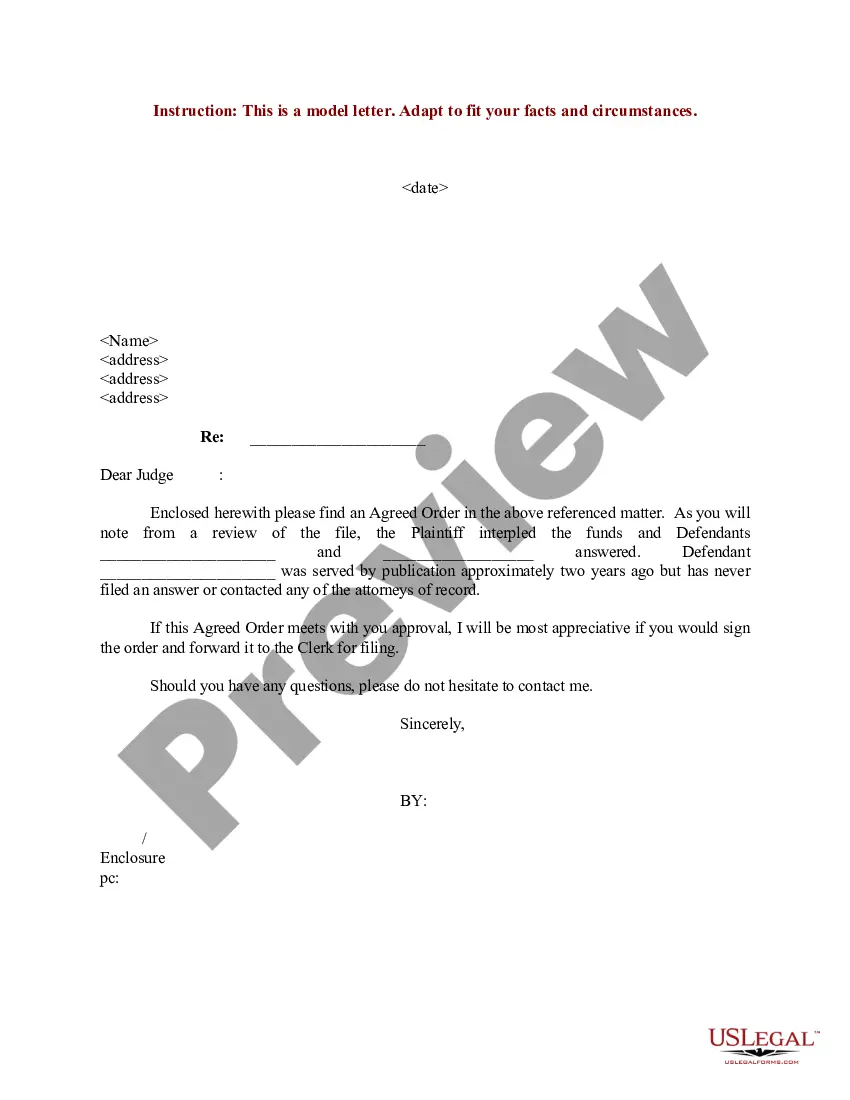
Sample Letters To Judges From Family Members For Divorce In Orange
Description
Get your form ready online
Our built-in tools help you complete, sign, share, and store your documents in one place.
Make edits, fill in missing information, and update formatting in US Legal Forms—just like you would in MS Word.
Download a copy, print it, send it by email, or mail it via USPS—whatever works best for your next step.
Sign and collect signatures with our SignNow integration. Send to multiple recipients, set reminders, and more. Go Premium to unlock E-Sign.
If this form requires notarization, complete it online through a secure video call—no need to meet a notary in person or wait for an appointment.
We protect your documents and personal data by following strict security and privacy standards.

Make edits, fill in missing information, and update formatting in US Legal Forms—just like you would in MS Word.

Download a copy, print it, send it by email, or mail it via USPS—whatever works best for your next step.

Sign and collect signatures with our SignNow integration. Send to multiple recipients, set reminders, and more. Go Premium to unlock E-Sign.

If this form requires notarization, complete it online through a secure video call—no need to meet a notary in person or wait for an appointment.

We protect your documents and personal data by following strict security and privacy standards.
Looking for another form?
Form popularity
FAQ
Content of the reference Tell the court that you're aware of the proceedings. Give some background surrounding your relationship with the defendant. What are the defendant's good qualities (think family or employment) Do they do outside charity work?
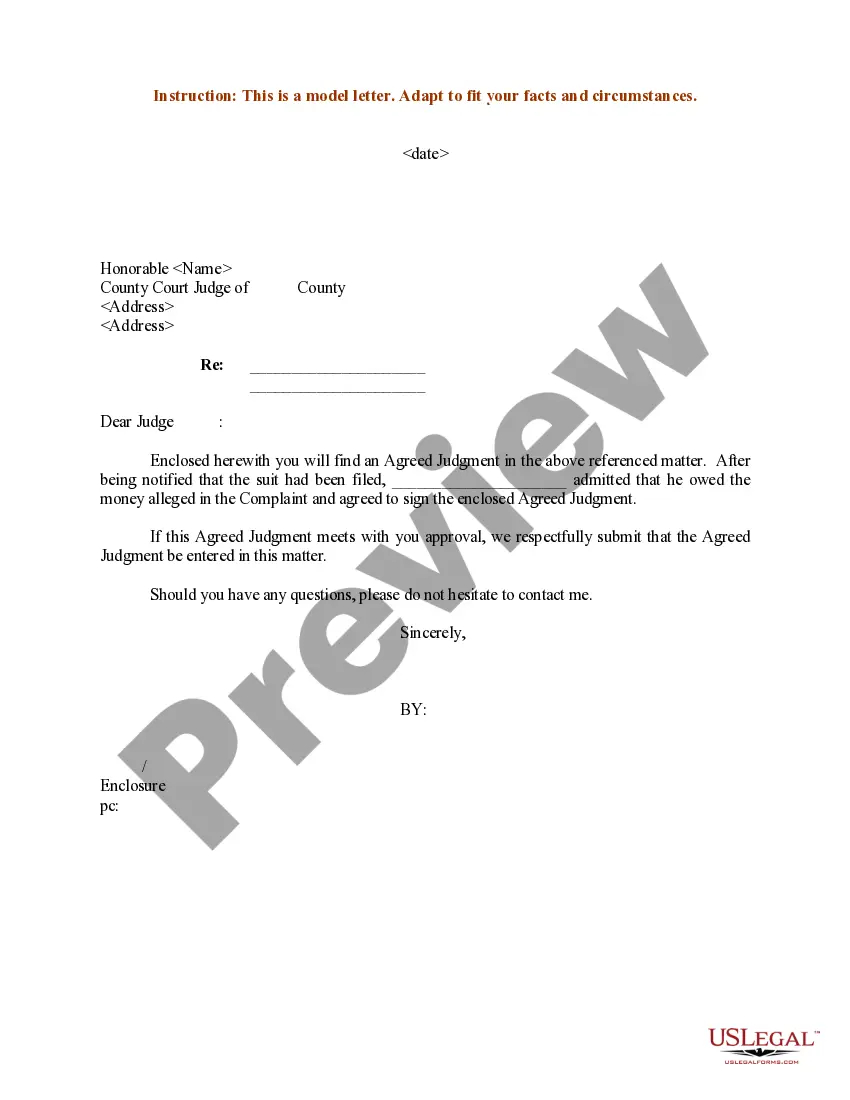
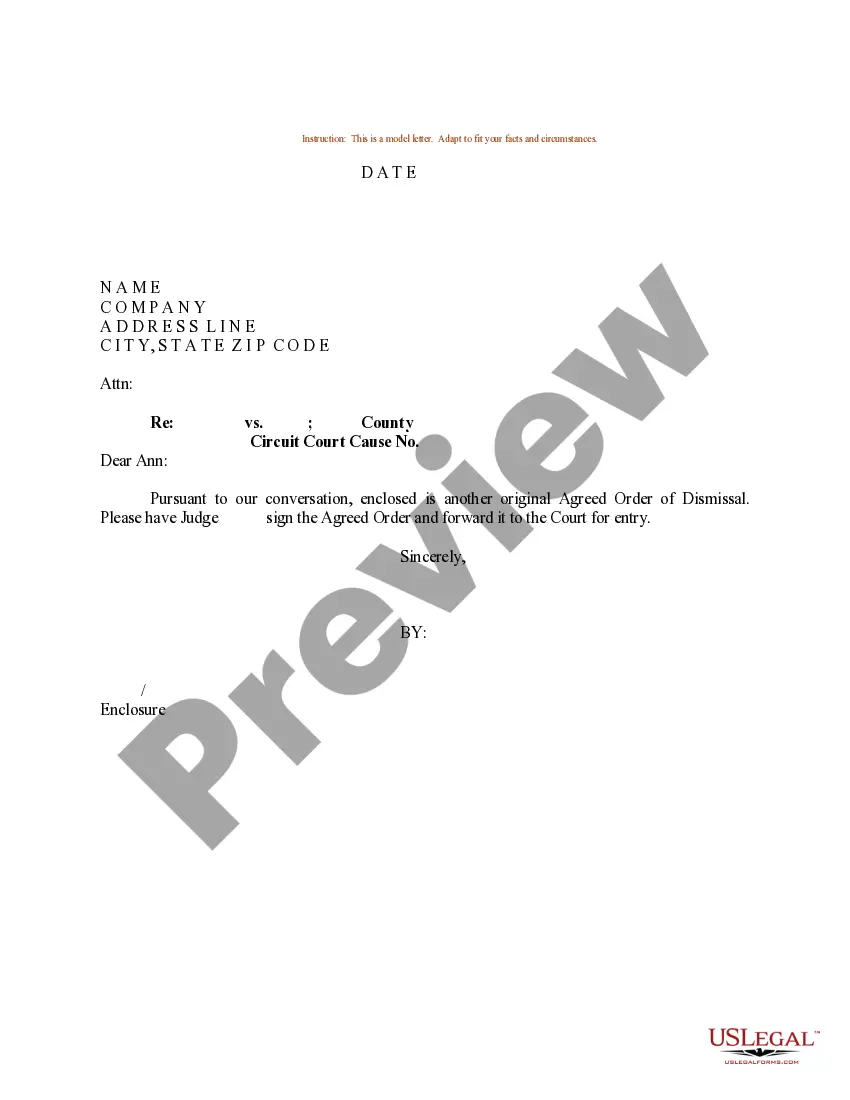
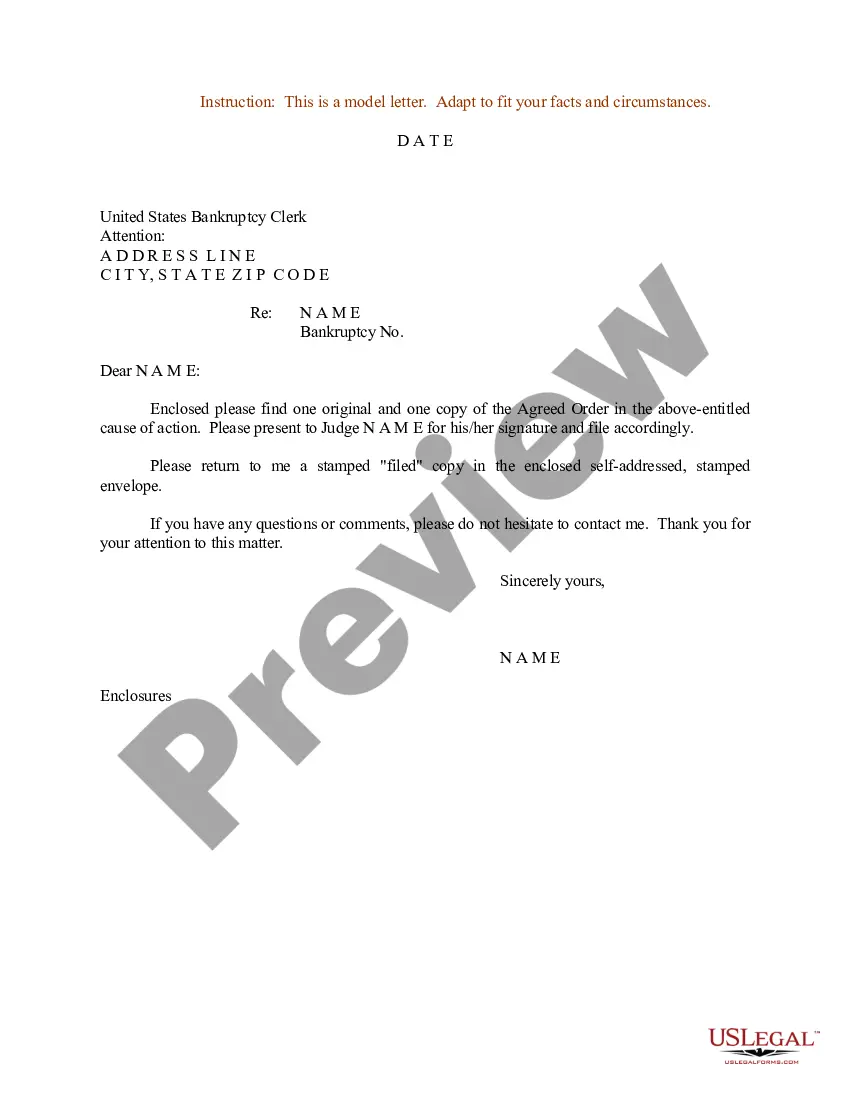
The proper manner of addressing the Judge is ``Your Honor'' or ``Dear Judge''. The letter should refer to your son by name either between the address and the salutation or in the first sentence. The letter should also contain your return address and the date.
Follow the order of this format, leaving a space in between each section: Your Information (first thing that goes on the inside of the letter) Name. The Date. The Judge's Information. Honorable Judge First Name Last Name. What the Letter Is Going to Address. Salutation. Body. Signature.
In Court you should call them “My Lord” and “My lady” (Or indeed “Your Lordship / Your ladyship”).
Judges of the Circuit or County Court should be addressed as: “His/Her Honour Judge Smith”. If they are a QC this should still be included at the end of their title, e.g. “His/ Her Honour Judge Smith QC”. For Circuit Judges the first name is only used if there is more than one Circuit Judge with the same surname.
Crafting an Effective Leniency Letter to a Judge: Five Essential... Start with a Clear Introduction. Introduce Yourself and Establish Credibility. Provide Reasons for Leniency. Tell a Story or Give Specific Examples. Provide Your Contact Information. Not the Same as a Motion to Modify a Sentence.
Court letters can serve many purposes, including requesting information, providing evidence, or asking for consideration from the court. For example, you could write a court letter on behalf of a defendant to highlight their positive qualities prior to sentencing.