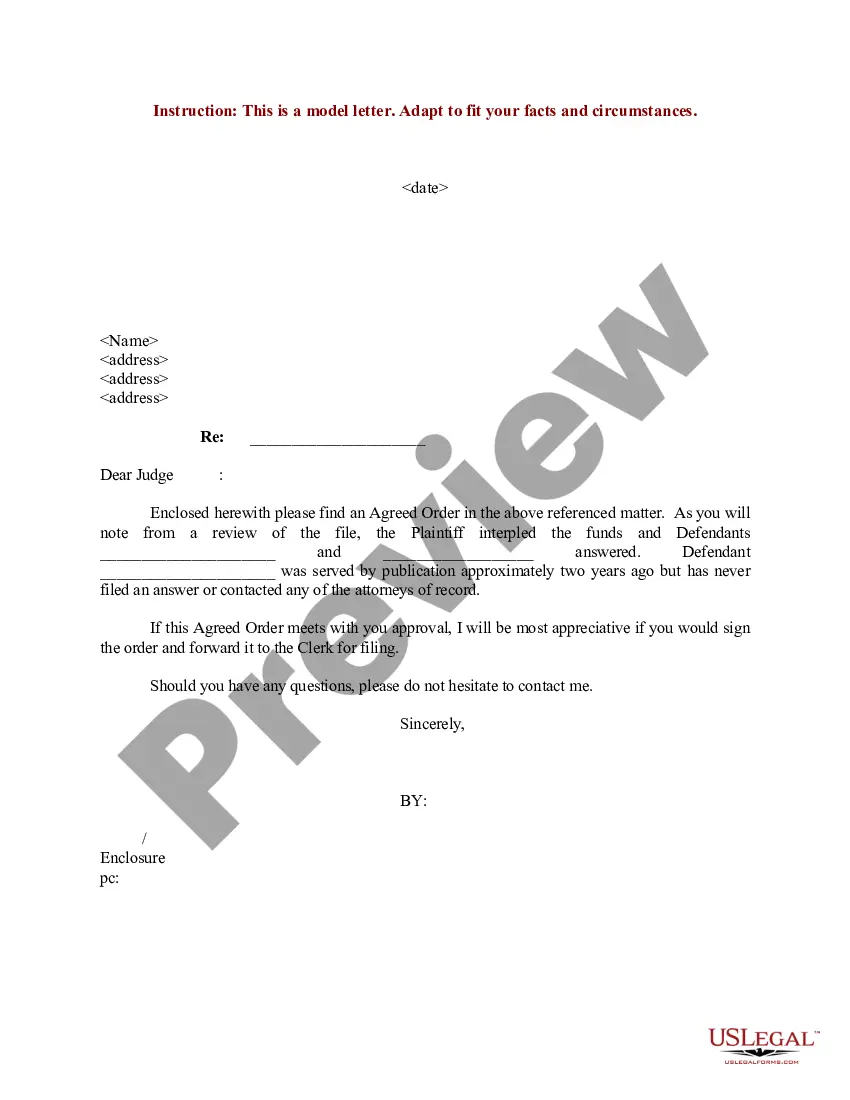
Sample Letter To Judge For Guardianship In Florida
Description
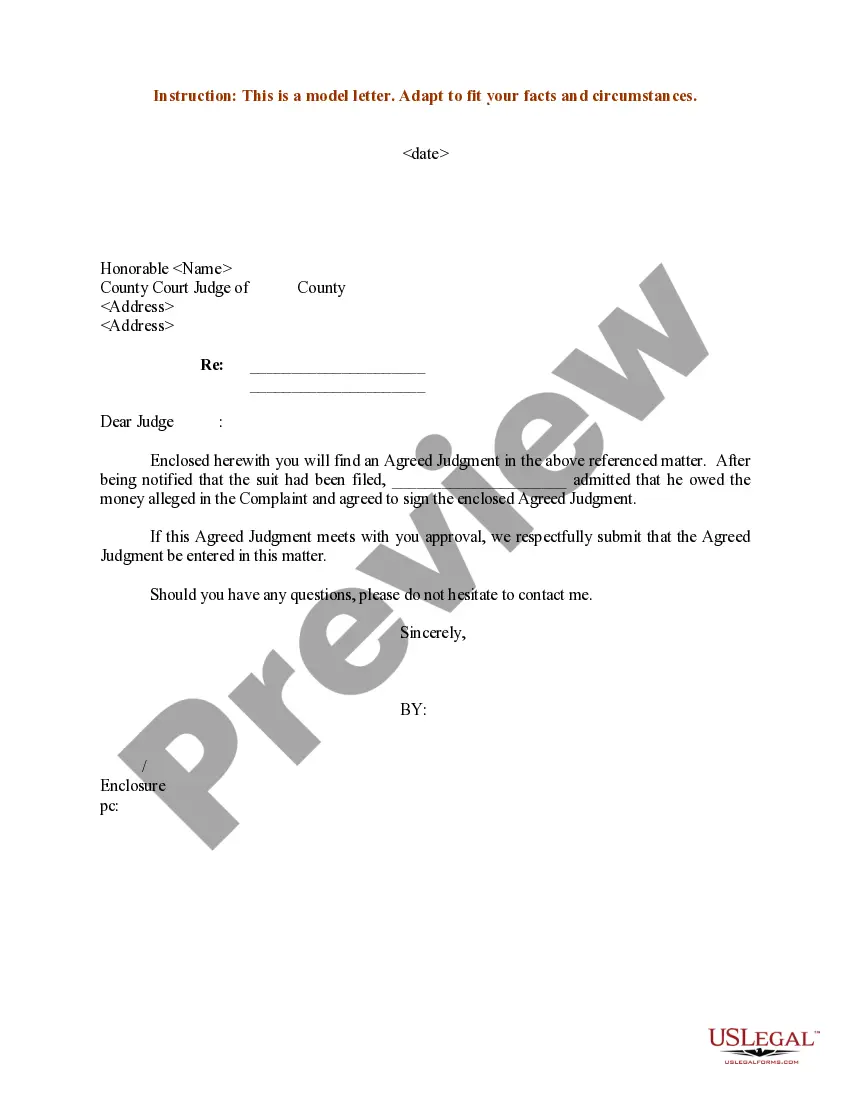
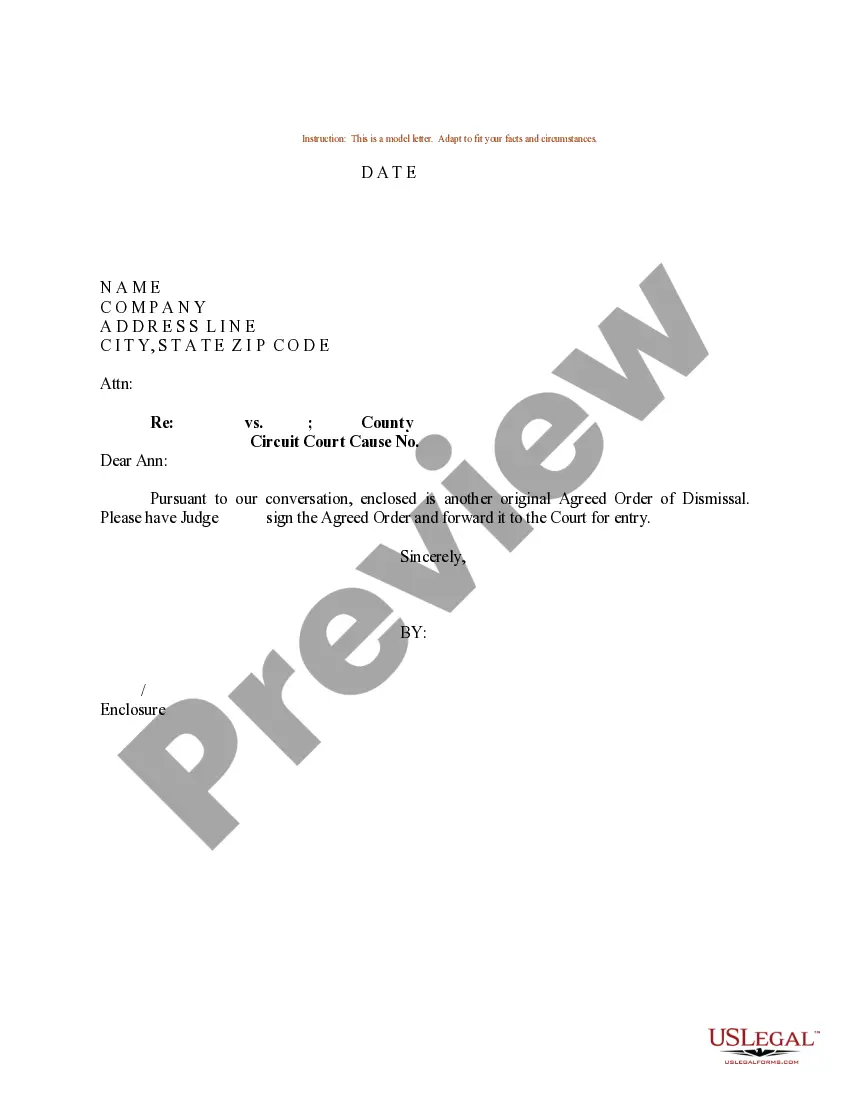
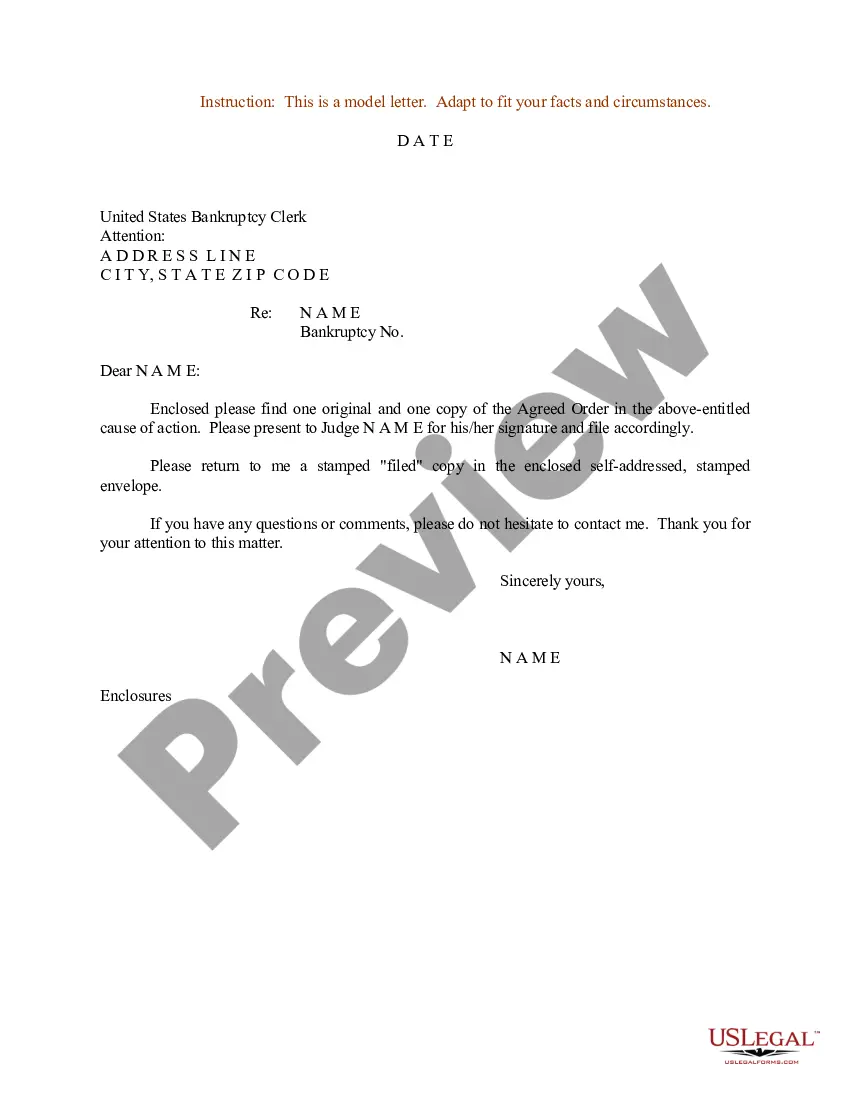
Get your form ready online
Our built-in tools help you complete, sign, share, and store your documents in one place.
Make edits, fill in missing information, and update formatting in US Legal Forms—just like you would in MS Word.
Download a copy, print it, send it by email, or mail it via USPS—whatever works best for your next step.
Sign and collect signatures with our SignNow integration. Send to multiple recipients, set reminders, and more. Go Premium to unlock E-Sign.
If this form requires notarization, complete it online through a secure video call—no need to meet a notary in person or wait for an appointment.
We protect your documents and personal data by following strict security and privacy standards.

Make edits, fill in missing information, and update formatting in US Legal Forms—just like you would in MS Word.

Download a copy, print it, send it by email, or mail it via USPS—whatever works best for your next step.

Sign and collect signatures with our SignNow integration. Send to multiple recipients, set reminders, and more. Go Premium to unlock E-Sign.

If this form requires notarization, complete it online through a secure video call—no need to meet a notary in person or wait for an appointment.

We protect your documents and personal data by following strict security and privacy standards.
Looking for another form?
Form popularity
FAQ
To Guide for Guardianship Letters Basic Information. In the letter heading, include basic details like names and addresses. Statement of Consent. Grant Powers to Guardian. Describe Your Absence. Provide Contact Details. Get Letter Notarized.
It's easy if you follow these simple steps. Basic Information. In the letter heading, include basic details like names and addresses. Statement of Consent. Grant Powers to Guardian. Describe Your Absence. Provide Contact Details. Get Letter Notarized.
Generally, the letters should be typed on 8.5 by 11-inch standard paper. Remember that the goal is to get the court to read your letter, and the easier that you make it for them to read, the better. The only exception is if the letter is written by a child. In that case, a handwritten letter may be more powerful.
Crafting an Effective Leniency Letter to a Judge: Five Essential... Start with a Clear Introduction. Introduce Yourself and Establish Credibility. Provide Reasons for Leniency. Tell a Story or Give Specific Examples. Provide Your Contact Information. Not the Same as a Motion to Modify a Sentence.
Your letter should be well-organized and specific to your situation. It should demonstrate your genuine commitment to being a good co-parent, make a thoughtful argument in favor of your custody arrangement and show that you prioritize your child's best interests.
Drafting the Guardianship Letter Insert preliminary information. Include the subject heading of the letter. Draft the body of the letter. Describe the powers. State the duration of the temporary guardianship. Include contact information. Include information about your children and the guardian. Add a signature block.
Florida law allows both voluntary and involuntary guardianships. A voluntary guardianship may be established for an adult who, though mentally competent, is incapable of managing his or her own estate and who voluntarily petitions for the appointment.
In Florida a professional guardian can be an adult and legal resident of the state. You will be required to successfully complete the state approved 40 hours of instruction and training course, which includes passing the in-course exam, and afterwards pass the statewide Florida Competency Guardianship Exam.
In all circumstances where a guardianship was established first in another state, Florida requires authenticated orders from the original state regarding the appointment, powers, or determination of incapacity of the Ward.