Sample Letter To Judge For Driving Privileges In Florida
Description


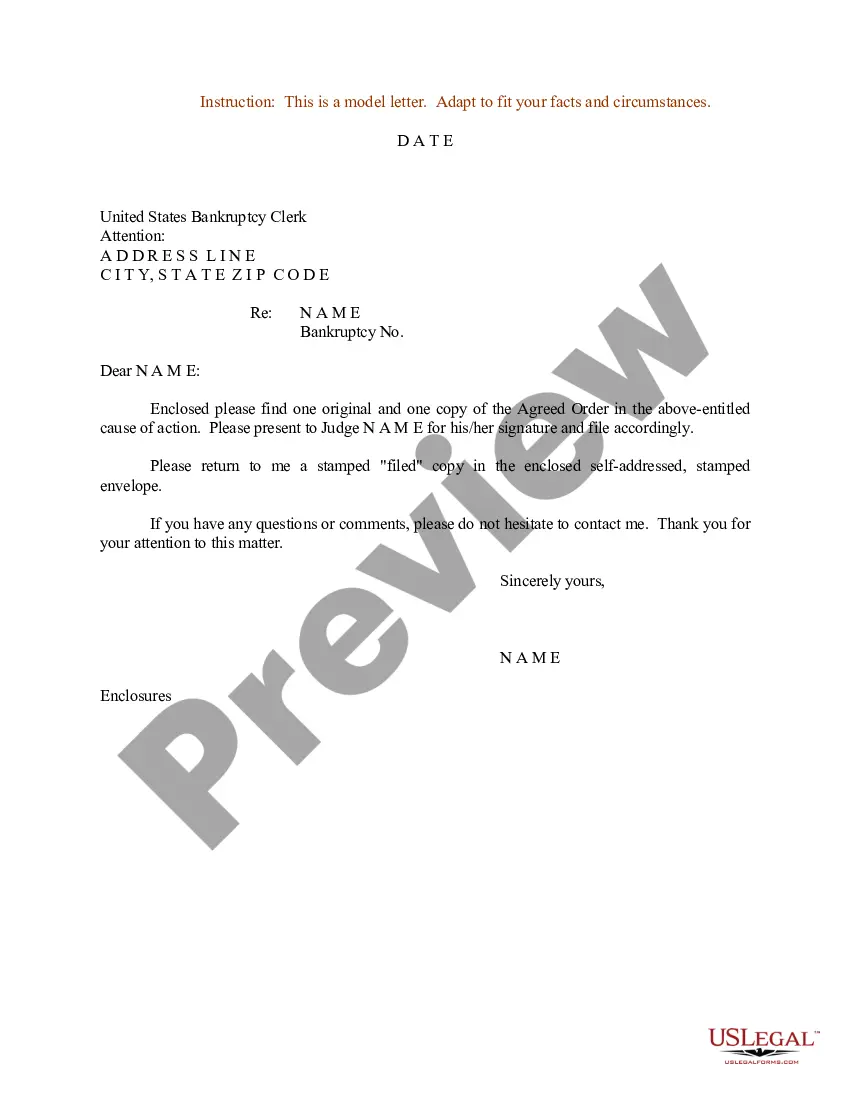
Get your form ready online
Our built-in tools help you complete, sign, share, and store your documents in one place.
Make edits, fill in missing information, and update formatting in US Legal Forms—just like you would in MS Word.
Download a copy, print it, send it by email, or mail it via USPS—whatever works best for your next step.
Sign and collect signatures with our SignNow integration. Send to multiple recipients, set reminders, and more. Go Premium to unlock E-Sign.
If this form requires notarization, complete it online through a secure video call—no need to meet a notary in person or wait for an appointment.
We protect your documents and personal data by following strict security and privacy standards.

Make edits, fill in missing information, and update formatting in US Legal Forms—just like you would in MS Word.

Download a copy, print it, send it by email, or mail it via USPS—whatever works best for your next step.

Sign and collect signatures with our SignNow integration. Send to multiple recipients, set reminders, and more. Go Premium to unlock E-Sign.

If this form requires notarization, complete it online through a secure video call—no need to meet a notary in person or wait for an appointment.

We protect your documents and personal data by following strict security and privacy standards.
Looking for another form?










Form popularity
FAQ
Public safety can override individual freedoms in some contexts, like driving. Roads and highways are public infrastructure. Dangerous driving has the potential to harm others and their property. Travel is a right, but driving is a privilege.
The US Supreme Court did not rule that you do not need a state issued driver license to operate a motor vehicle on a public road. You do. If you drive any kind of motorized vehicle on a public road anywhere in the United States, you must have a valid driver license.
Therefore, based on established laws and consistent court rulings, individuals are required to have a valid driver's license, vehicle registration, and insurance to operate a motor vehicle on public roads in the U.S., irrespective of whether the vehicle is being used for personal or commercial purposes.
Driving a motor vehicle in Florida is a privilege you earn. You cannot get a license in Florida under the following conditions: If your license is suspended or revoked in any state. If you are addicted to drugs or alcohol.
How to Write a Suspension Appeal Letter? Greet the recipient of the appeal, state your name, and record the purpose of the document - to appeal your suspension. Confirm that you understand the reasoning behind your suspension whether you agree with it or not. Describe the issue that led to the suspension.
Driving a motor vehicle in Florida is a privilege you earn. You cannot get a license in Florida under the following conditions: If your license is suspended or revoked in any state. If you are addicted to drugs or alcohol.
To clear the suspension, contact the court in the county where the suspension was issued and satisfy the court requirements. You may then present proof of satisfaction in the form of an affidavit within 30 days, along with all applicable reinstatement fees, to any Florida driver license service center.
Driving in both Florida and the United States is considered a privilege, not a right or necessity. This means it comes with regulations and can be revoked under certain circumstances. Therefore, the correct answer is c) privilege.
No. You can ride as a passenger anywhere you want – that is your constitutional right. But operating a motor vehicle still requires a license, because the states have reserved the right to require one. The matter came up in California in 1999.

