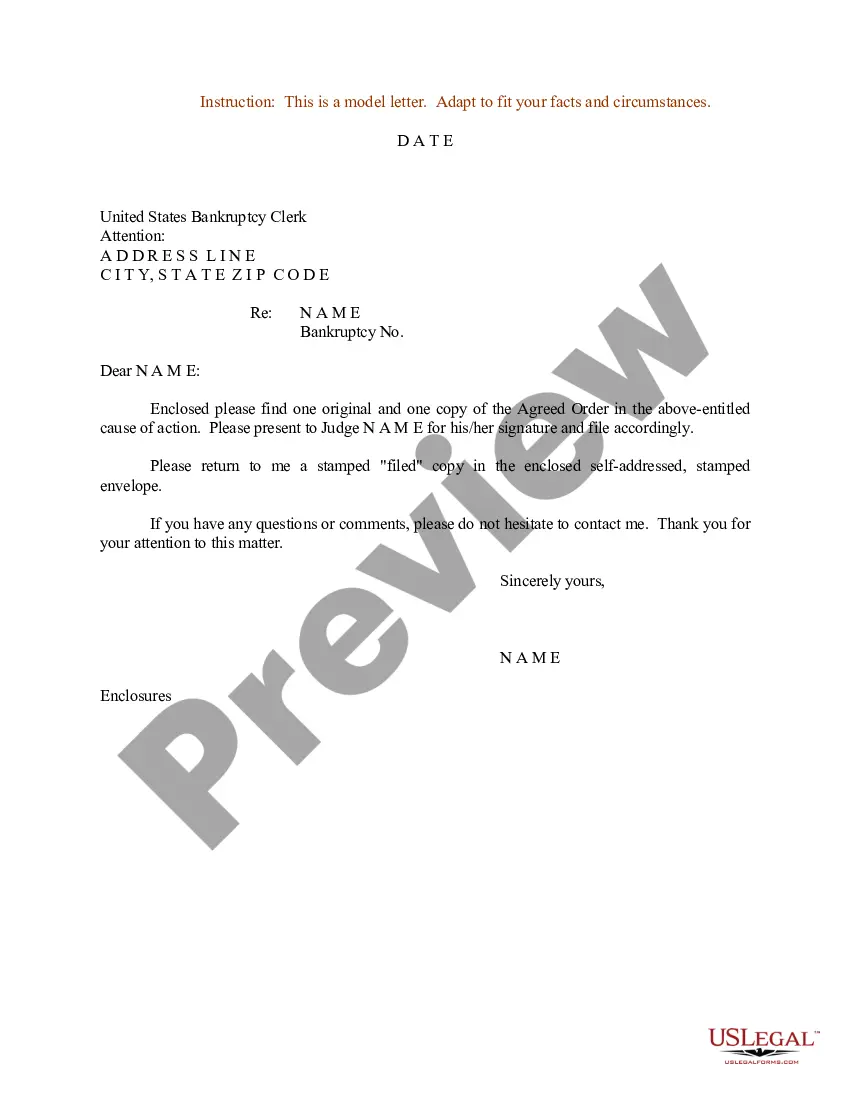
Sample Character Letter To Judge From Mother In Bexar
Description


Get your form ready online
Our built-in tools help you complete, sign, share, and store your documents in one place.
Make edits, fill in missing information, and update formatting in US Legal Forms—just like you would in MS Word.
Download a copy, print it, send it by email, or mail it via USPS—whatever works best for your next step.
Sign and collect signatures with our SignNow integration. Send to multiple recipients, set reminders, and more. Go Premium to unlock E-Sign.
If this form requires notarization, complete it online through a secure video call—no need to meet a notary in person or wait for an appointment.
We protect your documents and personal data by following strict security and privacy standards.

Make edits, fill in missing information, and update formatting in US Legal Forms—just like you would in MS Word.

Download a copy, print it, send it by email, or mail it via USPS—whatever works best for your next step.

Sign and collect signatures with our SignNow integration. Send to multiple recipients, set reminders, and more. Go Premium to unlock E-Sign.

If this form requires notarization, complete it online through a secure video call—no need to meet a notary in person or wait for an appointment.

We protect your documents and personal data by following strict security and privacy standards.
Looking for another form?









Form popularity
FAQ
I appreciate your thoughtfulness, respect, and fairness throughout my trial. I was convicted of shoplifting, and I plan to own up to my actions and make amends for my mistakes. While I can't go back in time and reverse what I did, you can rest assured that this will never happen again.
Highlight the person's positive attributes with specific examples. For instance, if they are a dedicated parent, provide examples demonstrating this. You can also share personal stories that give deeper insight into the person's character, such as their involvement in voluntary work or community activities.
A character reference letter for custody is a document written by someone who knows the parent in question well and can vouch for their abilities and character as it relates to parenting. These letters are important evidence in custody cases, often influencing a Judge's perception and decision.
It is an honor to vouch for their character and integrity in my time knowing them. Name of the Person has always displayed qualities of honesty, integrity, and responsibility, both as a mention their role—friend, colleague, etc. and in their personal endeavors.
A character letter for court aims to provide a judge with personal insights into the defendant's character, illustrating their positive traits and behaviors that might not be evident from the case details alone. This can influence the judge's perception and potentially affect the outcome favorably.
Writing the Content of the Letter Write who you are and what your profession is. Explain how you know the defendant. Provide a general statement of support. Write a statement on the defendant's character. Add additional information. Write the conclusion. Avoid improper remarks.
Dear Honorable Judge Judge's Last Name, My name is Your Name, and I am writing to you on behalf of my son, XX XX Son's Full Name, who is facing the consequences of his actions before the court. He has brought shame to our family but, more importantly, it saddens me that his actions harmed others.
Use formal language and avoid slang. Thank the judge for their time and consideration. Offer your willingness to provide further information if needed. Use a formal closing such as ``Sincerely'' or ``Respectfully,'' followed by your name. Dear Honorable (Judge's Last Name),
The best character letters often begin with the writer explaining who he or she is and what he or she does. You should then explain how long and under what circumstances you have known the defendant. For example, is he a relative of yours? a romantic partner?
If you are asked to write a character letter for someone, it can be helpful to keep the following tips in mind when creating your letter: Address Your Letter to the Judge. Establish a Clear Relationship with the Defendant. Be Truthful. Be Positive. Include a Discussion of the Crime. Do Not Suggest Penalties for the Crime.

