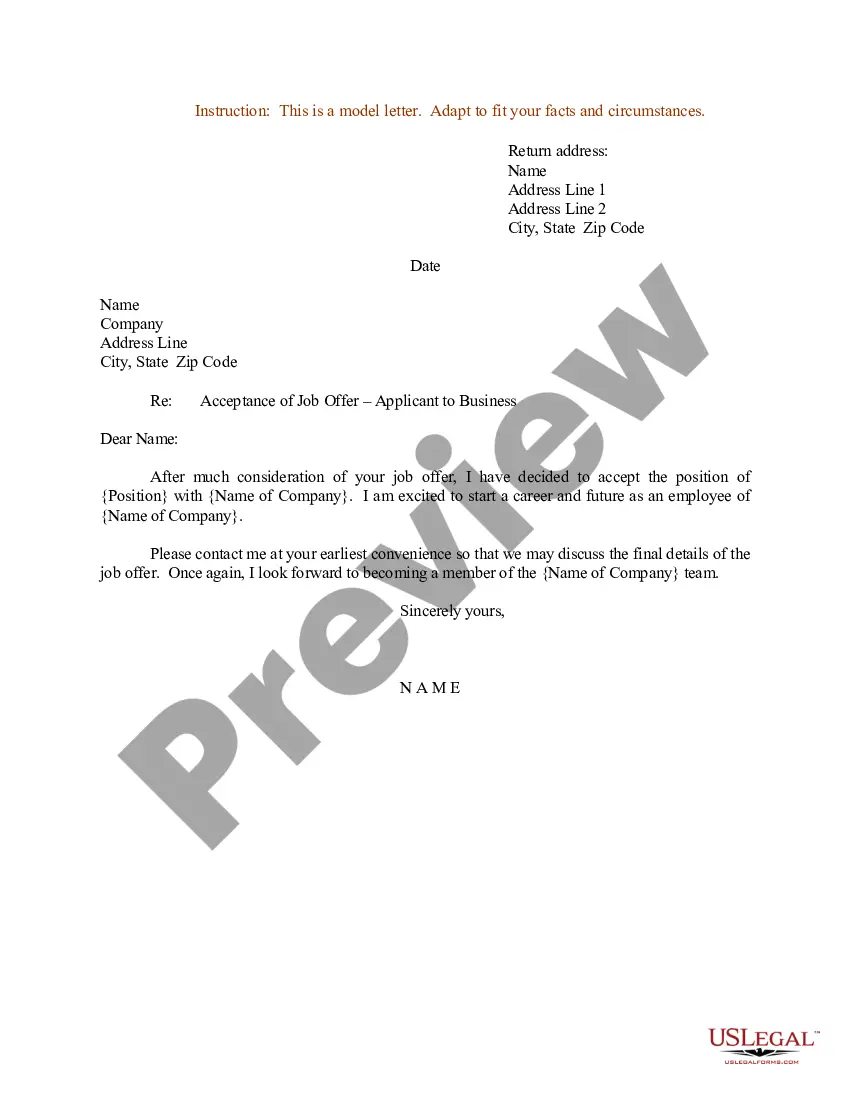
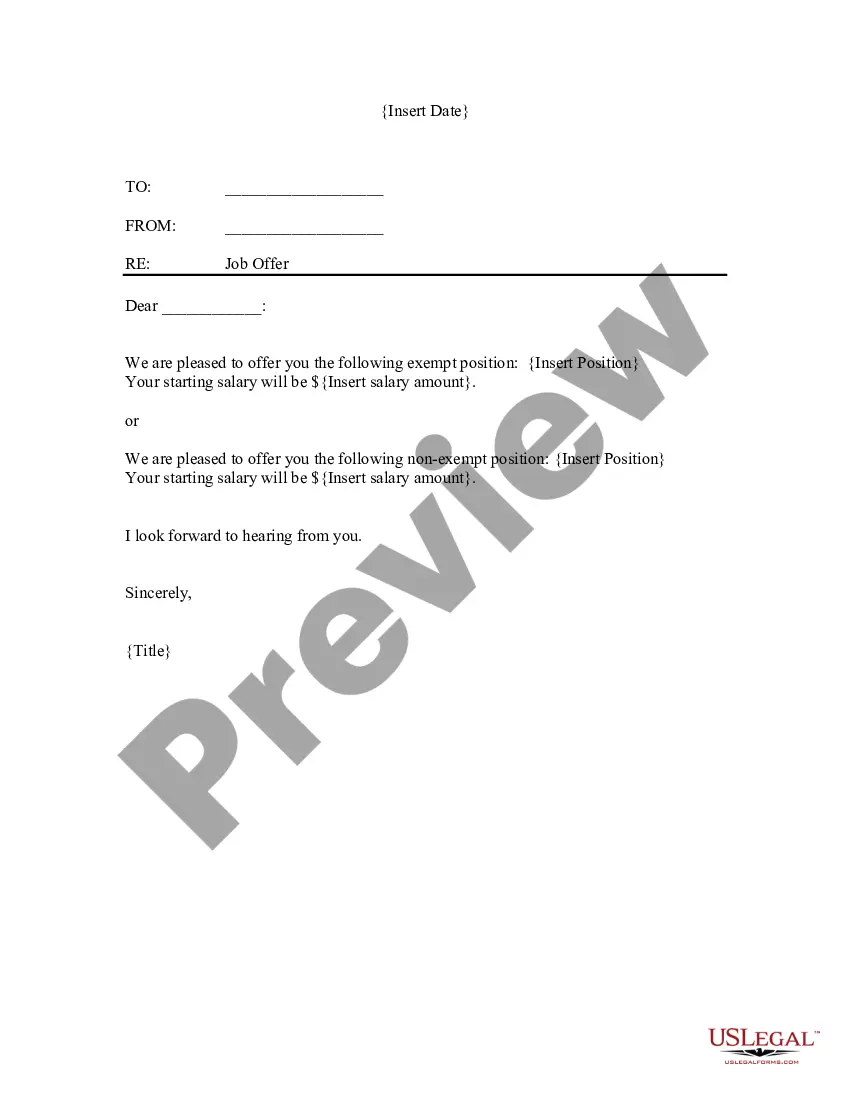
Daycare Acceptance Letter With Immediate Effect In Texas
Description
Get your form ready online
Our built-in tools help you complete, sign, share, and store your documents in one place.
Make edits, fill in missing information, and update formatting in US Legal Forms—just like you would in MS Word.
Download a copy, print it, send it by email, or mail it via USPS—whatever works best for your next step.
Sign and collect signatures with our SignNow integration. Send to multiple recipients, set reminders, and more. Go Premium to unlock E-Sign.
If this form requires notarization, complete it online through a secure video call—no need to meet a notary in person or wait for an appointment.
We protect your documents and personal data by following strict security and privacy standards.

Make edits, fill in missing information, and update formatting in US Legal Forms—just like you would in MS Word.

Download a copy, print it, send it by email, or mail it via USPS—whatever works best for your next step.

Sign and collect signatures with our SignNow integration. Send to multiple recipients, set reminders, and more. Go Premium to unlock E-Sign.

If this form requires notarization, complete it online through a secure video call—no need to meet a notary in person or wait for an appointment.

We protect your documents and personal data by following strict security and privacy standards.
Looking for another form?

Form popularity
FAQ
Requirements include the following: Criminal background check for child care staff. Ongoing training for child care staff, such as CPR, first aid, and safe sleep for infants. Sanitation. Emergency planning. Building safety. Child and caregiver health.
Childcare licensing requirements in Texas Must be at least 21 years old. Have a high school diploma or GED equivalent. Meet specific educational requirements. Have a certificate of completion of the licensing pre-application course dated within one year of the application date. Meet background check requirements.
If you plan on caring for more than three kids at one time, regardless of whether this is in your own home or another location, you need to follow the appropriate licensing processes and obtain your license from DFPS.
The registration process requires the provider to apply to the State of Texas, undergo an on-site inspection, complete an orientation class, and achieve clearances on background checks. The difference between licensing and registering is the amount of state involvement in regulating the daycare facility.
0 – 11 months: 1 adult for every 4 infants. 12 – 17 months: 1 adult for every 5 toddlers. 18 – 23 months: 1 adult for every 9 toddlers. 2 years: 1 adult for every 11 children.
Childcare licensing requirements in Texas Must be at least 21 years old. Have a high school diploma or GED equivalent. Meet specific educational requirements. Have a certificate of completion of the licensing pre-application course dated within one year of the application date. Meet background check requirements.
The Texas Department of Family and Protective Services (DFPS) provides an online portal where individuals can look up daycare violations. Knowing how to look up daycare violations in Texas empowers parents to make informed decisions about the childcare facilities they choose for their children.
Steps to filing a daycare injury lawsuit includes: Report the injury. Seek immediate medical attention. Gather crucial evidence. Consult an attorney. Initiate legal proceedings. Settlement negotiations. Trial.
Just email with enough notice as per the contract and say when her last day will be. Thank them for the care. All done.
Dear Daycare Administrator, My child Child's Name has been enrolled in your daycare center since Year, but our family has made a decision to withdraw from your services effective Date. It was not an easy choice, but we felt this would be best as we are looking for a center that is closer to our home.