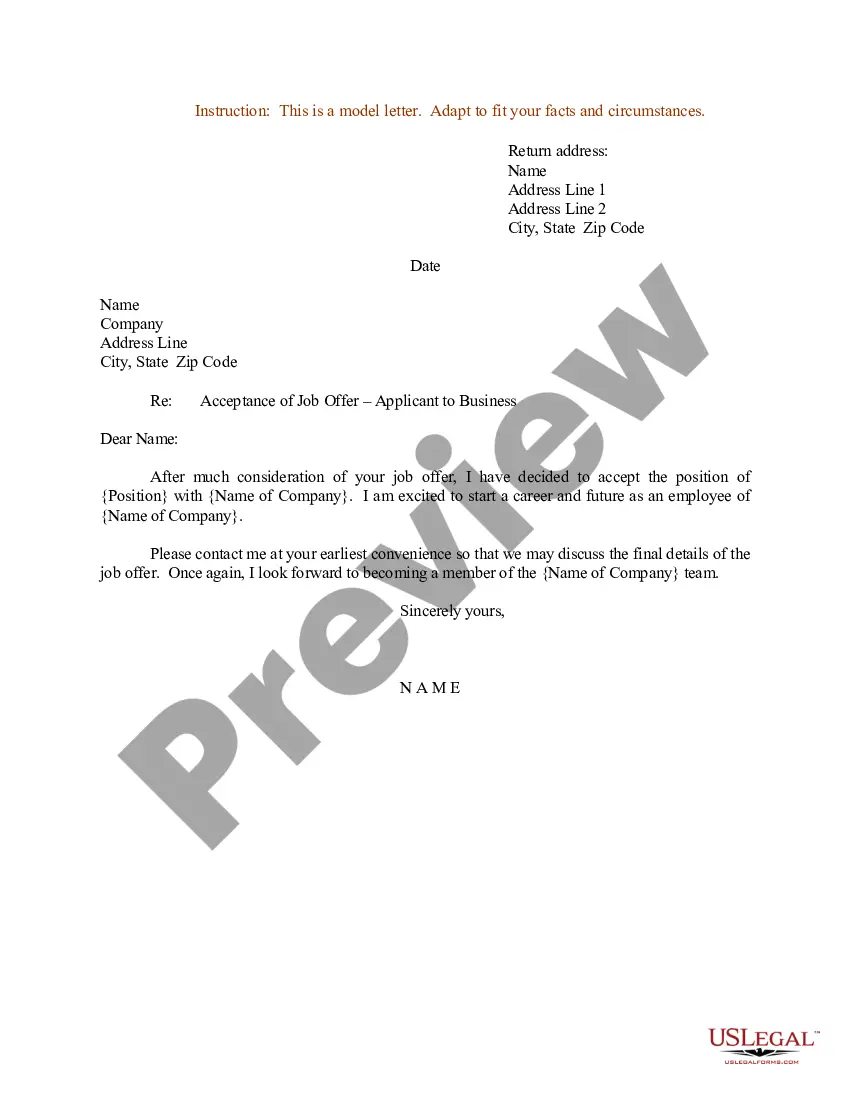
Daycare Acceptance Letter For School In Massachusetts
Description
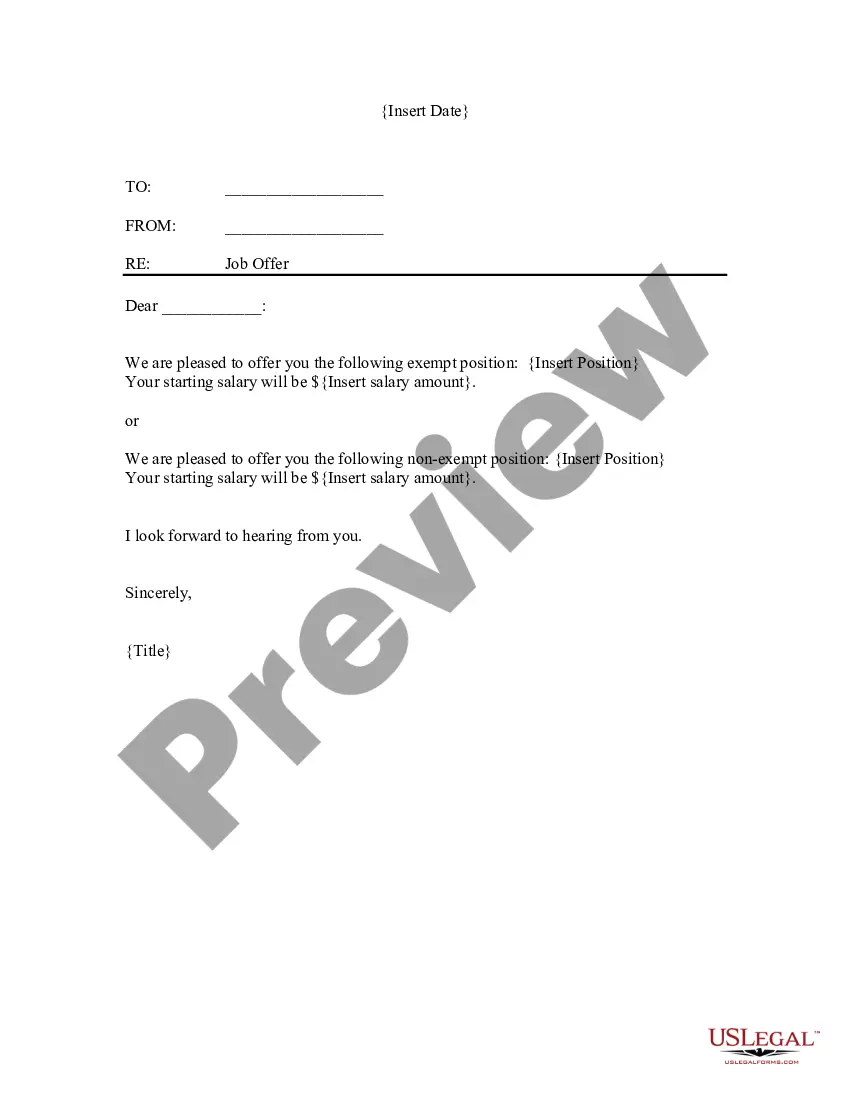
Get your form ready online
Our built-in tools help you complete, sign, share, and store your documents in one place.
Make edits, fill in missing information, and update formatting in US Legal Forms—just like you would in MS Word.
Download a copy, print it, send it by email, or mail it via USPS—whatever works best for your next step.
Sign and collect signatures with our SignNow integration. Send to multiple recipients, set reminders, and more. Go Premium to unlock E-Sign.
If this form requires notarization, complete it online through a secure video call—no need to meet a notary in person or wait for an appointment.
We protect your documents and personal data by following strict security and privacy standards.

Make edits, fill in missing information, and update formatting in US Legal Forms—just like you would in MS Word.

Download a copy, print it, send it by email, or mail it via USPS—whatever works best for your next step.

Sign and collect signatures with our SignNow integration. Send to multiple recipients, set reminders, and more. Go Premium to unlock E-Sign.

If this form requires notarization, complete it online through a secure video call—no need to meet a notary in person or wait for an appointment.

We protect your documents and personal data by following strict security and privacy standards.
Looking for another form?


Form popularity
FAQ
Department of Early Education and Care (EEC)
When managed well, childcare businesses can be profitable, making an average profit of $37,000 annually. While some daycare owners make over $60,000 in profits, others make $20,000 or less. Diversifying revenue streams for small childcare centers is crucial to profitability.
It can take a few years to become a preschool teacher (though you may be able to work as an assistant teacher or in a daycare center with just a high school diploma). If you pursue an associate degree in early childhood education, it can take on average 2 to 3 years to complete your coursework and externship.
- Start with a bachelor's degree in psychology or early childhood education (or a related field). These programs will provide you with a solid foundation in either child development or psychology, both of which are crucial for your future daycare center.
The licensing of childcare enterprises in New York is handled by OCFS. All operators must attend a 15-hour health and safety training program. In addition, the daycare requirements state that every two years, each provider and helper must complete 30 hours of training in nine different topics.
Up to 6 children: A licensed Family Child Care provider may enroll up to 6 children in their program if the children are within the required age limits.
Licensing Requirements Be at least 18 years old. Have cared for children full time or been a parent for at least a year (or have a combination experience and training) or be qualified as a teacher or site coordinator. Have a background with no adverse conduct, verified by an EEC background record check.
Staffing and grouping regulations One adult is required for up to four toddlers, and a second is required for the next five. Preschoolers (34 months to 5 years): Groups can be no larger than 20, with one adult for every 10 preschoolers.
The student-teacher ratio in Massachusetts (13.6 students per teacher) is well below the national average of 15.5 students per teacher. Only nine states have a smaller student-teacher ratio than Massachusetts.