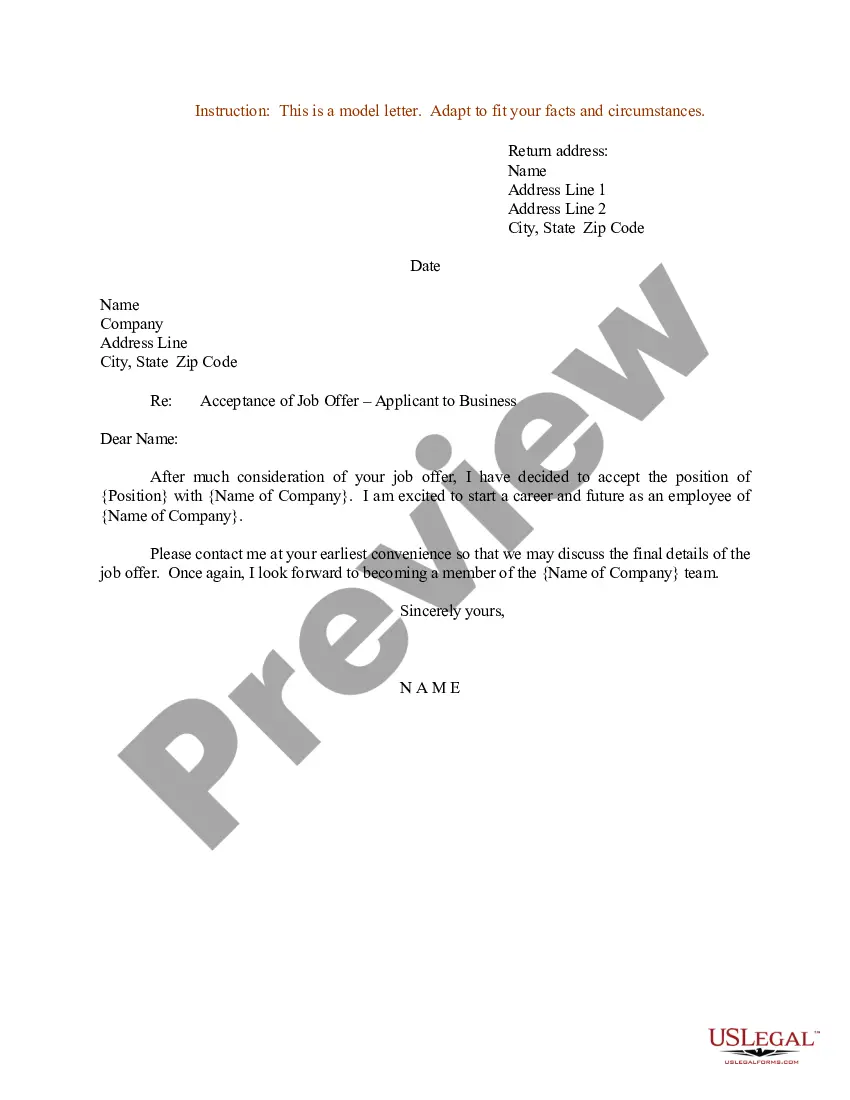
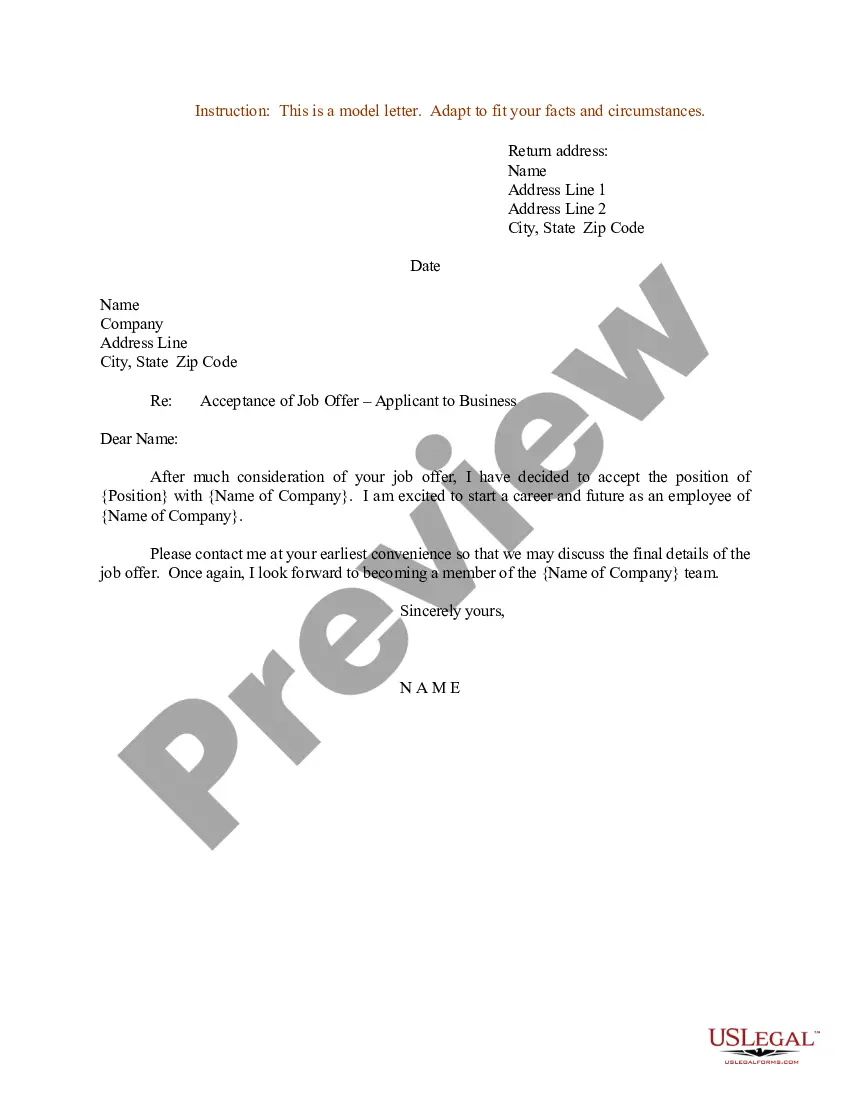
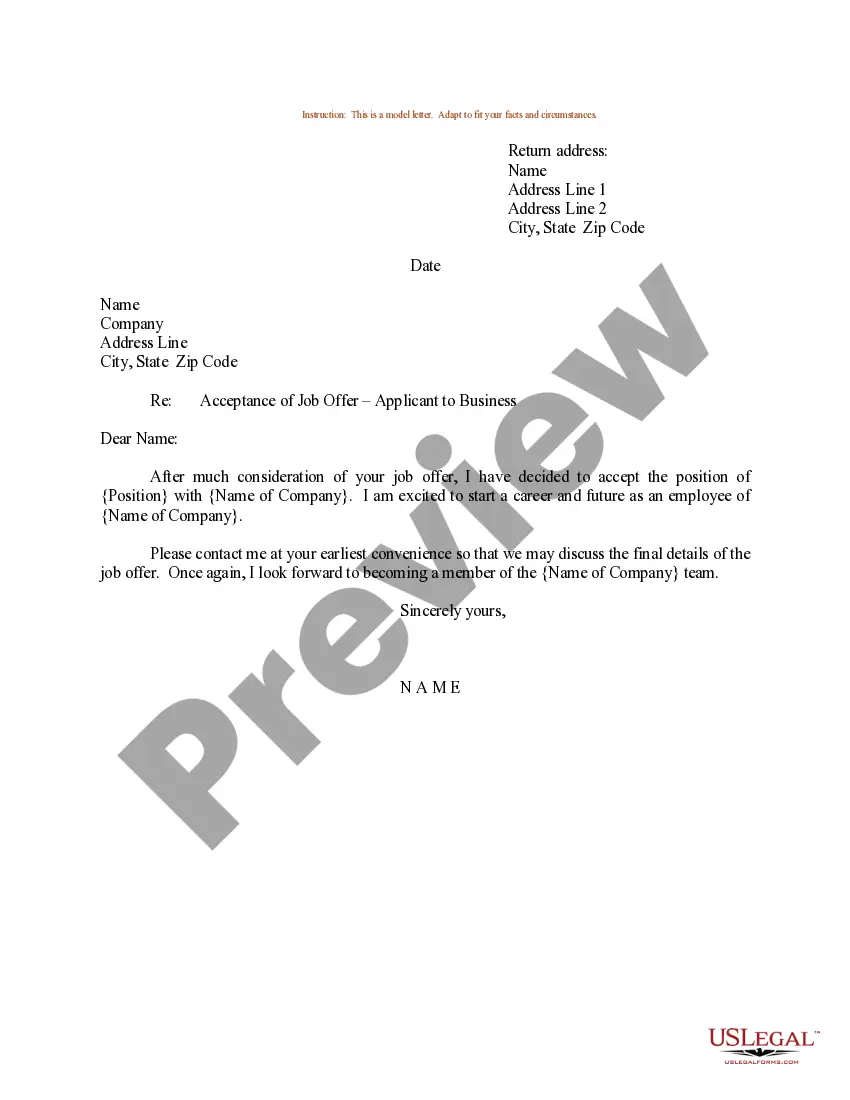
Police Acceptance Letter Format In Hillsborough
Description
Get your form ready online
Our built-in tools help you complete, sign, share, and store your documents in one place.
Make edits, fill in missing information, and update formatting in US Legal Forms—just like you would in MS Word.
Download a copy, print it, send it by email, or mail it via USPS—whatever works best for your next step.
Sign and collect signatures with our SignNow integration. Send to multiple recipients, set reminders, and more. Go Premium to unlock E-Sign.
If this form requires notarization, complete it online through a secure video call—no need to meet a notary in person or wait for an appointment.
We protect your documents and personal data by following strict security and privacy standards.

Make edits, fill in missing information, and update formatting in US Legal Forms—just like you would in MS Word.

Download a copy, print it, send it by email, or mail it via USPS—whatever works best for your next step.

Sign and collect signatures with our SignNow integration. Send to multiple recipients, set reminders, and more. Go Premium to unlock E-Sign.

If this form requires notarization, complete it online through a secure video call—no need to meet a notary in person or wait for an appointment.

We protect your documents and personal data by following strict security and privacy standards.
Looking for another form?

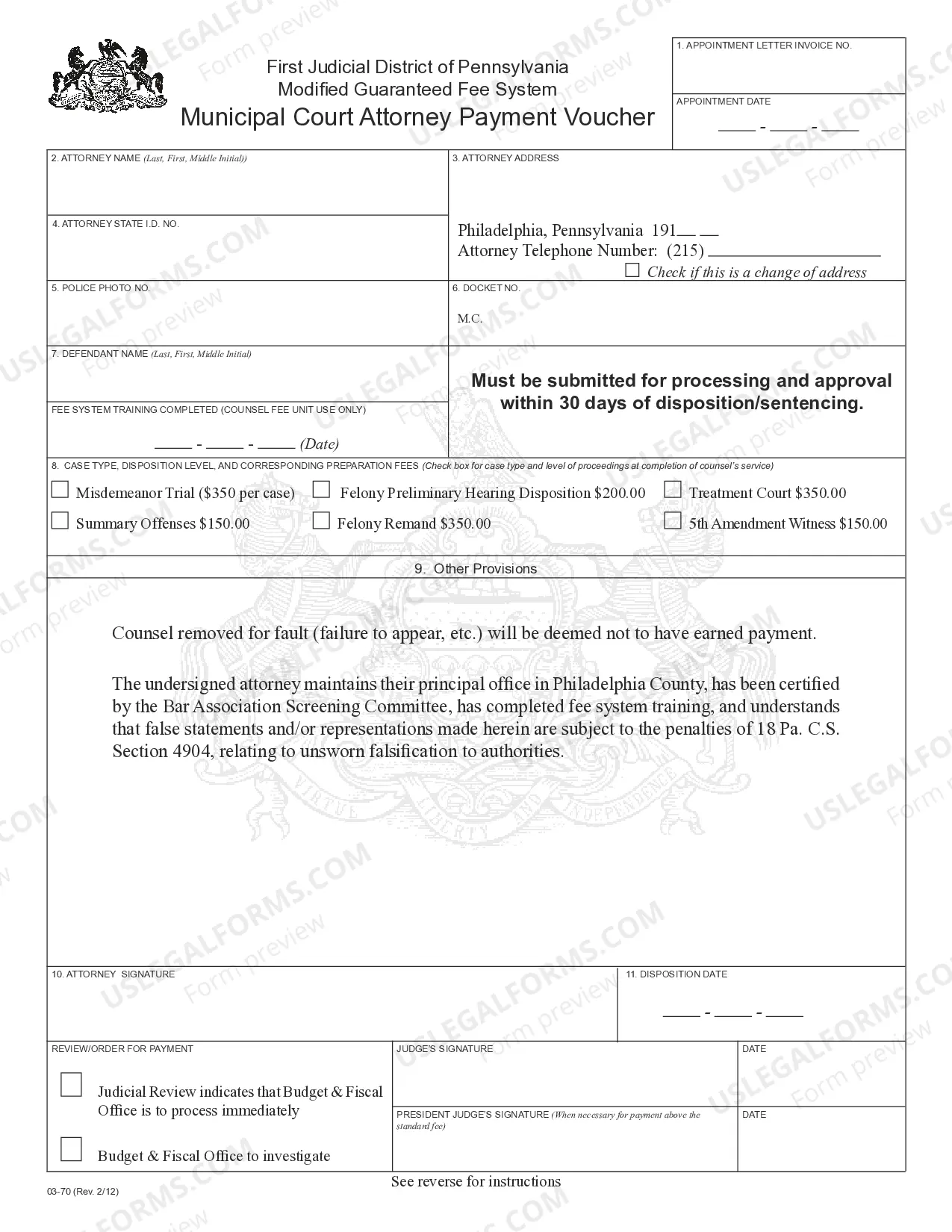





Form popularity
FAQ
Most formal letters will start with 'Dear' before the name of the person that you are writing to. You can choose to use first name and surname, or title. and surname. However, if you don't know the name of the person you are writing to, you must use 'Dear Sir or Madam,'.
Write “Dear Commissioner” and their last name as a salutation. Don't stress about sounding too formal or casual—with letter headers, “Dear” works perfectly fine as a salutation. Use “Commissioner” and their last name, and skip over their first name altogether.
Their full name, followed by their title; for example, “Mary Black, Assistant County Attorney,” with a salutation of “Dear Ms. Black.”
In order to do so, you must use the first letter of the officer's first name, and the entire last name. Example: Officer John Doe would be jdoe@unioncitypd.
Include titles that people have because of their profession or accomplishments in the salutation. Hence, use titles like "Professor", "Judge", "Officer", "Governor" and "Dr." For example, "Dear Dr (full name)" or "Dear Dr (last name)." Use "Ms" for women.
Step-by-Step Guide to Writing a Statement Letter Step 1: Start with a Clear and Concise Opening. Step 2: Introduce Yourself and Your Purpose. Step 3: Provide Relevant Details and Supporting Information. Step 4: Address Any Concerns or Objections. Step 5: Conclude with a Call to Action or Next Steps.
Be honest and objective in your statement, and avoid exaggerating or embellishing your account of what happened. Your goal should be to provide a clear and accurate picture of the events, so that the court or tribunal can make an informed decision.
Writing a statement A written statement should be presented in typed form. Stick to the facts and try not to insert your opinions. Be descriptive and detailed when discussing the event and include. Be concise in your writing and only include relevant information.
To reach Hillsborough County's Customer Service and Support Department, please call (813) 272-5900.
Hillsborough County Sheriff's Office Headquarters Tampa, Florida Deputy Sheriffs and Corrections 2,067 (L.E. and Detention) Civilians 1,375 Agency executive Chad Chronister (R), Sheriff22 more rows