Police Acceptance Letter For Complaint In Cook
Description
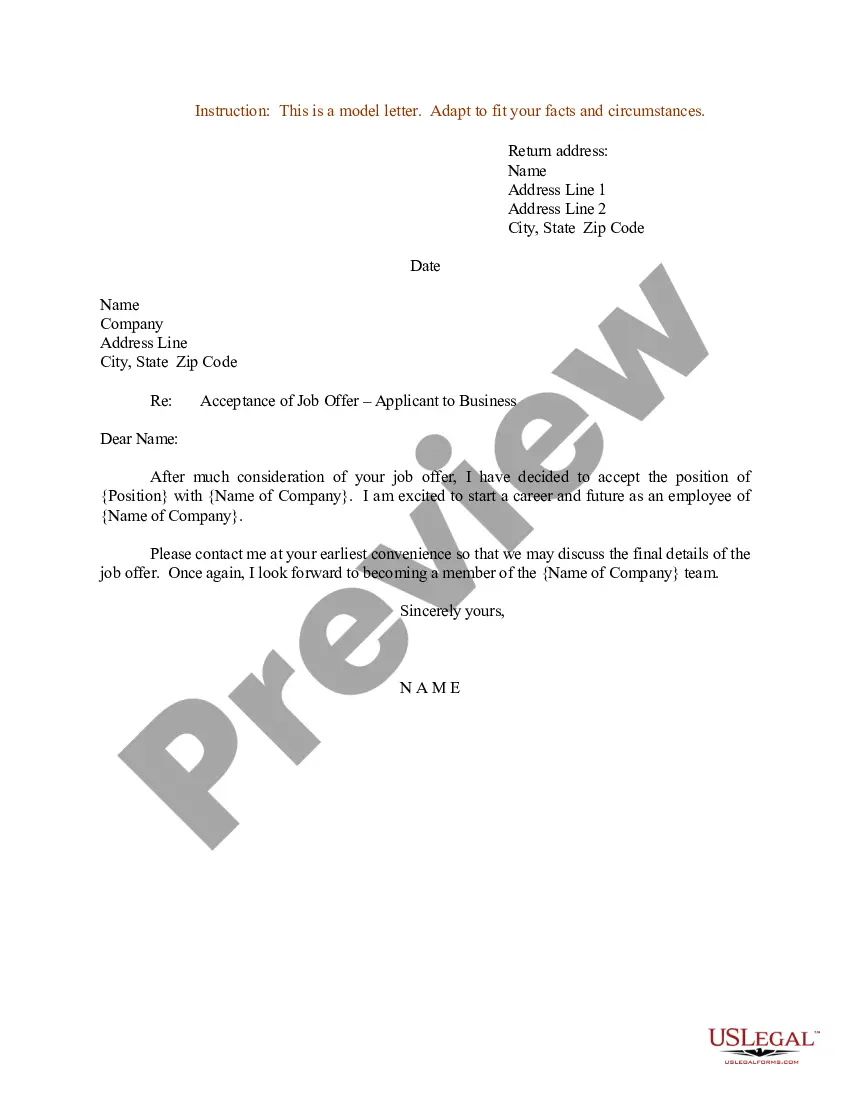
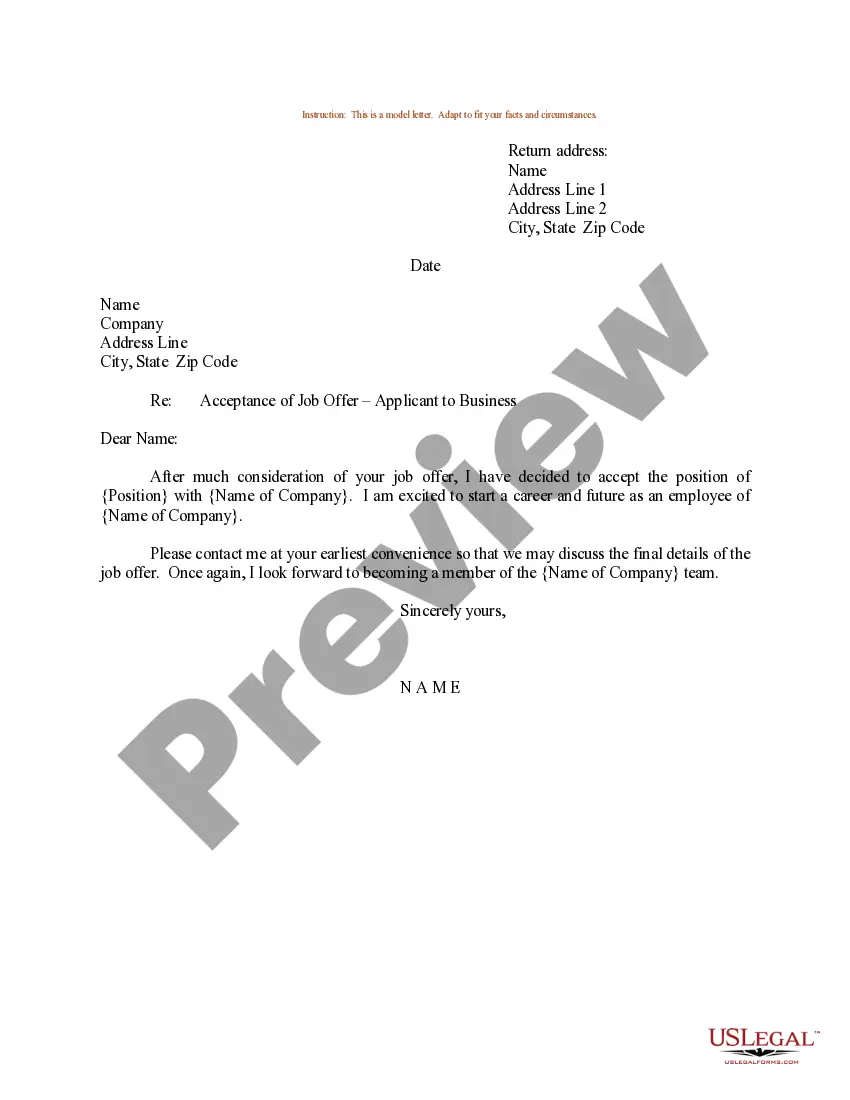
Get your form ready online
Our built-in tools help you complete, sign, share, and store your documents in one place.
Make edits, fill in missing information, and update formatting in US Legal Forms—just like you would in MS Word.
Download a copy, print it, send it by email, or mail it via USPS—whatever works best for your next step.
Sign and collect signatures with our SignNow integration. Send to multiple recipients, set reminders, and more. Go Premium to unlock E-Sign.
If this form requires notarization, complete it online through a secure video call—no need to meet a notary in person or wait for an appointment.
We protect your documents and personal data by following strict security and privacy standards.

Make edits, fill in missing information, and update formatting in US Legal Forms—just like you would in MS Word.

Download a copy, print it, send it by email, or mail it via USPS—whatever works best for your next step.

Sign and collect signatures with our SignNow integration. Send to multiple recipients, set reminders, and more. Go Premium to unlock E-Sign.

If this form requires notarization, complete it online through a secure video call—no need to meet a notary in person or wait for an appointment.

We protect your documents and personal data by following strict security and privacy standards.
Looking for another form?
Form popularity
FAQ
Basic rules keep your letter to the point. You need to give enough detail for your employer to be able to investigate your complaint properly. keep to the facts. never use abusive or offensive language. explain how you felt about the behaviour you are complaining about but don't use emotive language.
Information To Include in Your Letter Give the basics. Tell your story. Explain how you want to resolve the problem. Describe your next steps. Send your complaint letter. Your Mailing Address Your City, State, Zip Code Your email address
Information To Include in Your Letter Give the basics. Tell your story. Explain how you want to resolve the problem. Describe your next steps. Send your complaint letter. Your Mailing Address Your City, State, Zip Code Your email address
Tips for writing a successful complaint letter the subject of your complaint. your original expectation about the subject. what went wrong. details of any attempts by the other party to put right the problem, and why they did not work. why the fault or error or action affects you so greatly. what compensation you seek.
9 mistakes to avoid Don't be vague or leave out details. Don't make unreasonable demands. Don't assume the reader is responsible. Don't write words that are angry, sarcastic, or threatening. Don't leave out proof. Don't forget to include copies of all relevant documents.
Dear (CEO or director's name), I am writing to you today to express my deep dissatisfaction with (company or entity's name). On (date), I (state what happened). I was (describe how you were affected). I have tried to resolve this issue with (name of person you spoke to), but I have not been satisfied with the results.
Guidelines to Write a Complaint Letter Be formal and prevent using harsh or offensive or abusive language. Concentrate on the most critical details. The objective of writing should be obvious. Do not stray from the topic and write concisely. It is critical to introduce the person authoring the letter.