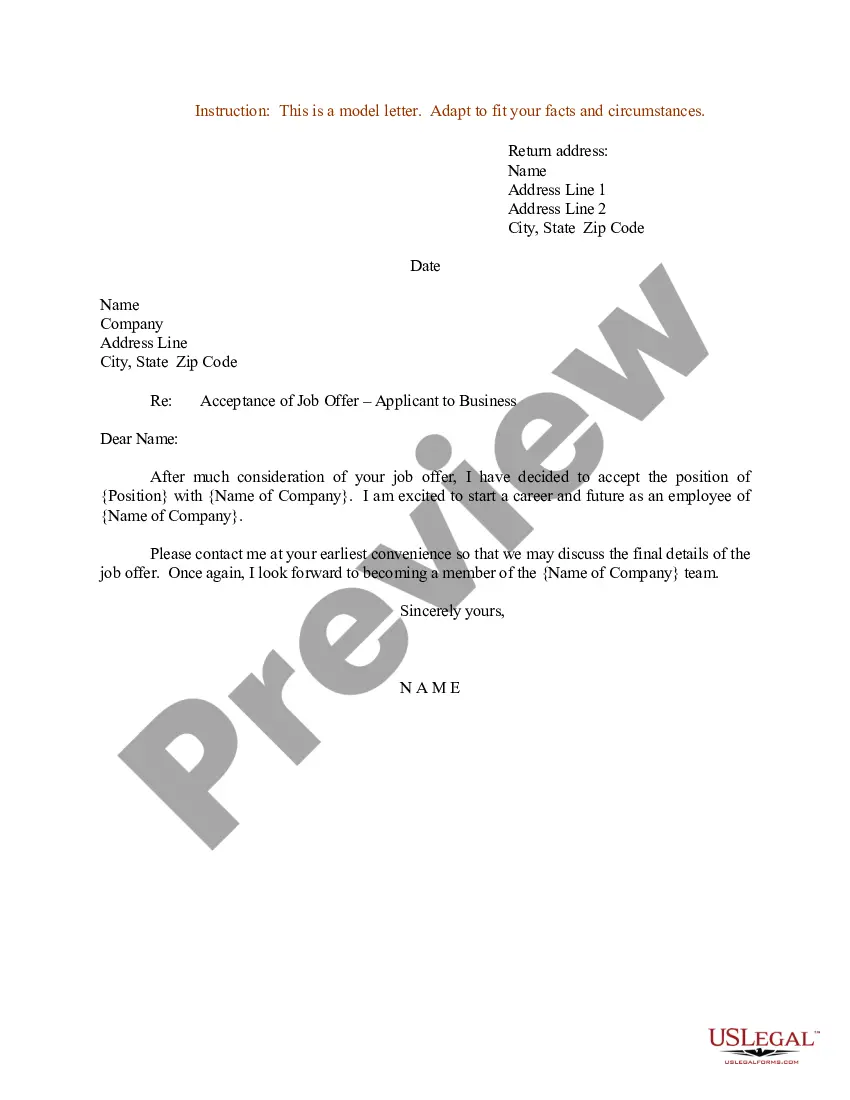
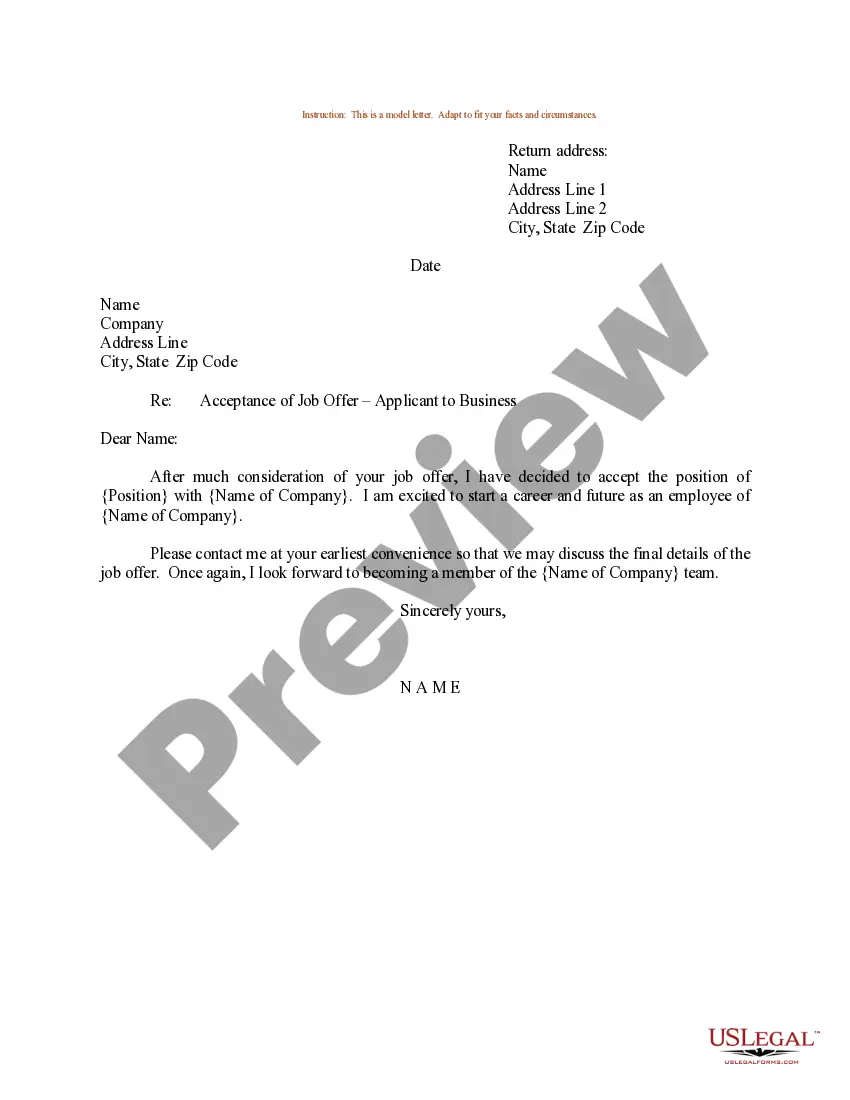
Police Acceptance Letter Format In California
Description
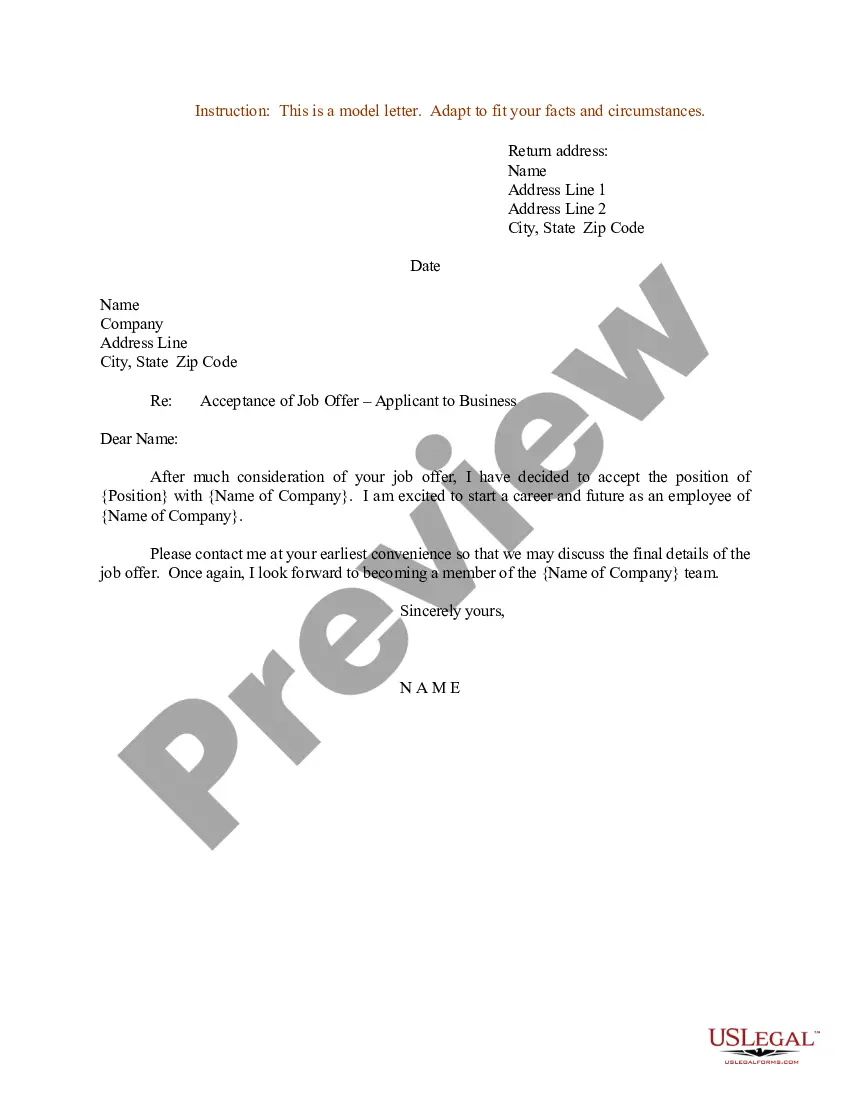
Get your form ready online
Our built-in tools help you complete, sign, share, and store your documents in one place.
Make edits, fill in missing information, and update formatting in US Legal Forms—just like you would in MS Word.
Download a copy, print it, send it by email, or mail it via USPS—whatever works best for your next step.
Sign and collect signatures with our SignNow integration. Send to multiple recipients, set reminders, and more. Go Premium to unlock E-Sign.
If this form requires notarization, complete it online through a secure video call—no need to meet a notary in person or wait for an appointment.
We protect your documents and personal data by following strict security and privacy standards.

Make edits, fill in missing information, and update formatting in US Legal Forms—just like you would in MS Word.

Download a copy, print it, send it by email, or mail it via USPS—whatever works best for your next step.

Sign and collect signatures with our SignNow integration. Send to multiple recipients, set reminders, and more. Go Premium to unlock E-Sign.

If this form requires notarization, complete it online through a secure video call—no need to meet a notary in person or wait for an appointment.

We protect your documents and personal data by following strict security and privacy standards.
Looking for another form?






Form popularity
FAQ
POST Professional Certificates The POST Professional Certificate Program fosters education, training, and professionalism in law enforcement; raises the level of competence of law enforcement officers; and fosters cooperation between the Commission, its clients, and individuals.
There are several ways to file a complaint with the California Civil Rights Department (CRD). The fastest and easiest way is online via the California Civil Rights System (CCRS) portal. Complaints can also be accepted through mail, email, and other methods.
The California Department of Corrections and Rehabilitation (CDCR) Personal History Statement is a form that is used by the CDCR to collect background information from individuals who are applying for positions within the department.
Training Courses The Basic Course is a minimum of 664 hours; however, most of the 38 certified academies are 17 to 20 weeks, and some are longer. Following completion of the Basic Course, every officer below the first-level management position must satisfy a Continuing Professional Training ( CPT ) requirement.
Be at least 21 years old. Have United States citizenship or residency. Graduate from an accredited or approved high school or an educational equivalent, such as a GED. Pass an assessment for reading and writing abilities.
Use of any steroids. Excessive use of marijuana within the past year. History of driver's license suspension/revocation: lack of automobile insurance. Being at fault in three or more traffic collisions within the past five years.
California POST does not have reciprocity with other states, nor do we have a challenge process. California POST has a Basic Course Waiver (BCW) process for individuals who want to become California peace officers and have completed at least 664 hours of general law enforcement training (including a general law ...
The POST requirements usually include: Be at least 21 years old. Have United States citizenship or residency. Graduate from an accredited or approved high school or an educational equivalent, such as a GED. Pass an assessment for reading and writing abilities.
Completion and submittal of a Personal History Statement (PHS) is the first step of the Background Investigation. The PHS requires compilation of extensive biographical information, fingerprinting, and an interview with a background investigator.