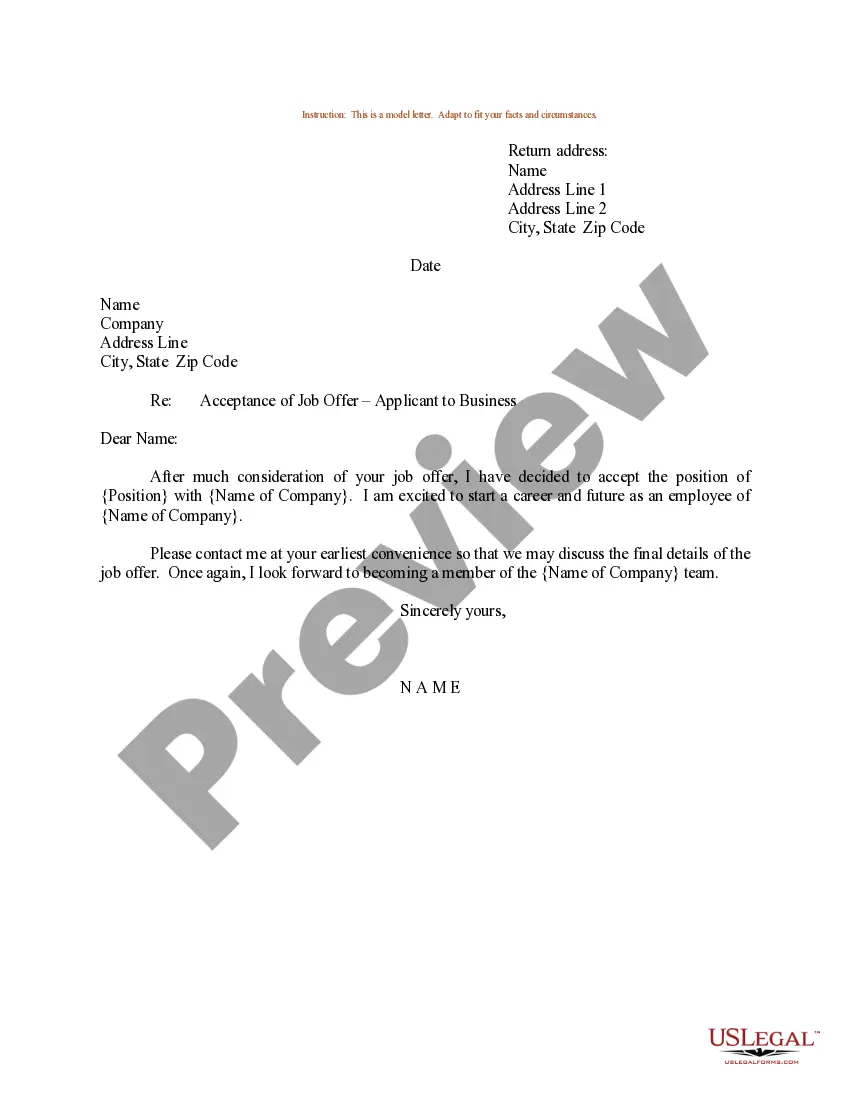
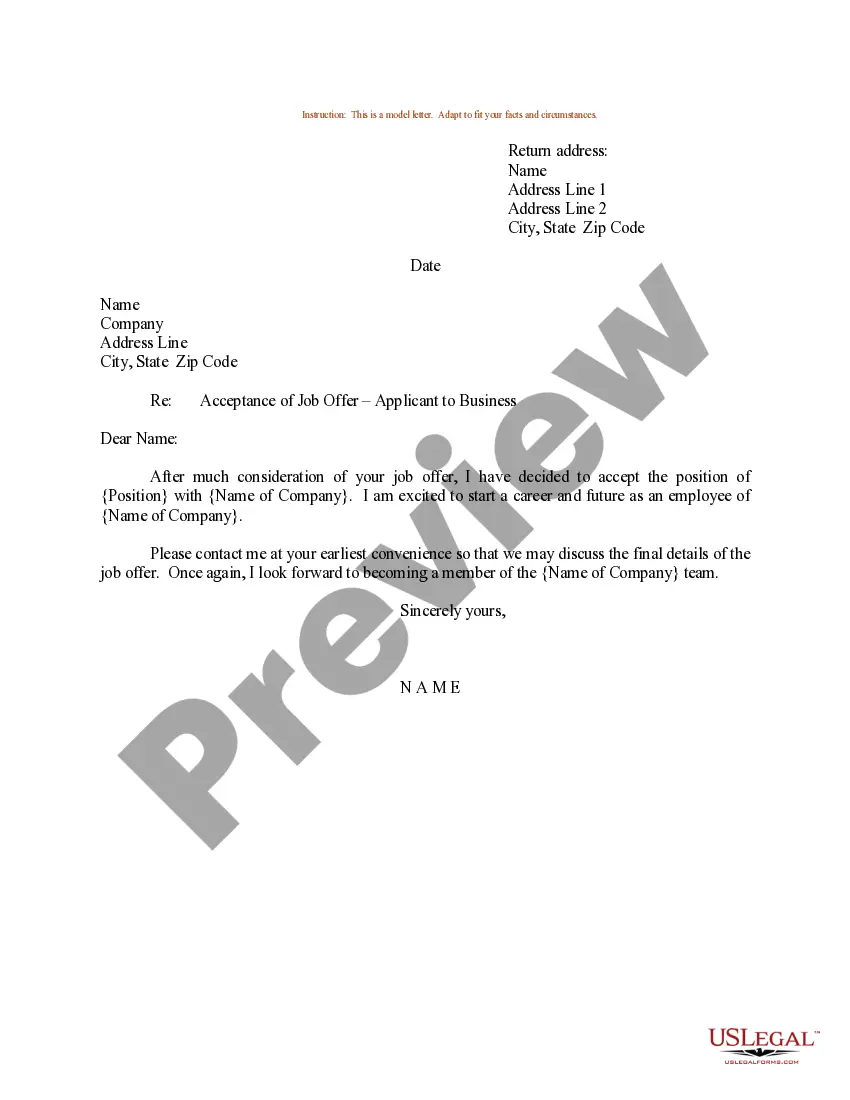
Carta Modelo Formal In New York
Description
Get your form ready online
Our built-in tools help you complete, sign, share, and store your documents in one place.
Make edits, fill in missing information, and update formatting in US Legal Forms—just like you would in MS Word.
Download a copy, print it, send it by email, or mail it via USPS—whatever works best for your next step.
Sign and collect signatures with our SignNow integration. Send to multiple recipients, set reminders, and more. Go Premium to unlock E-Sign.
If this form requires notarization, complete it online through a secure video call—no need to meet a notary in person or wait for an appointment.
We protect your documents and personal data by following strict security and privacy standards.

Make edits, fill in missing information, and update formatting in US Legal Forms—just like you would in MS Word.

Download a copy, print it, send it by email, or mail it via USPS—whatever works best for your next step.

Sign and collect signatures with our SignNow integration. Send to multiple recipients, set reminders, and more. Go Premium to unlock E-Sign.

If this form requires notarization, complete it online through a secure video call—no need to meet a notary in person or wait for an appointment.

We protect your documents and personal data by following strict security and privacy standards.
Looking for another form?








Form popularity
FAQ
Estimado seor / Estimada seora – Dear sir / Dear madam. Muy seor mío: / Muy seora mía – Dear sir / Dear madam. Estimados seores – Dear sirs/ madams. A quien pueda interesar: / A quien corresponda – To whom it may concern.
“Atentamente” is a common formal closing in Spanish, which translates to “sincerely” in English. Other formal options include “Cordialmente” (cordially) and “Saludos cordiales” (warm regards).
Greetings for Formal Emails in Spanish A quien corresponda: (To whom it may concern:) Estimada/o + the person's title and surname. Querido José: (Dear José:) Mi nombre es____. Mi nombre es Claire Stone y soy la profesora de su hijo John. Escribo de parte de____. Cualquier cosa estoy a su disposición. Espero su respuesta.
The salutation “Dear” may sound formal nowadays, but it's still a perfect choice for any business letter. If you know the gender of your recipient, use “Dear” followed by a person's title (Mr., Ms.) and their last name: “Dear Ms.
Formal letter greetings SpanishEnglish Estimado: / Estimada: Dear Sir, / Dear Madam, Estimado seor _____: / Estimada seora _____: Dear Mister _____, / Dear Mrs. _____ Estimados colegas: Dear colleagues, A quien corresponda: To whom it may concern,5 more rows •
Formal Salutations Estimado Seor Apellido, (Dear Mr. Estimada Seora Apellido, (Dear Mrs. Estimado/a Nombre completo, (Dear Full Name,) – This is gender-neutral and can be used when you are unsure of the recipient's gender. A quien corresponda, (To whom it may concern,) – Use this when the recipient is unknown.
Use 'Yours sincerely,' when writing to a named person. Use 'Yours faithfully,' when using the 'Dear Sir/Madam' greeting. Use the semi-formal 'Best regards,' or 'Kind regards,' if you wish the tone to be slightly less formal.
Using “Dear Title Last Name” In most cases, formal letters begin with "Dear Title Last Name." This format is perfect for situations where you know the recipient's name and title.
To file a motion for contempt in New York, certain criteria must be met. There must be an existing order of the court that is clear and unambiguous, and the accused must be proven to have known about this order and willfully disobeyed it.
The notice of entry must state exactly when and by whom the order or judgment was entered, and if it describes the judgment or order, the description must be accurate (93 Siegel's Practice Review 3). An incorrect date of entry is a material defect that renders a notice of entry void.