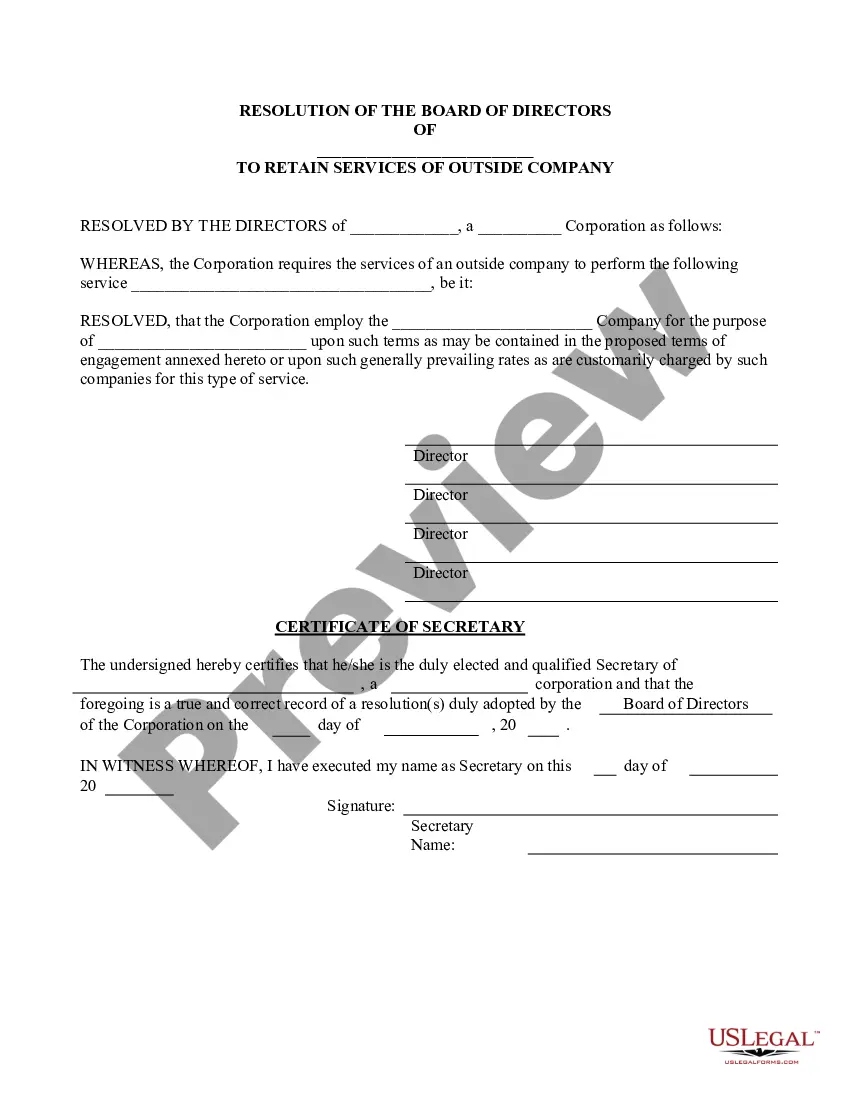
Offer Acceptance Letter Format In Harris
Description
Get your form ready online
Our built-in tools help you complete, sign, share, and store your documents in one place.
Make edits, fill in missing information, and update formatting in US Legal Forms—just like you would in MS Word.
Download a copy, print it, send it by email, or mail it via USPS—whatever works best for your next step.
Sign and collect signatures with our SignNow integration. Send to multiple recipients, set reminders, and more. Go Premium to unlock E-Sign.
If this form requires notarization, complete it online through a secure video call—no need to meet a notary in person or wait for an appointment.
We protect your documents and personal data by following strict security and privacy standards.

Make edits, fill in missing information, and update formatting in US Legal Forms—just like you would in MS Word.

Download a copy, print it, send it by email, or mail it via USPS—whatever works best for your next step.

Sign and collect signatures with our SignNow integration. Send to multiple recipients, set reminders, and more. Go Premium to unlock E-Sign.

If this form requires notarization, complete it online through a secure video call—no need to meet a notary in person or wait for an appointment.

We protect your documents and personal data by following strict security and privacy standards.
Looking for another form?




Form popularity
FAQ
While UChicago does not officially require a letter of recommendation from your counselor, many school counselors will still choose to submit one on your behalf. If they do, that letter will be considered as a part of the application review.
Schools vary with regard to the number of required recommendation letters, ranging from two to five. Three letters is the most common requirement.
In short, the answer is typically three: one from the school counselor and two from teachers. But, of course, there's a longer answer too: it depends on the school and the circumstance. In most cases, however, the answer is three letters of recommendation.
In support of each application, a minimum of three letters of recommendation are required; up to five are accepted. These letters must be submitted electronically through the online application. Letters of recommendation as attachments to an email or by fax are not accepted.
It's in the name – an acceptance letter is a type of professional letter used to formally respond to offers or requests. Most commonly, they're used to accept job offers, but they could also be used to accept an award, event invitation, or even a school placement. They're more than a formal way to say “yes”, though.
How to write an admissions acceptance letter Prepare the header. Begin the letter with an official header that includes the student's full name and address. Confirm the candidate's admission. Share congratulations. Explain how to accept. Include optional details. Encourage them to accept.
As a rule of thumb, don't ask your recommenders to prepare more than 3 letters. Periodically check in with your recommenders to make sure they're on track to complete letters by the deadline.
Most schools notify students electronically and with hard copies, so you can expect both mailed and emailed college acceptance letters. Some students will instead get an email notification to view their college acceptance letters through a school's online portal.
Give the school your answer. Once your college acceptance letters are in and you've decided which college or university to attend, it's time to respond to your school of choice. You can usually do this by filling out a form and sending it to the college along with a non-refundable deposit.
If you received your college acceptance letter via email, you can respond directly to that email. If the letter was sent through direct mail, consider replying with a physical letter. The college admissions board often specifies their preferred method of communication in the acceptance letter.