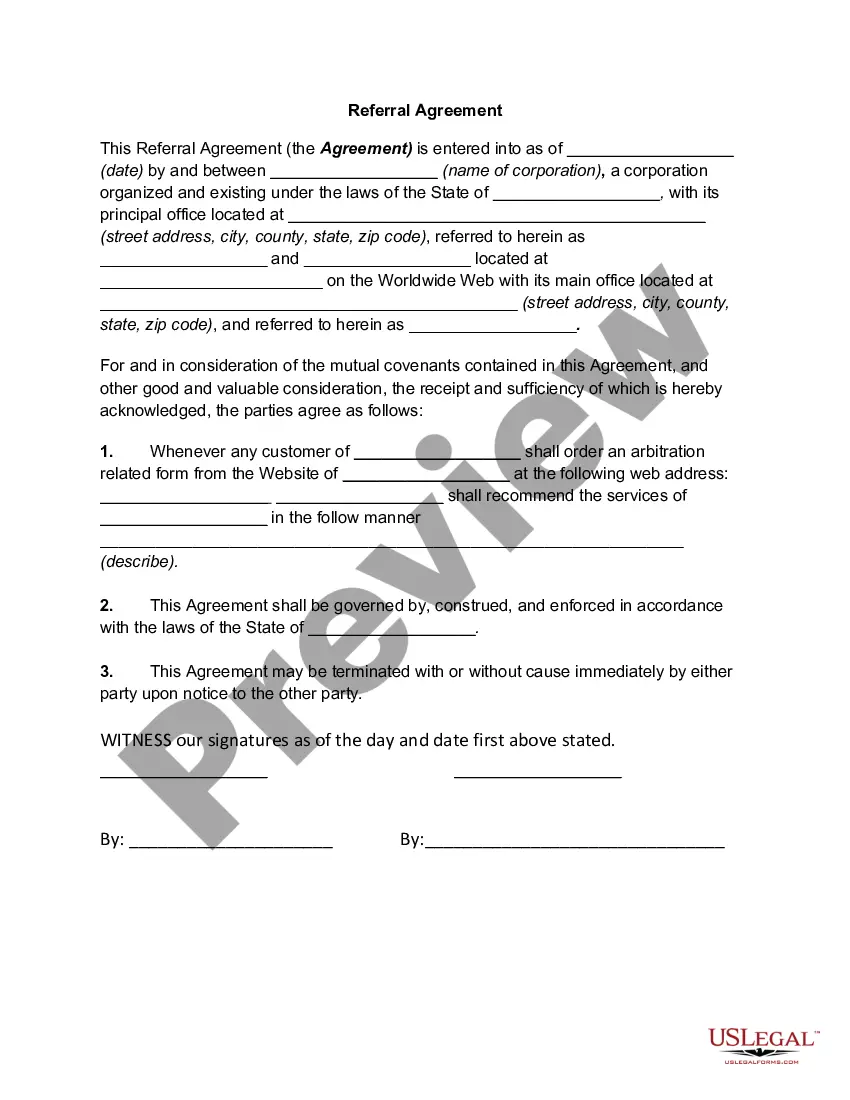
Client Referral Agreement For Physical Therapy In Massachusetts
Description
Get your form ready online
Our built-in tools help you complete, sign, share, and store your documents in one place.
Make edits, fill in missing information, and update formatting in US Legal Forms—just like you would in MS Word.
Download a copy, print it, send it by email, or mail it via USPS—whatever works best for your next step.
Sign and collect signatures with our SignNow integration. Send to multiple recipients, set reminders, and more. Go Premium to unlock E-Sign.
If this form requires notarization, complete it online through a secure video call—no need to meet a notary in person or wait for an appointment.
We protect your documents and personal data by following strict security and privacy standards.

Make edits, fill in missing information, and update formatting in US Legal Forms—just like you would in MS Word.

Download a copy, print it, send it by email, or mail it via USPS—whatever works best for your next step.

Sign and collect signatures with our SignNow integration. Send to multiple recipients, set reminders, and more. Go Premium to unlock E-Sign.

If this form requires notarization, complete it online through a secure video call—no need to meet a notary in person or wait for an appointment.

We protect your documents and personal data by following strict security and privacy standards.
Looking for another form?




Form popularity
FAQ
Typically, all 50 states and the District of Columbia have approved direct access to physical therapists. It is also important to note that before making an appointment, you should call ahead to make sure the clinic is covered through your insurance.
Generally, no you do not, you may contact a therapist on your own and get set up. Some insurances, rarely will require a prior authorization for treatment but the therapist may take care of that. One thing you can do to be certain is to contact your insurance company and ask them.
NO is the short answer, you do not need a referral for physiotherapy, remedial massage, myotherapy or a dietitian.
One of the most common misconceptions about physical therapy is that you need a referral to schedule an appointment. While needing a referral depends on a variety of factors, all states now have some level of direct access allowing quicker entry into therapy.
Massachusetts is one of 20 states that allow patients total, unrestricted access to a physical therapist. No type of physician referral is required for a physical therapist to treat a patient. So, if you are suffering from acute or chronic pain, you don't have to wait to see a physical therapist.
How do I write a script for physical therapy? Your referral only needs to include the patient's main complaint, e.g. “low back pain” and your name and credentials. The physical therapist will evaluate the patient and determine the classification, cause and appropriate treatment plan for the patient.
Direct Access to Physical Therapy All 50 states and the District of Columbia have approved direct access to physical therapists, meaning you do not need to go to a doctor first when you are seeking physical therapy.
Components of a Physical Therapy Prescription A written explanation of the chief complaint or reason for the need for physical therapy intervention. Recommended frequency of treatment. Authorized length of the plan of care. Name, signature, and license or identification number of medical practitioner authorizing care.
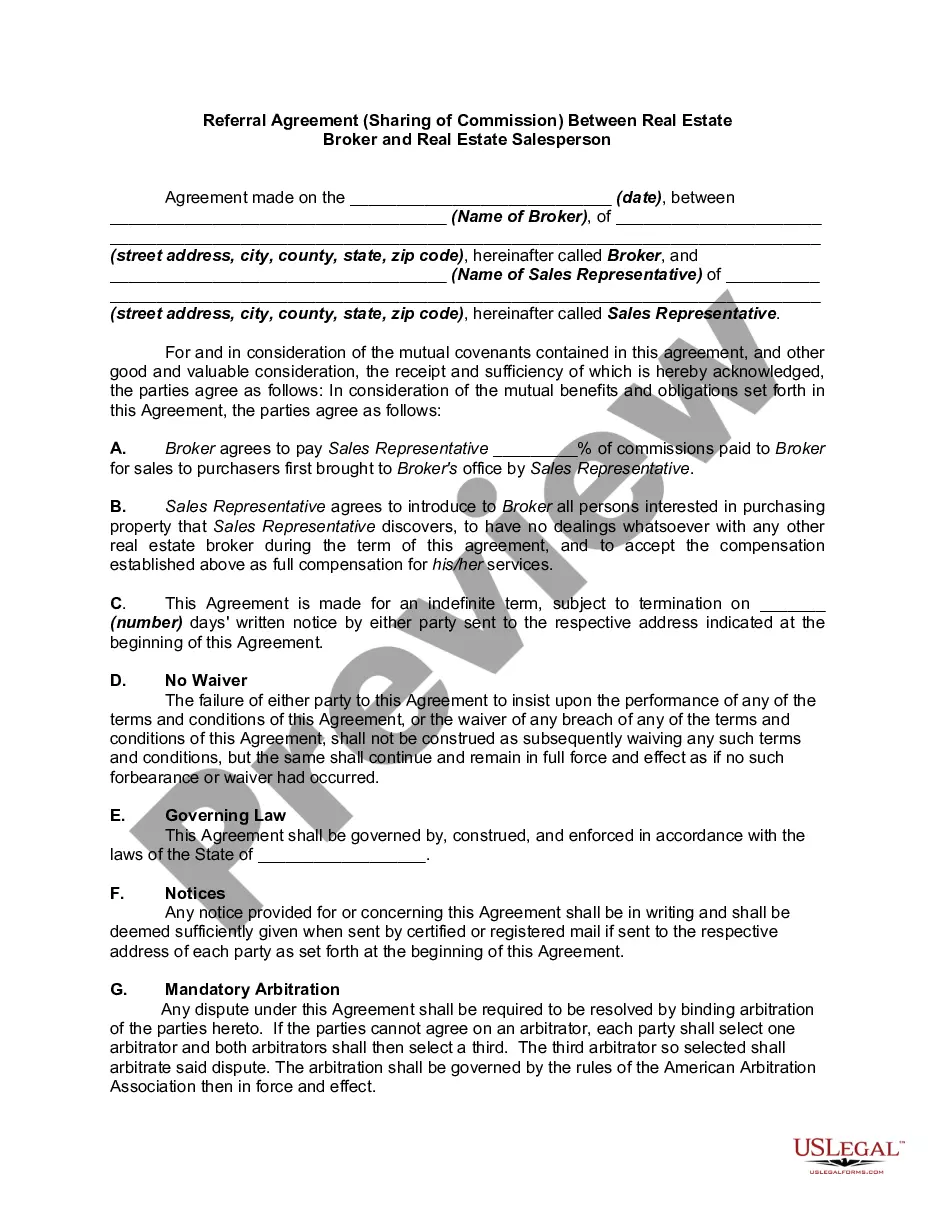
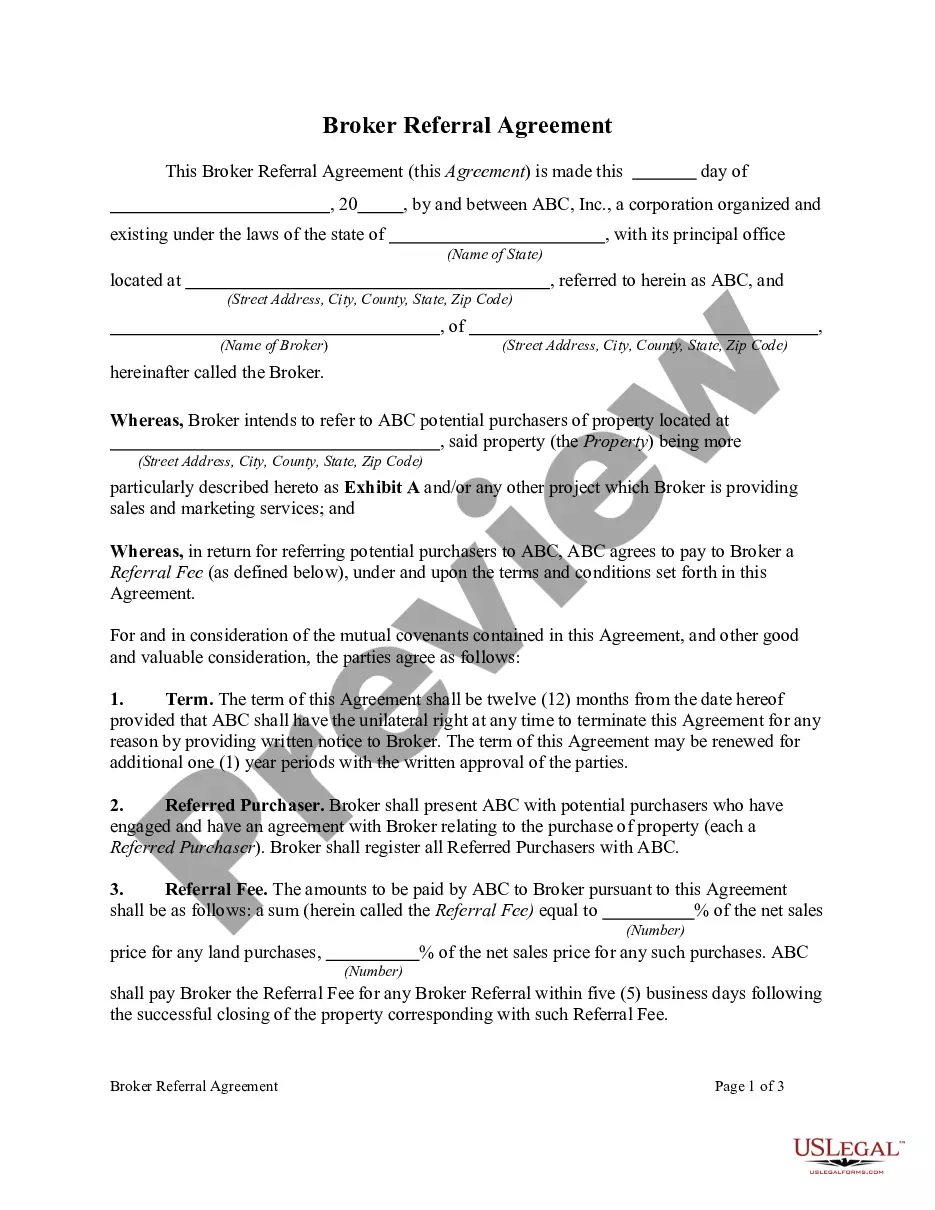
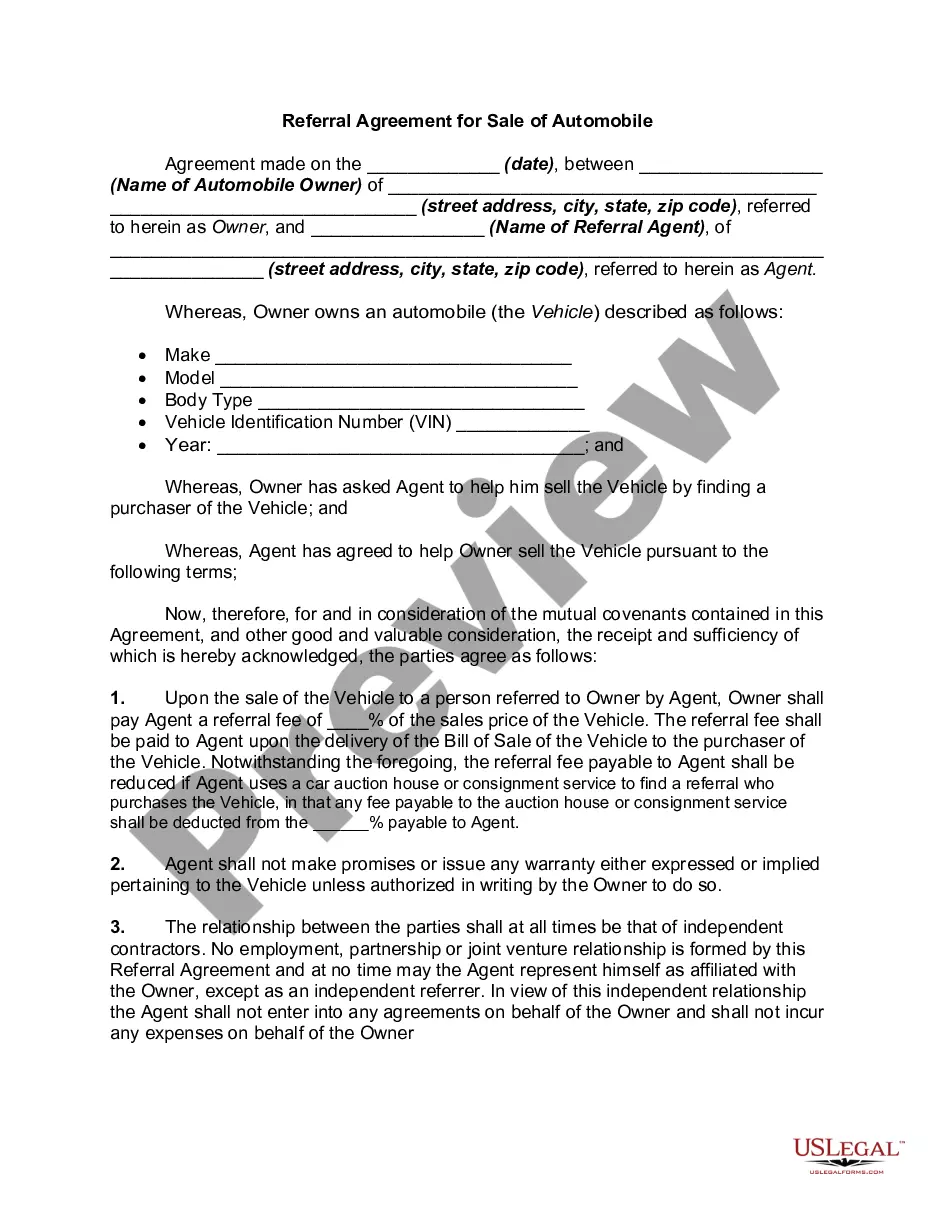
Leave a signature. Include both addresses. At the top of the letter of referral, include your address, contact information, the date and address of the recipient. Write a brief introduction. Give an overview of the applicant's strengths. Share a story of the applicant. Add a closing statement. Leave a signature.
South Carolina A physical therapist can treat direct access patients when: Therapy does not continue beyond 30 days after the initial evaluation. If care continues beyond 30 days, the therapist must refer to a licensed physician or dentist. The therapist thinks the care is within his or her scope.