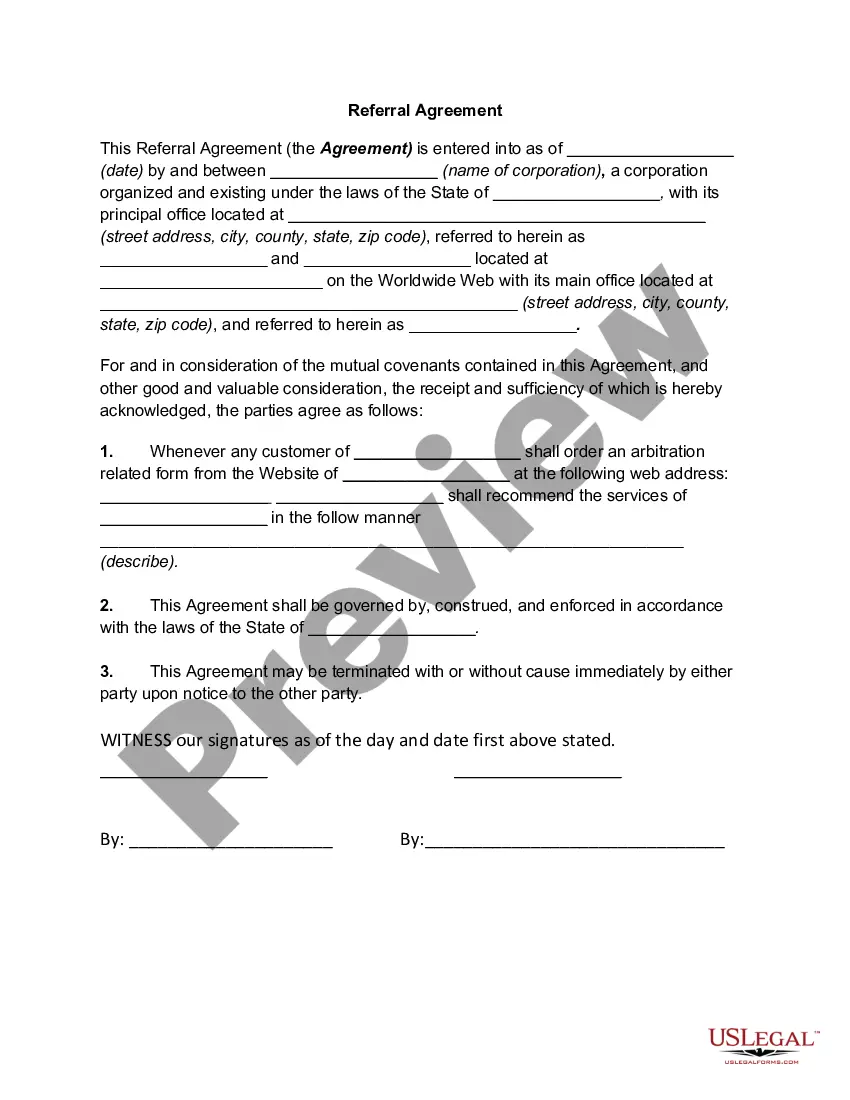
Client Referral Agreement For Physical Therapy In Bexar
Description
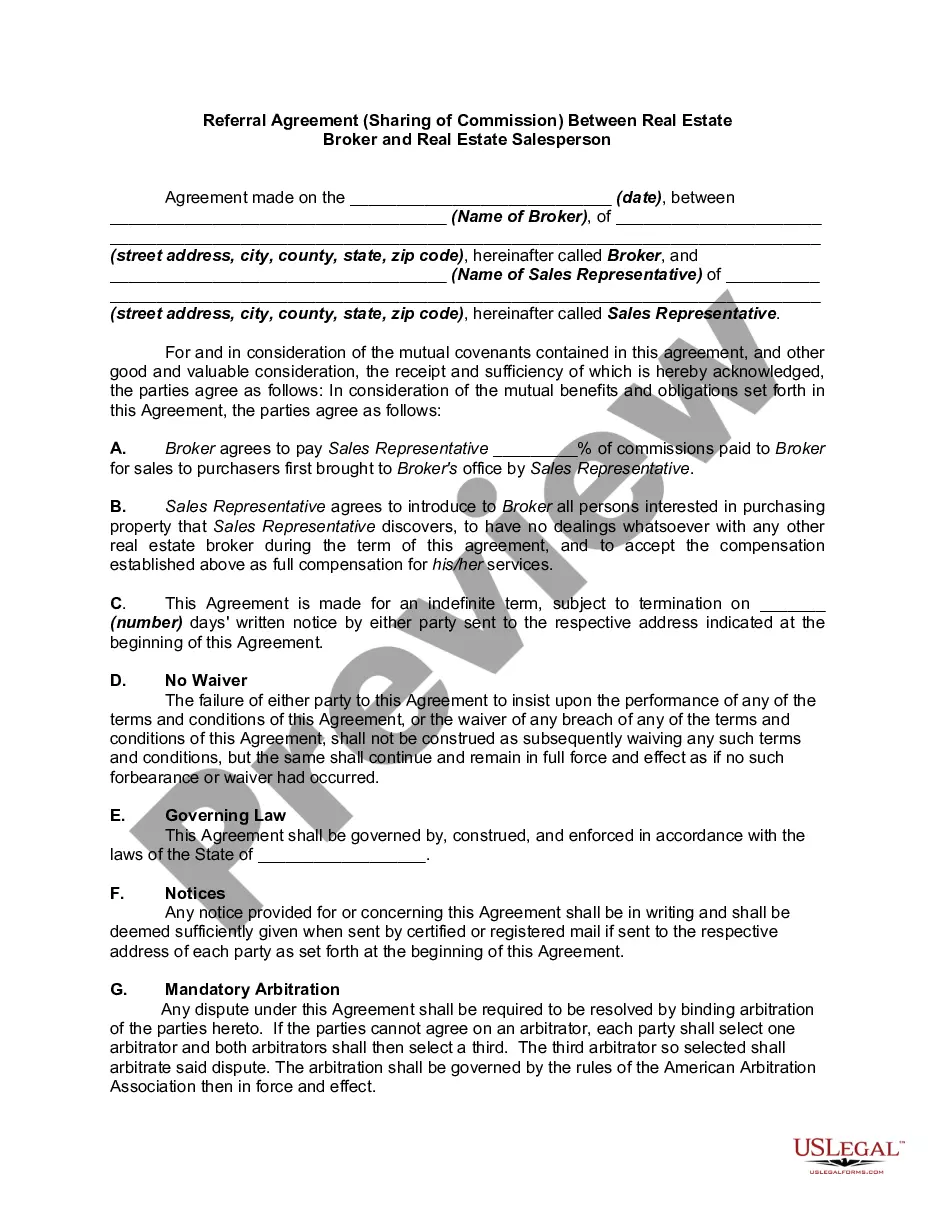
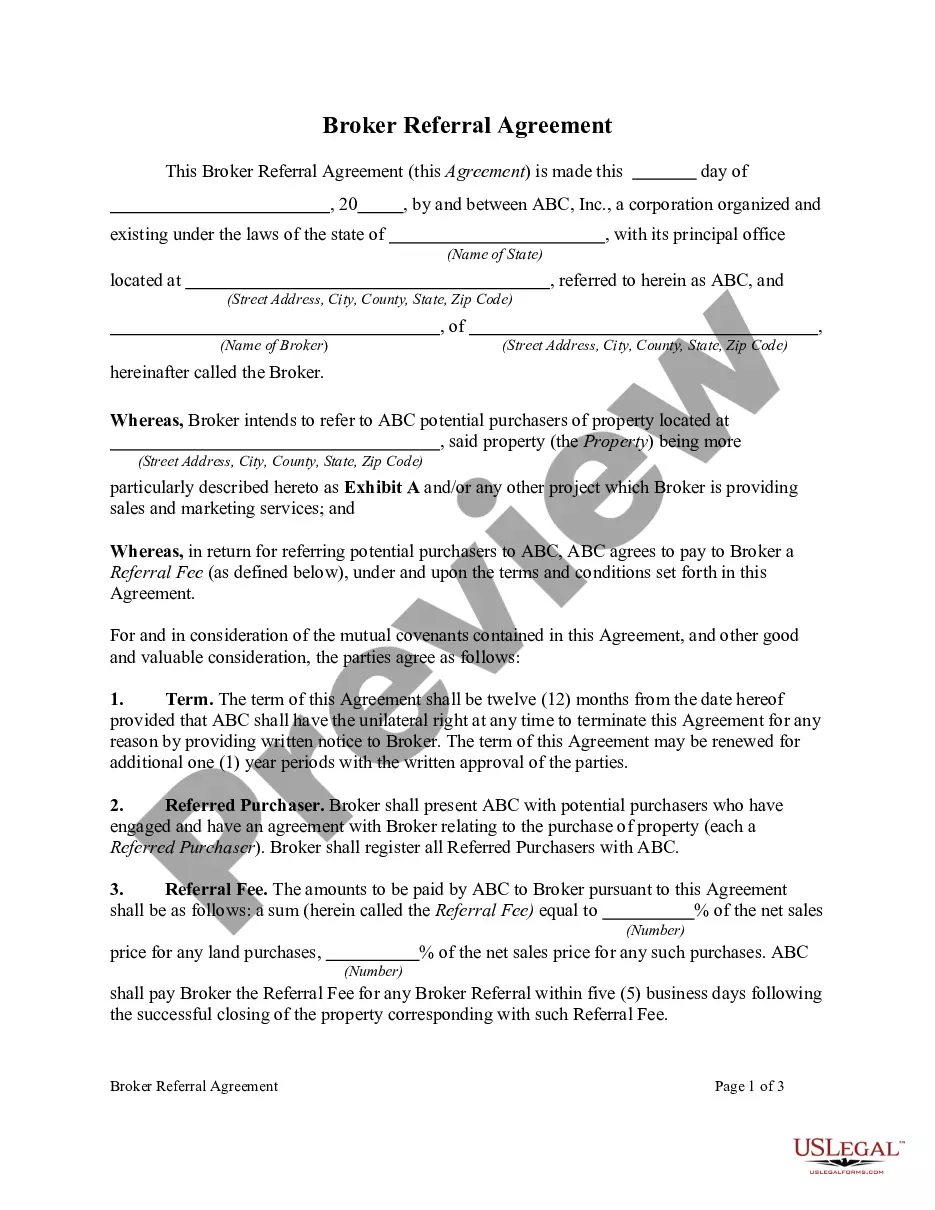
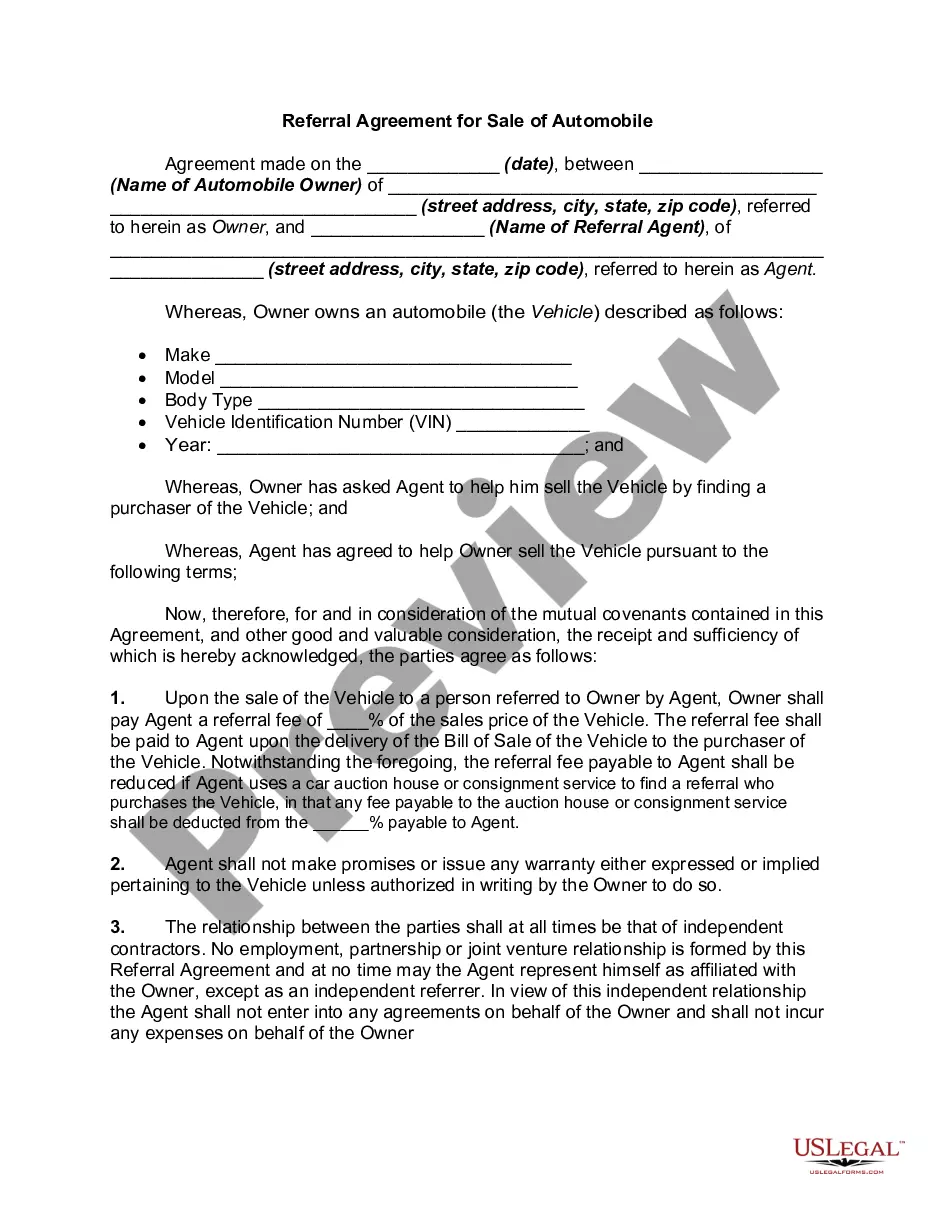
Get your form ready online
Our built-in tools help you complete, sign, share, and store your documents in one place.
Make edits, fill in missing information, and update formatting in US Legal Forms—just like you would in MS Word.
Download a copy, print it, send it by email, or mail it via USPS—whatever works best for your next step.
Sign and collect signatures with our SignNow integration. Send to multiple recipients, set reminders, and more. Go Premium to unlock E-Sign.
If this form requires notarization, complete it online through a secure video call—no need to meet a notary in person or wait for an appointment.
We protect your documents and personal data by following strict security and privacy standards.

Make edits, fill in missing information, and update formatting in US Legal Forms—just like you would in MS Word.

Download a copy, print it, send it by email, or mail it via USPS—whatever works best for your next step.

Sign and collect signatures with our SignNow integration. Send to multiple recipients, set reminders, and more. Go Premium to unlock E-Sign.

If this form requires notarization, complete it online through a secure video call—no need to meet a notary in person or wait for an appointment.

We protect your documents and personal data by following strict security and privacy standards.
Looking for another form?







Form popularity
FAQ
Components of a Physical Therapy Prescription A written explanation of the chief complaint or reason for the need for physical therapy intervention. Recommended frequency of treatment. Authorized length of the plan of care. Name, signature, and license or identification number of medical practitioner authorizing care.
Thanks to Direct Access legislation, physical therapy patients can now get evaluations and treatments directly from a licensed physical therapist (PT) without first obtaining a doctor's prescription or referral. It essentially means anyone can visit a physical therapist whenever they want.
What Information Should a Referral Letter Have? Your contact information. The recipient's name, title, and address in an appropriate format. A specific salutation. A brief introduction. A discussion of the applicant's work or performance. An explanation of how the candidate is a standout.
Parts of a referral agreement Date. The date should appear at the beginning and end of the contract. Names and roles of the parties involved. Identify the parties to the agreement. Duration of the agreement. State how long the agreement will last. Consideration. Acceptance.
Colleague's Name and I have known each other for length of time and I have been impressed with their skills and work ethic and believe they would be a great fit at Company Name. Colleague's Name has relevant skills and experience that make them an ideal candidate for the role.
An Introduction Agency Agreement, also known as a referral agreement, is a contract between two parties: one who introduces or refers potential clients and the company receiving the new clients.
Thanks to Direct Access legislation, physical therapy patients can now get evaluations and treatments directly from a licensed physical therapist (PT) without first obtaining a doctor's prescription or referral. It essentially means anyone can visit a physical therapist whenever they want.
In California, direct access to physical therapy has been legally supported since 2014 through Assembly Bill 1000. This law allows you to receive physical therapy services directly, provided the treatment extends for no more than 45 days or 12 visits, whichever comes first.
A client referral form is an ideal way to capture this information, so you can track where new business came from, and reward customers for making referrals. Depending on your business and sales approach, you can embed the form in campaign emails, or embed it directly into your website.