Borrowing For Rental Property In Virginia
Description
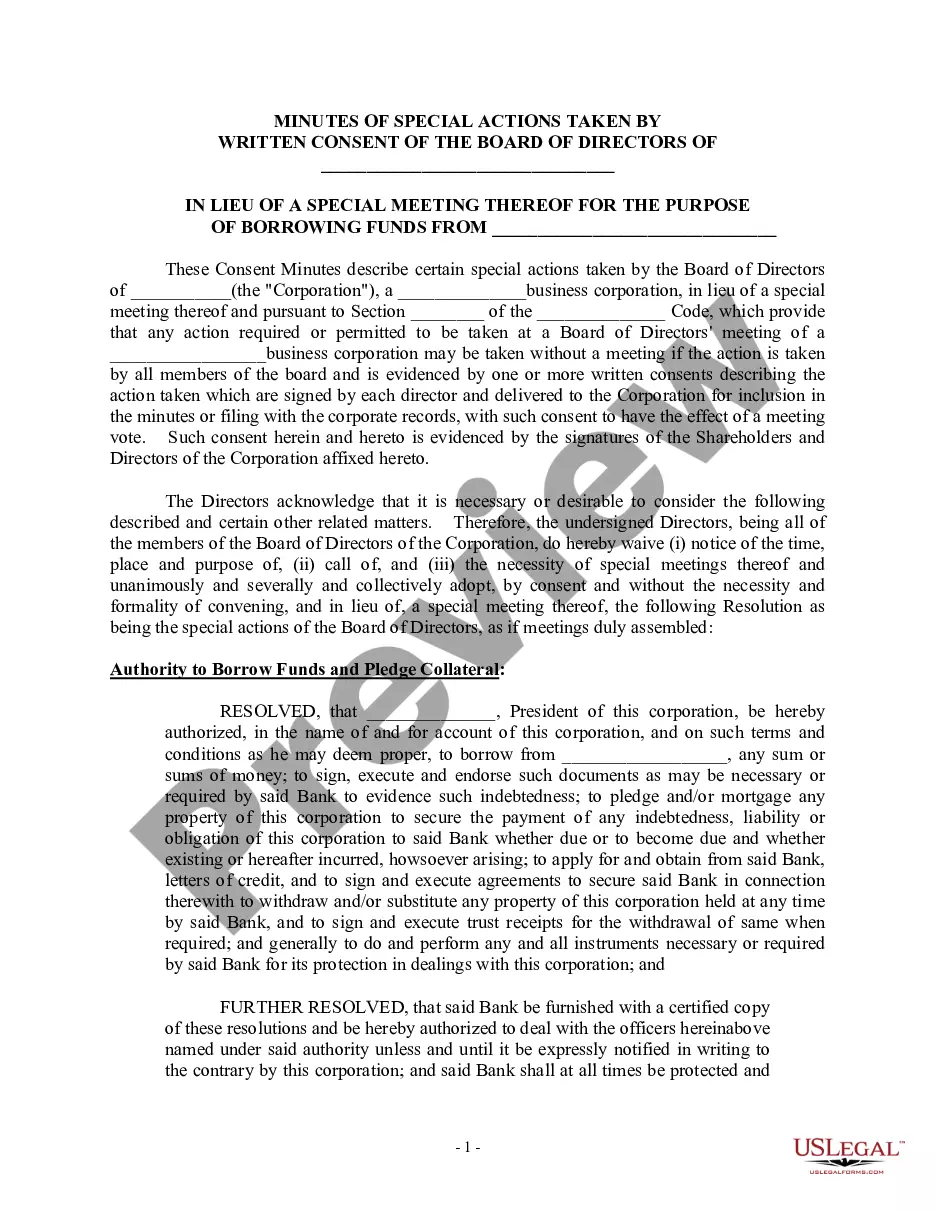
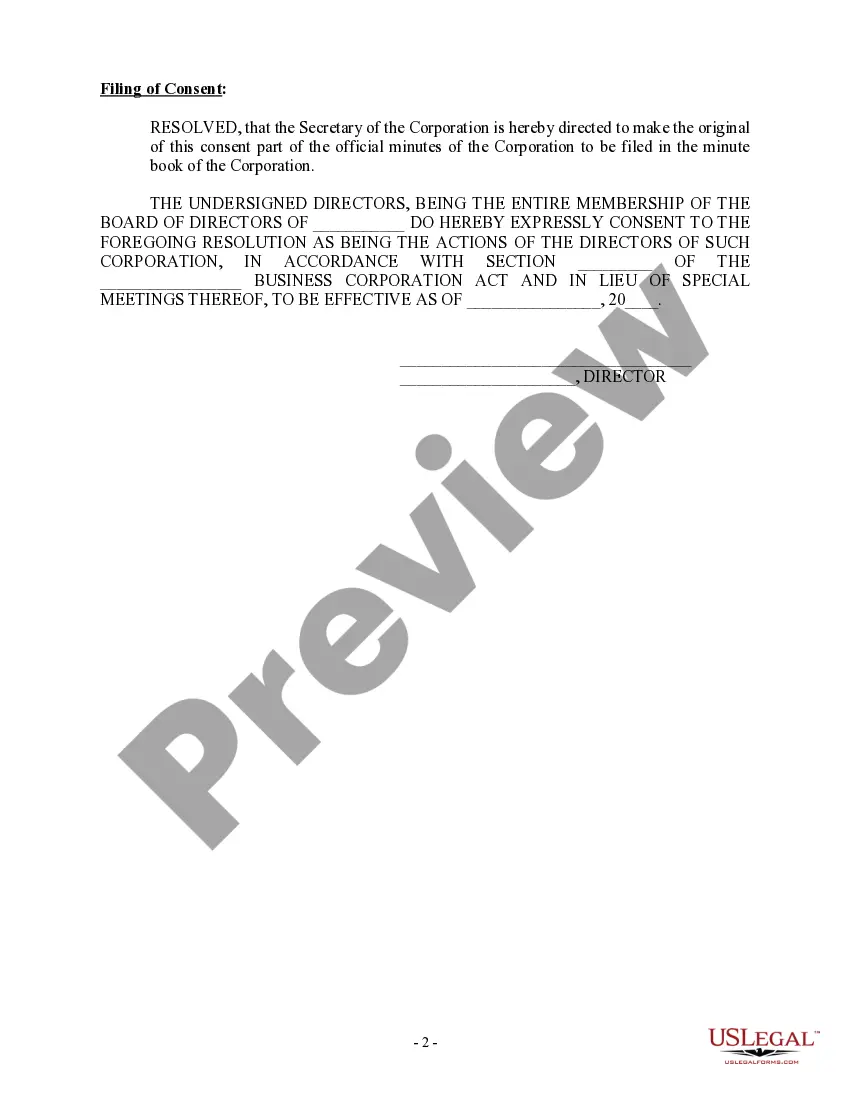
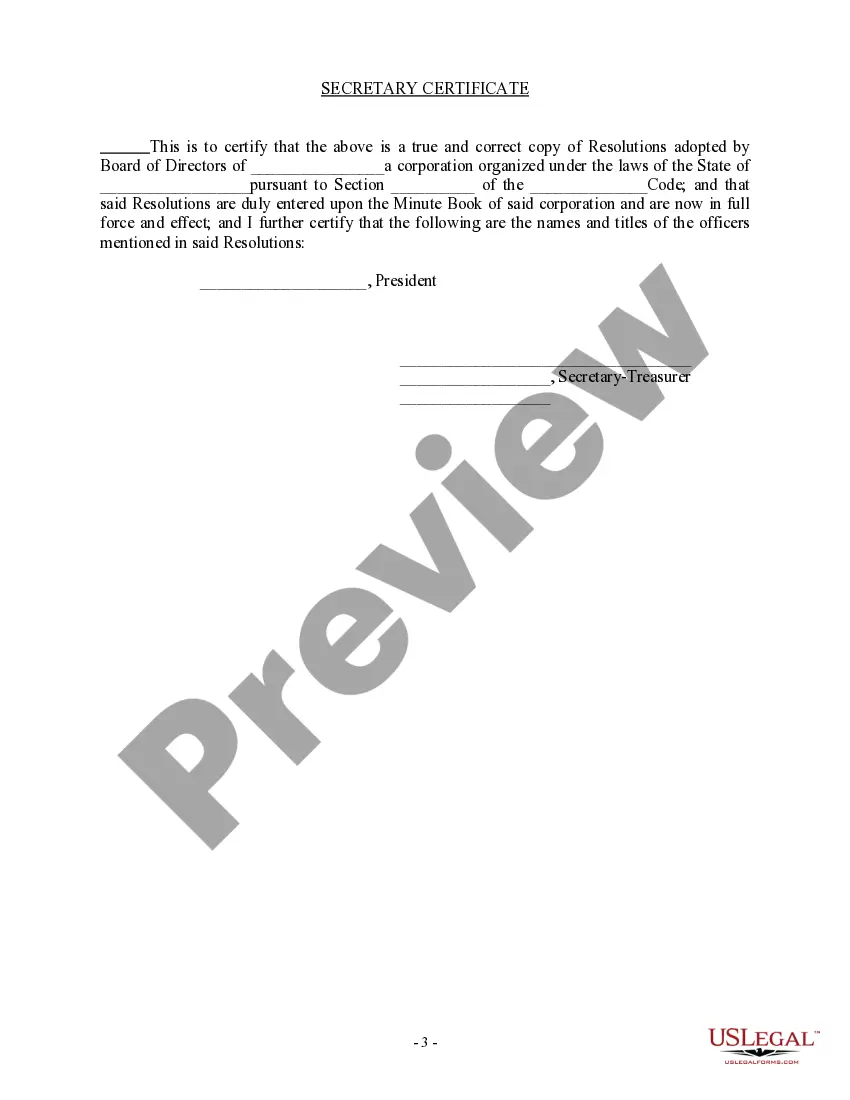
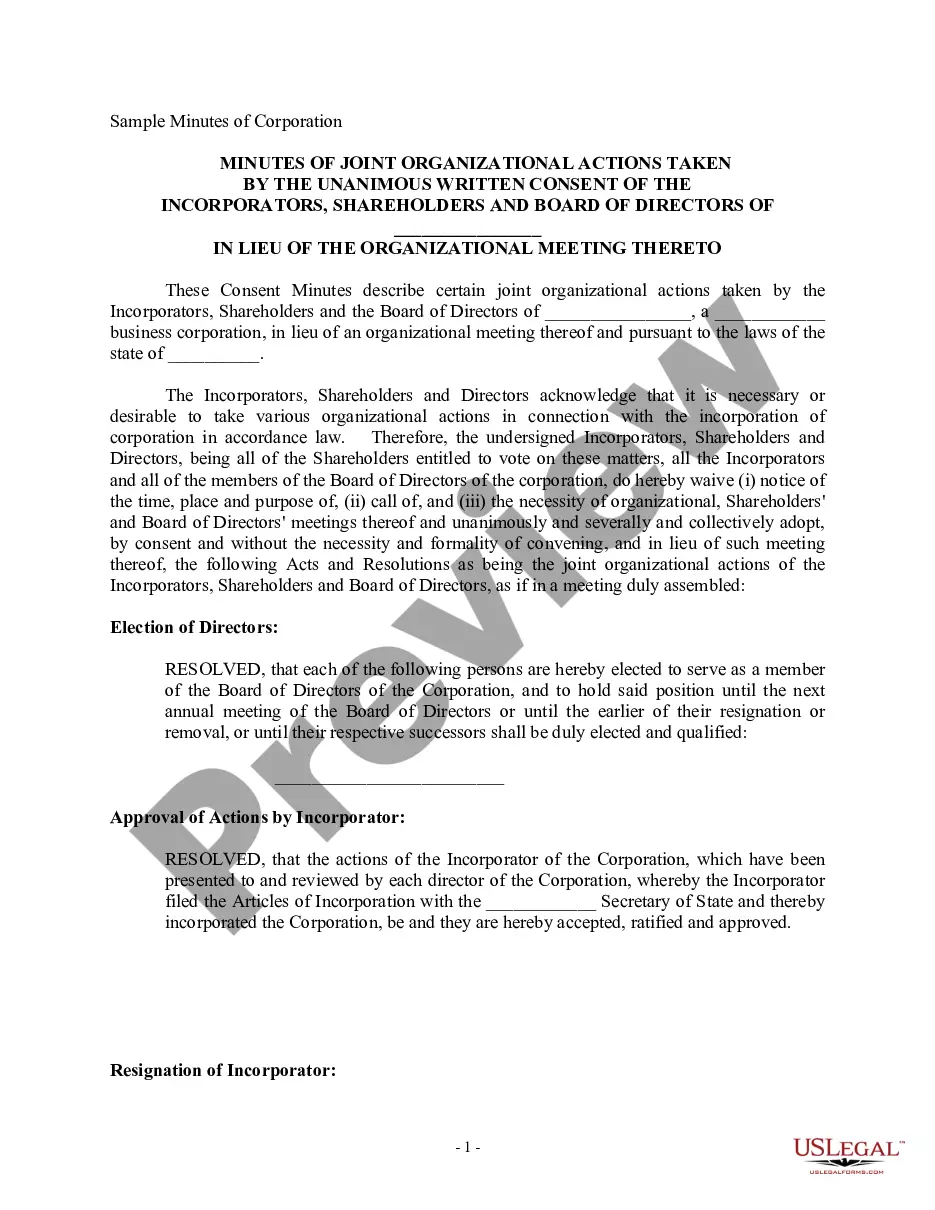
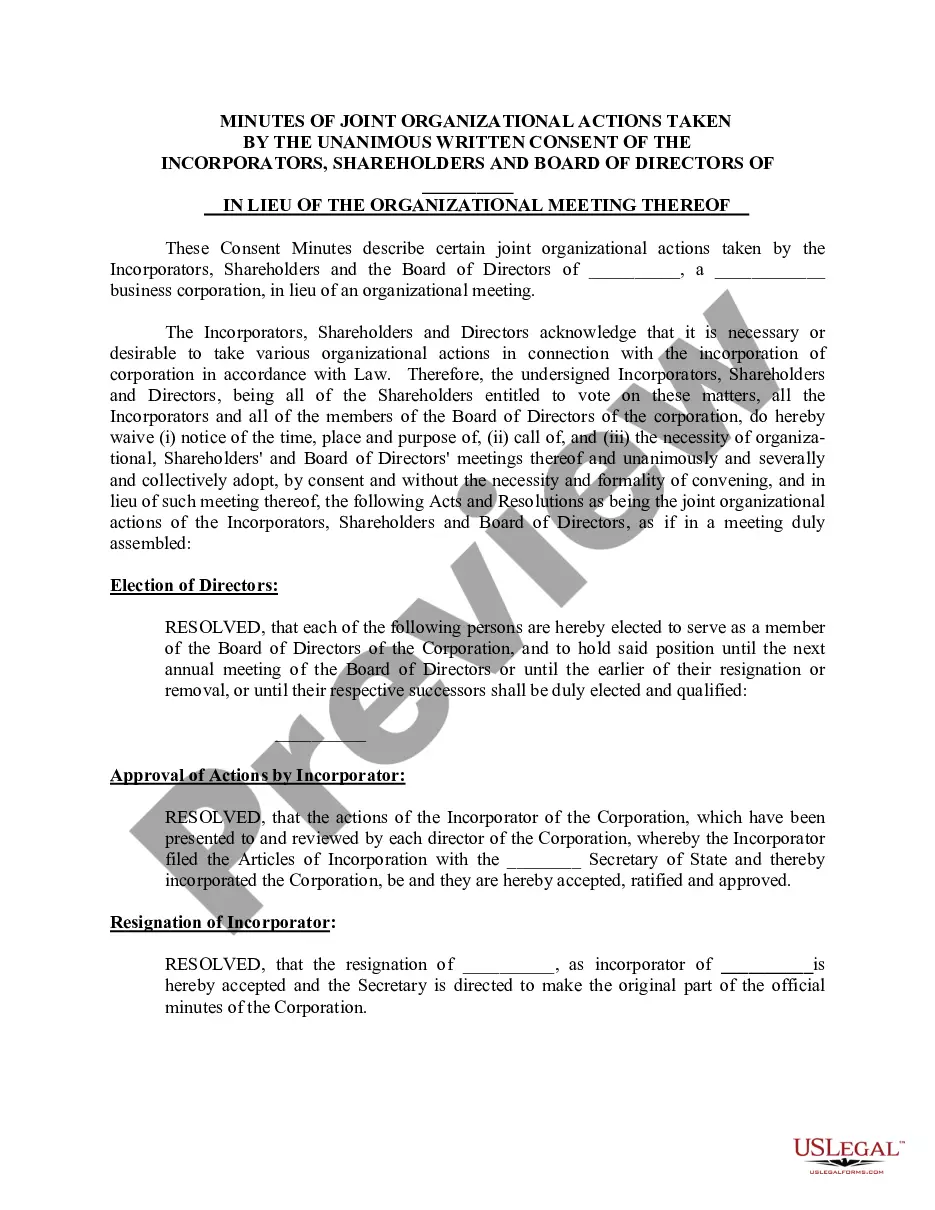
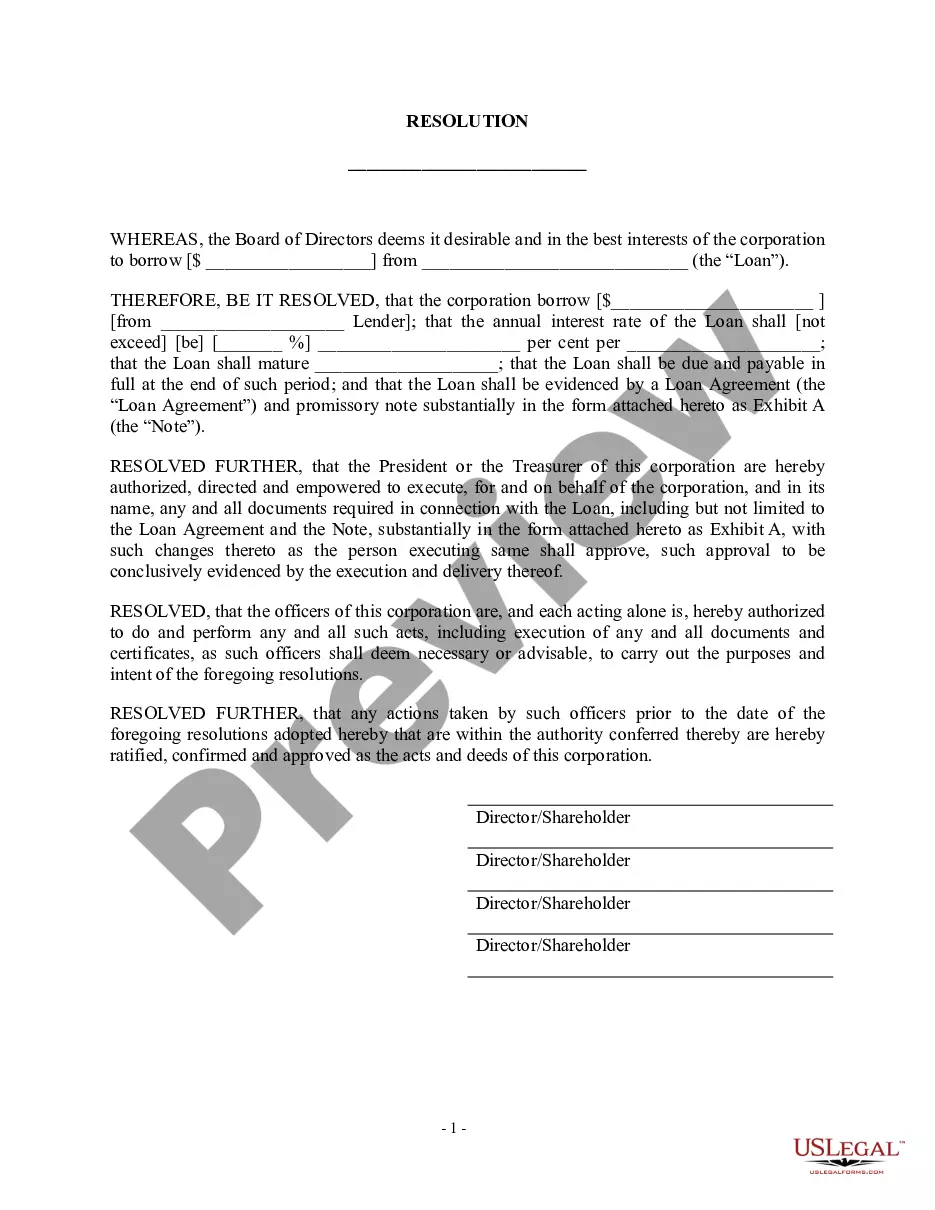
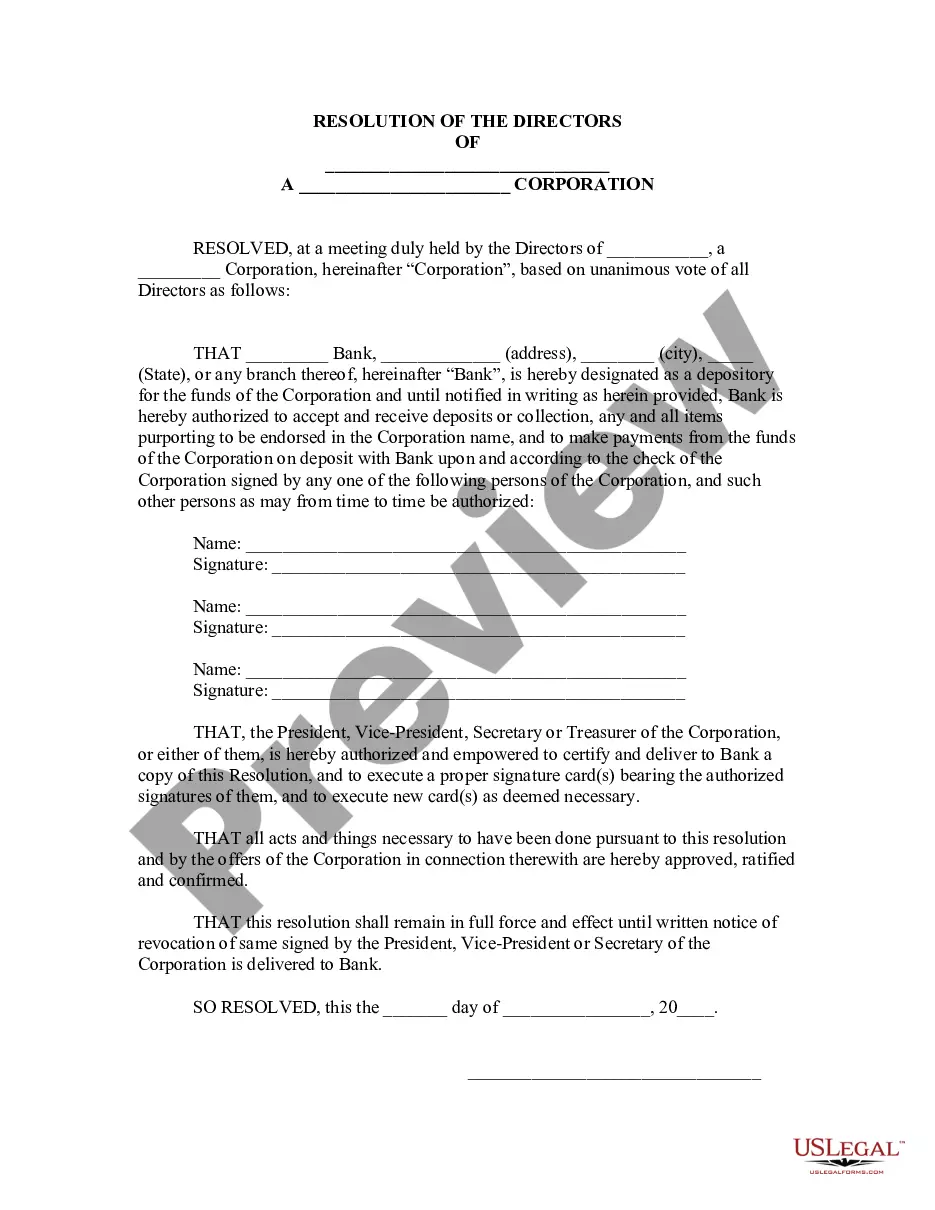
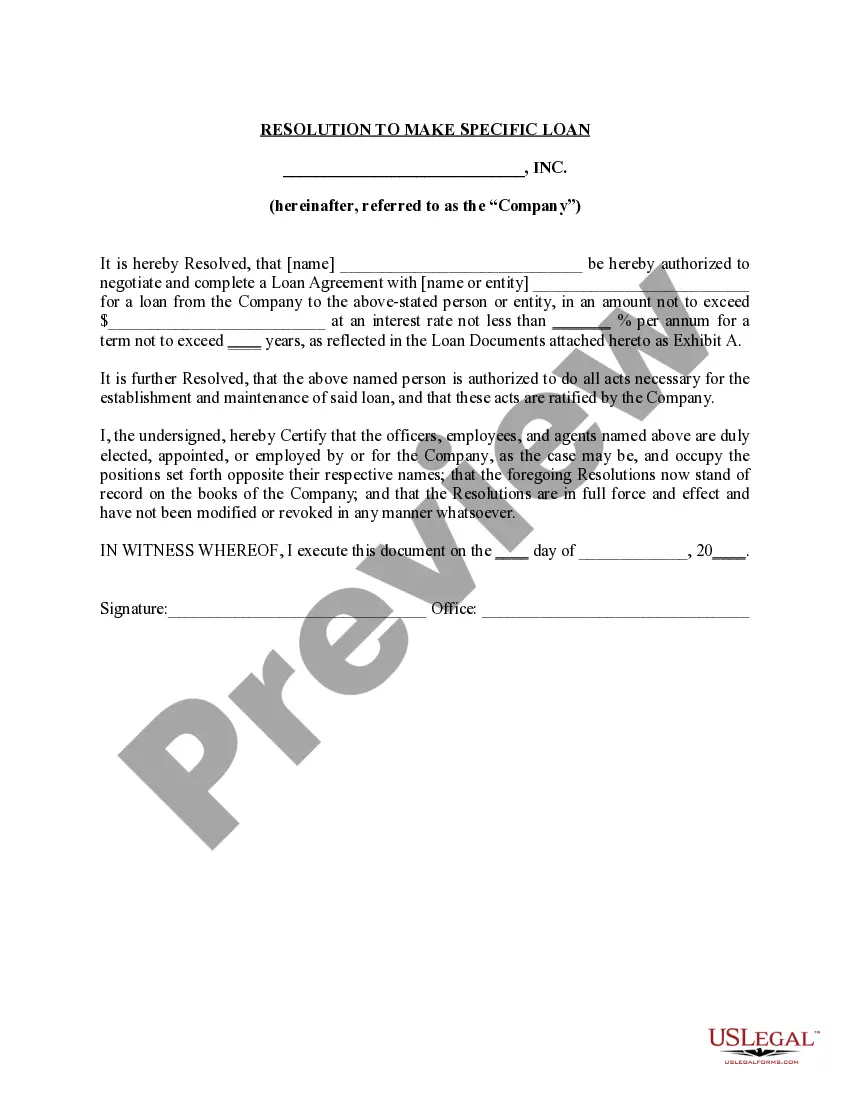
Get your form ready online
Our built-in tools help you complete, sign, share, and store your documents in one place.
Make edits, fill in missing information, and update formatting in US Legal Forms—just like you would in MS Word.
Download a copy, print it, send it by email, or mail it via USPS—whatever works best for your next step.
Sign and collect signatures with our SignNow integration. Send to multiple recipients, set reminders, and more. Go Premium to unlock E-Sign.
If this form requires notarization, complete it online through a secure video call—no need to meet a notary in person or wait for an appointment.
We protect your documents and personal data by following strict security and privacy standards.

Make edits, fill in missing information, and update formatting in US Legal Forms—just like you would in MS Word.

Download a copy, print it, send it by email, or mail it via USPS—whatever works best for your next step.

Sign and collect signatures with our SignNow integration. Send to multiple recipients, set reminders, and more. Go Premium to unlock E-Sign.

If this form requires notarization, complete it online through a secure video call—no need to meet a notary in person or wait for an appointment.

We protect your documents and personal data by following strict security and privacy standards.
Looking for another form?






Form popularity
FAQ
In Virginia, the requirement for a business license to rent out property depends on the specific county or city. Some localities require business licenses for rental properties, especially if the rental income exceeds a certain threshold or if the landlord owns multiple properties.
The Virginia Real Estate Board states that you need to hold a salesperson license or real estate broker license in order to act as a property manager in Virginia. Furthermore, you will need to be supervised by an employer broker.
Overall, this is considered a landlord-friendly state since the Virginia landlord-tenant law doesn't impose any rent control policies for landlords. On the other hand, landlords don't have many limitations at the time of choosing tenants, which makes the process more flexible for them.
In Virginia, property management activities that involve renting, leasing, or managing real estate on behalf of others do require a license. The Virginia Department of Professional and Occupational Regulation (DPOR) oversees the licensing of real estate professionals in the state.
How to Rent Out Your House in Virginia Understand Laws and Regulations. Familiarize yourself with the local and state landlord-tenant laws. Prepare Your Property. Determine the Rent Amount. Market Your Property. Screen Potential Tenants. Create a Lease Agreement. Collect a Security Deposit. Set Up a System for Rent Collection.
Social Security income is not taxed. Withdrawals from retirement accounts are partially taxed. Wages are taxed at normal rates, and your marginal state tax rate is 3.00%. Public and private pension income are partially taxed.
The Inflation Reduction Act of 2022 provides tax credits and rebates that may apply to renters. Tax credits have been available to claim since January 1, 2023 and are defined here. Rebates are expected to be made available in Virginia in early 2025.
The IRS has a number of ways to determine whether or not you have rental income. A few of these include reporting by third parties, reported income and expense discrepancies, audits and reviews, and public records.
Taxable income from Virginia sources includes "income from the practice of a trade or business in Virginia" and includes, but is not limited to, wages and salaries earned while in Virginia, income from a business operating in Virginia, rental income from a property in Virginia, etc.
