Borrowing For Commercial Property In Phoenix
Description
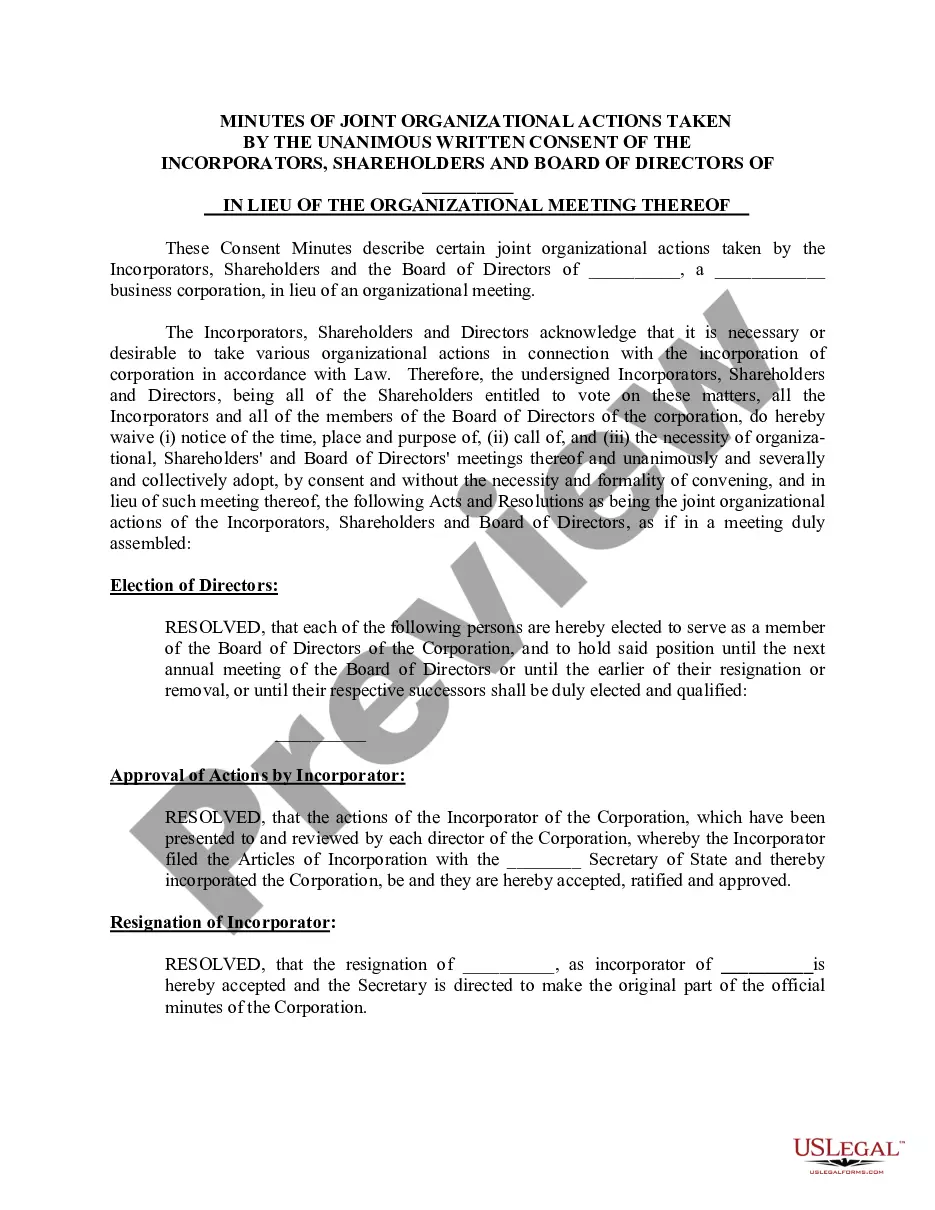
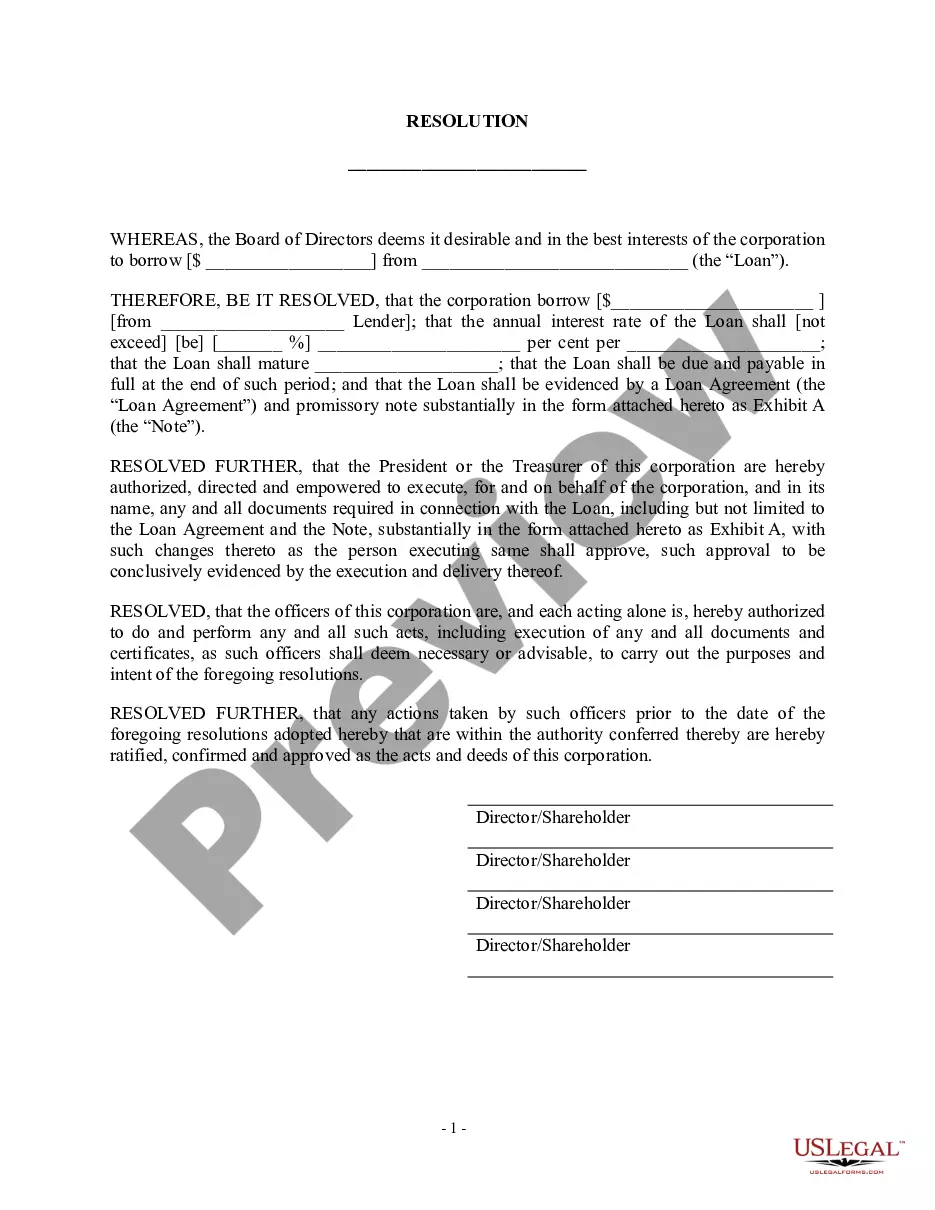
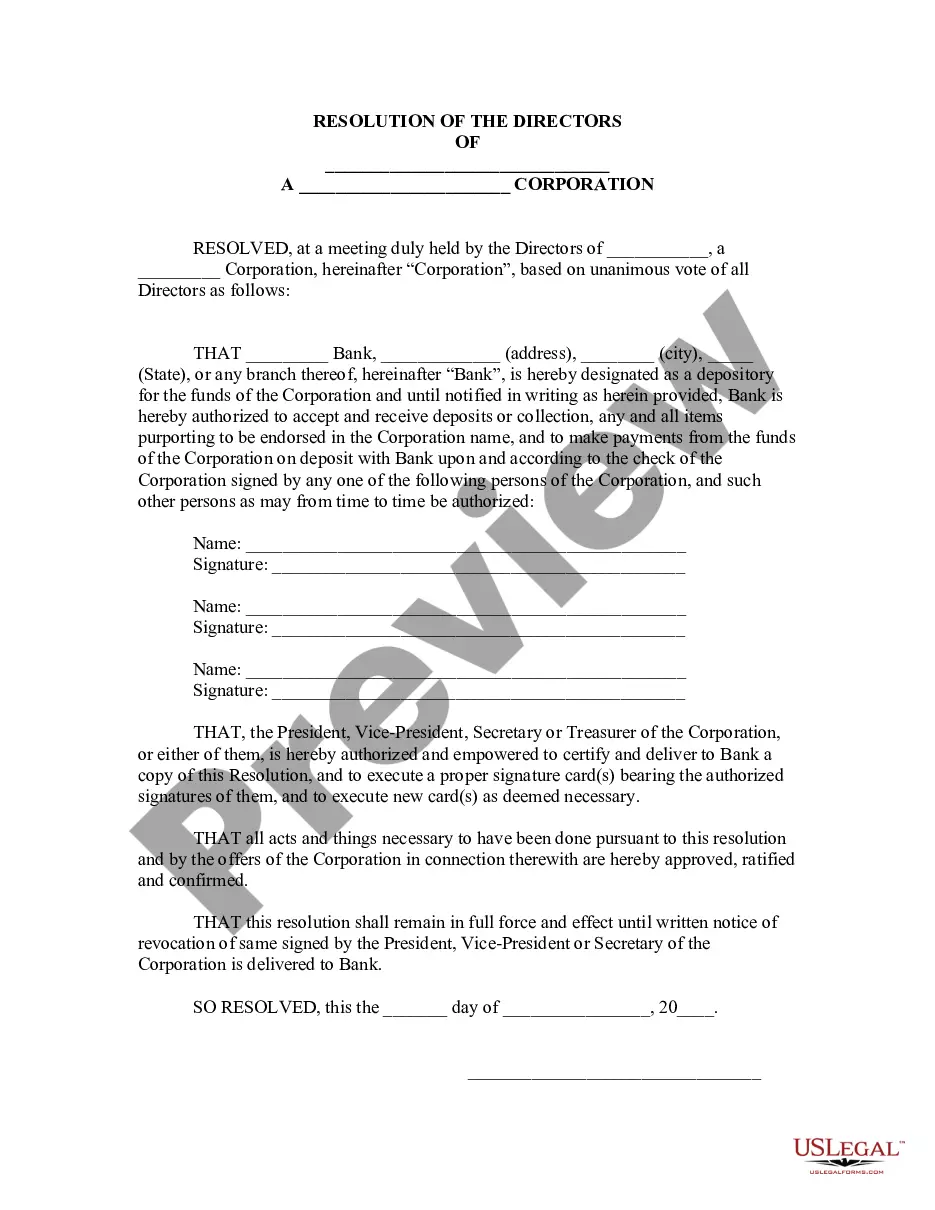
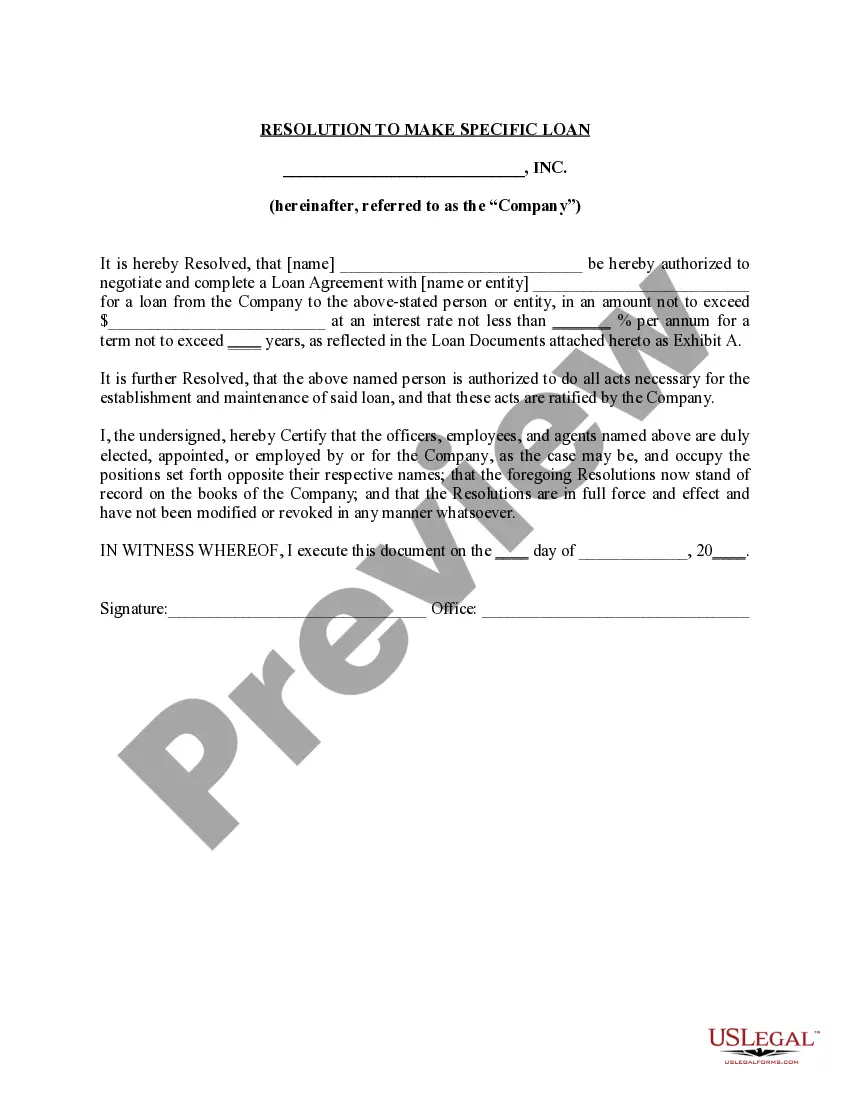
Get your form ready online
Our built-in tools help you complete, sign, share, and store your documents in one place.
Make edits, fill in missing information, and update formatting in US Legal Forms—just like you would in MS Word.
Download a copy, print it, send it by email, or mail it via USPS—whatever works best for your next step.
Sign and collect signatures with our SignNow integration. Send to multiple recipients, set reminders, and more. Go Premium to unlock E-Sign.
If this form requires notarization, complete it online through a secure video call—no need to meet a notary in person or wait for an appointment.
We protect your documents and personal data by following strict security and privacy standards.

Make edits, fill in missing information, and update formatting in US Legal Forms—just like you would in MS Word.

Download a copy, print it, send it by email, or mail it via USPS—whatever works best for your next step.

Sign and collect signatures with our SignNow integration. Send to multiple recipients, set reminders, and more. Go Premium to unlock E-Sign.

If this form requires notarization, complete it online through a secure video call—no need to meet a notary in person or wait for an appointment.

We protect your documents and personal data by following strict security and privacy standards.
Looking for another form?







Form popularity
FAQ
To evict a commercial tenant in Arizona, first provide written notice with the reason and remedy time, such as 5-10 days. If the tenant doesn't comply, file an eviction complaint and attend the court hearing. If you win, obtain a writ of restitution.
The answer, thankfully, is no. At least in most cases. If you've outfitted your spare room with a desk and a comfy office chair, then you shouldn't run into any issues. However, there are some circumstances where planning permission is required.
The Quiet Enjoyment Law in Arizona Every commercial lease in Arizona includes a quiet enjoyment clause, which means the landlord must allow tenants to use the leased property without interference. This is a critical tenant right, as it ensures business operations are not disrupted.
The commercial use must be "accessory" to the building's principal use as a residence. Residential office that is purely low impact commercial; homeowner, or employee may live on the premises, and office use of the property predominates.
Commercial properties involve tenants that are businesses or multifamily apartments with five or more units. Residential properties are those where people live, such as single-family homes, duplexes, triplexes, or apartment buildings with four or fewer units.
Many of the issues confronting industry stakeholders in the new year are interrelated. High Financing Costs. Massive Commercial Real Estate Debt. High Cap Rates. Soaring Insurance Costs. Increasingly Unaffordable Housing. Rise in Artificial Intelligence. Impact of Extreme Weather. Lingering Office Vacancies.
