Borrowing For Commercial Property In Nevada
Description
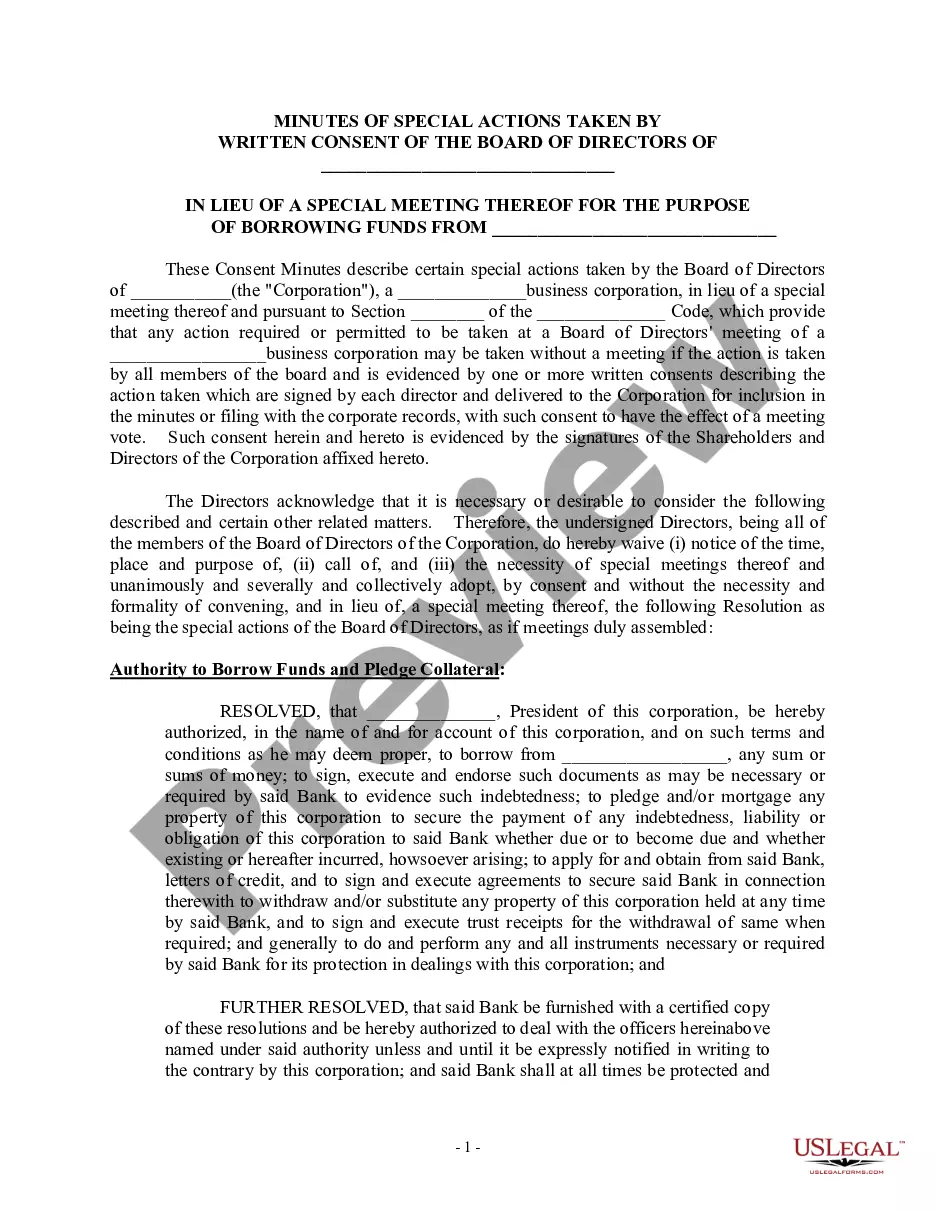
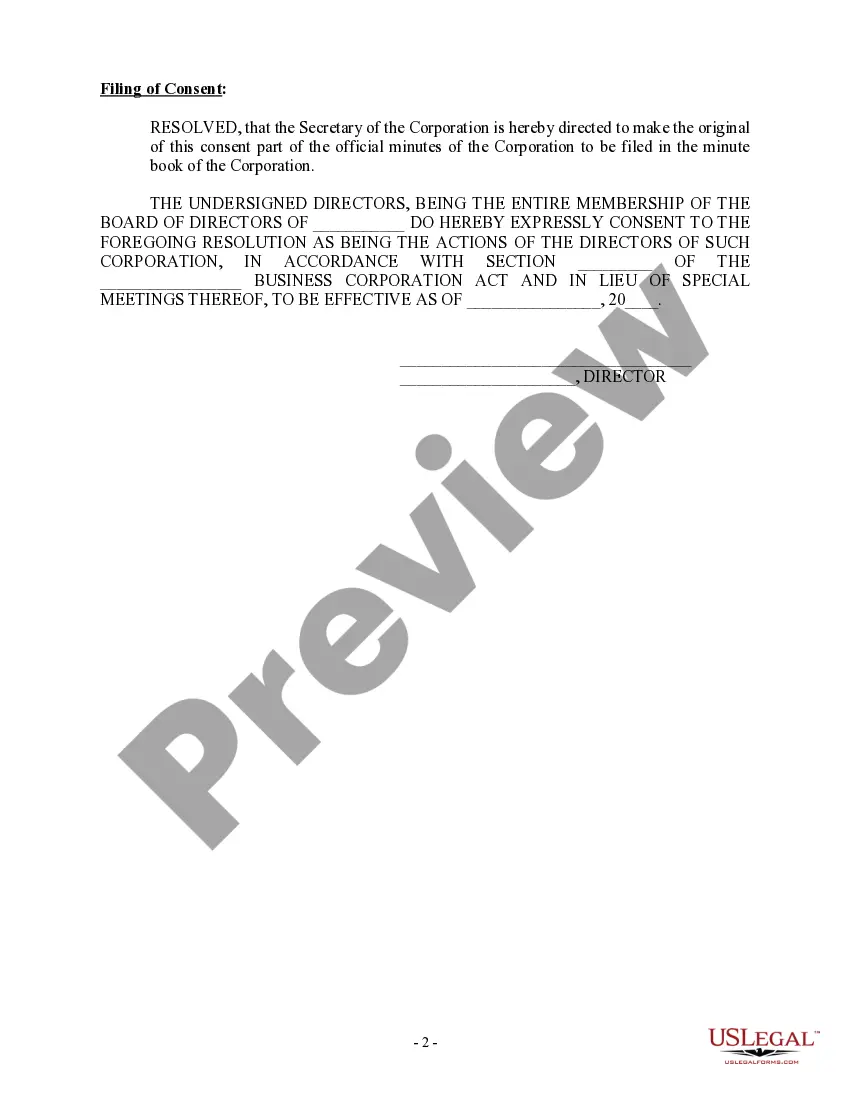
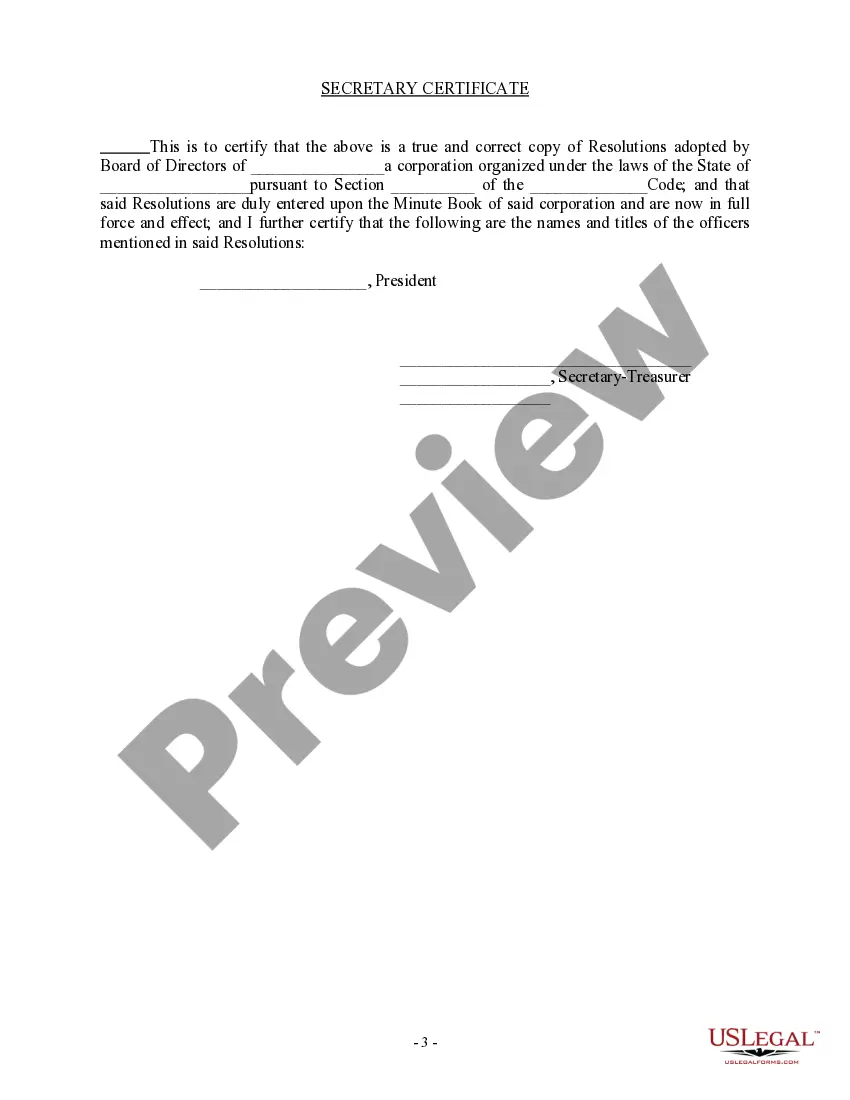
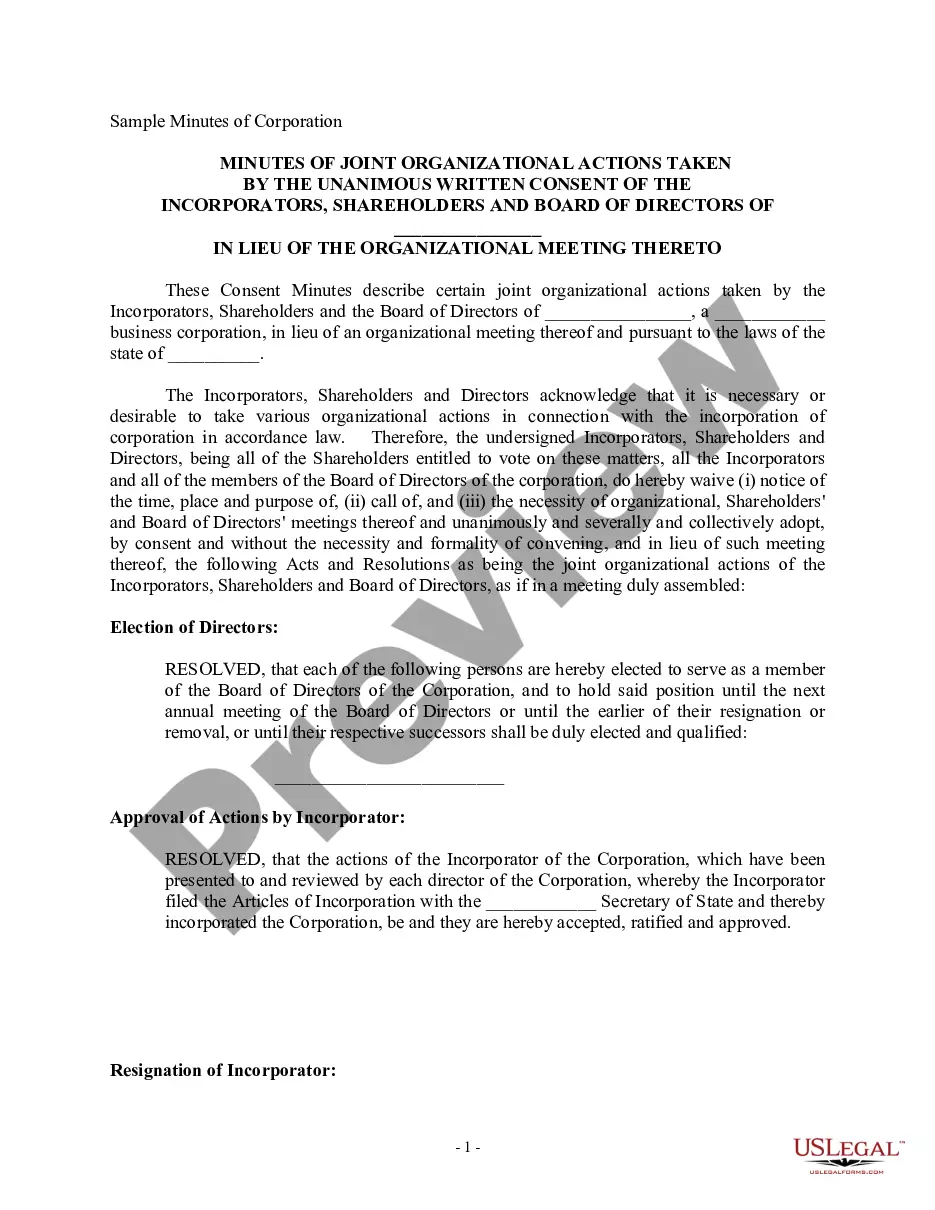
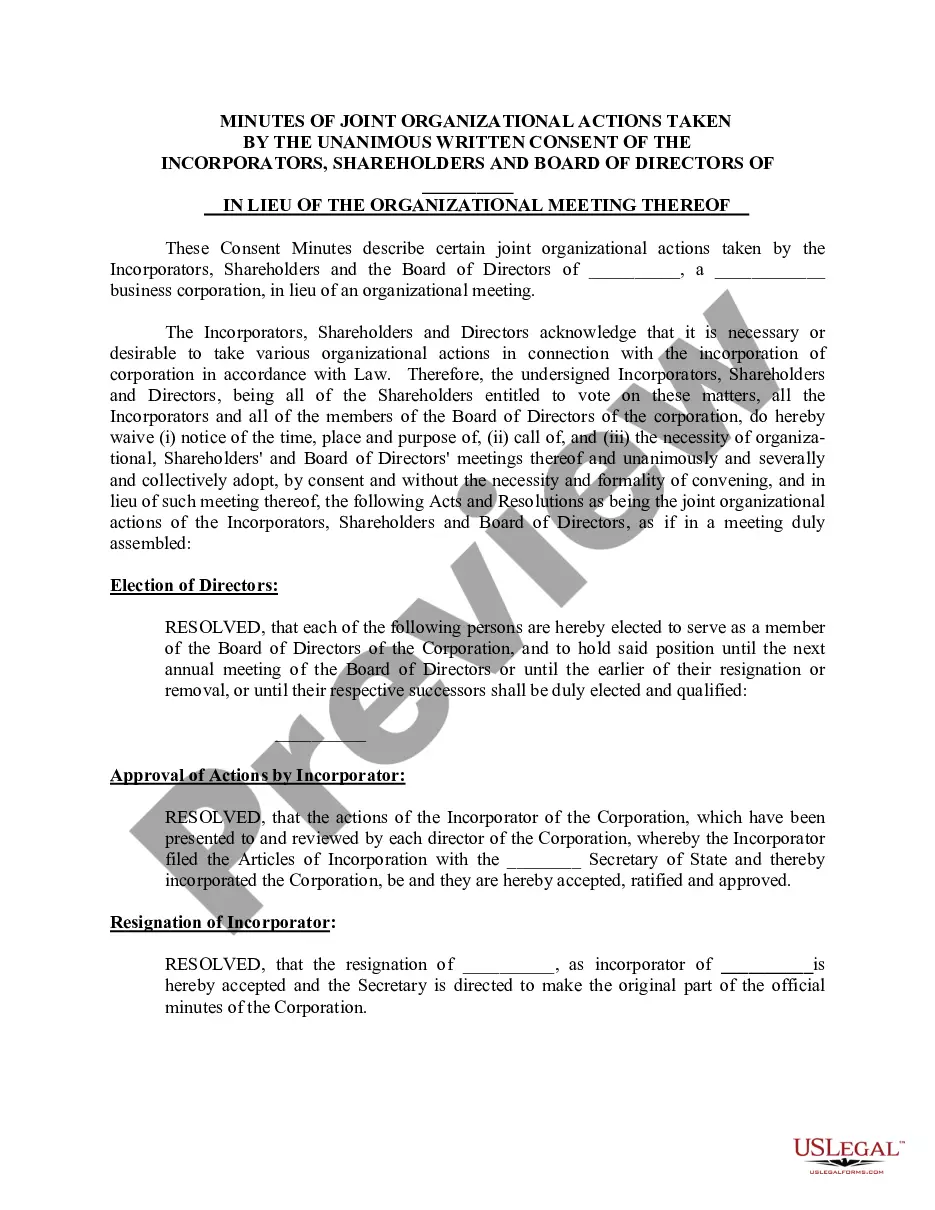
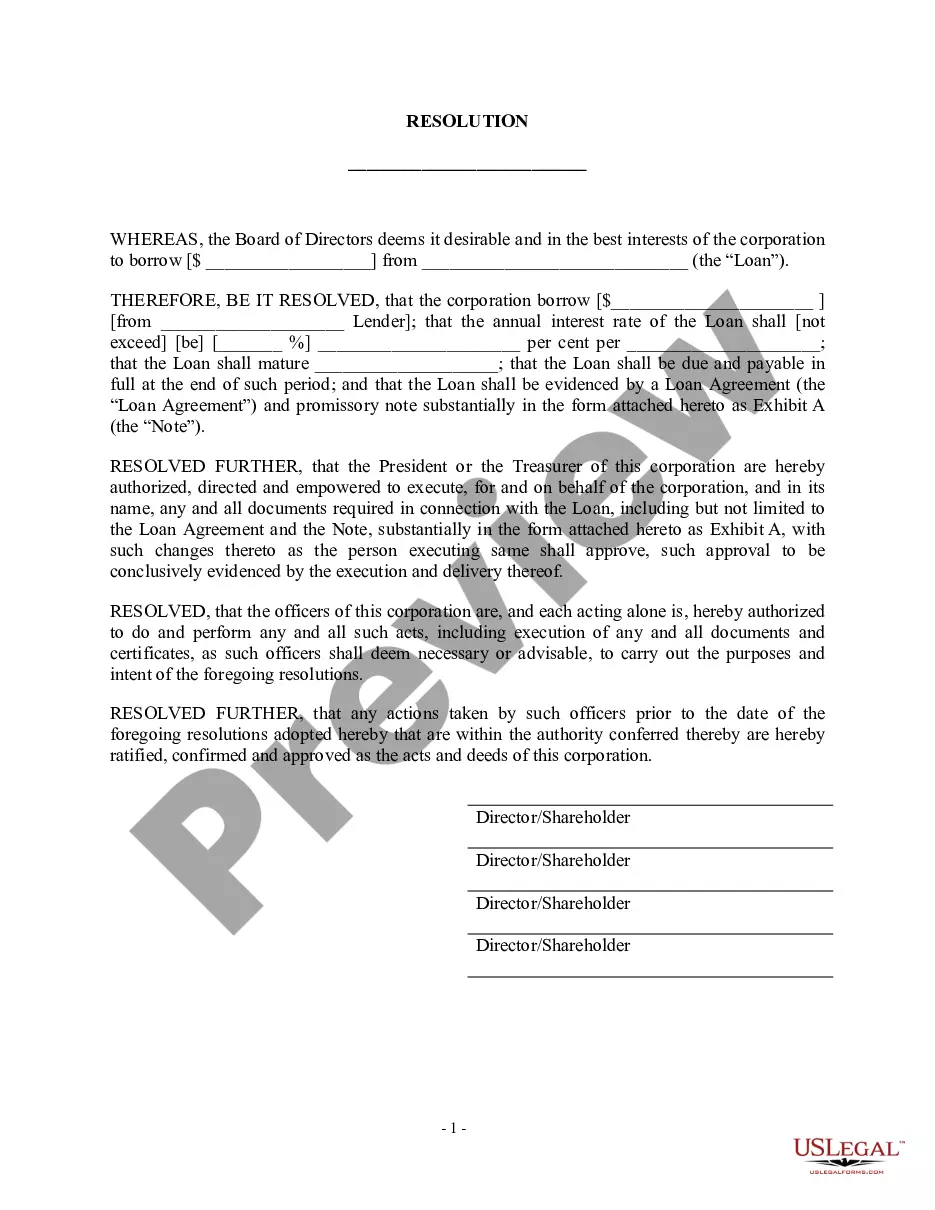
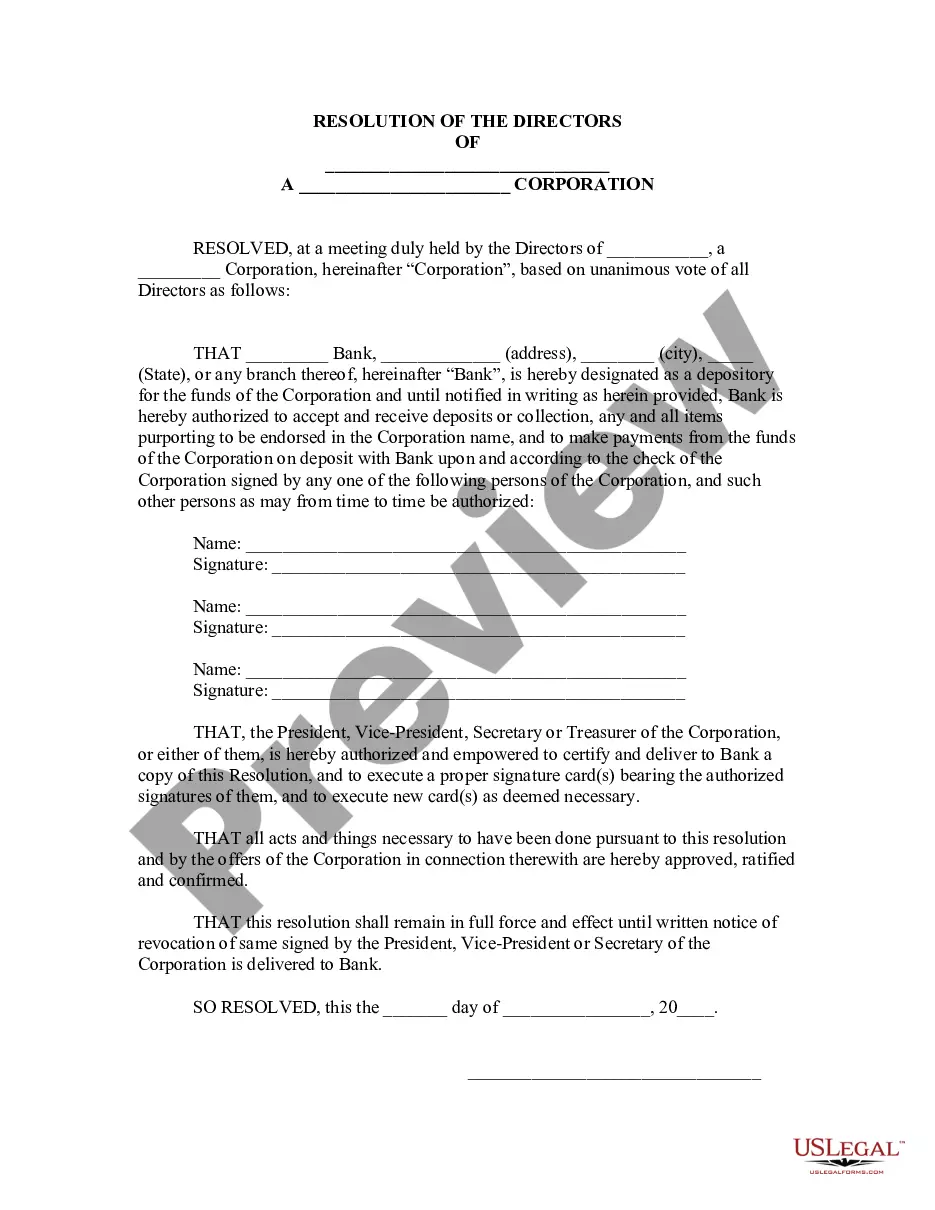
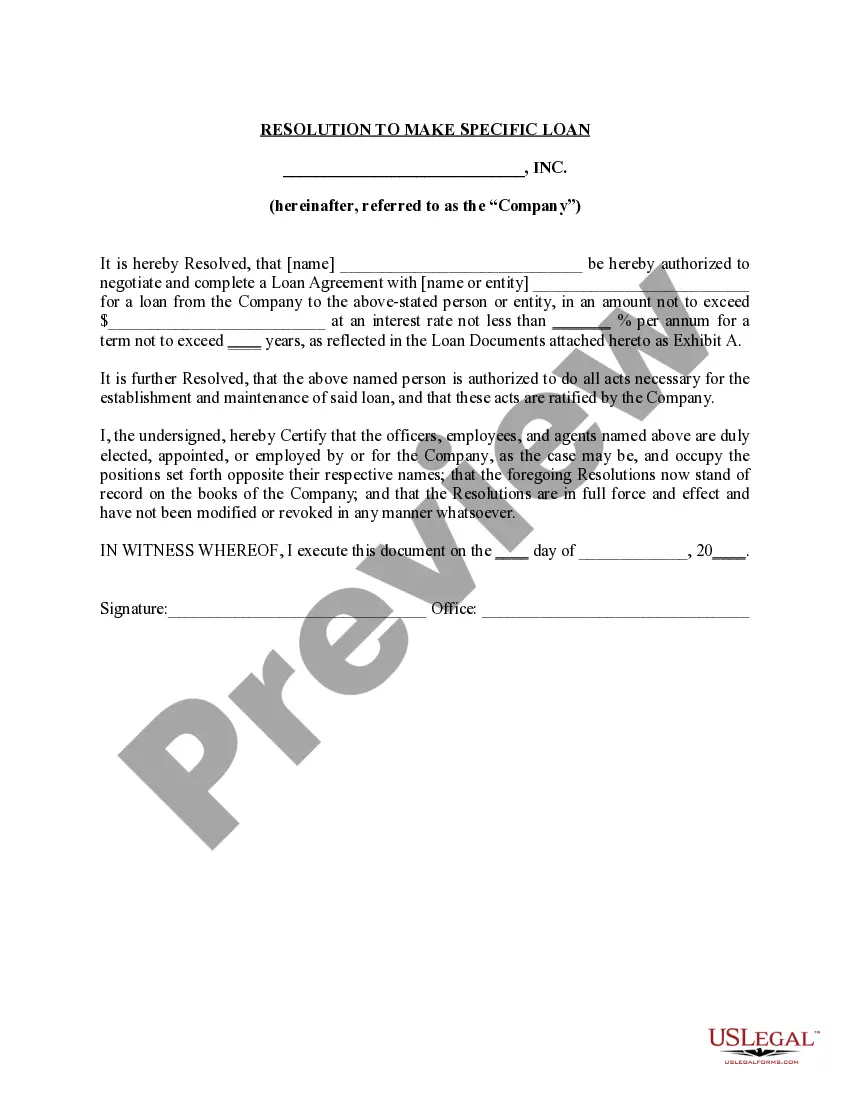
Get your form ready online
Our built-in tools help you complete, sign, share, and store your documents in one place.
Make edits, fill in missing information, and update formatting in US Legal Forms—just like you would in MS Word.
Download a copy, print it, send it by email, or mail it via USPS—whatever works best for your next step.
Sign and collect signatures with our SignNow integration. Send to multiple recipients, set reminders, and more. Go Premium to unlock E-Sign.
If this form requires notarization, complete it online through a secure video call—no need to meet a notary in person or wait for an appointment.
We protect your documents and personal data by following strict security and privacy standards.

Make edits, fill in missing information, and update formatting in US Legal Forms—just like you would in MS Word.

Download a copy, print it, send it by email, or mail it via USPS—whatever works best for your next step.

Sign and collect signatures with our SignNow integration. Send to multiple recipients, set reminders, and more. Go Premium to unlock E-Sign.

If this form requires notarization, complete it online through a secure video call—no need to meet a notary in person or wait for an appointment.

We protect your documents and personal data by following strict security and privacy standards.
Looking for another form?









Form popularity
FAQ
To become a commercial lender, you need a bachelor's degree in economics, finance, or a related field. Additional qualifications for this career include work experience in the financial industry, basic knowledge of sales and marketing, and communication skills.
How to become a lender Get a bachelor's degree. Getting a bachelor's degree in business or accounting can provide you with background knowledge of lending and financial business operations that can help you in your lending career. Gain experience. Obtain a mortgage license. Apply for lending jobs.
Most lenders use the five Cs—character, capacity, capital, collateral, and conditions—when analyzing individual or business credit applications.
How much deposit do you need for a commercial mortgage? The amount of deposit you will need depends on several factors, but it will typically be between 20% and 40%.
