Borrowing For Rental Property In Minnesota
Description
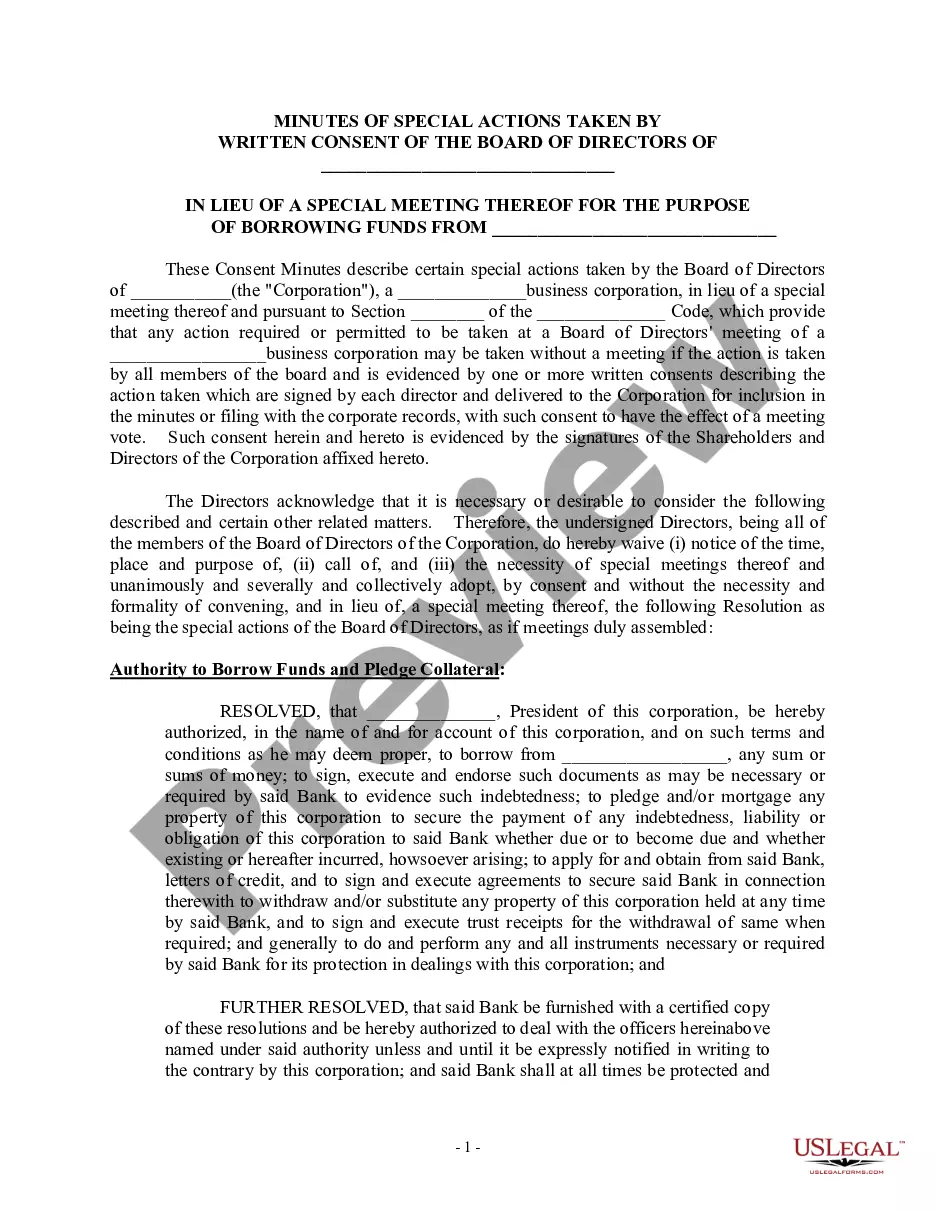
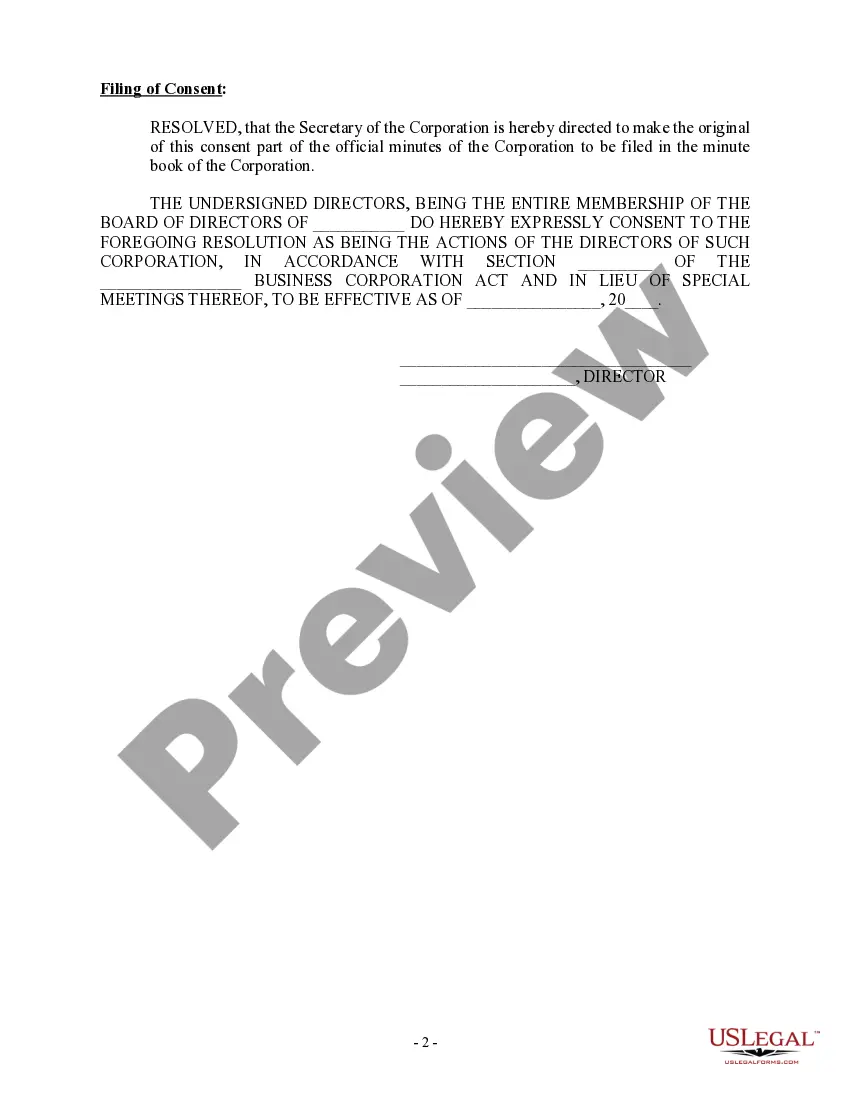
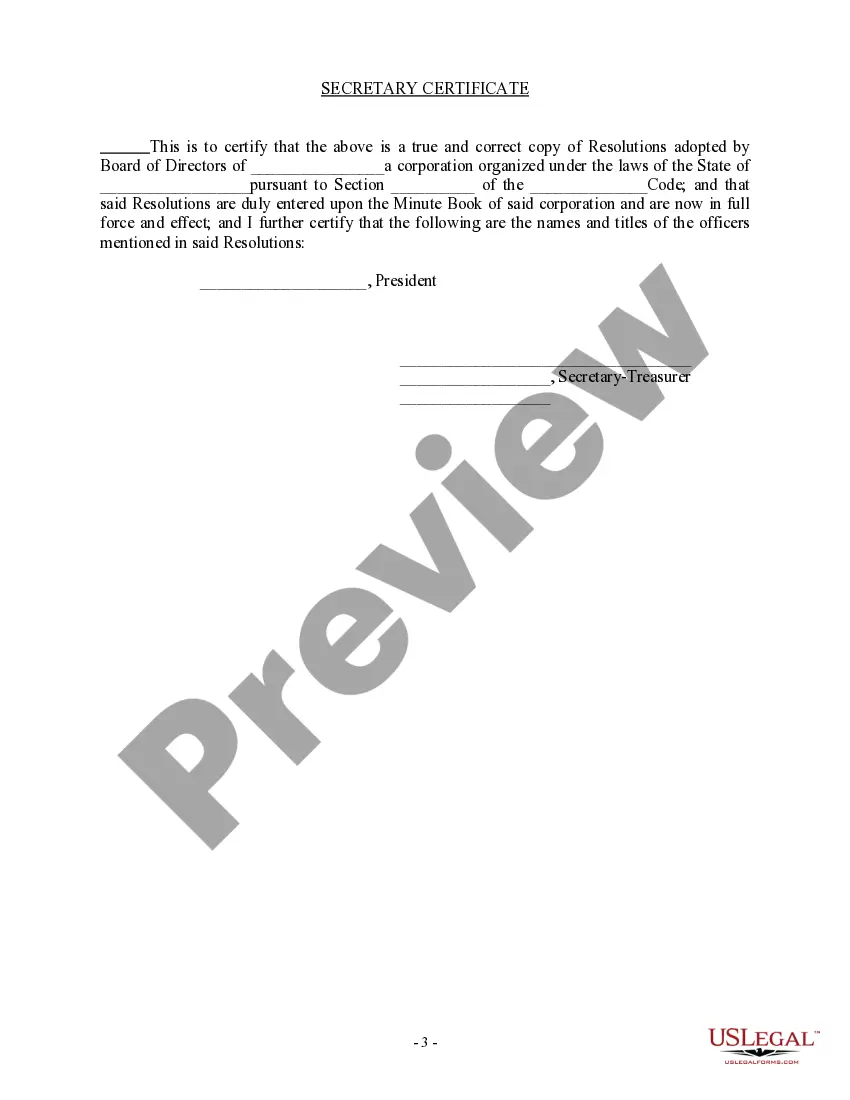
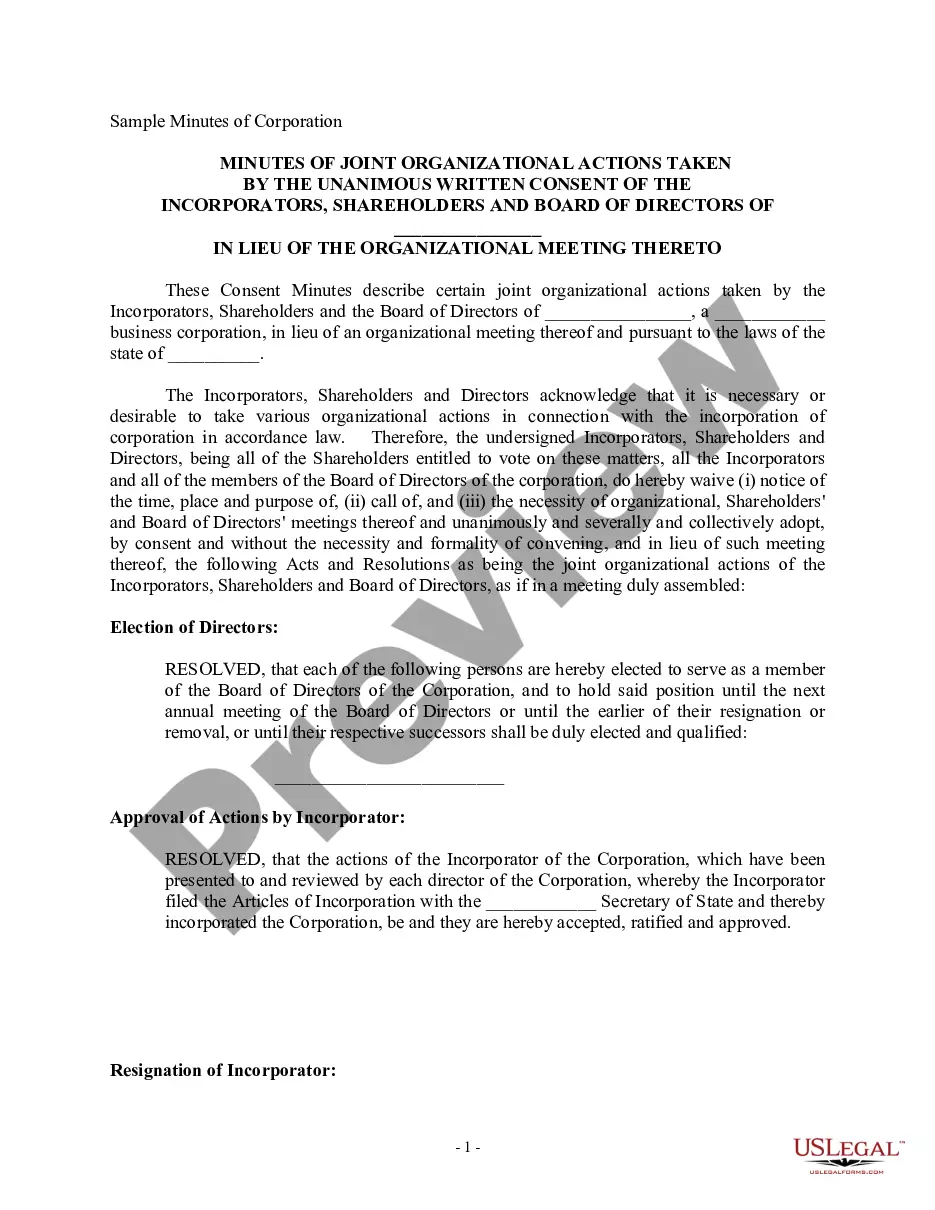
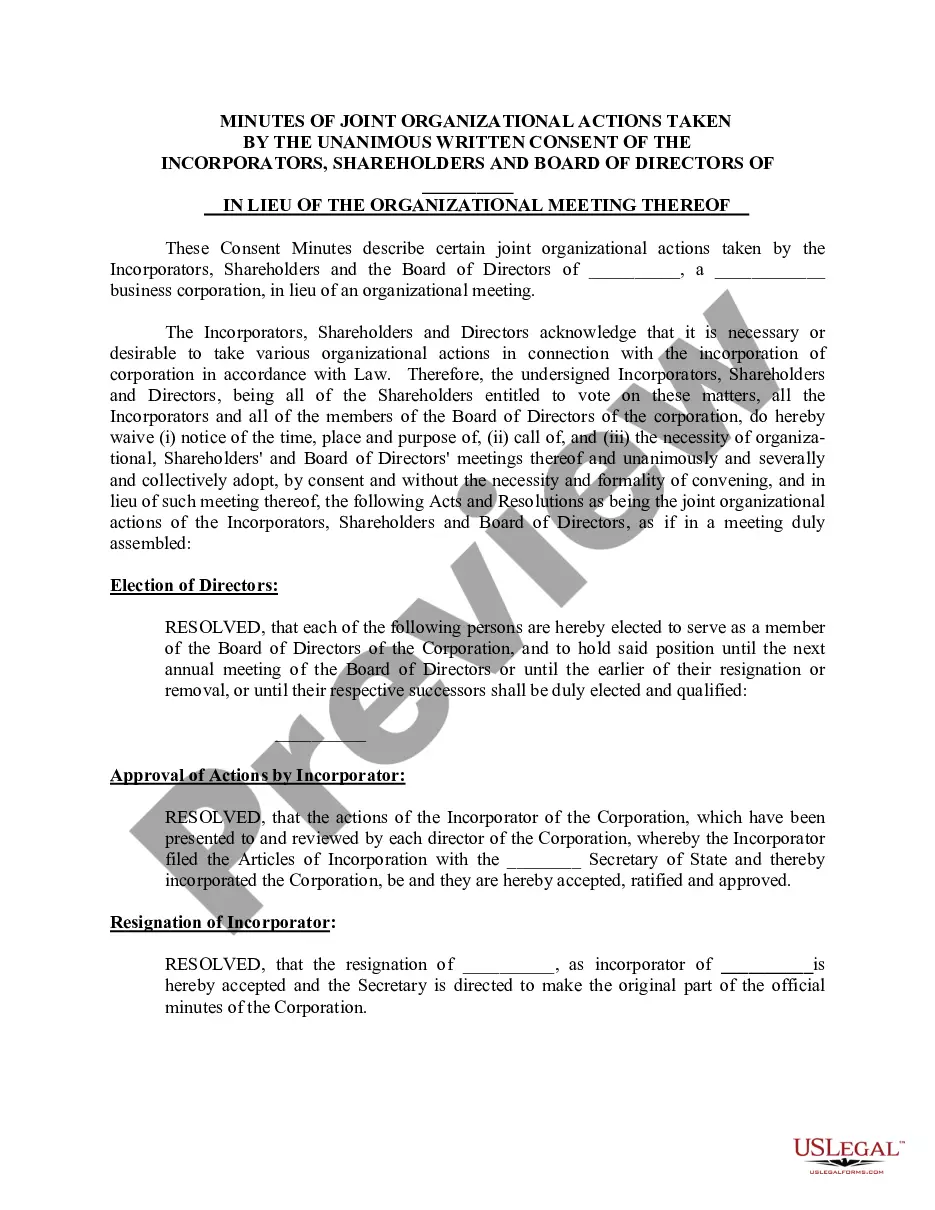
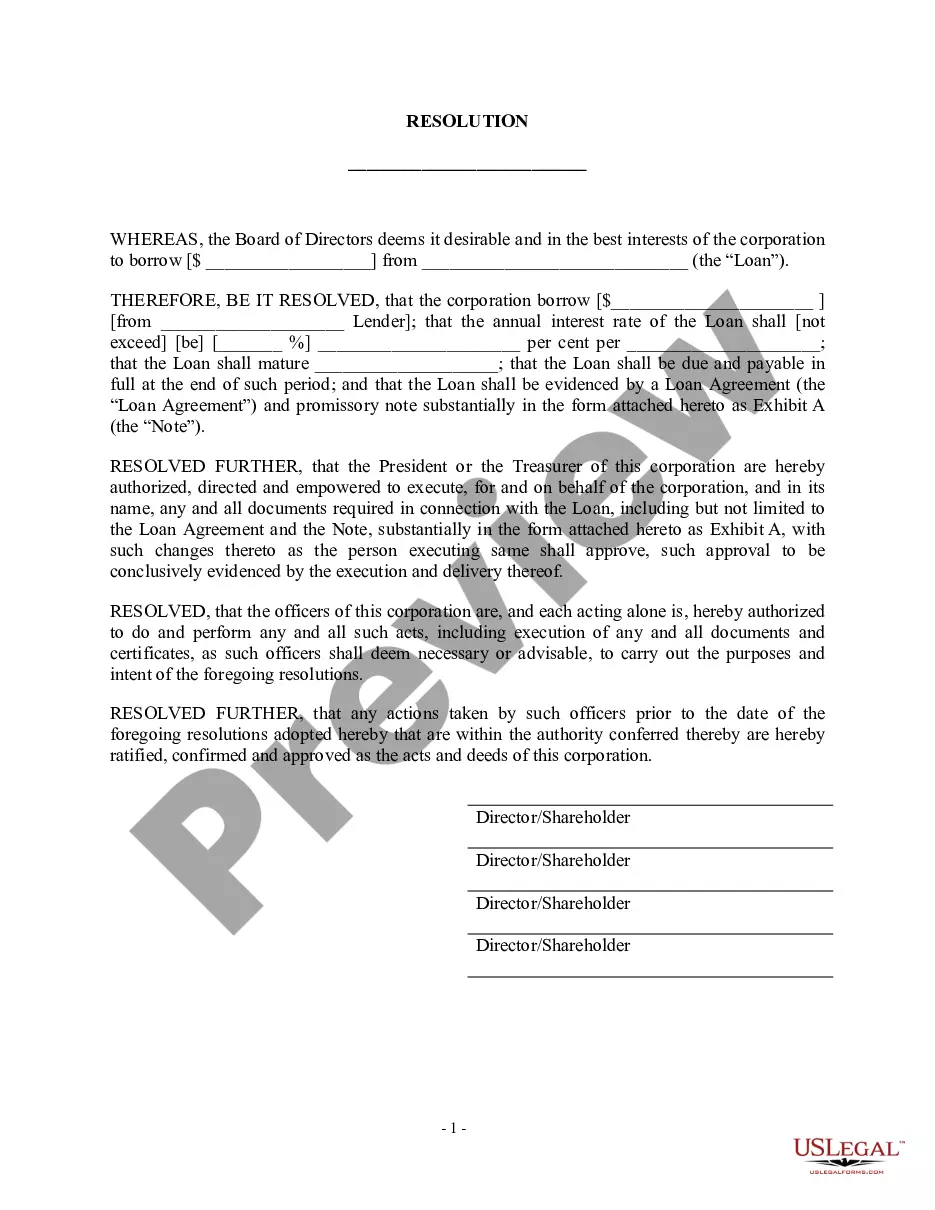
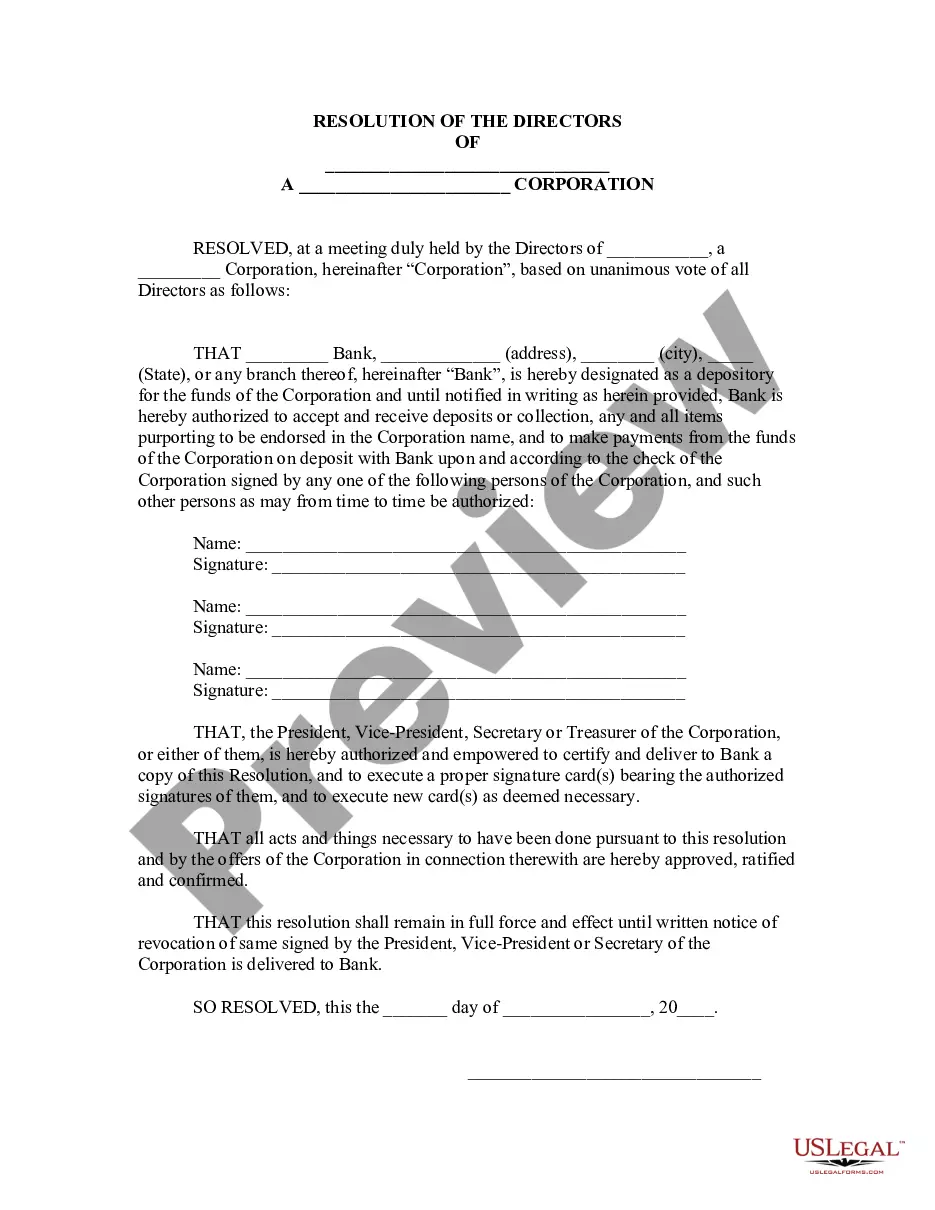
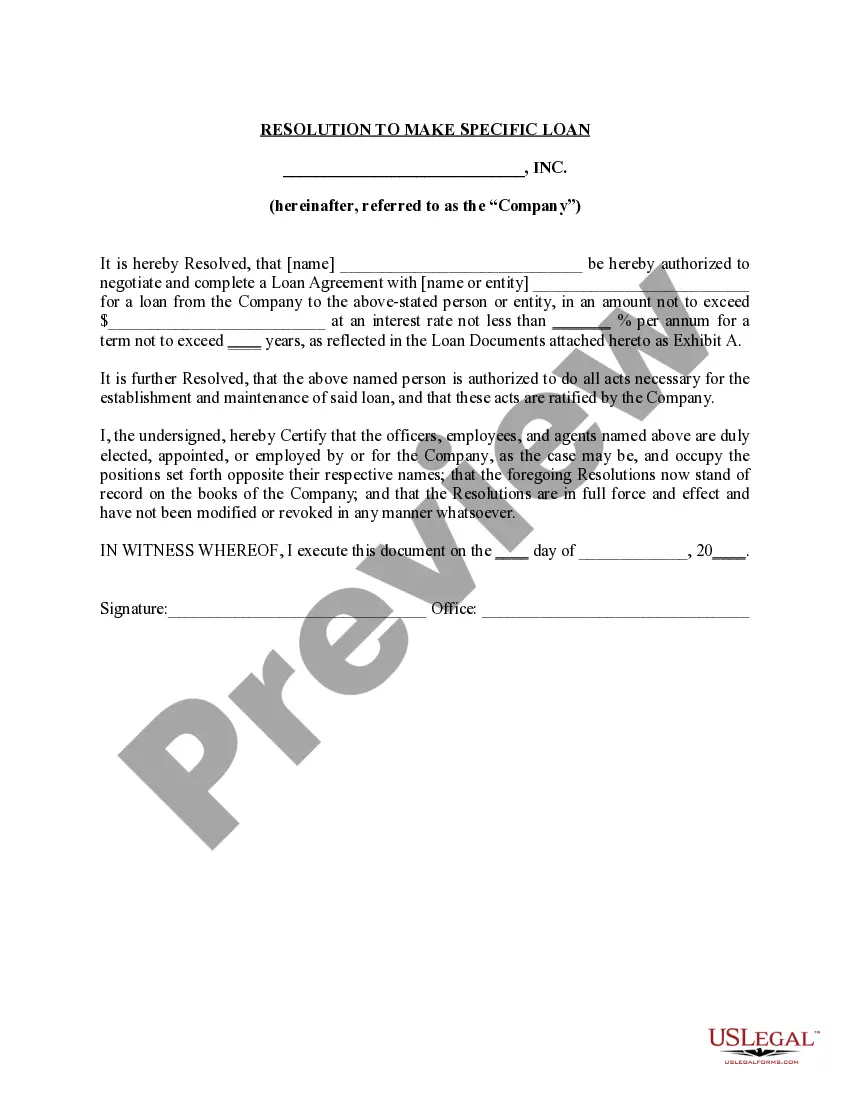
Get your form ready online
Our built-in tools help you complete, sign, share, and store your documents in one place.
Make edits, fill in missing information, and update formatting in US Legal Forms—just like you would in MS Word.
Download a copy, print it, send it by email, or mail it via USPS—whatever works best for your next step.
Sign and collect signatures with our SignNow integration. Send to multiple recipients, set reminders, and more. Go Premium to unlock E-Sign.
If this form requires notarization, complete it online through a secure video call—no need to meet a notary in person or wait for an appointment.
We protect your documents and personal data by following strict security and privacy standards.

Make edits, fill in missing information, and update formatting in US Legal Forms—just like you would in MS Word.

Download a copy, print it, send it by email, or mail it via USPS—whatever works best for your next step.

Sign and collect signatures with our SignNow integration. Send to multiple recipients, set reminders, and more. Go Premium to unlock E-Sign.

If this form requires notarization, complete it online through a secure video call—no need to meet a notary in person or wait for an appointment.

We protect your documents and personal data by following strict security and privacy standards.
Looking for another form?









Form popularity
FAQ
The 50% rule or 50 rule in real estate says that half of the gross income generated by a rental property should be allocated to operating expenses when determining profitability. The rule is designed to help investors avoid the mistake of underestimating expenses and overestimating profits.
Minnesota landlords cannot enforce undisclosed fees, such as management background checks or excessive application fees, incorporate unfair lease terms, or neglect to disclose essential information like who is responsible for utility payments.
A new tenant-landlord law protects renters by amending housing lease provisions, allowing tenants to organize to improve living conditions, and providing further protection for victims of domestic and sexual violence.
Do I need a rental license? The operation of residential rental properties is considered a business enterprise that gives rise to certain responsibilities. Per city ordinance, every rental dwelling, including single-family rental dwellings, must be licensed.
Property owners who wish to rent out their single-family home, duplex, townhome or condo must apply for an annual business license before a tenant moves in. This requirement applies to any dwelling unit that is not owner-occupied, including dwelling units which are vacant or occupied by a relative of the owner.
2 Choose what type of mortgage is best for you Most buy-to-let investors opt for an interest-only mortgage. This allows them to make lower monthly repayments that can be covered by their rental income.
Rental properties, commercial real estate and fix-and-flip projects are some of the best options for investors seeking high profit potential.
Overall, Minnesota's strong economy and diverse attractions make it a great market for real estate investors looking to invest in single-family and multifamily properties.
Minnesota's real estate market presents a potential for investment comparable to other states, with its steady economic growth and consistent population increase.
A seller's market continues This metric is calculated by projecting how long it would take the current supply of homes to sell at the current pace of sales if no new homes came on the market. Minnesota had about 2.9 months supply in Oct.
