Borrowing For Commercial Property In Allegheny
Description
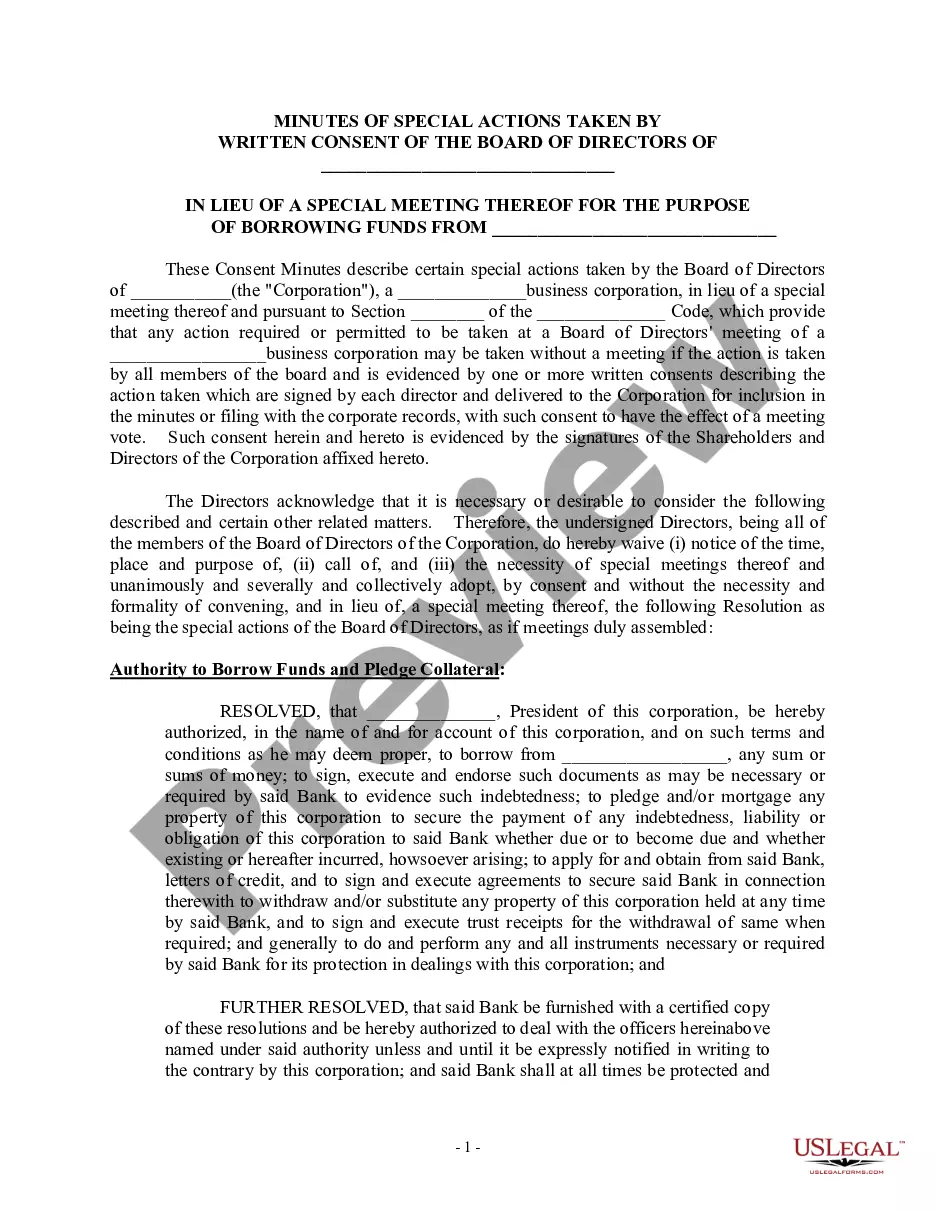
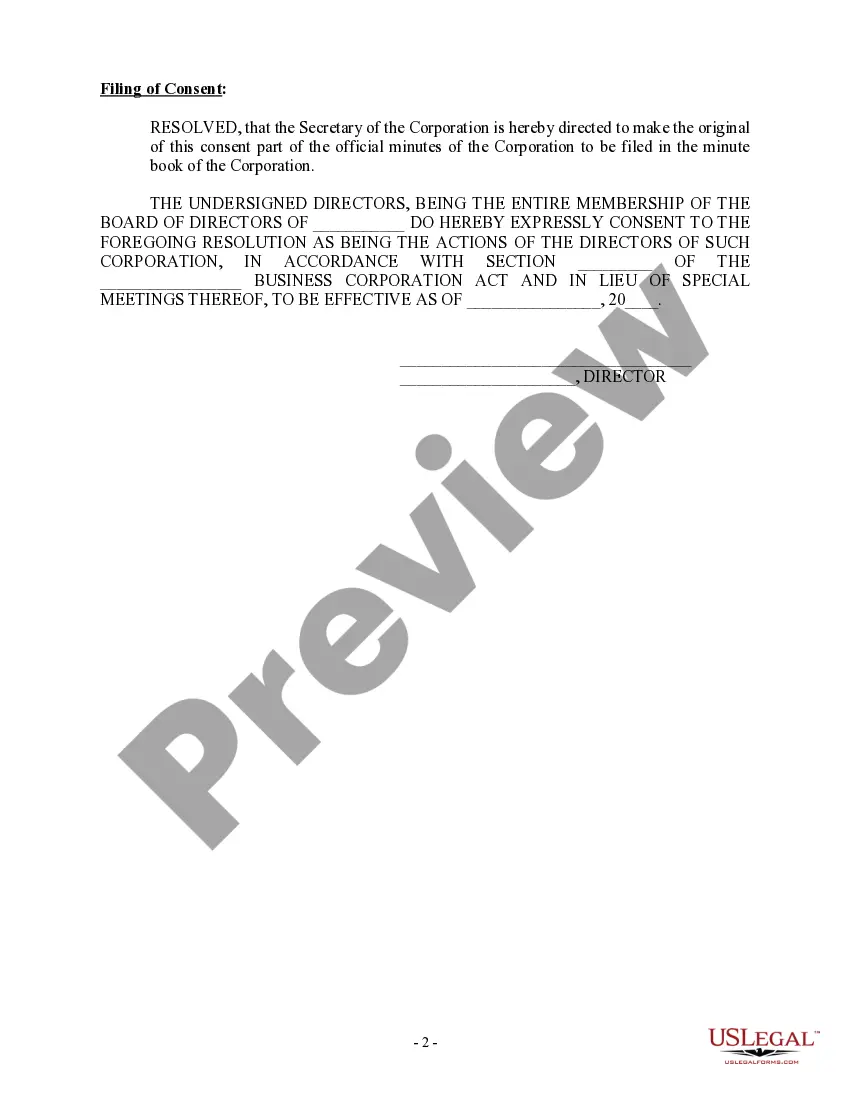
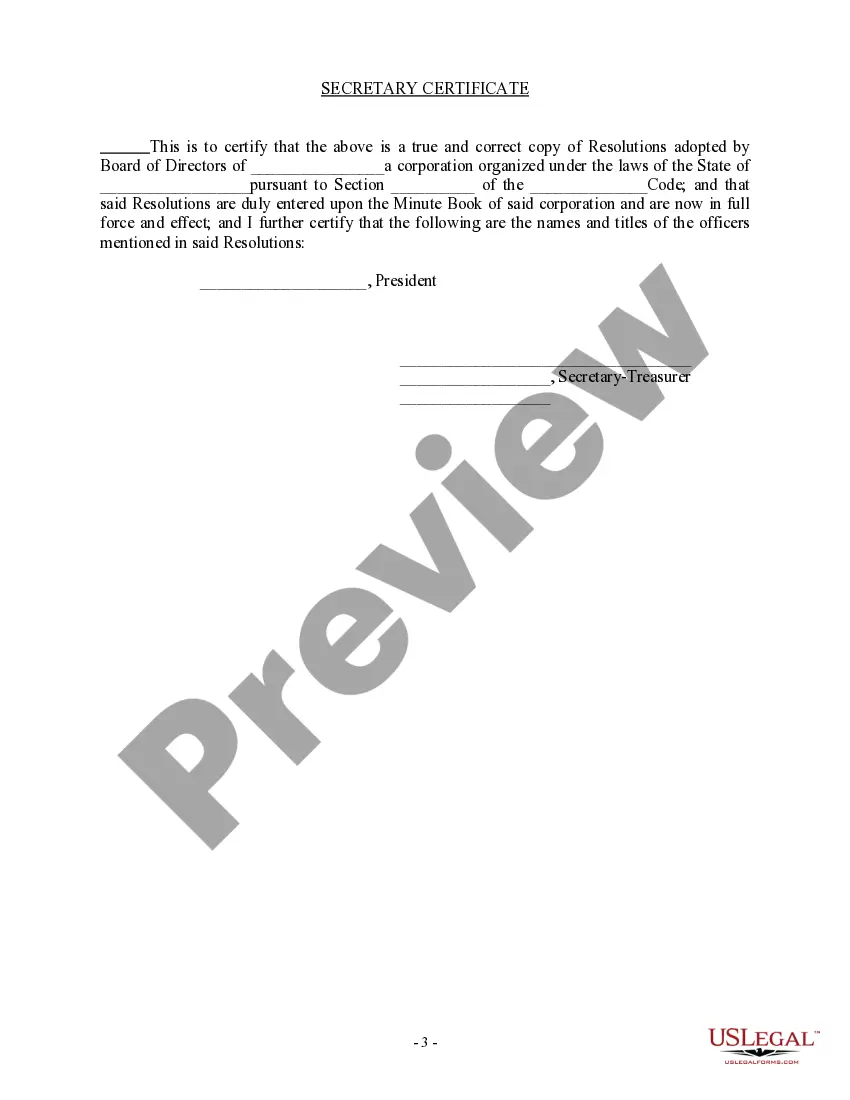
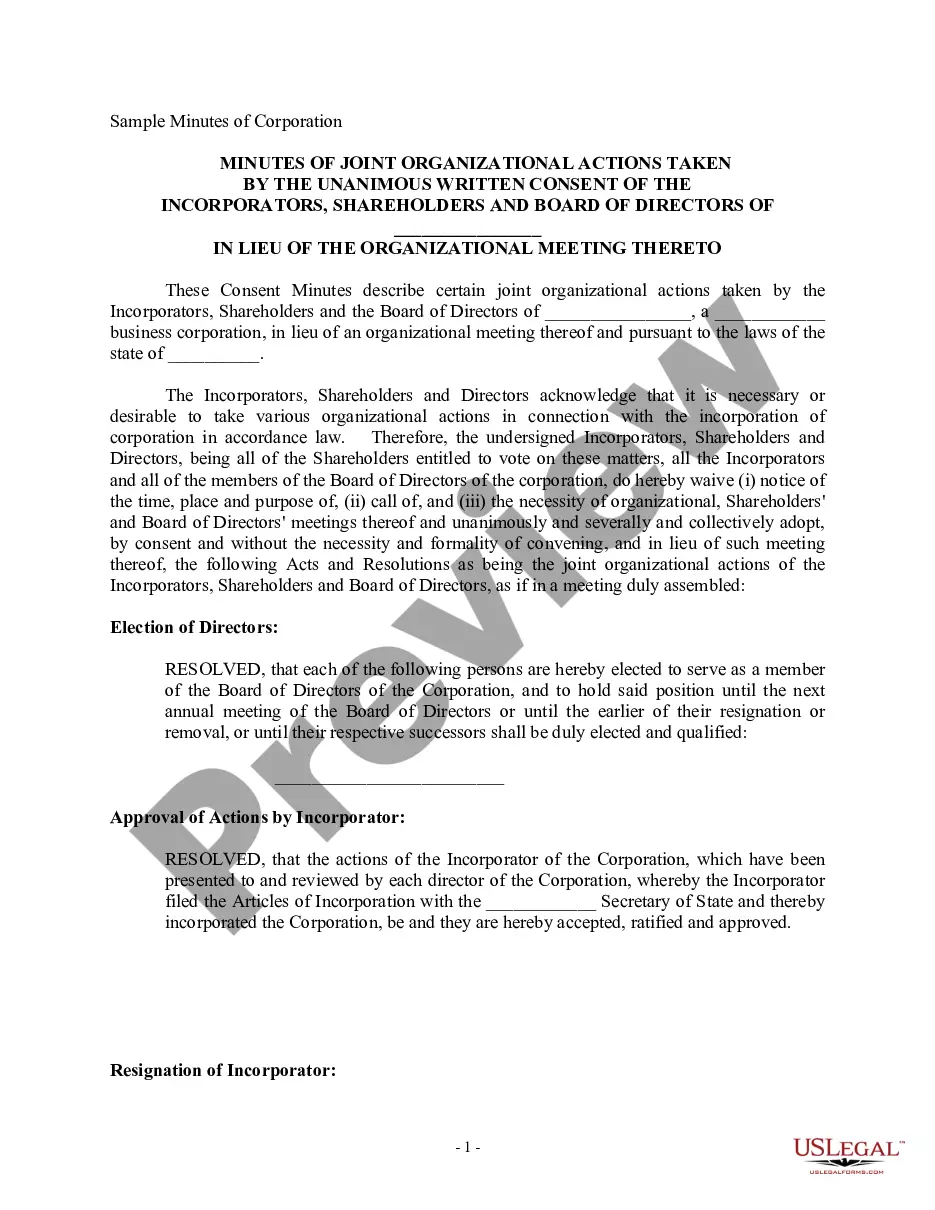
Get your form ready online
Our built-in tools help you complete, sign, share, and store your documents in one place.
Make edits, fill in missing information, and update formatting in US Legal Forms—just like you would in MS Word.
Download a copy, print it, send it by email, or mail it via USPS—whatever works best for your next step.
Sign and collect signatures with our SignNow integration. Send to multiple recipients, set reminders, and more. Go Premium to unlock E-Sign.
If this form requires notarization, complete it online through a secure video call—no need to meet a notary in person or wait for an appointment.
We protect your documents and personal data by following strict security and privacy standards.

Make edits, fill in missing information, and update formatting in US Legal Forms—just like you would in MS Word.

Download a copy, print it, send it by email, or mail it via USPS—whatever works best for your next step.

Sign and collect signatures with our SignNow integration. Send to multiple recipients, set reminders, and more. Go Premium to unlock E-Sign.

If this form requires notarization, complete it online through a secure video call—no need to meet a notary in person or wait for an appointment.

We protect your documents and personal data by following strict security and privacy standards.
Looking for another form?










Form popularity
FAQ
Owner occupied commercial mortgage rates can vary from around 2.25% and go all the way up to 12%. Most loans come in between 2.35% and 6.5%. Generally speaking, the higher the risk, the higher the interest rate charged. Commercial investment mortgages come in at slightly higher rates.
Commercial zoning almost always permits residential use by-right. The problem is usually that you need a lot of things (exit windows, kitchens, plumbing) in a residential space that are not required in a commercial space. And if you change the use, you generally have to bring the structure up to current code.
Residential building construction is done for buildings meant to be lived in. So, apartments and individual houses are considered residential constructions. Residential construction includes: – houses, – townhouses, – iniums, – duplexes, etc. Commercial buildings are used for business purposes.
A landlord should not use any self-help measures (measures without judicial process) to evict a commercial tenant or otherwise recover possession of leased premises in Pennsylvania. Examples of landlord self-help measures include: Changing the locks to keep the tenant from entering.
Now, delving into the legalities, it's typically illegal to reside in a property zoned as commercial. This is often due to health and safety codes that commercial properties don't align with. However, there might be exceptions if a commercial building gets zoned for residential use through a variance process.
Now, delving into the legalities, it's typically illegal to reside in a property zoned as commercial. This is often due to health and safety codes that commercial properties don't align with. However, there might be exceptions if a commercial building gets zoned for residential use through a variance process.
A deed is binding even if it is not recorded. However, for numerous reasons, it is in your best interest to record it. One good reason: the former owner can go on getting mortgages, judgments and suits on your property, since records in the Office would show that he/she still owns it.
Deeds Specific Guidelines. Deed Copies. 412-350-4224. Deed Mapping and Registry. 412-350-5024. Deed Certification. 412-350-5021.
It takes about two to three weeks. The papers are sent back to the person who records them in most cases a Title Company or Attorney. We require a self-addressed stamped envelope if they are to be returned by mail. 7.
Converting residential property into commercial property involves several key steps, including applying for change of use planning permission. This process ensures that the building is suitable for business purposes and that any alterations to the property are approved and legally compliant.
