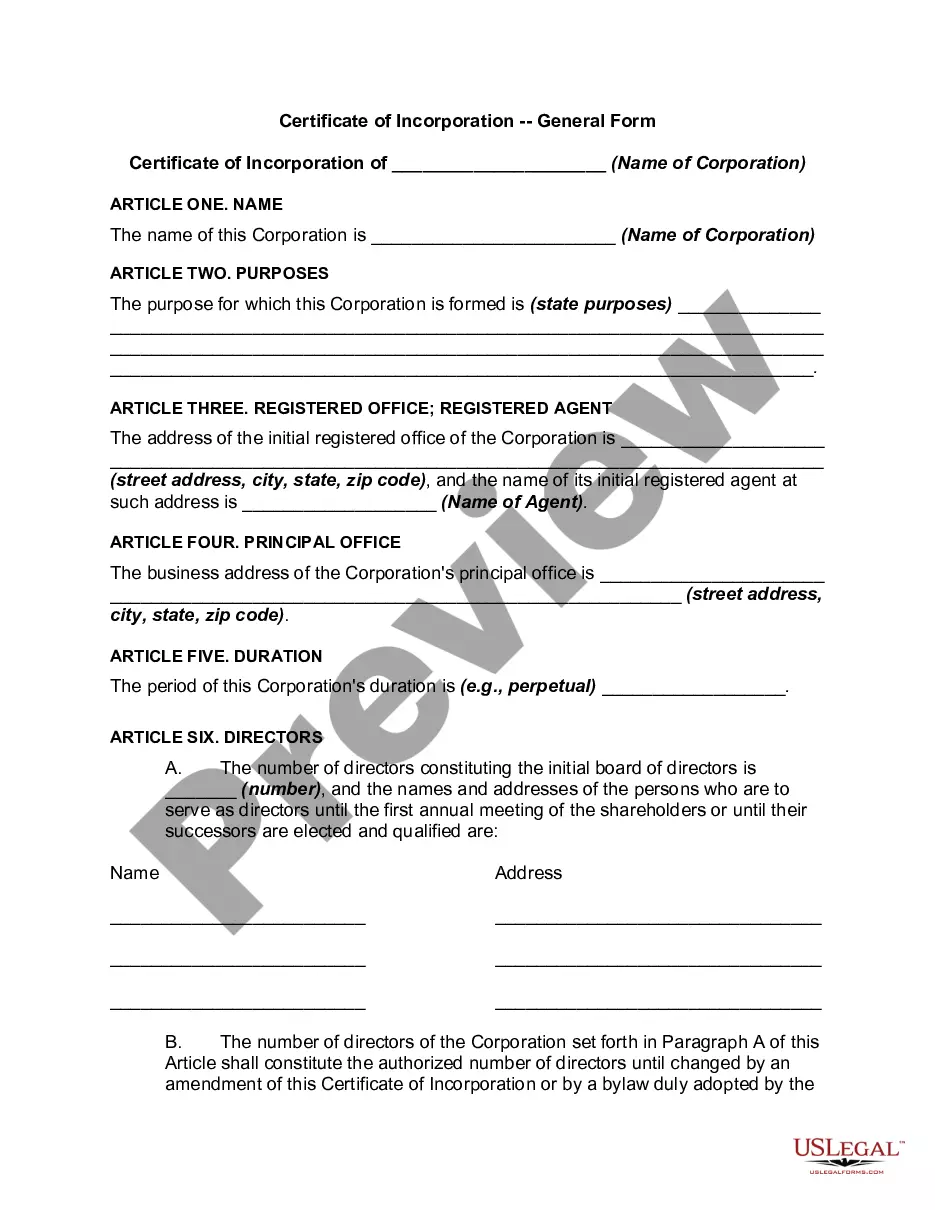
Corporation Corporate Officer For Micro Manufacturing In Queens
Description

Get your form ready online
Our built-in tools help you complete, sign, share, and store your documents in one place.
Make edits, fill in missing information, and update formatting in US Legal Forms—just like you would in MS Word.
Download a copy, print it, send it by email, or mail it via USPS—whatever works best for your next step.
Sign and collect signatures with our SignNow integration. Send to multiple recipients, set reminders, and more. Go Premium to unlock E-Sign.
If this form requires notarization, complete it online through a secure video call—no need to meet a notary in person or wait for an appointment.
We protect your documents and personal data by following strict security and privacy standards.

Make edits, fill in missing information, and update formatting in US Legal Forms—just like you would in MS Word.

Download a copy, print it, send it by email, or mail it via USPS—whatever works best for your next step.

Sign and collect signatures with our SignNow integration. Send to multiple recipients, set reminders, and more. Go Premium to unlock E-Sign.

If this form requires notarization, complete it online through a secure video call—no need to meet a notary in person or wait for an appointment.

We protect your documents and personal data by following strict security and privacy standards.
Looking for another form?









Form popularity
FAQ
Corporate officers are individuals entrusted with the mandate to execute the decisions of a corporation's board of directors (BOD) and, often, identify the best way to operate the business. They carry out the policies set forth by the Board of Directors, the Articles of Incorporation, and the by-laws.
Corporate officers are appointed by the company's board of directors, or a committee of members elected by shareholders. Corporations establish their voting procedures and officer positions when they first incorporate.
Who qualifies as a corporate officer? Generally, corporate officers are high-level management executives with decades of business expertise serving in leadership roles. That said, the board of directors ultimately determines the specific qualifications based on the corporation's needs.
The officers of a corporation are in executive-level roles. Unlike regular employees of a company, officers are formally appointed or elected by the board of directors ing to company bylaws.
In US companies, officers are elected by the board of directors, and usually consist of a president and/or a chief executive officer, one or more vice presidents, a secretary, and a treasurer or chief financial officer.
The chief executive officer (CEO) is generally considered to be the highest-ranking officer in a company.
There are sources and tools that may be helpful for finding information about officers and directors, and to a limited degree those lower on the corporate hierarchy. Company Web Pages. This should be the first stop for anyone researching the executives and directors. SEC Filings. LinkedIn. The Internet. Articles.
Directors: appointed by shareholders to oversee the management of the corporation. Officers: appointed by directors to manage the day-to-day activities of the company.
Corporate officers run the corporation and oversee its operation. They also hire managers and employees. Describe the difference between stocks and bonds.
(a) The board of directors shall consist of one or more members. The number of directors constituting the board may be fixed by the by-laws, or by action of the shareholders or of the board under the specific provisions of a by-law adopted by the shareholders.

