Certificate By Gazetted Officer For Aadhar In Ohio
Description

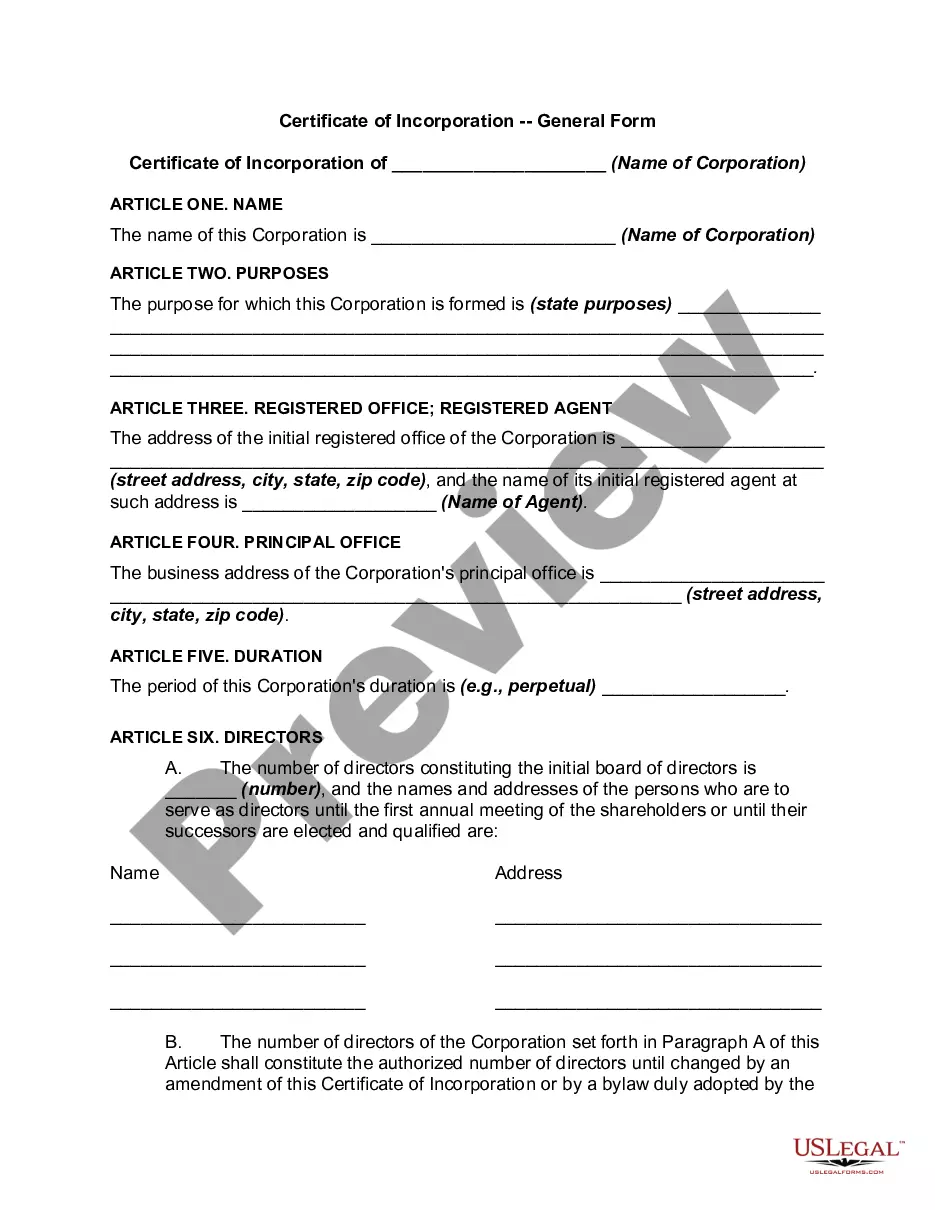
Get your form ready online
Our built-in tools help you complete, sign, share, and store your documents in one place.
Make edits, fill in missing information, and update formatting in US Legal Forms—just like you would in MS Word.
Download a copy, print it, send it by email, or mail it via USPS—whatever works best for your next step.
Sign and collect signatures with our SignNow integration. Send to multiple recipients, set reminders, and more. Go Premium to unlock E-Sign.
If this form requires notarization, complete it online through a secure video call—no need to meet a notary in person or wait for an appointment.
We protect your documents and personal data by following strict security and privacy standards.

Make edits, fill in missing information, and update formatting in US Legal Forms—just like you would in MS Word.

Download a copy, print it, send it by email, or mail it via USPS—whatever works best for your next step.

Sign and collect signatures with our SignNow integration. Send to multiple recipients, set reminders, and more. Go Premium to unlock E-Sign.

If this form requires notarization, complete it online through a secure video call—no need to meet a notary in person or wait for an appointment.

We protect your documents and personal data by following strict security and privacy standards.
Looking for another form?

Form popularity
FAQ
The person requesting authentication needs to send the Certificate Official Character form(s) and the original document(s) bearing the notary's signature to the Ohio Secretary of State with a check for $5.00 and a letter stating what country it is needed for.
Although certified copies often refer to the copies of vital records and documents, such as birth certificates, which you can obtain only from the county clerk, the terms notarized and certified copies of documents are used interchangeably. A notarized document has more credibility.
The person signs a statement to attest that the copy presented is a true copy of the original, then their signature can be notarized. In this manner, the signer is certifying the copy; the notary is only providing notarization of the signature. In Ohio, the notary cannot directly certify a copy themselves!
The Clerk of Courts office certifies public records maintained in their office when necessary, and in turn, the Ohio Secretary of State's office authenticates the certification of those public records when required.
To apply, you must be 18 years old or older, a resident of Ohio, and you cannot have a criminal record that includes fraud, theft, violent crime, or other disqualifying offenses. Attorney exemptions apply. Non-resident attorneys who practice law in Ohio are eligible to become Notaries in Ohio.
What documents are required to update Aadhaar Card DOB? To update your Aadhaar Card DOB, you will need to provide one of the following documents: Passport. Photo Identity Card issued by a Central or State Government, PSU, Regulatory Body, or Statutory Body.
Date of Birth Proof of Beneficiary(Any One is mandatory) Aadhaar Card,(Verified DoB),Passport,Nursing home/Hospital Report/Vaccination card Driving License,SSC from recognized board by GoI CMO / Doctor Report. Certificate from School signed by Principal on School Letter Head.
Go to your nearest Aadhaar centre to enrol your child. The parent or guardian's Aadhaar along with the child's birth certificate is required. Biometric will not be collected from kids up to the age of five. The kid's Aadhaar will be linked to her/his parent's Aadhaar.
Applicable documents in support of Proof of Identity (PoI), Proof of Address (PoA), Proof of Relationship (PoR) and Proof of Date of Birth(PDB) are required for enrolment.
This self-declaration form allows a Head of Family (HoF) to share their Aadhaar address with an immediate family member residing at the same address. The HoF declares their name and Aadhaar number and the name and relationship of the family member.

