Corporation Corporate Officer With A Misdemeanor In Maricopa
Description

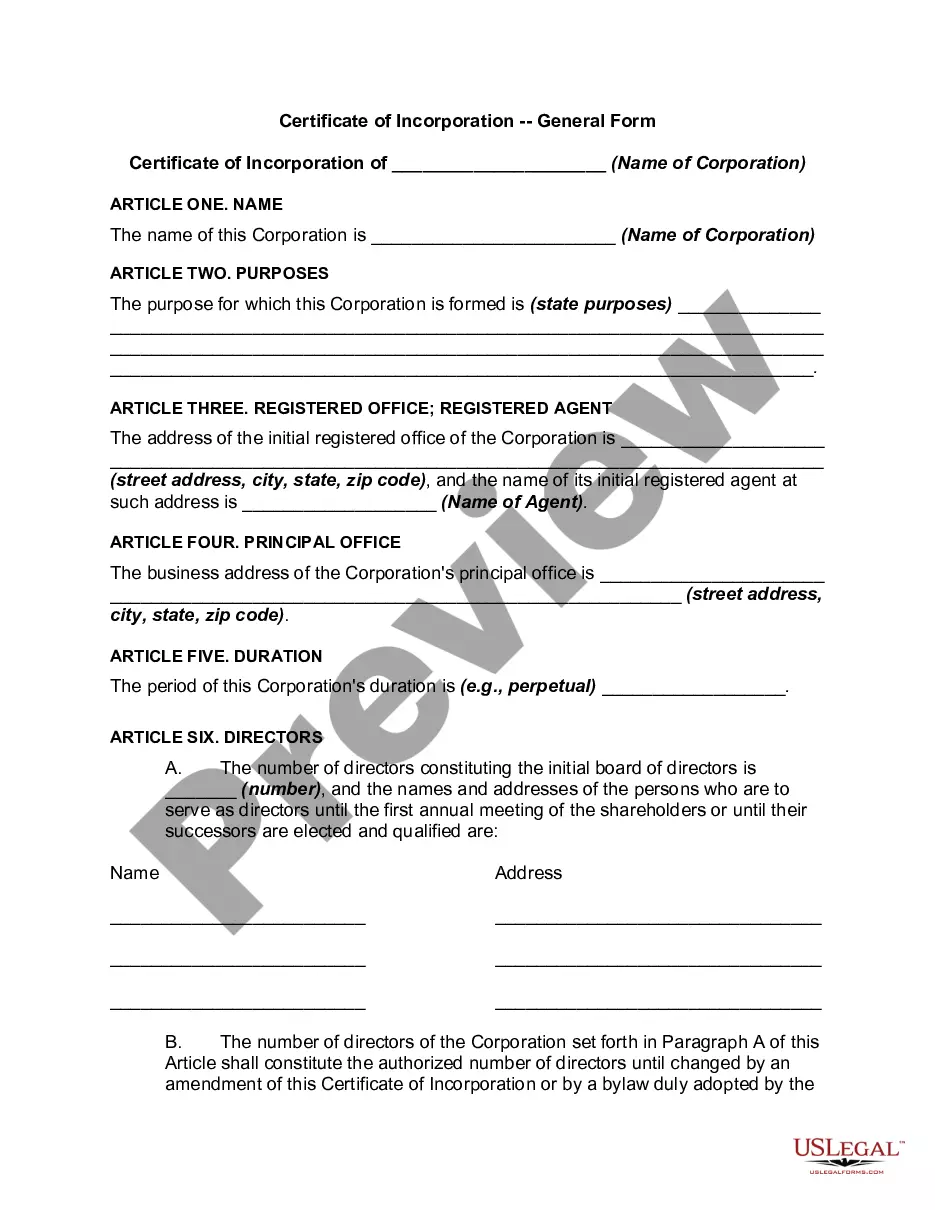
Get your form ready online
Our built-in tools help you complete, sign, share, and store your documents in one place.
Make edits, fill in missing information, and update formatting in US Legal Forms—just like you would in MS Word.
Download a copy, print it, send it by email, or mail it via USPS—whatever works best for your next step.
Sign and collect signatures with our SignNow integration. Send to multiple recipients, set reminders, and more. Go Premium to unlock E-Sign.
If this form requires notarization, complete it online through a secure video call—no need to meet a notary in person or wait for an appointment.
We protect your documents and personal data by following strict security and privacy standards.

Make edits, fill in missing information, and update formatting in US Legal Forms—just like you would in MS Word.

Download a copy, print it, send it by email, or mail it via USPS—whatever works best for your next step.

Sign and collect signatures with our SignNow integration. Send to multiple recipients, set reminders, and more. Go Premium to unlock E-Sign.

If this form requires notarization, complete it online through a secure video call—no need to meet a notary in person or wait for an appointment.

We protect your documents and personal data by following strict security and privacy standards.
Looking for another form?
Form popularity
FAQ
What are common misdemeanors? Common misdemeanors include possession of controlled substances or drugs, petty theft, vandalism, perjury, prostitution, indecent exposure, trespassing, basic assault, resisting arrest, public intoxication, and DUI (Driving under the Influence).
In Arizona, a misdemeanor offense will stay on your criminal record indefinitely unless it is sealed or expunged. Recent changes to Arizona law have made it easier for individuals to seal their criminal records. As of January 2023 (A.R.S.
The least serious misdemeanors are classified as Class C or Level Three. These crimes can result in fines and jail time of up to a year, and may also offer the chance of probation. The federal criminal code and the criminal laws of every state divide crimes into two levels, felonies and misdemeanors.
In Arizona, misdemeanors are less serious offenses than felonies and can result in up to 6 months in jail or a fine of up to $2,500. Felonies, on the other hand, are punishable by at least a year in state prison here. Therefore, it is clear that misdemeanors are not considered felonies in Arizona.
Yes, you can work for the Federal Government if you have a criminal record and were formerly incarcerated. People with criminal records are eligible to apply to most federal jobs, however there are some exceptions.
First-Time Offense For a Class 1 misdemeanor conviction in Arizona, a sentence can include any or all of three parts: jail time, fines, and probation. Generally, the judge in a Class 1 misdemeanor sentencing has some discretion to reduce or suspend the jail sentence in favor of probation.
A class 6 felony is the least serious of all felony charges. There are many different things that can be considered class 6 felonies, from promoting a pyramid scheme to practicing a profession as an electrician without the correct training or an active license.
A class 6 “open” felony, also called a class 6 undesignated felony, is a crime that has the possibility of being designated a misdemeanor. If a person is convicted of a class 6 undesignated felony offense, that crime is treated as a felony during the probation period.
How to Get a Misdemeanor Expunged in Arizona. To petition your court for a set aside, you must meet and complete all the terms and conditions of your sentence. This includes jail time, parole, probation, and fines. From felonies to misdemeanors, you can petition to set aside these offenses.
A Series 6 liquor license in Arizona, also known as a Bar license, allows the holder to sell and serve spirituous liquor for consumption on and off the premises. It's one of the most versatile licenses, suitable for bars, clubs, and taverns.

