Meeting With Company In Riverside
Description

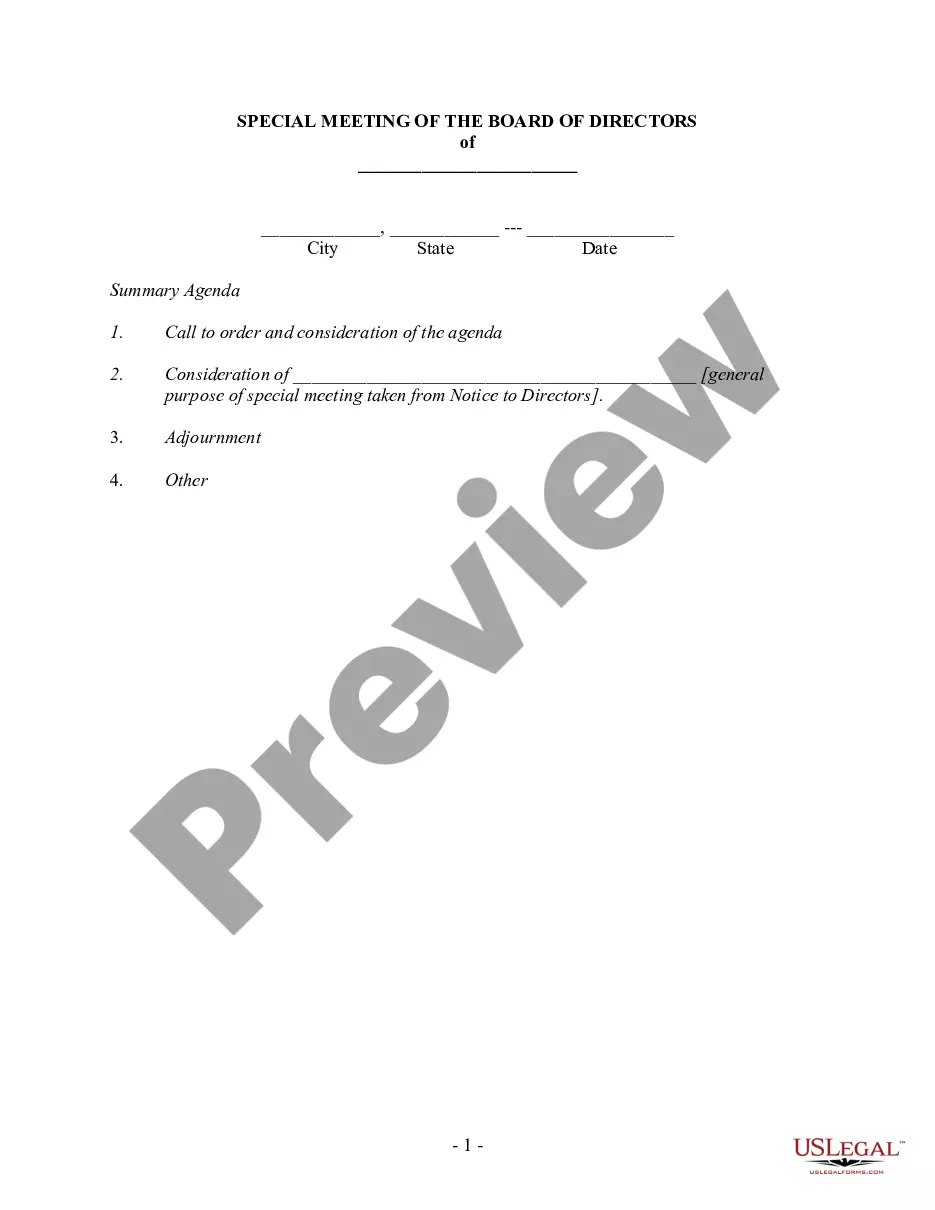


Get your form ready online
Our built-in tools help you complete, sign, share, and store your documents in one place.
Make edits, fill in missing information, and update formatting in US Legal Forms—just like you would in MS Word.
Download a copy, print it, send it by email, or mail it via USPS—whatever works best for your next step.
Sign and collect signatures with our SignNow integration. Send to multiple recipients, set reminders, and more. Go Premium to unlock E-Sign.
If this form requires notarization, complete it online through a secure video call—no need to meet a notary in person or wait for an appointment.
We protect your documents and personal data by following strict security and privacy standards.

Make edits, fill in missing information, and update formatting in US Legal Forms—just like you would in MS Word.

Download a copy, print it, send it by email, or mail it via USPS—whatever works best for your next step.

Sign and collect signatures with our SignNow integration. Send to multiple recipients, set reminders, and more. Go Premium to unlock E-Sign.

If this form requires notarization, complete it online through a secure video call—no need to meet a notary in person or wait for an appointment.

We protect your documents and personal data by following strict security and privacy standards.
Looking for another form?
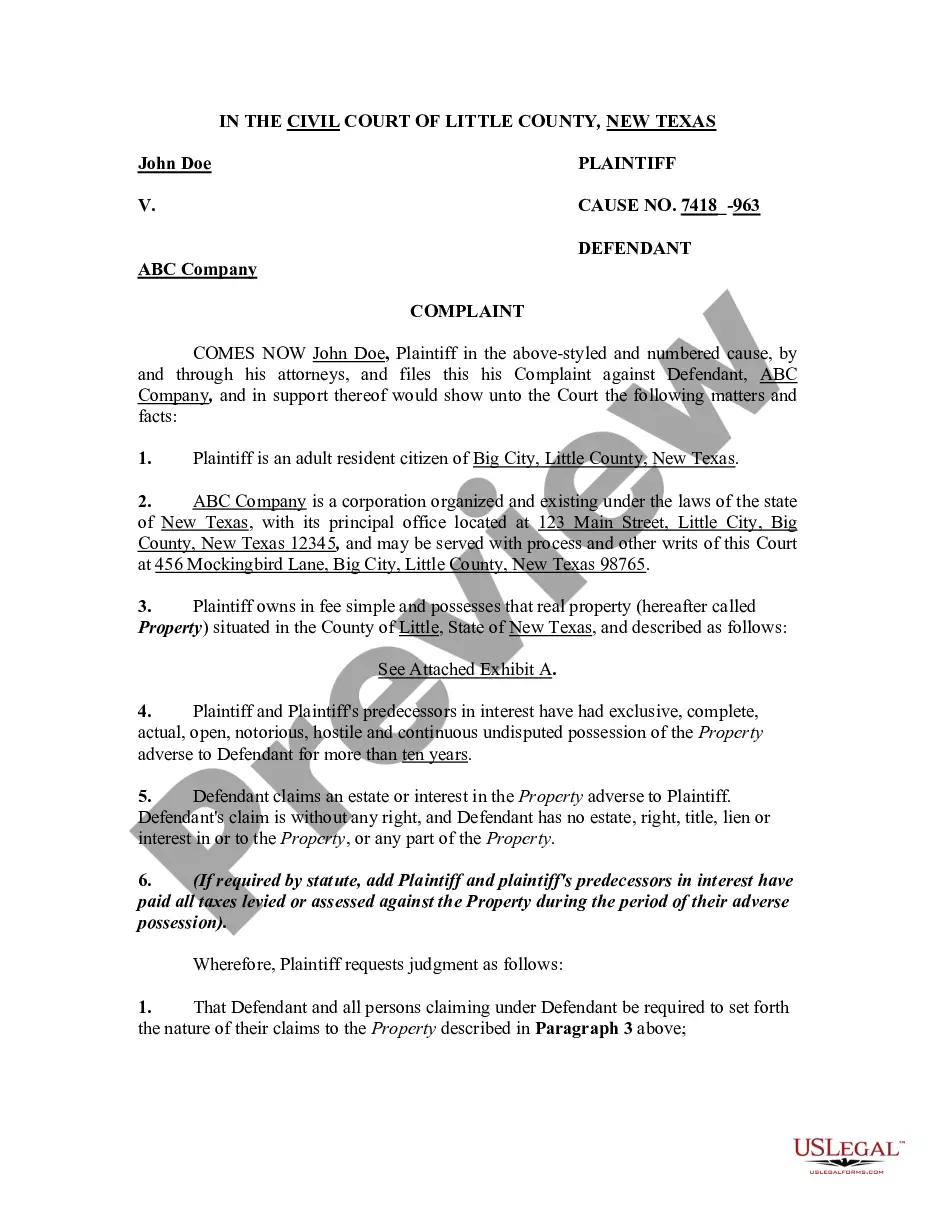
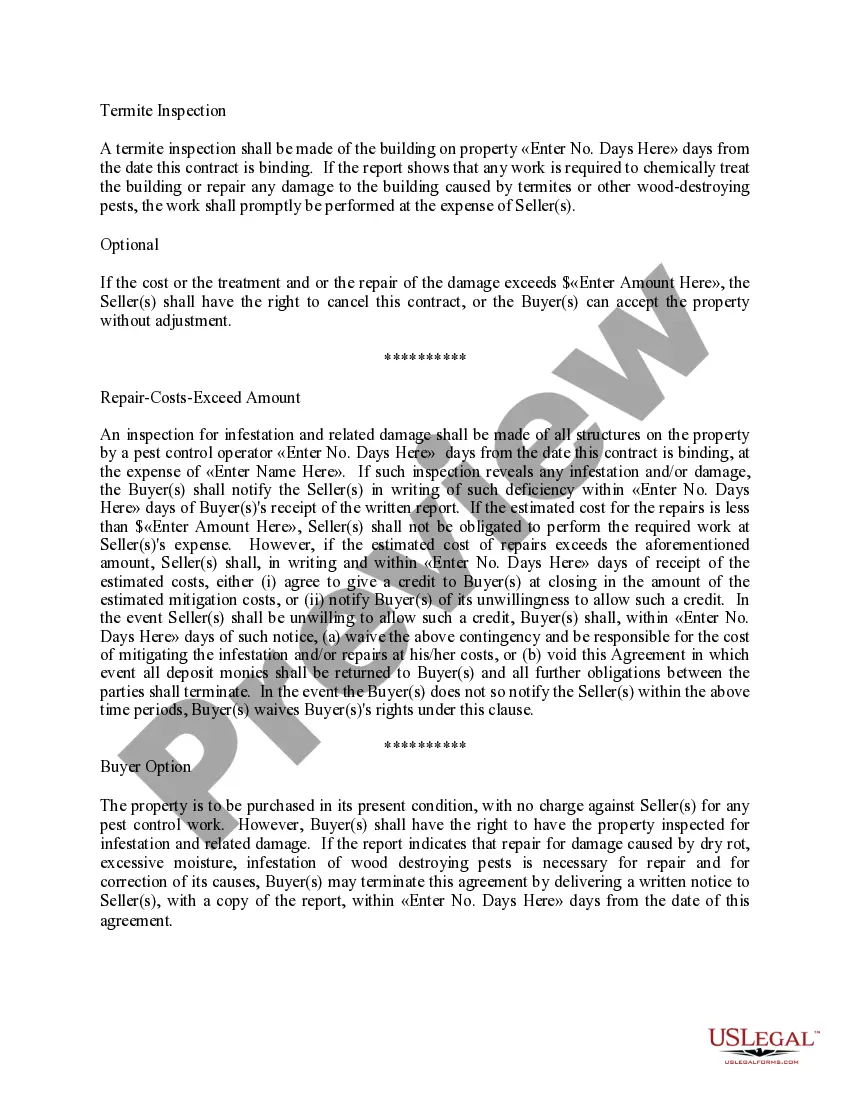
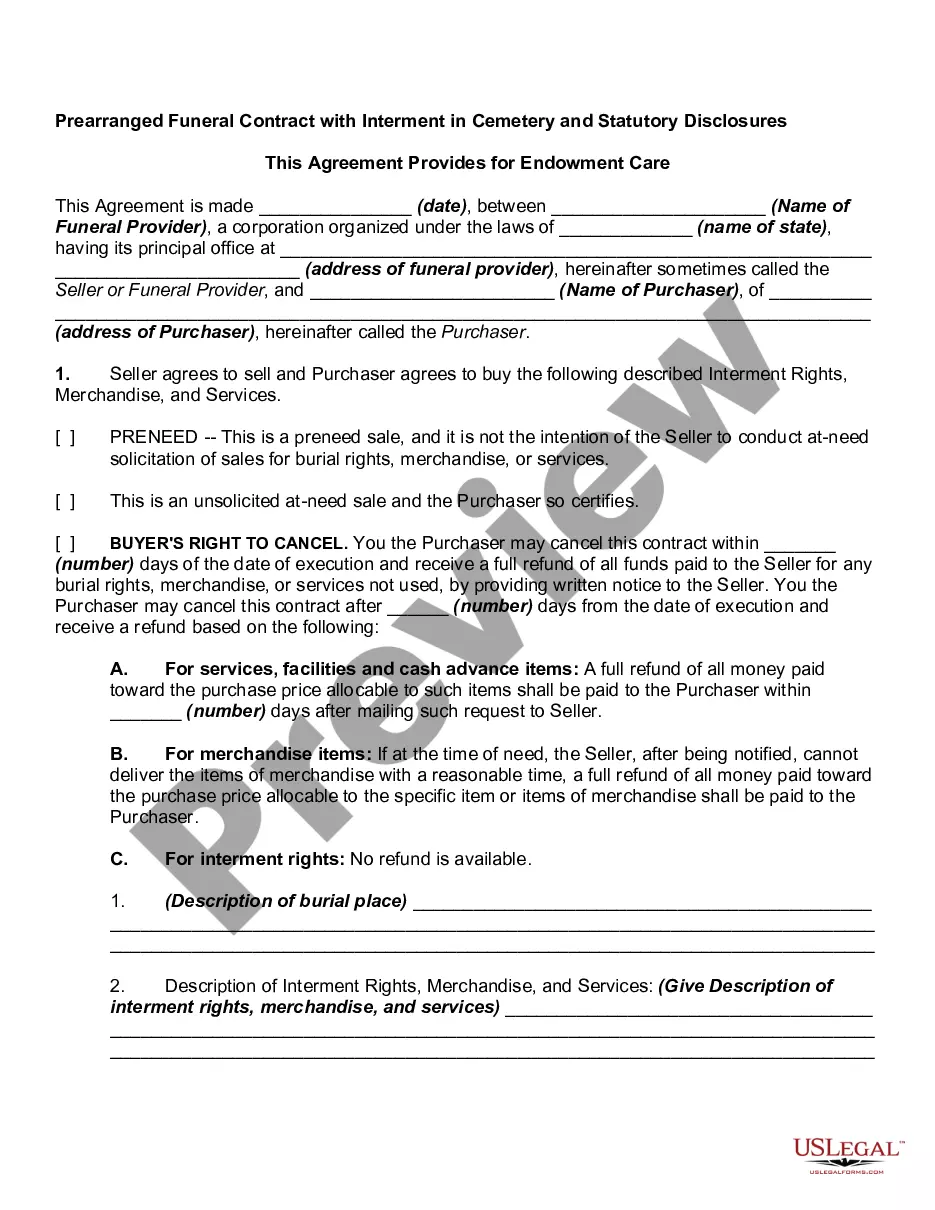

Form popularity
FAQ
What to Include in an Effective Meeting Request Email Clear and Direct Subject Line. Brief and Polite Introduction. Clear Statement of the Meeting's Purpose. Offer 2-3 Suggested Time Slots for Flexibility. Include the Expected Meeting Duration. Provide Your Contact Information for Easy Communication.
Meeting purpose Convince them by letting them know how you mutually benefit from the meeting. Let them know the main points you'd like to discuss and how the business meeting could impact them positively. However, don't let them know all of the details right away.
How To Write A Meeting Request Email? Start with an explanatory subject line. Use a professional salutation. Introduce yourself. State the purpose of the meeting. Suggest a possible date and time. Request for a reply. Proofread before sending. Follow up and remind.
Meeting purpose Convince them by letting them know how you mutually benefit from the meeting. Let them know the main points you'd like to discuss and how the business meeting could impact them positively. However, don't let them know all of the details right away.
Hope you have a great week! I am writing to request a meeting with you to discuss areas of concern. During our meeting, I would like to discuss my list of topics in itemized format. I will also share any details you may think are relevant before our meeting.
It's ok to default to "name, title, company,” when introductions are expected to be brief. (This is often cued by whoever is leading the meeting.) However, add a little something so you stand out. Look for appropriate opportunities to share more details during the meeting, tailored to the meeting purpose and attendees.
Here are tips to help you make your opening remarks engaging and memorable: Start with a greeting. Thank your webinar audience for their time. Introduce yourself in an engaging way. Introduce the guest speaker(s) ... State the purpose of your webinar. Outline the structure of your presentation.
“Good morning / afternoon” “Let's begin” “I'd like to welcome everyone” “Since everyone is here, let's get started”
Some short opening words you can use to start a meeting include: Good morning/evening, Team. Welcome everyone. Thank you all for coming. It seems everyone is here, so let's get started. I think we are all set to start the meeting.
You can say something like "Hi everyone, it's great to see you all here." Introduce yourself: If there are people on the call who you haven't met before, take a moment to introduce yourself. Share your name and your role in the conversation.
