Director Meeting Vs Shareholder Meeting In Fulton
Description

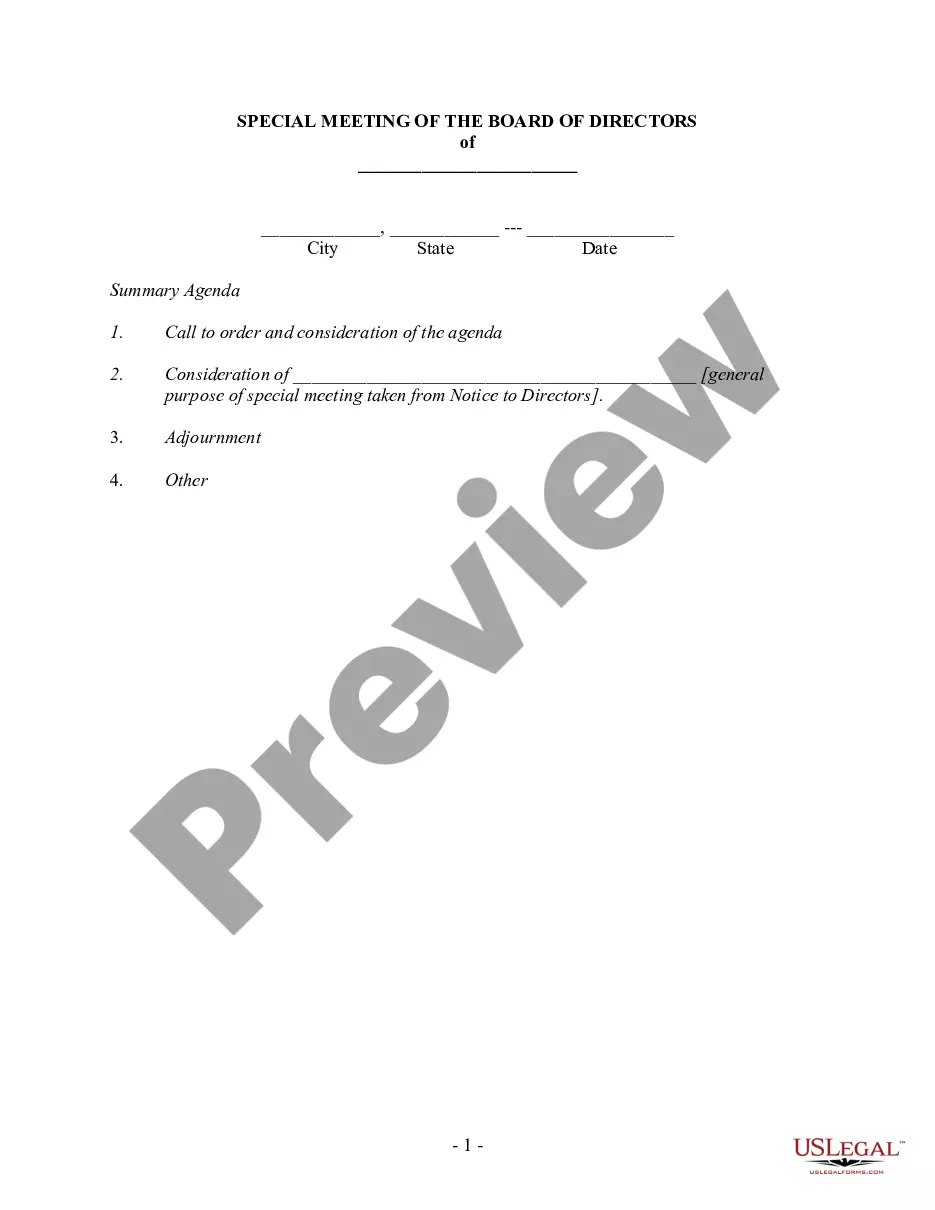


Get your form ready online
Our built-in tools help you complete, sign, share, and store your documents in one place.
Make edits, fill in missing information, and update formatting in US Legal Forms—just like you would in MS Word.
Download a copy, print it, send it by email, or mail it via USPS—whatever works best for your next step.
Sign and collect signatures with our SignNow integration. Send to multiple recipients, set reminders, and more. Go Premium to unlock E-Sign.
If this form requires notarization, complete it online through a secure video call—no need to meet a notary in person or wait for an appointment.
We protect your documents and personal data by following strict security and privacy standards.

Make edits, fill in missing information, and update formatting in US Legal Forms—just like you would in MS Word.

Download a copy, print it, send it by email, or mail it via USPS—whatever works best for your next step.

Sign and collect signatures with our SignNow integration. Send to multiple recipients, set reminders, and more. Go Premium to unlock E-Sign.

If this form requires notarization, complete it online through a secure video call—no need to meet a notary in person or wait for an appointment.

We protect your documents and personal data by following strict security and privacy standards.
Looking for another form?



Form popularity
FAQ
A meeting of all the shareholders or members of the company is called a Shareholders' Meeting. A meeting of all the Directors of the company is called a Board Meeting. Frequency of meeting depends on the type of meeting.
While corporate board members are present at shareholder meetings, the main voice in these settings is that of the investors. Owning company stock provides holders with equity and, depending on the type of stock they own, the right to vote during shareholder meetings.
A meeting of all the shareholders or members of the company is called a Shareholders' Meeting. A meeting of all the Directors of the company is called a Board Meeting. Frequency of meeting depends on the type of meeting.
Although shareholders can't amend decisions already made, they can voice approval for specific actions or raise objections that will influence future decisions. If the shareholders disagree with the direction a director is taking the company, they may be able to remove the director from their position on the board.
Directors and shareholders play two very distinct responsibilities in a firm. The directors run the business, while the shareholders, sometimes known as members, own its shares.
Board members and officers have distinct, but interrelated, roles in a corporation's structure. The board of directors is elected by the shareholders to represent their interests. They are the governing body of a company and make high-level decisions, like setting corporate policy and overseeing management.
Directors typically call general meetings. However, any shareholder holding at least 5% of the company shares can request that one be called if they believe it is necessary.
Effective steps for running productive board meetings Step 1 – get clear on the board chair role. Step 2 – ensure board members know their role. Step 3 – communicate before, during, and after the board meeting. Step 4 – use meeting time well: right agenda, right leadership. Step 5 – prepare for meetings effectively.
It is the most important corporate event of the year for shareholders. Its structure is regulated by Spain's law on corporations (Ley de Sociedades de Capital). The general meeting called within six months of the end of the previous fiscal year is known as the “annual” general meeting (or “AGM”).

