Business Meeting Format In Arizona
Description

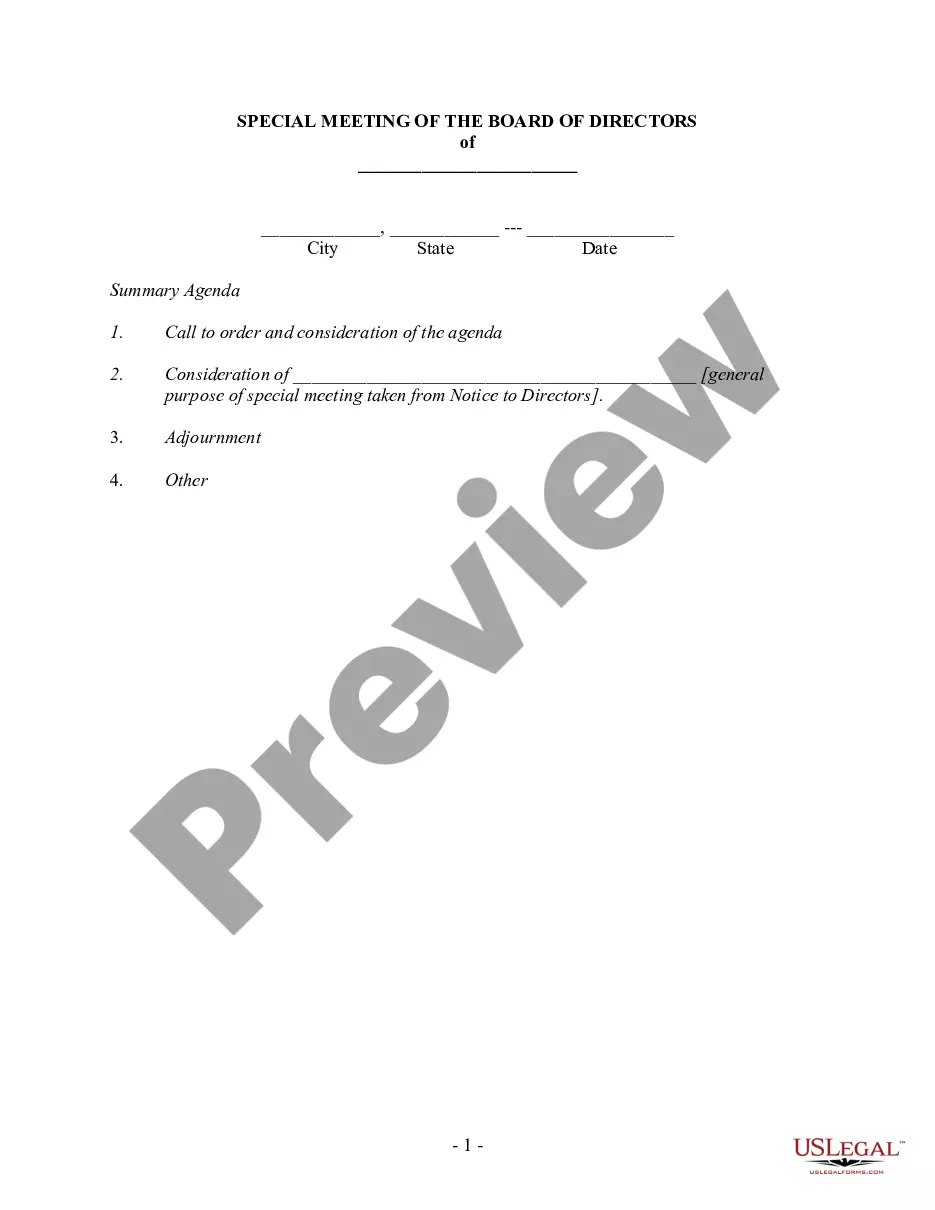


Get your form ready online
Our built-in tools help you complete, sign, share, and store your documents in one place.
Make edits, fill in missing information, and update formatting in US Legal Forms—just like you would in MS Word.
Download a copy, print it, send it by email, or mail it via USPS—whatever works best for your next step.
Sign and collect signatures with our SignNow integration. Send to multiple recipients, set reminders, and more. Go Premium to unlock E-Sign.
If this form requires notarization, complete it online through a secure video call—no need to meet a notary in person or wait for an appointment.
We protect your documents and personal data by following strict security and privacy standards.

Make edits, fill in missing information, and update formatting in US Legal Forms—just like you would in MS Word.

Download a copy, print it, send it by email, or mail it via USPS—whatever works best for your next step.

Sign and collect signatures with our SignNow integration. Send to multiple recipients, set reminders, and more. Go Premium to unlock E-Sign.

If this form requires notarization, complete it online through a secure video call—no need to meet a notary in person or wait for an appointment.

We protect your documents and personal data by following strict security and privacy standards.
Looking for another form?


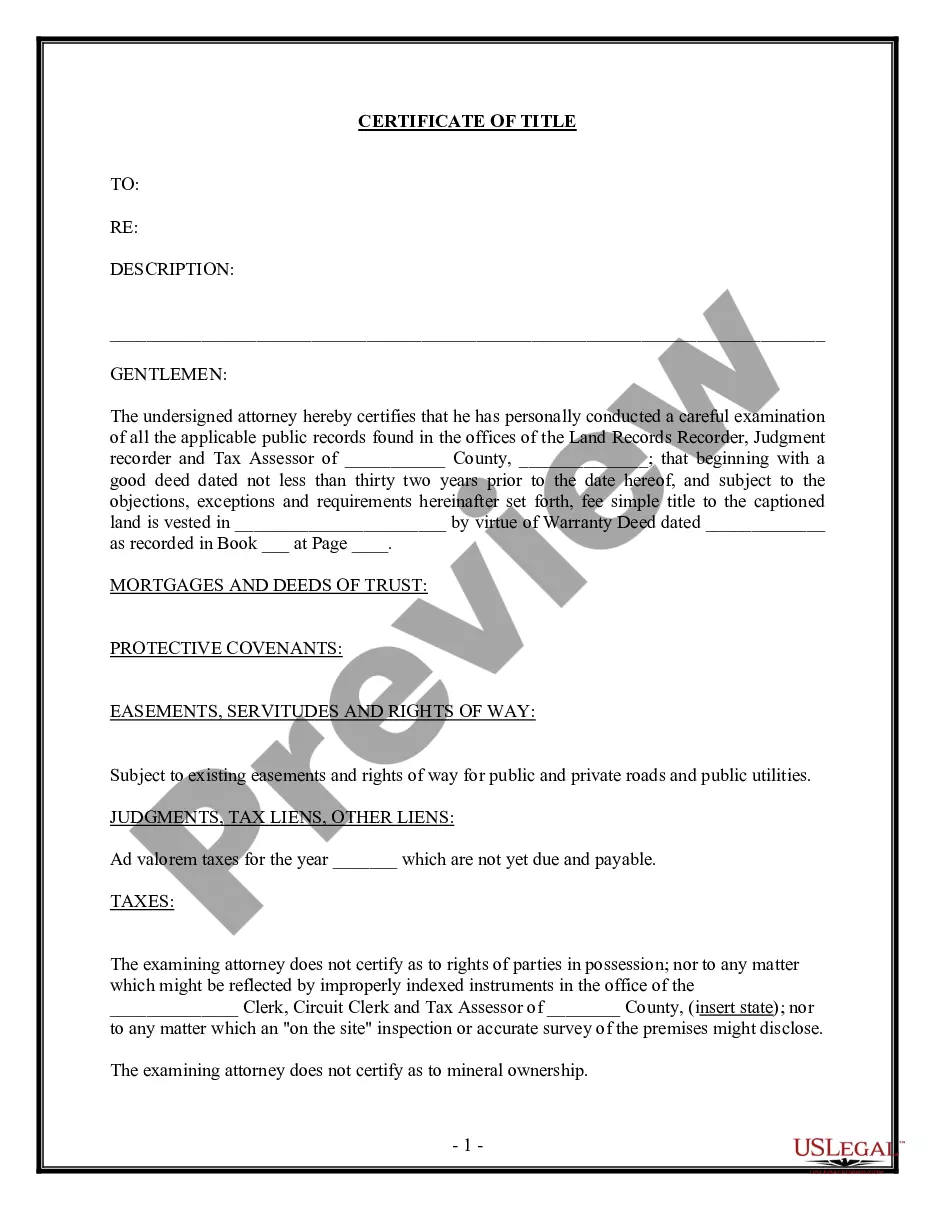
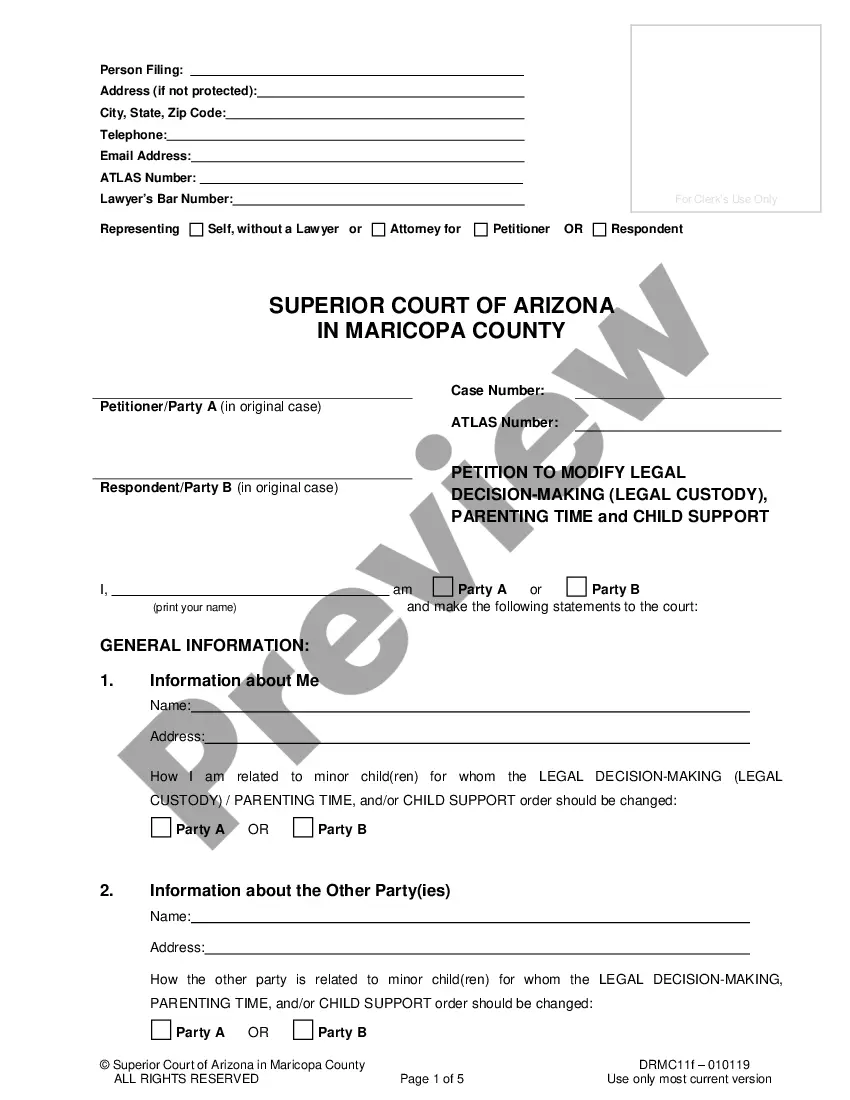

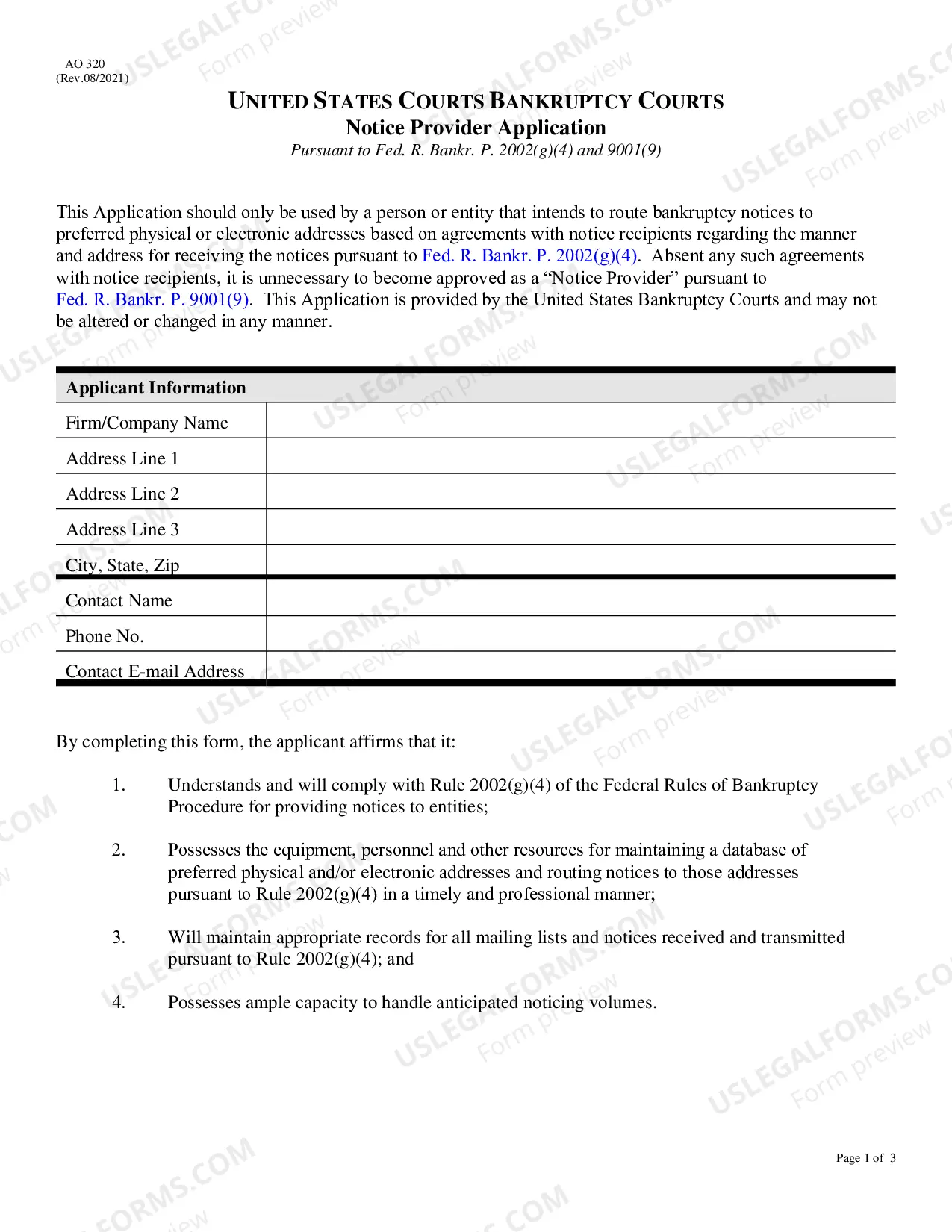



Form popularity
FAQ
Federal Open Meeting Laws The Federal Advisory Committee Act, which became law in 1972, applies to government committees that advise the President and executive agencies on specific matters. Most federal agencies are subject to the open meeting provisions of the Government in the Sunshine Act, passed in 1976.
Open meetings mean that every part of a public meeting is required to be open to public observation. While many entities have a 'public comment' period, for the most part, members of the audience may not participate in the deliberations of the board without express invitation by the board.
The 10 Ground Rules for Meetings Show up on time and come prepared. Stay mentally and physically present. Contribute to meeting goals. Let everyone participate. Listen with an open mind. Think before speaking. Stay on point and on time. Attack the problem, not the person.
Arizona's Open Meeting Law. It is the public policy of this state that meetings of public bodies be conducted openly and that notices and agendas be provided for such meetings which contain such information as is reasonably necessary to inform the public of the matters to be discussed or decided.
Types of Business Meetings Formal meetings. Informal meetings. Project status or update meetings. Planning meetings. Governance cadence business meetings. Innovation meetings. Team building meetings. Problem-solving meetings.
A business meeting is a formal or informal gathering of individuals within a company or organization, or between different organizations, to discuss specific topics, make decisions, solve problems, or collaborate on projects.
The open meeting law requires at least 24 hours notice of meetings to the members of the public body and the general public. A.R.S. § 38-431.02(C). Notice must be posted on the public body's website, unless otherwise permitted by statute.
How to Build an Effective Meeting Structure Define Clear Objectives: Determine the specific purpose of the meeting. Develop an Agenda. Prioritize Agenda Items. Assign Roles and Responsibilities. Invite the Right Participants. Communicate the Purpose. Stick to the Schedule. Foster Active Participation:
We can transform our meetings into engaging and productive sessions by applying the principles of the 40-20-40 rule. This rule suggests dedicating 40% of the time to preparation, another 40% to productive follow-up, and only 20% to the actual meeting itself.
But you can also give your meetings a huge shot in the arm by reminding yourself of the 3Cs of great meetings: communication, connection, and celebration. Communication is probably the meat and potatoes of your current meeting. We get together to share (ostensibly) essential information.

