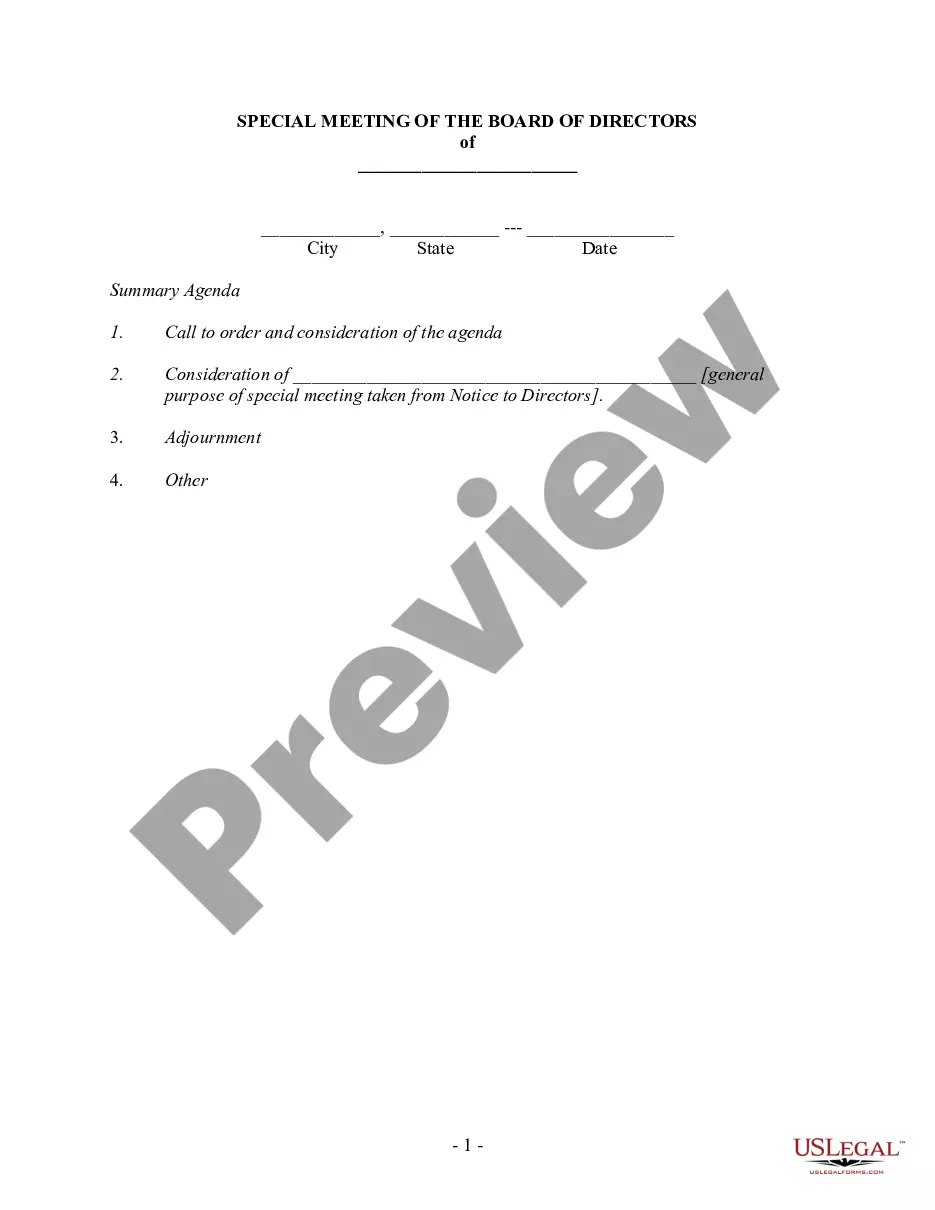
Annual Board Directors Template With Multiple Directors
Description



Get your form ready online
Our built-in tools help you complete, sign, share, and store your documents in one place.
Make edits, fill in missing information, and update formatting in US Legal Forms—just like you would in MS Word.
Download a copy, print it, send it by email, or mail it via USPS—whatever works best for your next step.
Sign and collect signatures with our SignNow integration. Send to multiple recipients, set reminders, and more. Go Premium to unlock E-Sign.
If this form requires notarization, complete it online through a secure video call—no need to meet a notary in person or wait for an appointment.
We protect your documents and personal data by following strict security and privacy standards.

Make edits, fill in missing information, and update formatting in US Legal Forms—just like you would in MS Word.

Download a copy, print it, send it by email, or mail it via USPS—whatever works best for your next step.

Sign and collect signatures with our SignNow integration. Send to multiple recipients, set reminders, and more. Go Premium to unlock E-Sign.

If this form requires notarization, complete it online through a secure video call—no need to meet a notary in person or wait for an appointment.

We protect your documents and personal data by following strict security and privacy standards.
Looking for another form?
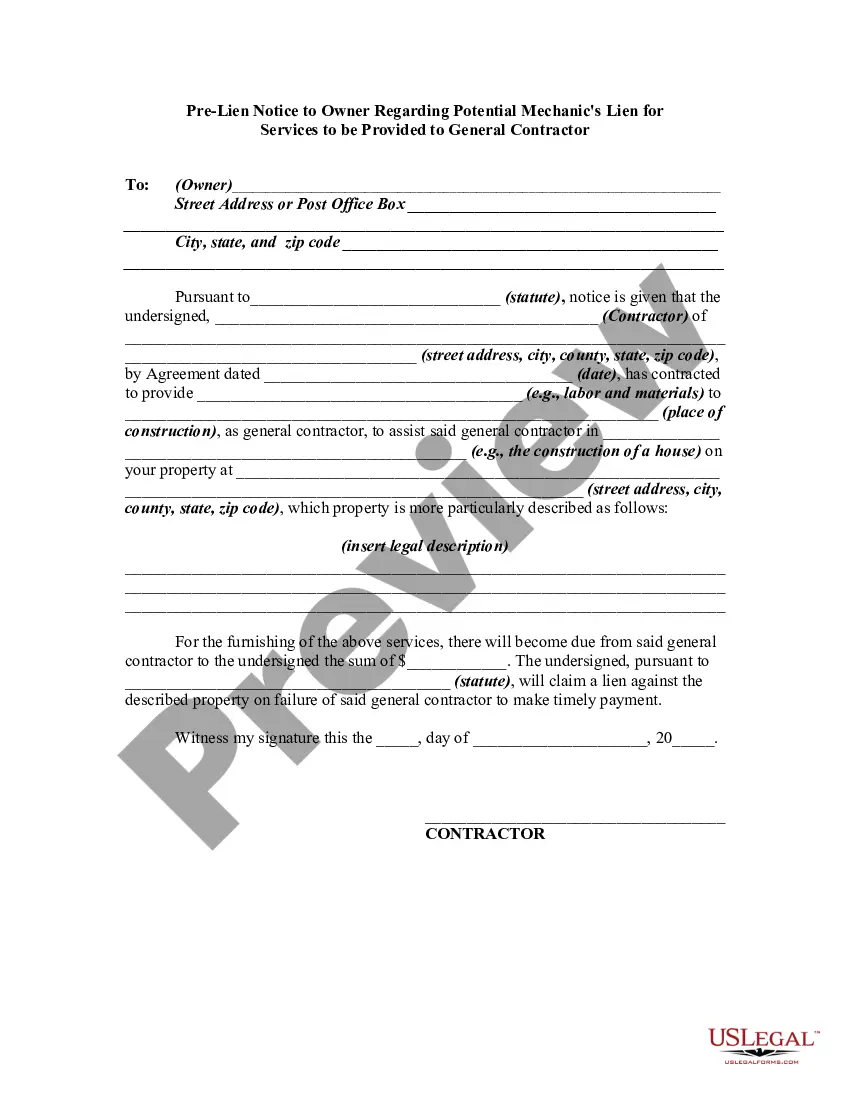


How to fill out Annual Board Of Directors Meeting Minutes - Corporate Resolutions?
Regardless of whether it's for corporate needs or personal affairs, everyone must handle legal issues at some stage in their life.
Filling out legal documents requires meticulous focus, starting with selecting the appropriate form template.
With an extensive US Legal Forms collection available, you will never waste time searching for the right template online. Utilize the library’s straightforward navigation to find the suitable template for any occasion.
- Locate the template you require using the search bar or catalog browsing.
- Review the form’s details to ensure it aligns with your circumstances, state, and county.
- Select the form’s preview to examine it.
- If it turns out to be the incorrect document, return to the search function to find the Annual Board Directors Template With Multiple Directors sample you need.
- Download the file if it corresponds with your specifications.
- If you already possess a US Legal Forms account, click Log in to access previously stored documents in My documents.
- Should you not have an account yet, you can acquire the form by clicking Buy now.
- Select the appropriate pricing plan.
- Fill out the account registration form.
- Choose your payment method: either a credit card or a PayPal account.
- Pick the document format you prefer and download the Annual Board Directors Template With Multiple Directors.
- Once downloaded, you can complete the form using editing software or print it and fill it out by hand.
Form popularity
FAQ
The quorum for a board meeting is the minimum number of directors required to conduct business legally. This number typically depends on your organization's bylaws, but it is often a majority. Utilizing an annual board directors template with multiple directors can help you specify quorum requirements clearly, ensuring all members understand what is needed to hold fruitful meetings. Knowing your quorum ensures that you can make decisions swiftly and with confidence.
You can indeed be on multiple boards of directors, depending on your capacity and the organizations' needs. Many professionals take on board roles in various companies to leverage their skills and expand their networks. It's advisable to consider any potential conflicts of interest that may arise. An Annual board directors template with multiple directors can assist in maintaining clear communication and governance standards across those roles.
Yes, a person can serve on multiple boards of directors across different organizations. This practice is common, especially for individuals with diverse industry expertise. However, it’s essential to manage time effectively and avoid conflicts of interest. Using the Annual board directors template with multiple directors can help you streamline your responsibilities across boards.
Yes, an individual can hold positions on multiple boards of directors. This practice is common in the business world, as experienced leaders can provide valuable insight. To effectively manage these roles, consider utilizing an Annual board directors template with multiple directors for organizing schedules and priorities.
The defendant must file a written answer within 20 days of service and mail it to the plaintiff. The defendant will be required to pay a filing fee when filing an answer. If the defendant cannot afford the filing fee, the defendant can ask the clerk for a fee waiver/deferral application.
A subpoena may be served anywhere within the state. Proof of service when necessary shall be made by filing with the clerk of the court of the county in which the case is pending a statement of the date and manner of service and of the names of the persons served, certified by the person who made service.
Dollar Amount Limits The justice courts have exclusive jurisdiction (authority) to hear all civil actions when the amount involved is below $10,000 not including interest, costs and awarded attorney fees. Parties with claims for less than $3,500 should consider filing in the Small Claims division of justice court.
Small Claims. Resolving civil disputes if damages are less than $3,500. A small claims lawsuit is a claim against another party for damages of an amount less than $3,500.00. These lawsuits are designed to resolve civil disputes in front of a small claims hearing officer or a Justice of the Peace.
Arizona's Justice Courts Cases in which the amount in controversy is greater than $10,000 must be filed in the superior court. If a defendant files a counterclaim in justice court for more than $10,000, the case will be immediately transferred to the superior court.
A small claims lawsuit is a voluntary and simplified procedure. Small claims court may only decide lawsuits in which the plaintiff's claims are not more than $3,500 and the defendant's counterclaims are not more than $3,500, not counting interest and costs.
