Sample Letter To Customer For Business In Travis
Description
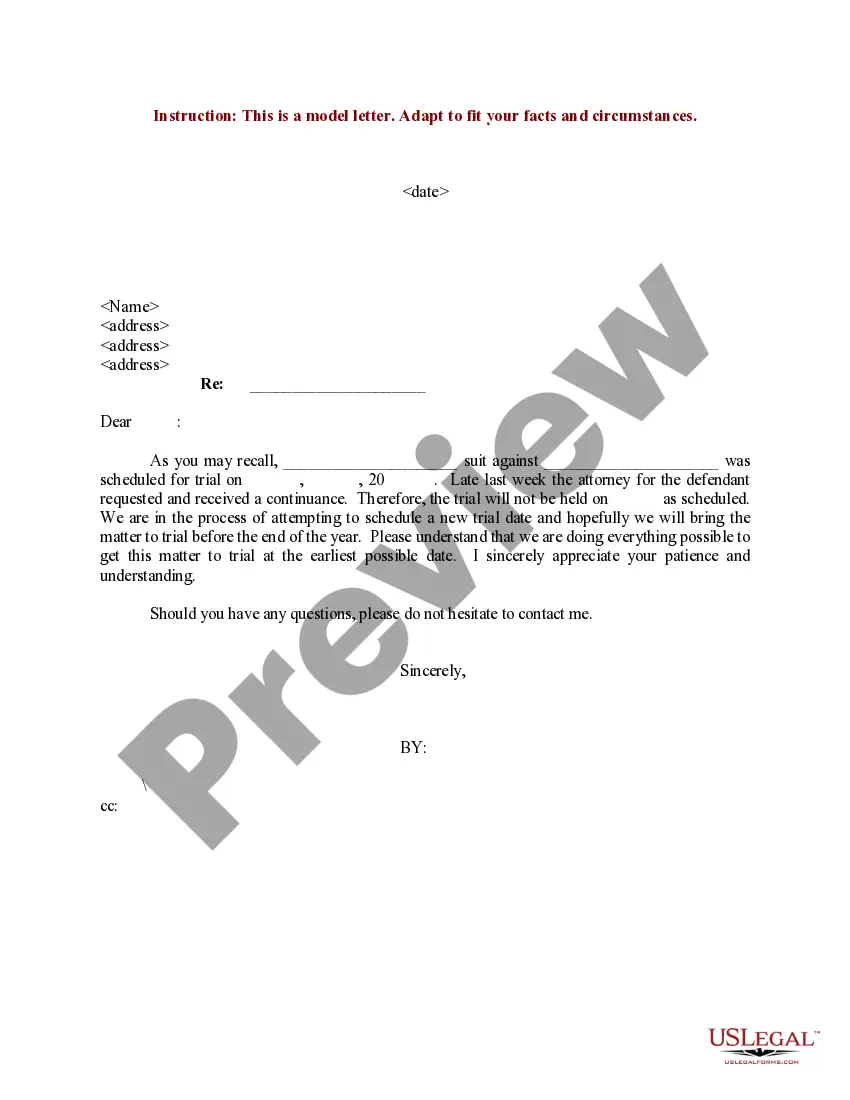
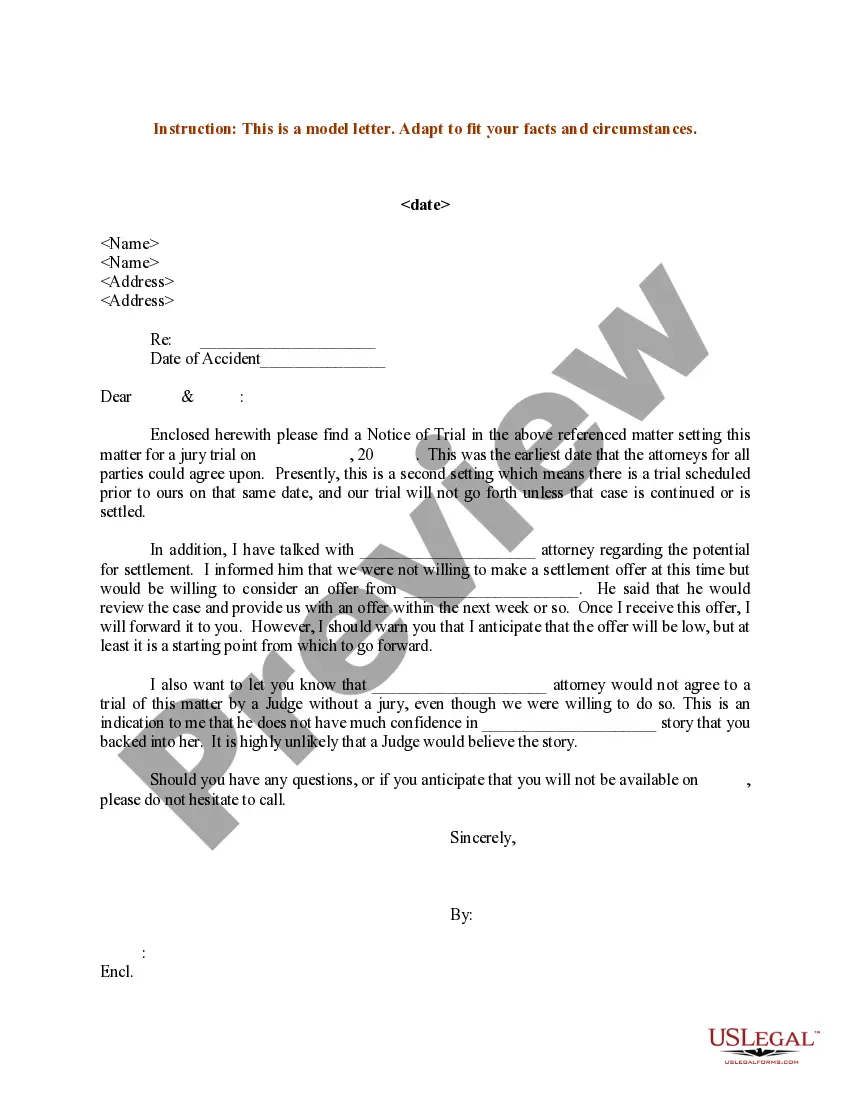
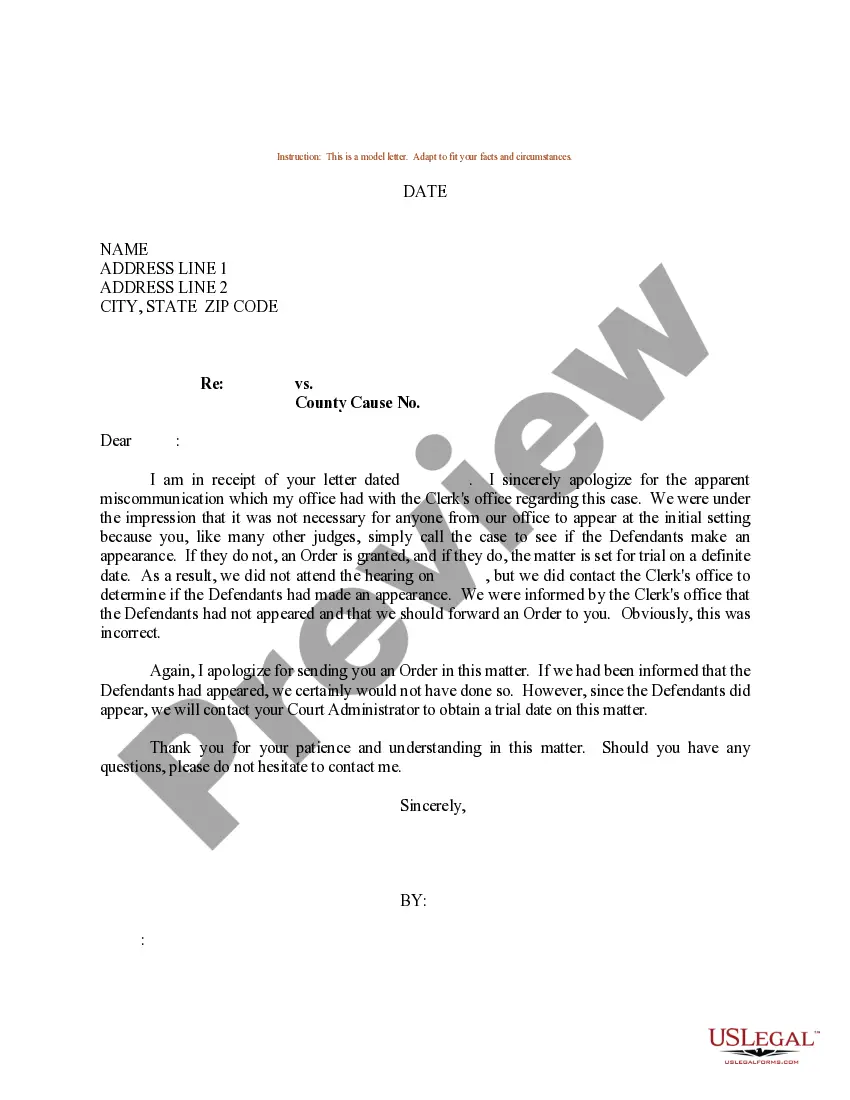
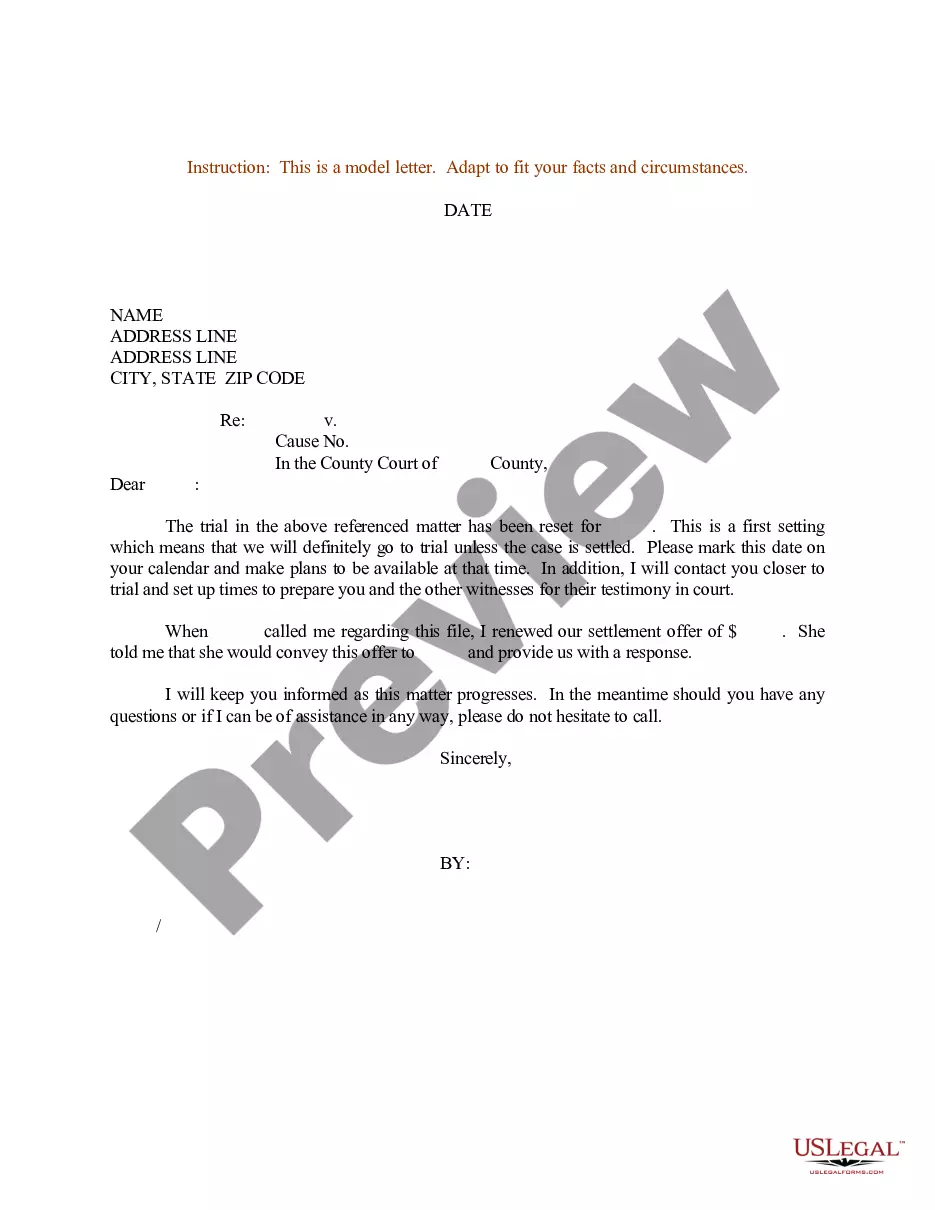
Get your form ready online
Our built-in tools help you complete, sign, share, and store your documents in one place.
Make edits, fill in missing information, and update formatting in US Legal Forms—just like you would in MS Word.
Download a copy, print it, send it by email, or mail it via USPS—whatever works best for your next step.
Sign and collect signatures with our SignNow integration. Send to multiple recipients, set reminders, and more. Go Premium to unlock E-Sign.
If this form requires notarization, complete it online through a secure video call—no need to meet a notary in person or wait for an appointment.
We protect your documents and personal data by following strict security and privacy standards.

Make edits, fill in missing information, and update formatting in US Legal Forms—just like you would in MS Word.

Download a copy, print it, send it by email, or mail it via USPS—whatever works best for your next step.

Sign and collect signatures with our SignNow integration. Send to multiple recipients, set reminders, and more. Go Premium to unlock E-Sign.

If this form requires notarization, complete it online through a secure video call—no need to meet a notary in person or wait for an appointment.

We protect your documents and personal data by following strict security and privacy standards.
Looking for another form?








Form popularity
FAQ
3. Format the letter correctly. Heading. Start by including your name and mailing address at the top of the page. Salutation. Address the letter to the appropriate recipient. Introduction. Introduce who you are, as applicable, and the reason for writing. Body. Conclusion. Closing. Signature. Enclosures.
"I would like to request something." Example, "I would like to request your attendance at the meeting." This is a formal sentence which means, "Please come to the meeting." I would like to request. You can imagine this as meaning, "I want" or "I need" or "Please do this." "I would like to request something.
Here is how to write a request letter in 7 steps: Collect information relating to your request. Create an outline. Introduce yourself. Make your request. Explain the reason for the request. Offer to provide additional information. Show your gratitude and conclude the letter.
The first paragraph of a business letter should state the letter's purpose. While a first sentence may establish goodwill – e.g., “I hope this letter finds you well” – you should arrive quickly at the reason you're writing. Don't be impolite but do be concise and professional in tone.
How to write a letter of request. Gather information. Before you write your letter of request, you're probably going to need to do some research. Plan your content. Introduce yourself. Detail your request. Explain why. Conclude the letter.
Here are some steps and quick tips to follow when writing an email requesting something: Start with a clear subject line. Address the appropriate person. Introduce yourself and specify the purpose of the email. Provide context. Make a clear request and add a call to action. Explain why your email is important.
If you are addressing the letter to a specific person, your envelope address should include: The recipient's title and full name. The company name. The company mailing address.
Here is how to write a request letter in 7 steps: Collect information relating to your request. Create an outline. Introduce yourself. Make your request. Explain the reason for the request. Offer to provide additional information. Show your gratitude and conclude the letter.
For general information about the open records process, please visit the Office of the Attorney General's website or call their Open Government Hotline at (512) 478-6736 or (877) 673-6839.
Texas Public Criminal Records The Texas Department of Public Safety maintains records compiled from law enforcement agencies across the state. It also provides public access to records via a criminal history online search tool.

