Sample Letter After Meeting With Client In Oakland
Description
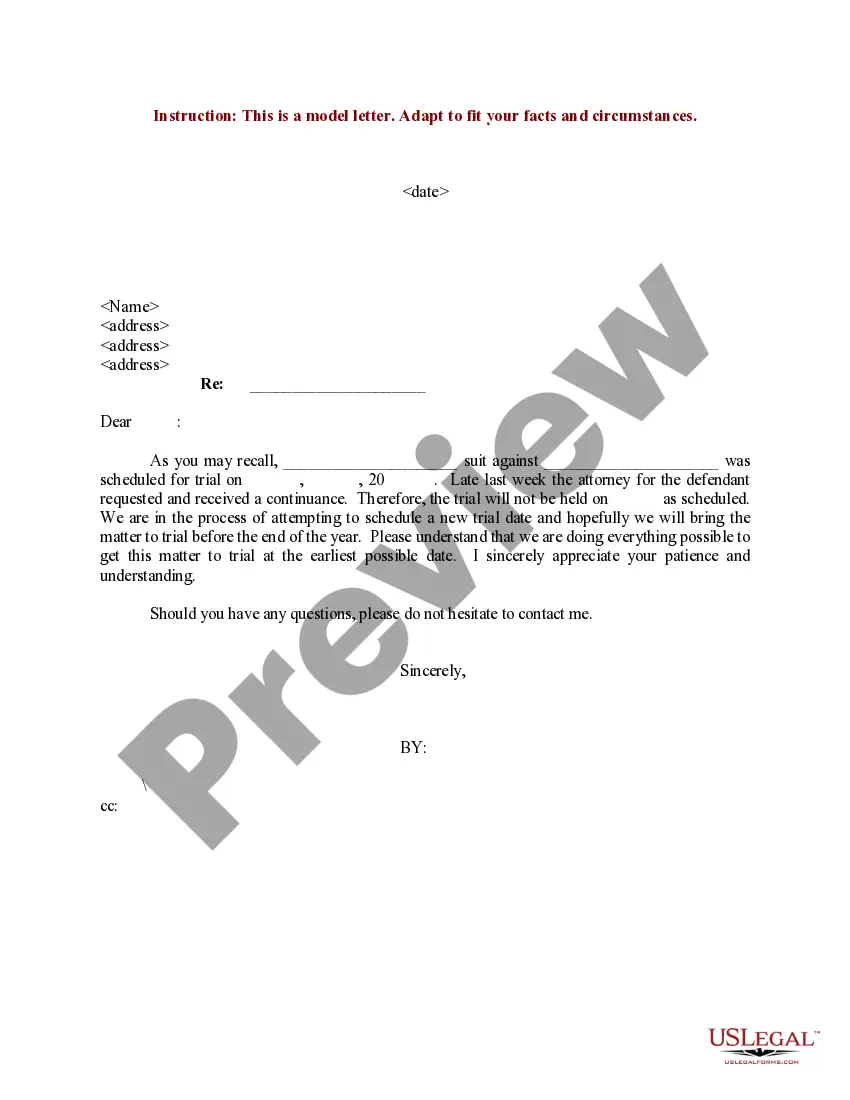
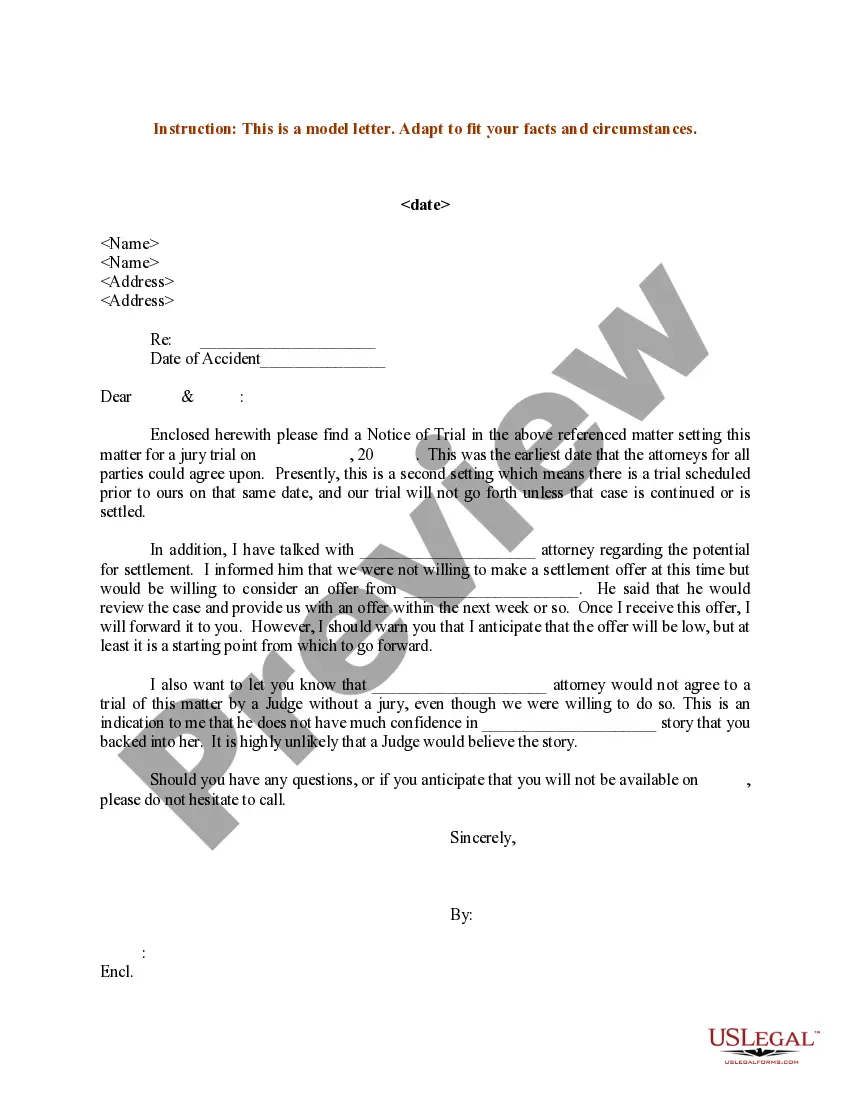
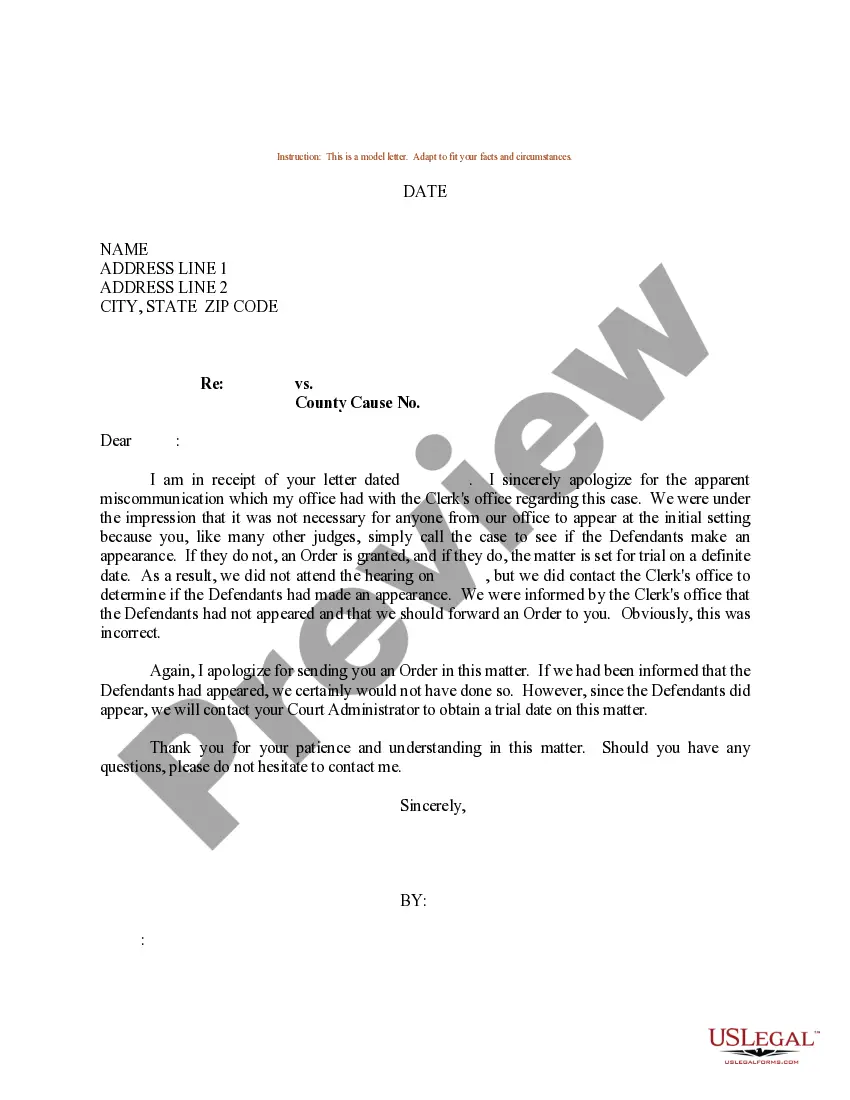
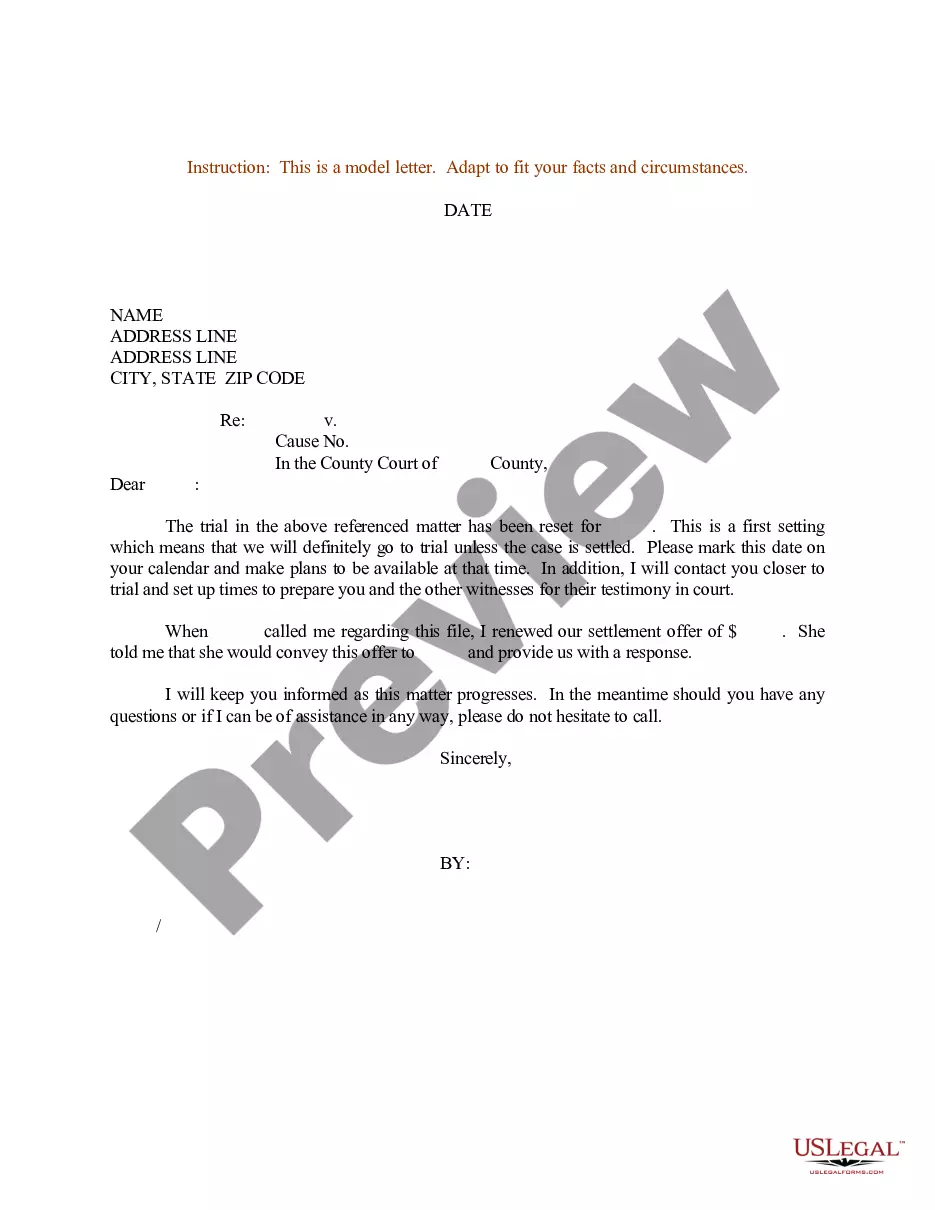
Get your form ready online
Our built-in tools help you complete, sign, share, and store your documents in one place.
Make edits, fill in missing information, and update formatting in US Legal Forms—just like you would in MS Word.
Download a copy, print it, send it by email, or mail it via USPS—whatever works best for your next step.
Sign and collect signatures with our SignNow integration. Send to multiple recipients, set reminders, and more. Go Premium to unlock E-Sign.
If this form requires notarization, complete it online through a secure video call—no need to meet a notary in person or wait for an appointment.
We protect your documents and personal data by following strict security and privacy standards.

Make edits, fill in missing information, and update formatting in US Legal Forms—just like you would in MS Word.

Download a copy, print it, send it by email, or mail it via USPS—whatever works best for your next step.

Sign and collect signatures with our SignNow integration. Send to multiple recipients, set reminders, and more. Go Premium to unlock E-Sign.

If this form requires notarization, complete it online through a secure video call—no need to meet a notary in person or wait for an appointment.

We protect your documents and personal data by following strict security and privacy standards.
Looking for another form?


Form popularity
FAQ
How to write a follow-up meeting thank you email Thank them for their time. Refresh their memory. Include a brief recap of what you previously discussed. End with a call to action. Use a professional and friendly tone. Avoid sounding too pushy. After a job interview. After a seminar or event.
How to Write a Meeting Summary Email After a Meeting Craft a Clear Subject Line. Thank People for Their Time and Effort. Summarize Key Points Covered During the Meeting. Outline Action Items, Deadlines, and Next Steps. Attach or Link to Relevant Resources and Documents. Invite People to Ask Questions or Reconvene.
Professional email characteristics A professional tone. An appropriate greeting. A clear and direct subject line. A concise message that states its purpose. An appropriate closing that explains what action should be taken. A sign-off.
Here's what you can include in your meeting recap: Meeting details. People/departments involved. Updates. Decisions. Action items/key discussion points/important details discussed. Deadlines. Next steps. Ideas set aside for future reference.
Compose a new draft message that will say all the generic things you want to say to everyone you met. Stuff along the lines of ``it was great to meet you at Conference X'' and a reminder about who you were in case they forgot should go in here. Instead of sending it, use the Canned Responses lab to save it for later.
If you're writing a summary by hand, follow these steps: Take detailed meeting notes. Strong summaries start with good meeting notes. Organize the main takeaways. Outline follow-up tasks and action items. Start with some context. Attach relevant supporting documents if necessary.
Tips for your next post-meeting follow-up email Write your email subject line based on the meeting topic. Say thank you. Reaffirm next steps. Read the email more than twice. Include some level of personalization. Send your recap email in a timely manner to stay top of mind.
Mention the primary themes or topics that were discussed. Dedicate sections to summarize each session you attended. Include the title, speaker names, and key points or discussions. This gives readers a clear idea of the event's content.
How to Write a Meeting Summary Thank Everyone for Attending. Summarize the Key Points. List Follow-up Tasks For the Next Meeting. Outline Important Decisions Made. Don't Forget the Details. Attach Any Relevant Files. Share It with Your Team.
How to write a follow-up meeting thank you email Thank them for their time. Refresh their memory. Include a brief recap of what you previously discussed. End with a call to action. Use a professional and friendly tone. Avoid sounding too pushy. After a job interview. After a seminar or event.

