Sample Letter To Client Withdrawing As Counsel In Michigan
Description

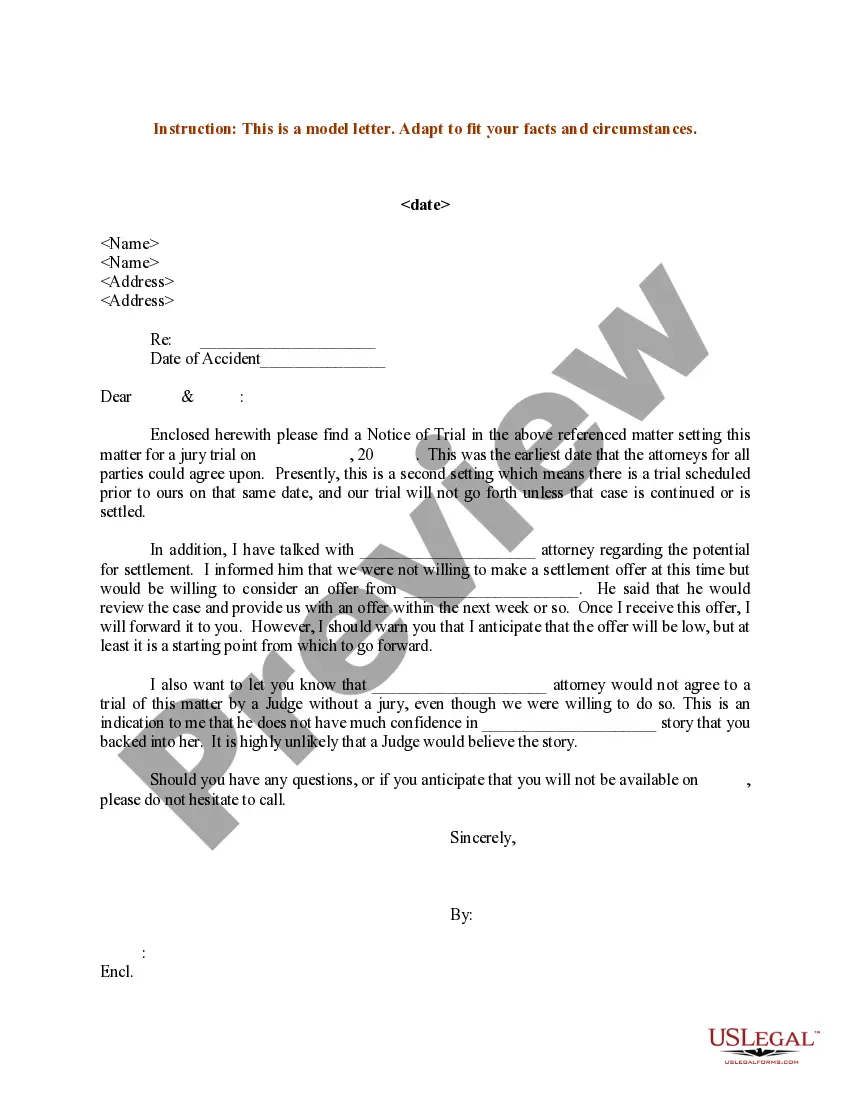
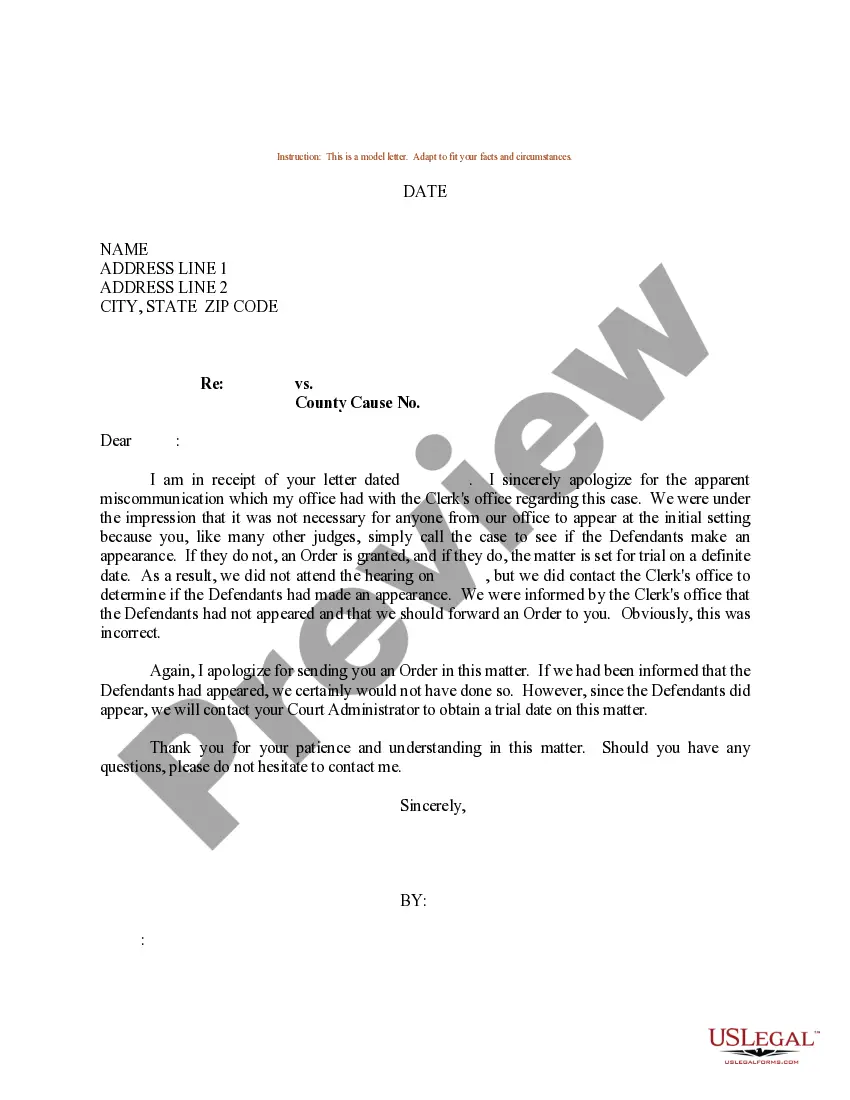
Get your form ready online
Our built-in tools help you complete, sign, share, and store your documents in one place.
Make edits, fill in missing information, and update formatting in US Legal Forms—just like you would in MS Word.
Download a copy, print it, send it by email, or mail it via USPS—whatever works best for your next step.
Sign and collect signatures with our SignNow integration. Send to multiple recipients, set reminders, and more. Go Premium to unlock E-Sign.
If this form requires notarization, complete it online through a secure video call—no need to meet a notary in person or wait for an appointment.
We protect your documents and personal data by following strict security and privacy standards.

Make edits, fill in missing information, and update formatting in US Legal Forms—just like you would in MS Word.

Download a copy, print it, send it by email, or mail it via USPS—whatever works best for your next step.

Sign and collect signatures with our SignNow integration. Send to multiple recipients, set reminders, and more. Go Premium to unlock E-Sign.

If this form requires notarization, complete it online through a secure video call—no need to meet a notary in person or wait for an appointment.

We protect your documents and personal data by following strict security and privacy standards.
Looking for another form?









Form popularity
FAQ
Even if the matter is not pending before a tribunal, the ethics rules of most states provide that a lawyer cannot withdraw until he or she has taken reasonable steps to avoid foreseeable prejudice to the rights of his client, such as giving notice to the client, allowing time for employment of other counsel, delivering ...
A disengagement letter serves to formally notify a client that a professional service provider, such as a lawyer, is concluding their services. This letter is crucial for ensuring clarity and avoiding any misunderstandings about the ongoing nature of the relationship.
A disengagement letter is especially critical when a lawyer decides not to continue past a specific stage in a case. The lawyer should send a disengagement letter to establish that the relationship is no longer continuing, and to refer the client to another lawyer.
Be direct but empathetic. Something like ``I'm sorry, but we will no longer be able to provide (service) for you going forward.'' Explain the reasons clearly but avoid blaming the customer. Offer to help them transition to a new provider. Thank them for their business.
Stay calm, rational and polite. Give reasons for terminating the relationship, but keep emotion and name-calling out of the conversation. Follow-up with a phone call. You can start the process with an email, but you should follow-up with a phone call to talk your client through the process and answer any questions.
A respectful approach would be, “At our company, we strive to maintain positive and respectful relationships with all our clients. However, we feel that our communication has not met this standard recently. Given this, we believe it's best to end our partnership at this time.
Contents Defining the purpose of the letter and the termination of the employment relationship. Establish the date of termination. Reference any applicable laws or contractual obligations. Outlining the rights and responsibilities of the employee and the employer.
What should I say in my client termination letter? Clearly state the purpose of the letter at the start. Share the reason for termination (optional) ... Express your appreciation for their business. Confirm outstanding work, outstanding fees, and your termination date. Offer a recommendation (optional)
Noun. 1. : a letter mailed at a post office not having carrier service and addressed locally to someone who is to call for it at the same office.

