Sample Letter To Customer For Business In King
Description

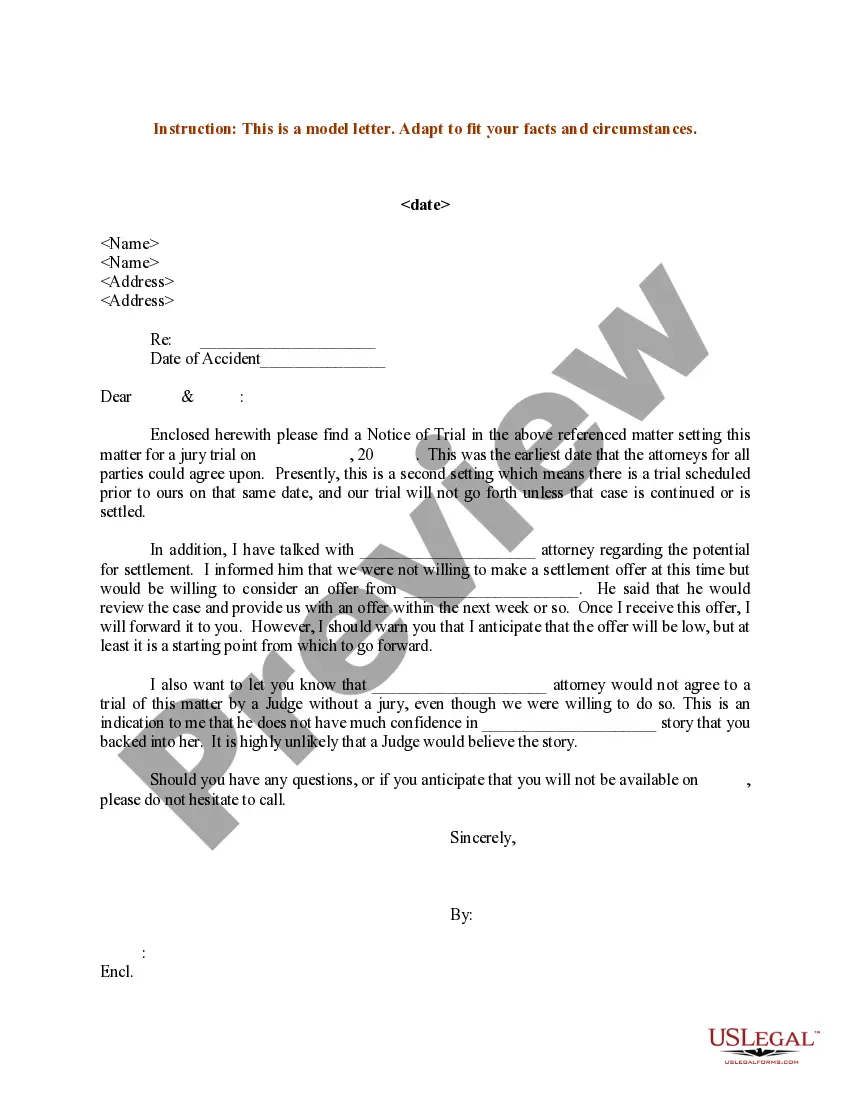
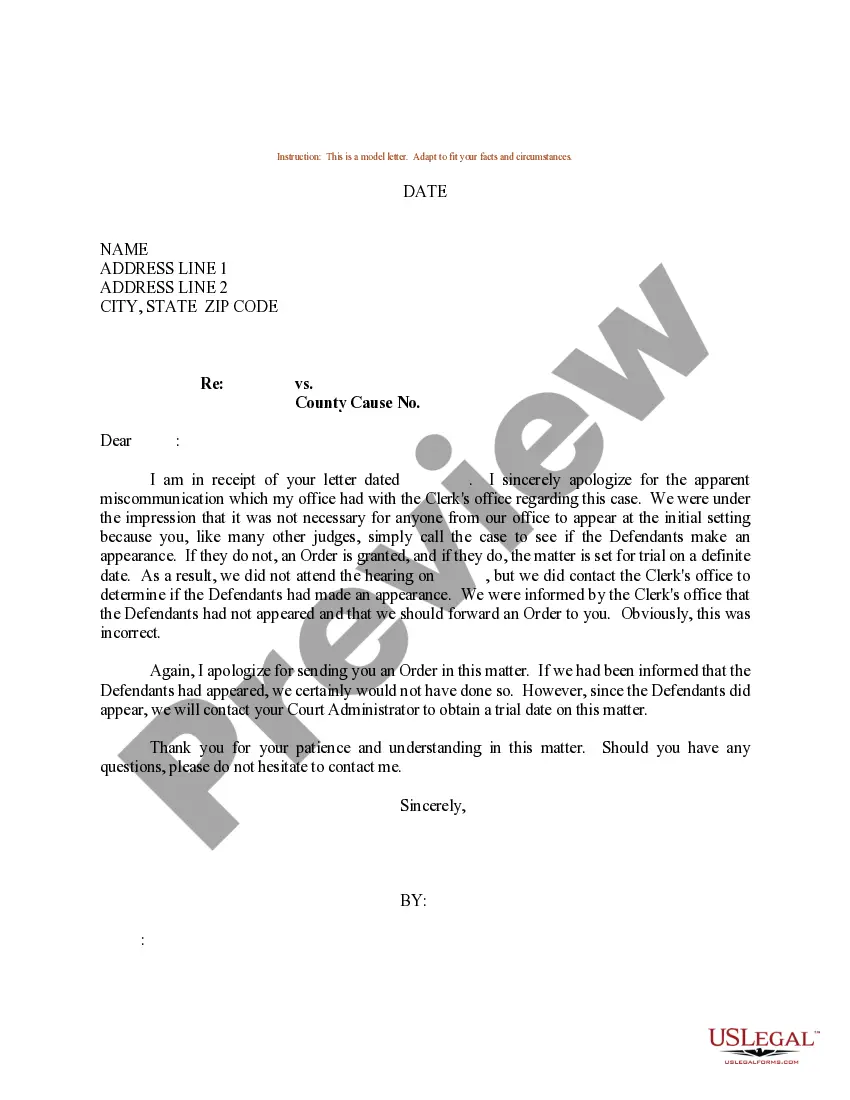
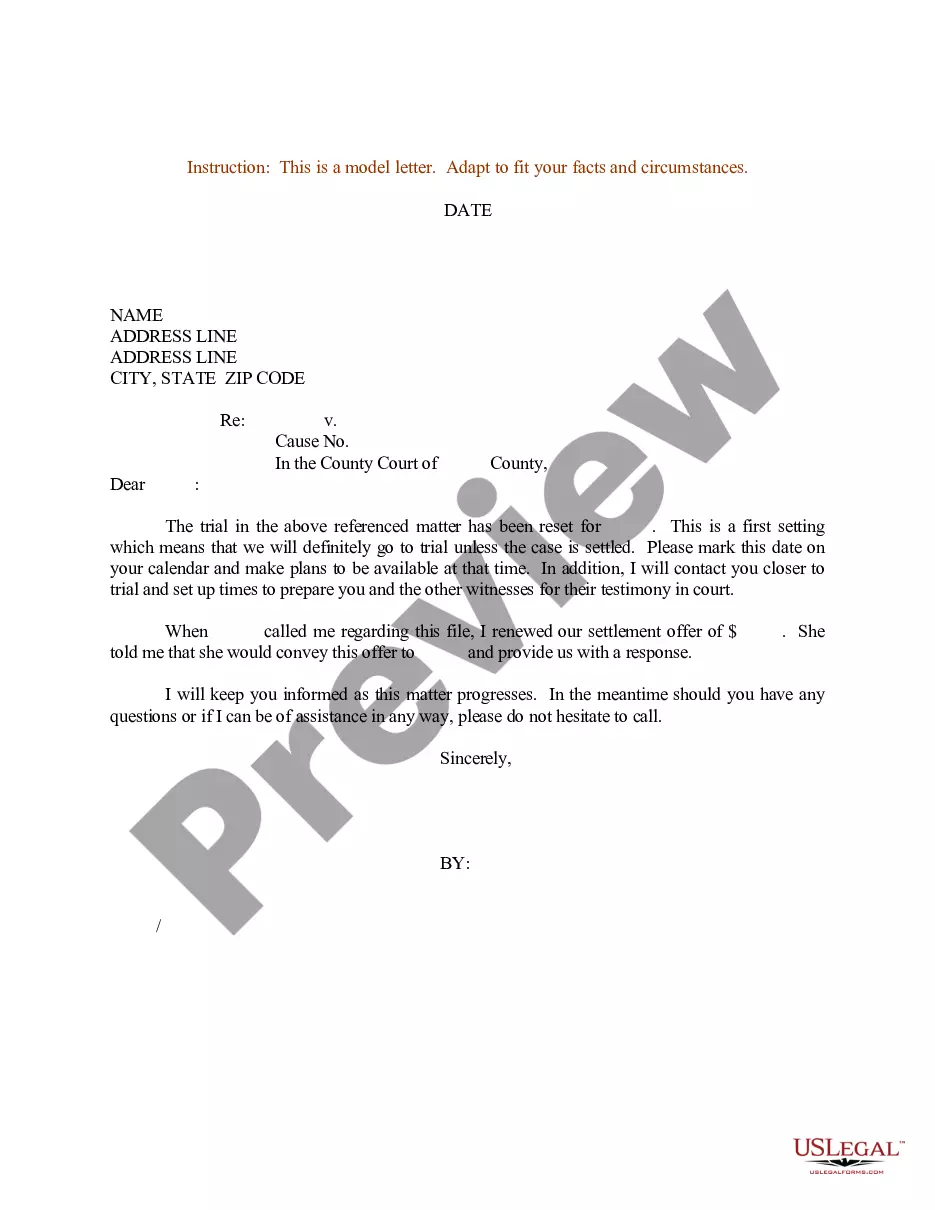
Get your form ready online
Our built-in tools help you complete, sign, share, and store your documents in one place.
Make edits, fill in missing information, and update formatting in US Legal Forms—just like you would in MS Word.
Download a copy, print it, send it by email, or mail it via USPS—whatever works best for your next step.
Sign and collect signatures with our SignNow integration. Send to multiple recipients, set reminders, and more. Go Premium to unlock E-Sign.
If this form requires notarization, complete it online through a secure video call—no need to meet a notary in person or wait for an appointment.
We protect your documents and personal data by following strict security and privacy standards.

Make edits, fill in missing information, and update formatting in US Legal Forms—just like you would in MS Word.

Download a copy, print it, send it by email, or mail it via USPS—whatever works best for your next step.

Sign and collect signatures with our SignNow integration. Send to multiple recipients, set reminders, and more. Go Premium to unlock E-Sign.

If this form requires notarization, complete it online through a secure video call—no need to meet a notary in person or wait for an appointment.

We protect your documents and personal data by following strict security and privacy standards.
Looking for another form?

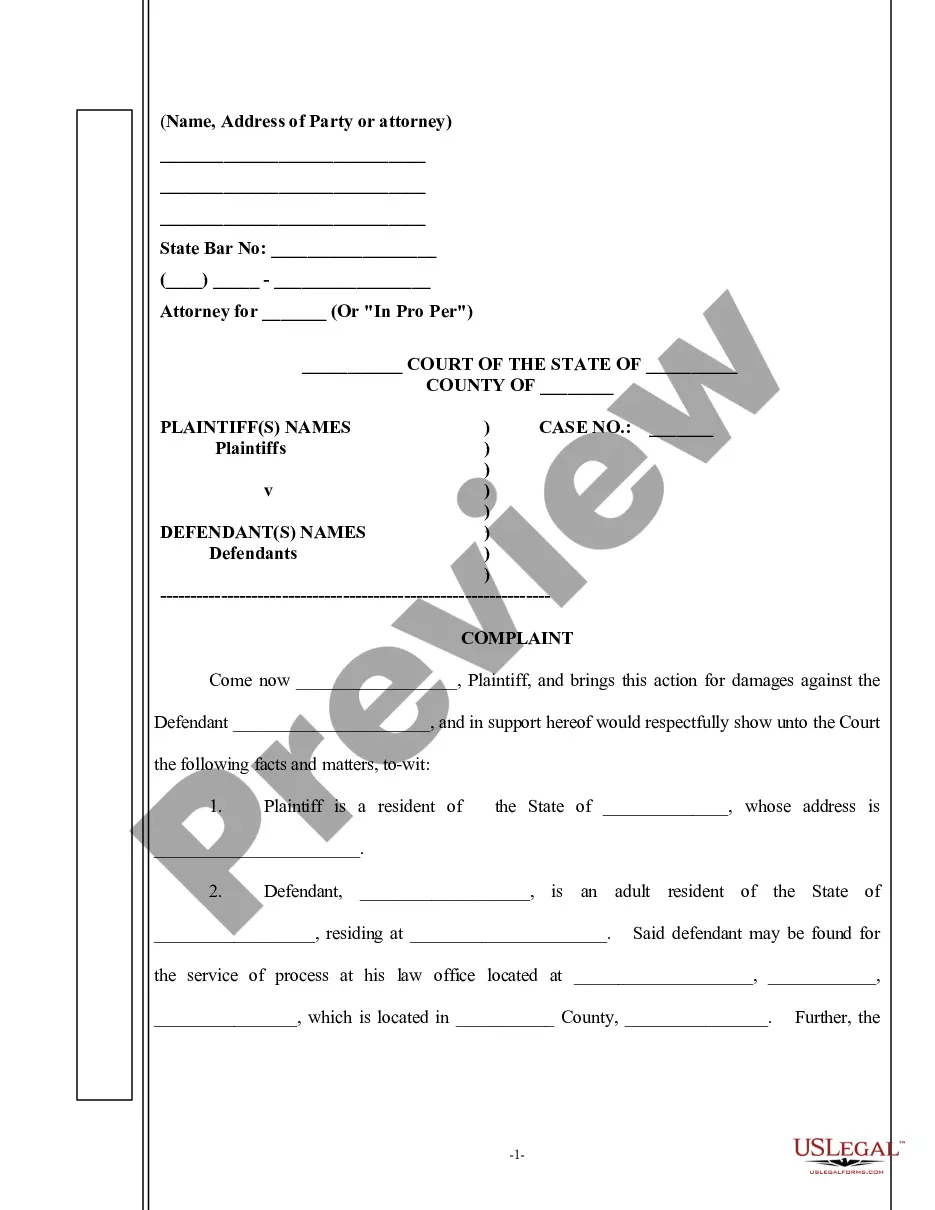






Form popularity
FAQ
Client advice letters have a similar structure to legal memoranda. They typically include (A) an introduction, (B) a statement of facts, (C) an analysis section, and (D) a concluding paragraph.
Follow these steps for how to write a letter to clients and customers: Determine the audience. Write the date and address. Include a salutation. State the purpose of your letter. Refer to previous communication if necessary. Offer help or make a request. Conclude the letter.
Client advice letters have a similar structure to legal memoranda. They typically include (A) an introduction, (B) a statement of facts, (C) an analysis section, and (D) a concluding paragraph.
Most business letters must include a return address (letterhead or your name and address), date, an inside address (receiver's name and address), a salutation, body paragraphs, and a closing.
When writing to advise, you should: Inform the reader's decision. Give information to help the reader to make a decision. Give your opinion. Offer a choice of actions. Support with facts and examples. Focus on the problem. Be friendly and sympathetic. Use modal verbs. Use imperative verbs.
How To Write a Legal Letter Of Advice? Define your issue. The introduction should be a short paragraph that defines the issue and why you are writing the legal letter. Identify the relevant law. Determine the stakes. Establish your position. Make your argument. Sign and date the letter of advice document. Send it off!
In the introduction we express sympathy and say that we understand the problem or that we think we can help. In the main body we make suggestions and give our reasons. We write each paragraph in a separate paragraph. In the conclusion we write our closing remarks and sign off.
Use the first line to state the letter's purpose Your letter's first line should clearly state why you're writing. This approach helps the client immediately know what the letter will be about to keep their attention and entice them to continue reading.
If the name is unisex, continue your research to learn your recipient's gender. While “To whom it may concern:” and “Dear sir” or “Dear madam” are appropriate ways to start a business letter, using the recipient's name in your salutation will make your business letter feel much warmer and more personal.
For the salutation, “Dear name:” is most common, although some writers choose to omit “Dear.” Do your best to identify the name of the person to whom you're sending the letter; “To Whom It May Concern” is outdated. If you don't know the name, you can use the person's title (e.g., “Dear Hiring Manager”).

