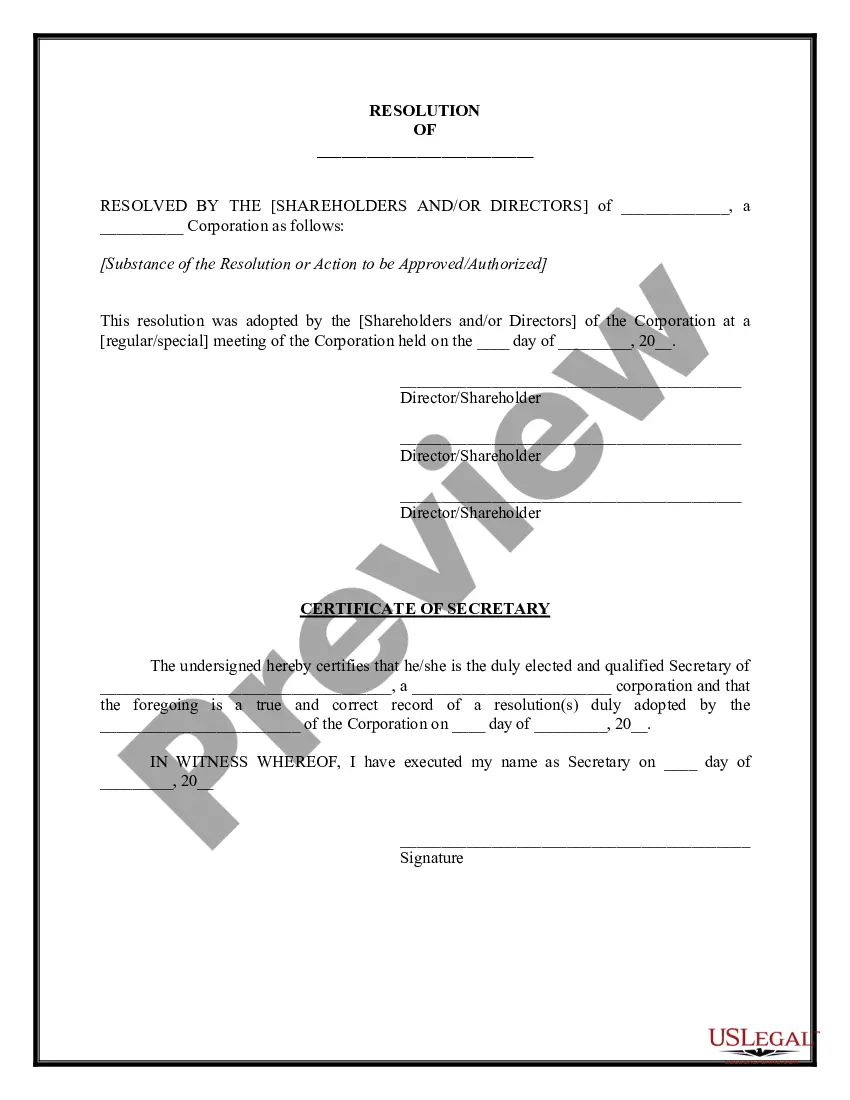
Sample Letter Of Appreciation For Support In Palm Beach
Description
Get your form ready online
Our built-in tools help you complete, sign, share, and store your documents in one place.
Make edits, fill in missing information, and update formatting in US Legal Forms—just like you would in MS Word.
Download a copy, print it, send it by email, or mail it via USPS—whatever works best for your next step.
Sign and collect signatures with our SignNow integration. Send to multiple recipients, set reminders, and more. Go Premium to unlock E-Sign.
If this form requires notarization, complete it online through a secure video call—no need to meet a notary in person or wait for an appointment.
We protect your documents and personal data by following strict security and privacy standards.

Make edits, fill in missing information, and update formatting in US Legal Forms—just like you would in MS Word.

Download a copy, print it, send it by email, or mail it via USPS—whatever works best for your next step.

Sign and collect signatures with our SignNow integration. Send to multiple recipients, set reminders, and more. Go Premium to unlock E-Sign.

If this form requires notarization, complete it online through a secure video call—no need to meet a notary in person or wait for an appointment.

We protect your documents and personal data by following strict security and privacy standards.
Looking for another form?



Form popularity
FAQ
A proper format along with a right manner of expressing gratitude will impress your recipient. Subject. Start your letter with the subject "Thank You" or related phrases. Salutation. Express Your Gratitude. Reason. Be Specific. Share Impact. Share a Story or Anecdote. Look to the Future.
How Do You Write A Volunteer Thank You Letter? The salutation. Begin your letter with a greeting. Show your appreciation to your volunteers. What your volunteer has done and their impact. Upcoming volunteer opportunities. Contact information for future reference. A closing. Personal statement of gratitude.
How to Write a Volunteer Thank You Letter – 7 Best Practices Make it personal and specific. Be vulnerable. Be timely. Remind them of why they volunteered in the first place. Help them feel like part of the community. Put in extra efforts that go a long way. Ask for feedback.
I am very grateful for the numerous financial contributions you have made in support of my education. Without your help, I may never have been able to complete my studies. Your generosity and help have been an inspiration to me. Again, thank you for your encouragement and financial support.
Dear (Name), I wanted to express my sincere gratitude for the thoughtful (gift/action). Your kindness means a lot to me, and I truly appreciate your generosity. The (gift/action) came at the perfect time and added so much joy to my day. I feel fortunate to have you in my life. Thank you once again.
A community service letter should include the name of the organization or individual where the volunteer service was completed, the dates of service, the type of services provided, and a description of the volunteer's duties and accomplishments.
Dear Recipient's Name, I wanted to take a moment to extend my sincerest thanks for the exceptional service your team provided. The timely resolution to our issue was not only impressive but critical to our operations. Your staff's professionalism and eagerness to go above and beyond did not go unnoticed.
Thank you for generously volunteering your time at Volunteer Activity or Event. Your willingness to give your time and service is greatly appreciated. Your support of insert organization name allows us to continue to fulfill our mission and serve number people in our community each year. Thank you!
Dear Recipient's Name, I am writing to express my sincere thanks for the exceptional service provided by your team in the recent repairs. Your attention to detail and the timely completion of the task were truly commendable. Your expertise and dedication to delivering outstanding service have greatly impressed me.
How to write an appreciation letter Format your letter. Your letter format will depend on the reason you are thanking an employee. Include what, why and how details. Mention their unique qualities. Be enthusiastic about their future. Be personal and naturally sincere.