Sample Letter For Appreciation In Miami-Dade
Description
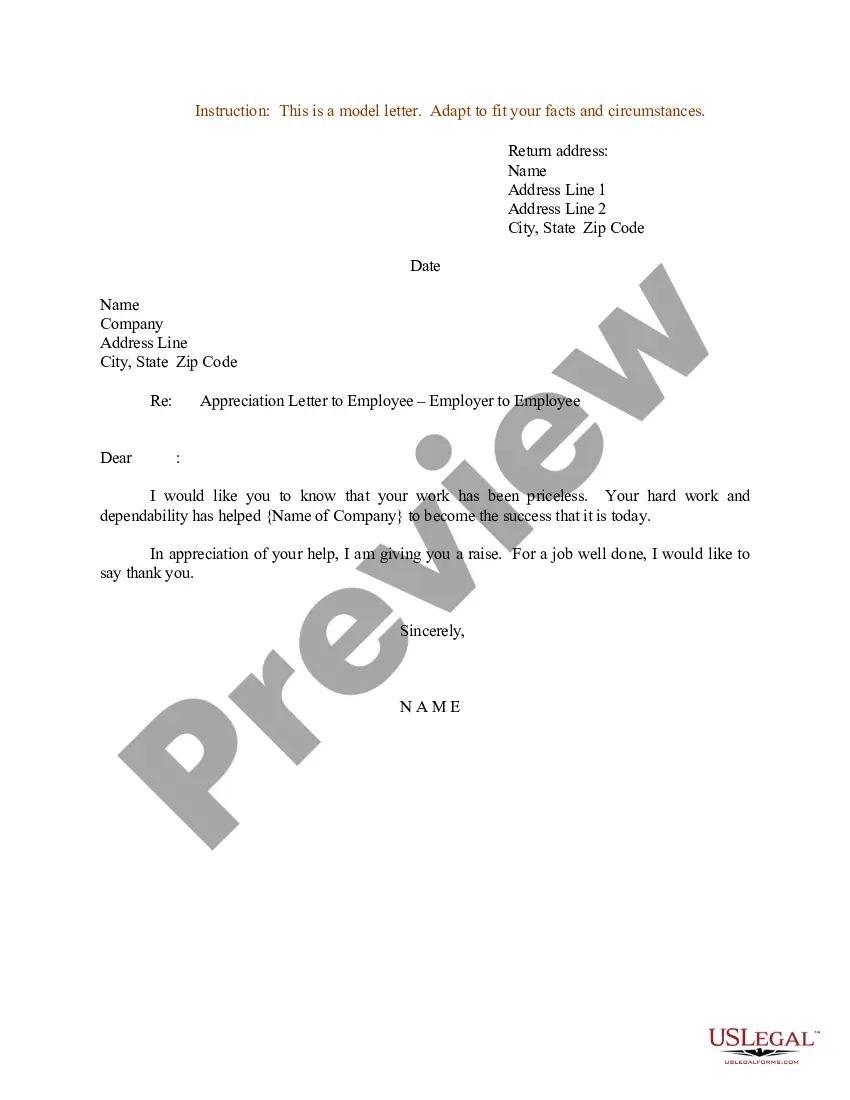
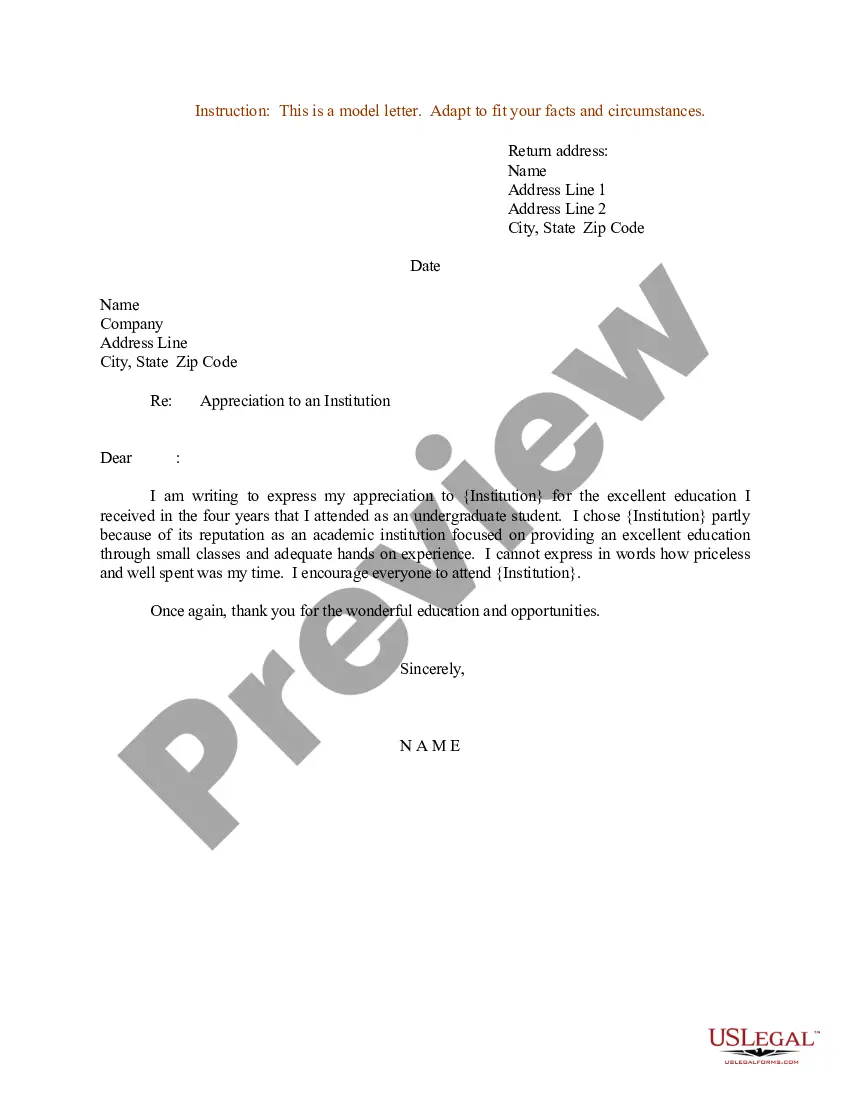
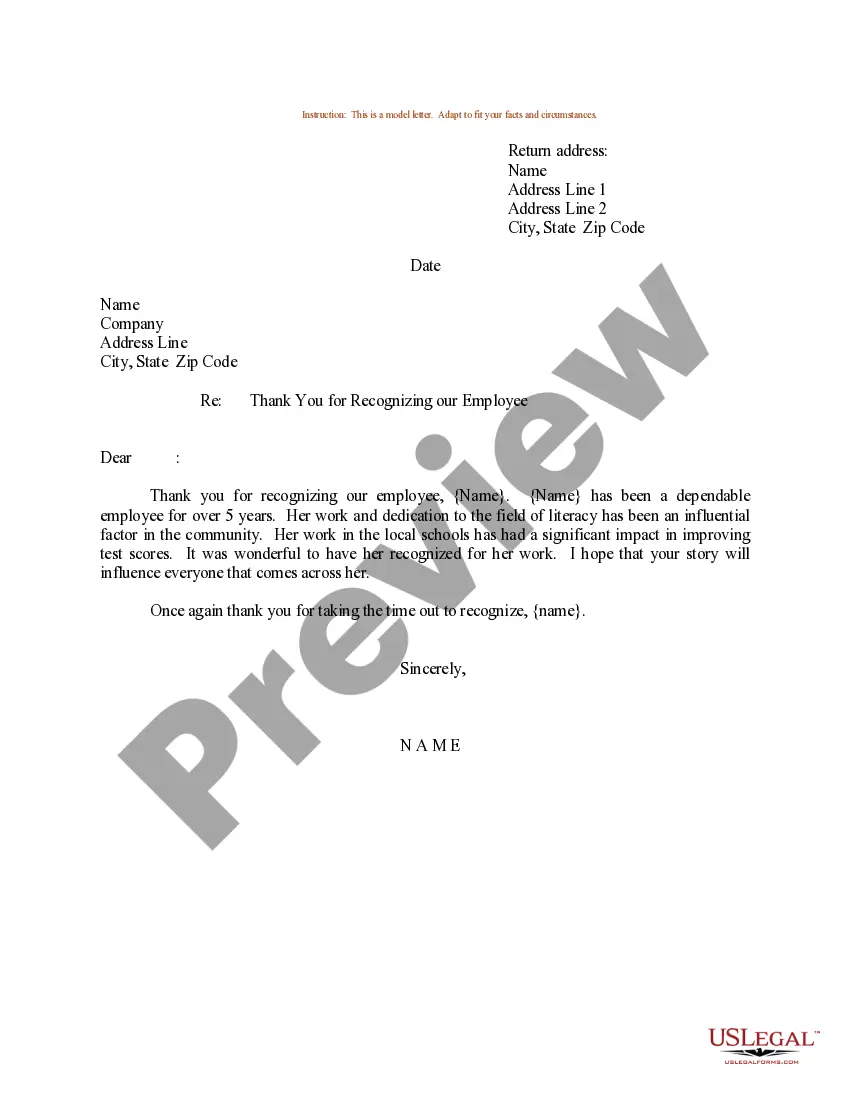
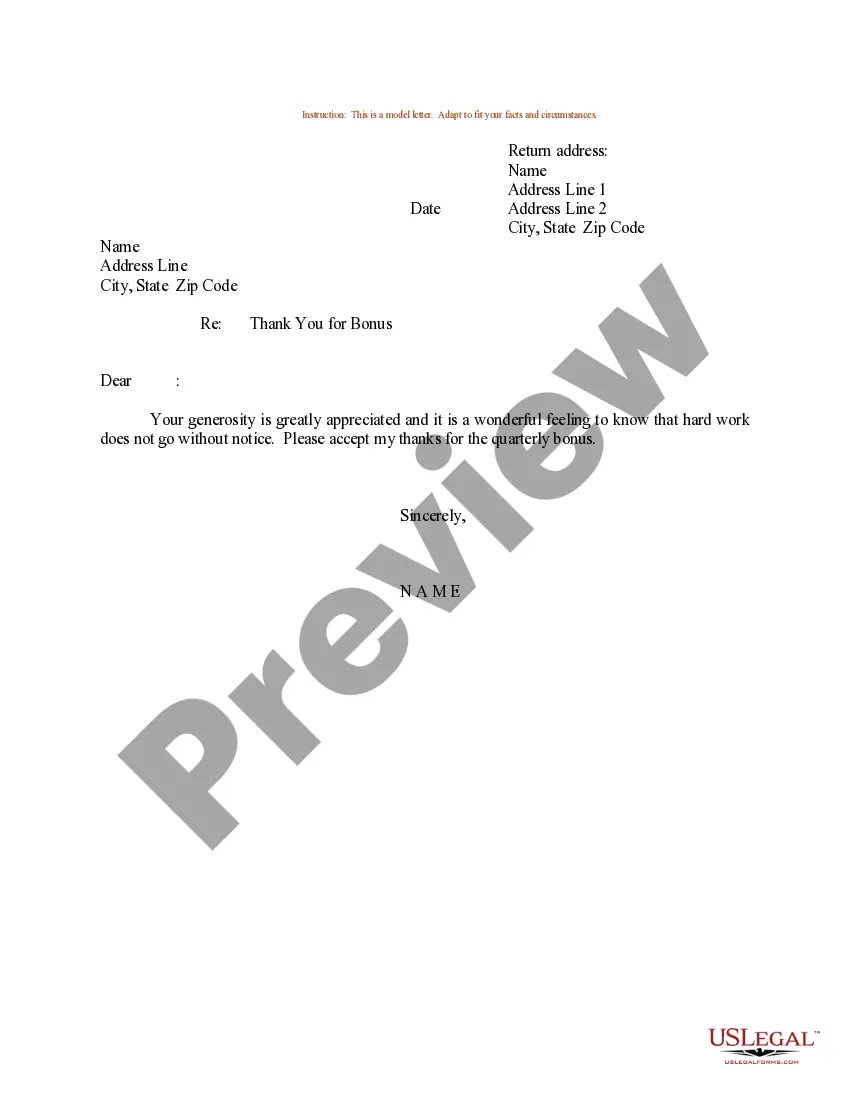
Get your form ready online
Our built-in tools help you complete, sign, share, and store your documents in one place.
Make edits, fill in missing information, and update formatting in US Legal Forms—just like you would in MS Word.
Download a copy, print it, send it by email, or mail it via USPS—whatever works best for your next step.
Sign and collect signatures with our SignNow integration. Send to multiple recipients, set reminders, and more. Go Premium to unlock E-Sign.
If this form requires notarization, complete it online through a secure video call—no need to meet a notary in person or wait for an appointment.
We protect your documents and personal data by following strict security and privacy standards.

Make edits, fill in missing information, and update formatting in US Legal Forms—just like you would in MS Word.

Download a copy, print it, send it by email, or mail it via USPS—whatever works best for your next step.

Sign and collect signatures with our SignNow integration. Send to multiple recipients, set reminders, and more. Go Premium to unlock E-Sign.

If this form requires notarization, complete it online through a secure video call—no need to meet a notary in person or wait for an appointment.

We protect your documents and personal data by following strict security and privacy standards.
Looking for another form?







Form popularity
FAQ
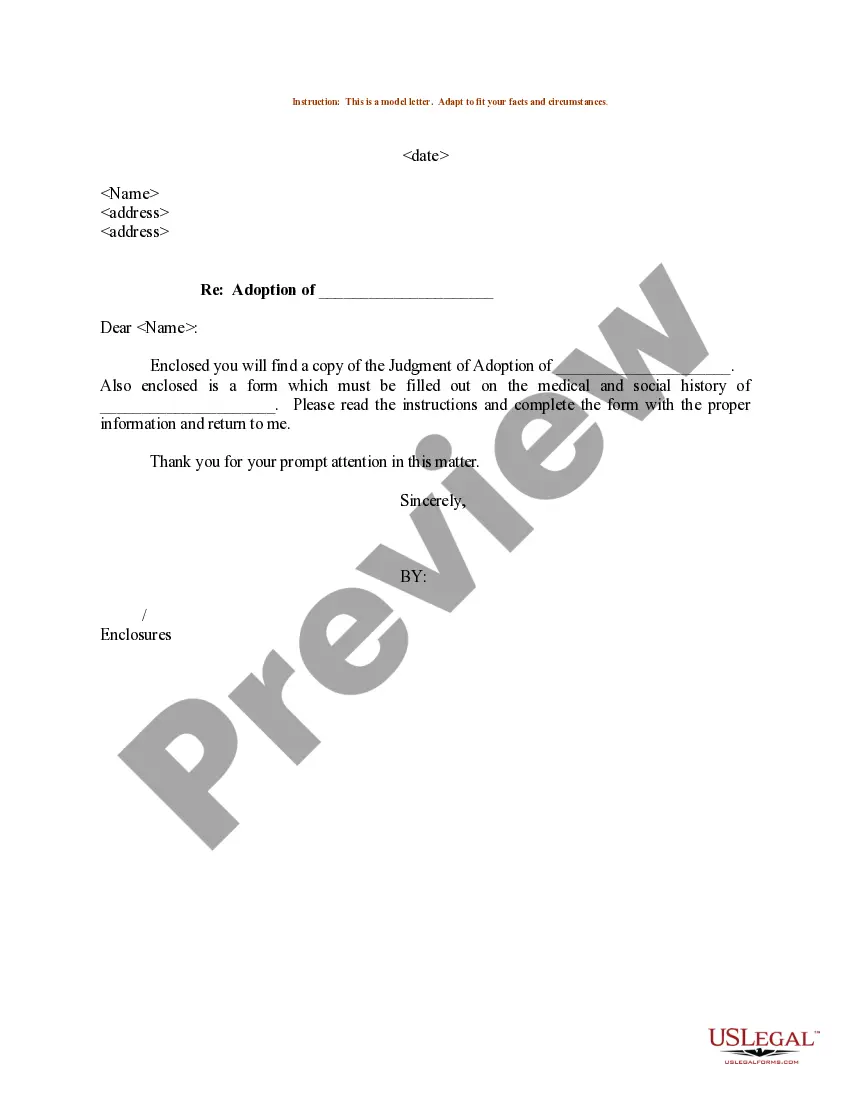
I am writing to you to sincerely express my gratitude for your exceptional effort during insert information about the project or action. You are a valued member of the team. I truly appreciate all that you have accomplished. Your insert the employee's admirable qualities, skills or behaviours are remarkable.
How do you write a good appreciation message? Begin with a friendly greeting or salutation. Clearly state your appreciation for the recipient's actions or qualities. Use specific language to describe what you're thankful for. Express how the recipient's actions have made a difference.
Simple appreciation messages to show gratitude I really appreciate all of your hard work. You've been so helpful with specific action or situation. Thanks! Sending you some much-deserved appreciation for specific action.
How do you write a good letter of appreciation? Start with a warm greeting addressing the recipient. Express genuine gratitude and specify what you're appreciating. Provide specific examples or details about the recipient's actions or qualities. Share how their actions have impacted you or others positively.
What Is An Appreciation Letter? An appreciation letter is a professional note written to business contacts that demonstrates your gratitude. There are likely many times in your life when it is appropriate to write a letter of appreciation.
5 Employee appreciation letter best practices 1) Be timely. Appreciation is more impactful when it's immediate and in the moment. 2) Be specific. A generic “great job” might be easy to write, but it's just as easy to forget. 3) Make it genuine. 4) Give appreciation often. 5) Cultivate culture.
Truth in Millage (TRIM) This law is designed to inform taxpayers which governmental entity is responsible for the taxes levied and the amount of tax liability taxpayers owe to each taxing authority. The property appraiser sends this information, known as the TRIM notice, to the property owner.
Spousal exemption As mentioned above, any assets passing between spouses and civil partners are exempt from inheritance tax.
The widow/widowers exemption reduces the assessed value of your property by $5,000. This provides a tax savings of approximately $35 annually. Any widow/widower who owns property and is a permanent Florida resident may file for this exemption. If the individual remarries, they are no longer eligible.
A widow(er)'s exemption refers to a reduction of tax burdens on a taxpayer following the death of a spouse. State laws vary but generally allow for a reduction in taxes for a surviving spouse for a certain period.

