Sample Appreciation Letter For Financial Support In Los Angeles
Description
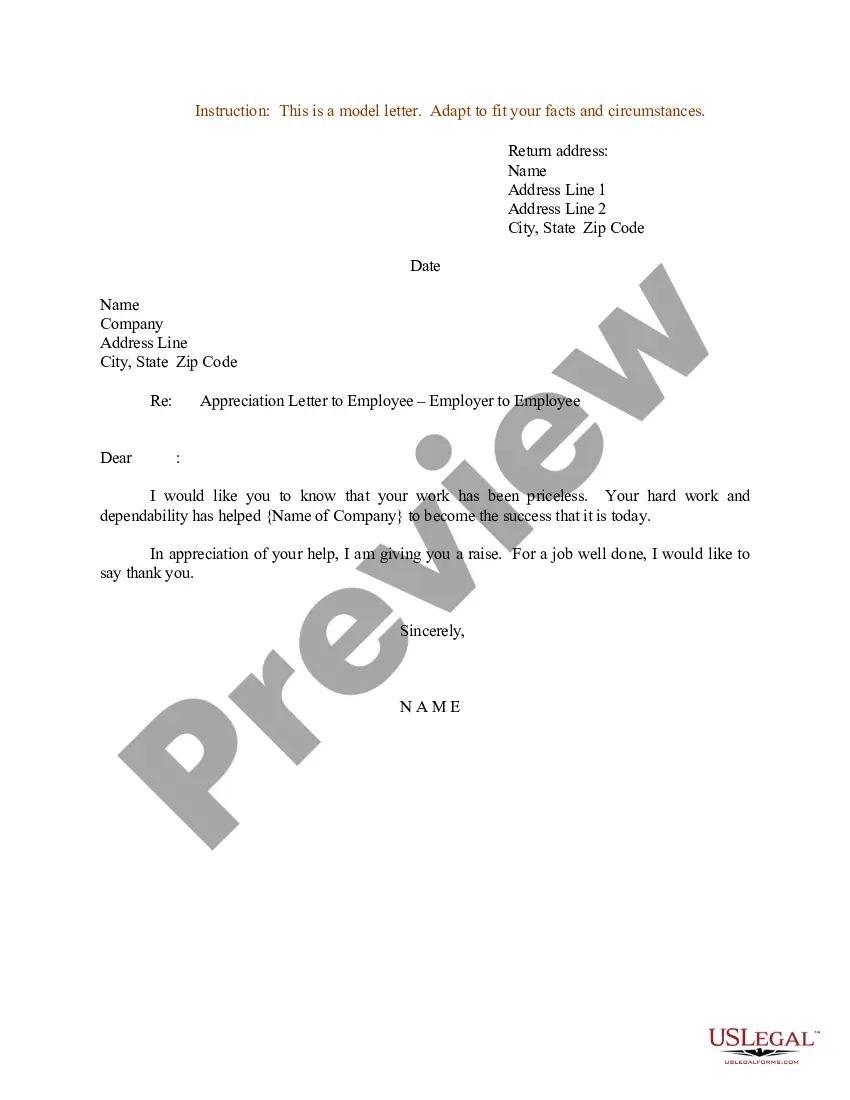
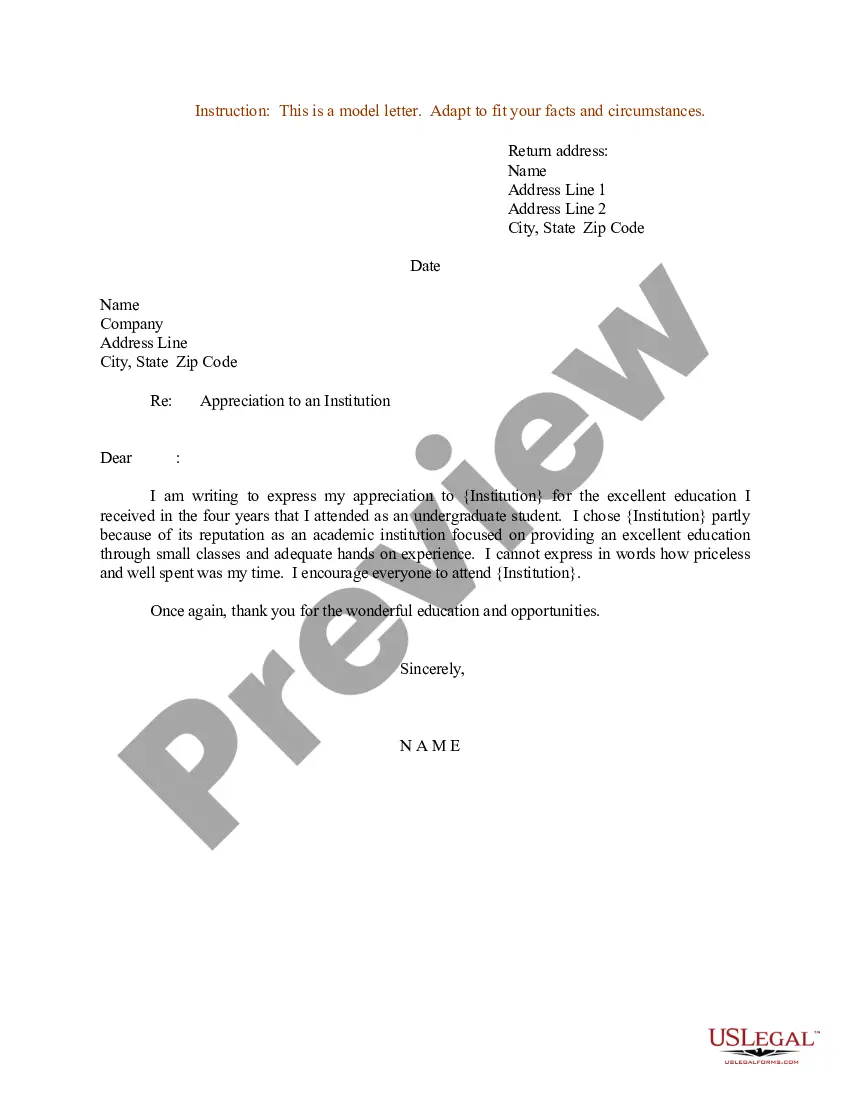
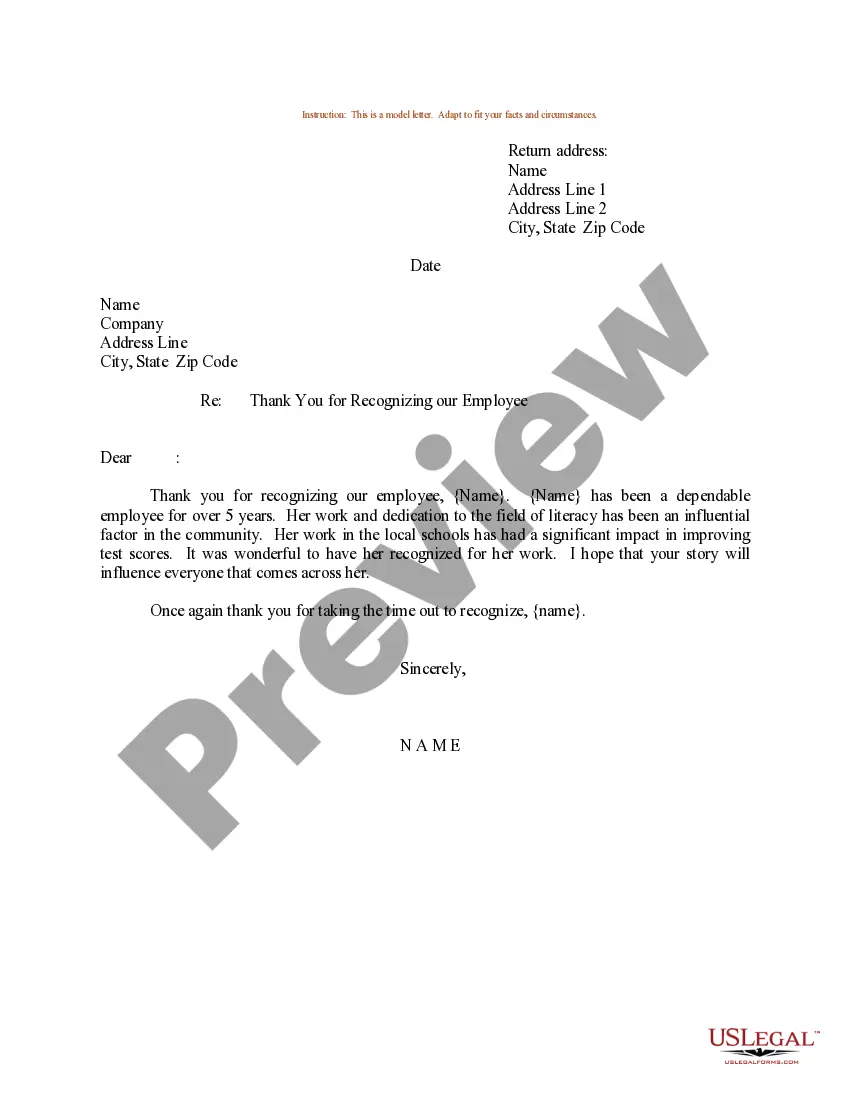
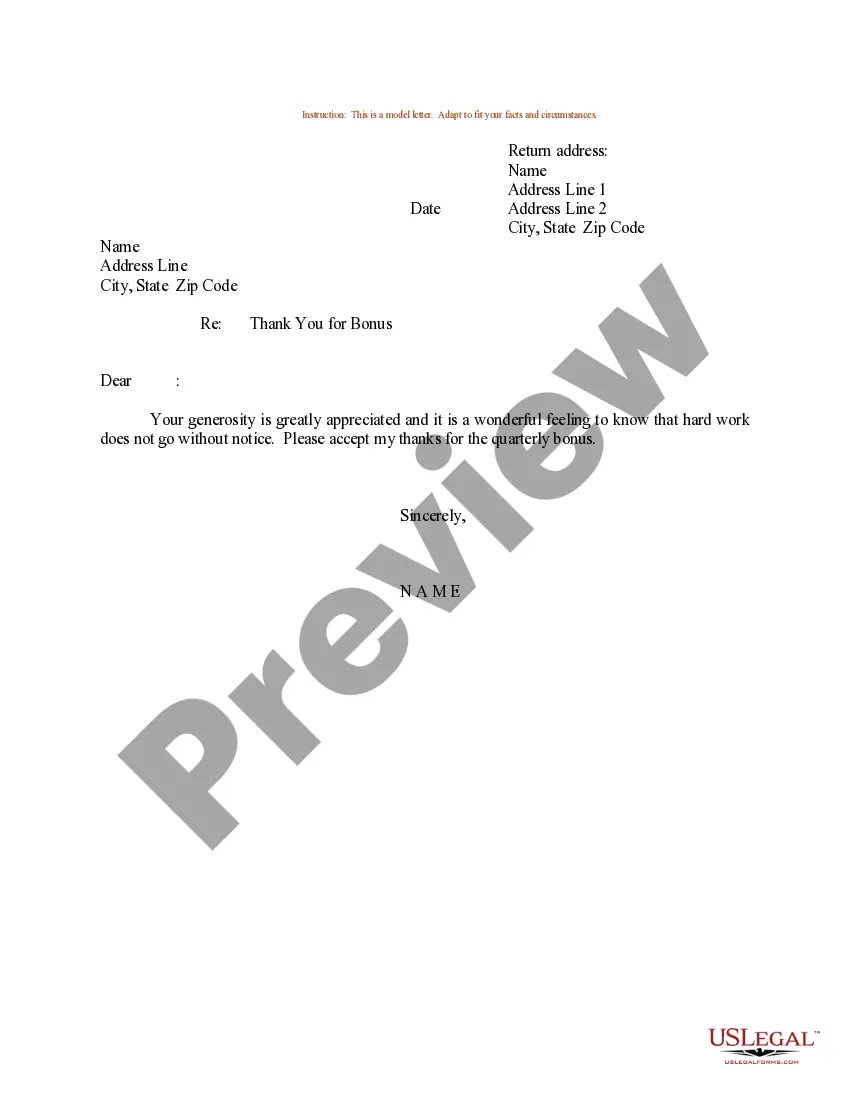
Get your form ready online
Our built-in tools help you complete, sign, share, and store your documents in one place.
Make edits, fill in missing information, and update formatting in US Legal Forms—just like you would in MS Word.
Download a copy, print it, send it by email, or mail it via USPS—whatever works best for your next step.
Sign and collect signatures with our SignNow integration. Send to multiple recipients, set reminders, and more. Go Premium to unlock E-Sign.
If this form requires notarization, complete it online through a secure video call—no need to meet a notary in person or wait for an appointment.
We protect your documents and personal data by following strict security and privacy standards.

Make edits, fill in missing information, and update formatting in US Legal Forms—just like you would in MS Word.

Download a copy, print it, send it by email, or mail it via USPS—whatever works best for your next step.

Sign and collect signatures with our SignNow integration. Send to multiple recipients, set reminders, and more. Go Premium to unlock E-Sign.

If this form requires notarization, complete it online through a secure video call—no need to meet a notary in person or wait for an appointment.

We protect your documents and personal data by following strict security and privacy standards.
Looking for another form?








Form popularity
FAQ
Personal thank you I appreciate you! You are the best. I appreciate your help so much. I'm grateful to you. I wanted to thank you for your help. I value the help you've given me. I am so thankful for you in my life. Thanks for the support.
How do you write a good letter of appreciation? Start with a warm greeting addressing the recipient. Express genuine gratitude and specify what you're appreciating. Provide specific examples or details about the recipient's actions or qualities. Share how their actions have impacted you or others positively.
Appreciation messages for financial help Thank you for your financial assistance during such a challenging time—it truly made a difference, and I'm incredibly grateful. Your generosity and willingness to help when I needed it most meant more to me than words can express. I deeply appreciate your financial support.
The key components of a letter of appeal for financial support typically include: Introduction. Start with a polite greeting and introduce yourself. Background. Provide context about your situation. Financial Details. Request for Support. Closing. Request Feedback. Explore Alternative Options. Reassess Your Situation.
Casual letter of appreciation sample I just wanted to say thanks for coming in early on a Saturday to set up the event. Your positive attitude and professionalism were impressive! The time and effort you put in were crucial to the success of the event. Thanks for being an outstanding role model.
You write a thank you message by being specific, sincere, and personal. Start with a warm greeting, express appreciation for a particular action or contribution, and end with a positive note. For example: “I truly appreciate your dedication to this project. Your hard work and expertise made a huge difference.
How do you write a good letter of appreciation? Start with a warm greeting addressing the recipient. Express genuine gratitude and specify what you're appreciating. Provide specific examples or details about the recipient's actions or qualities. Share how their actions have impacted you or others positively.
Be honest and transparent: Explain your situation clearly and honestly. Share the reasons why you need financial help and how much you need. Be specific: Be clear about the amount you need and what you intend to use it for. Ask for help directly: It's important to be clear and direct about what you need.
Your opening paragraph should introduce yourself and explain your financial situation briefly. Be honest and transparent about your situation, but keep it concise. You want to immediately capture the recipient's attention and make them interested in reading further.
The key components of a letter of appeal for financial support typically include: Introduction. Start with a polite greeting and introduce yourself. Background. Provide context about your situation. Financial Details. Request for Support. Closing. Request Feedback. Explore Alternative Options. Reassess Your Situation.

