Agreement For Wholesale In Suffolk
Description

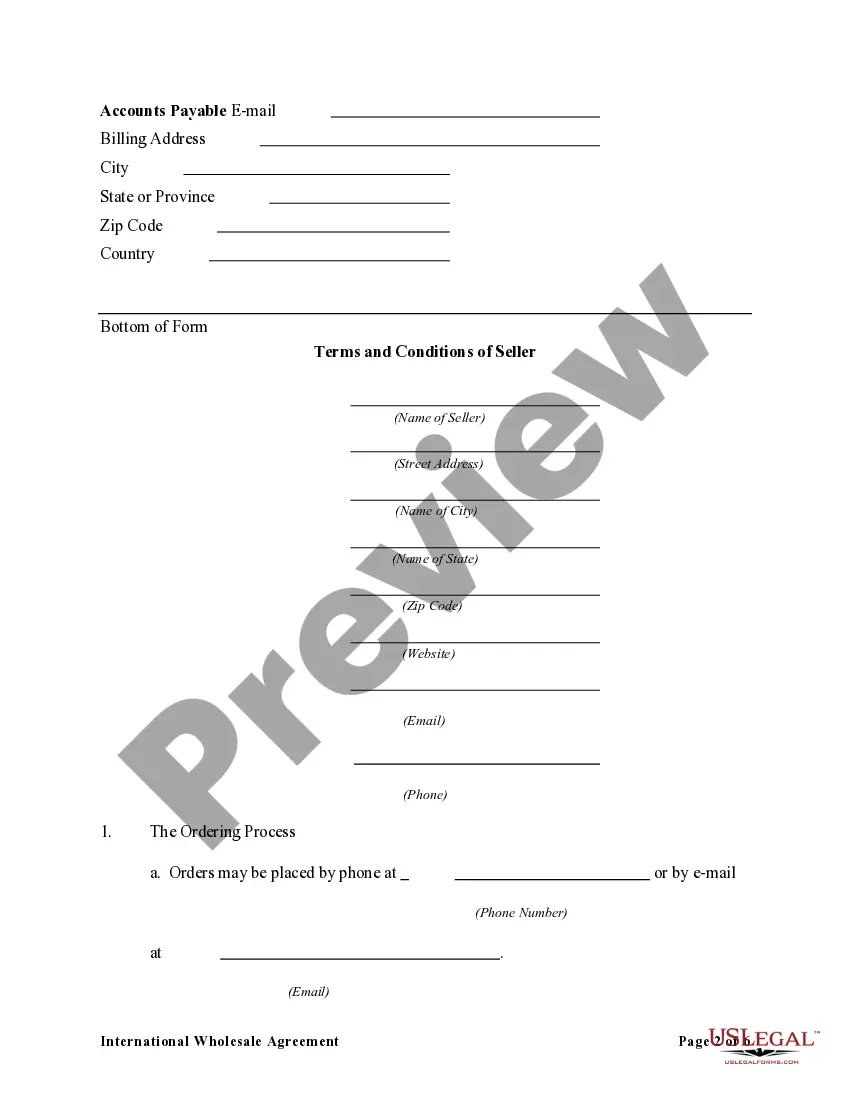
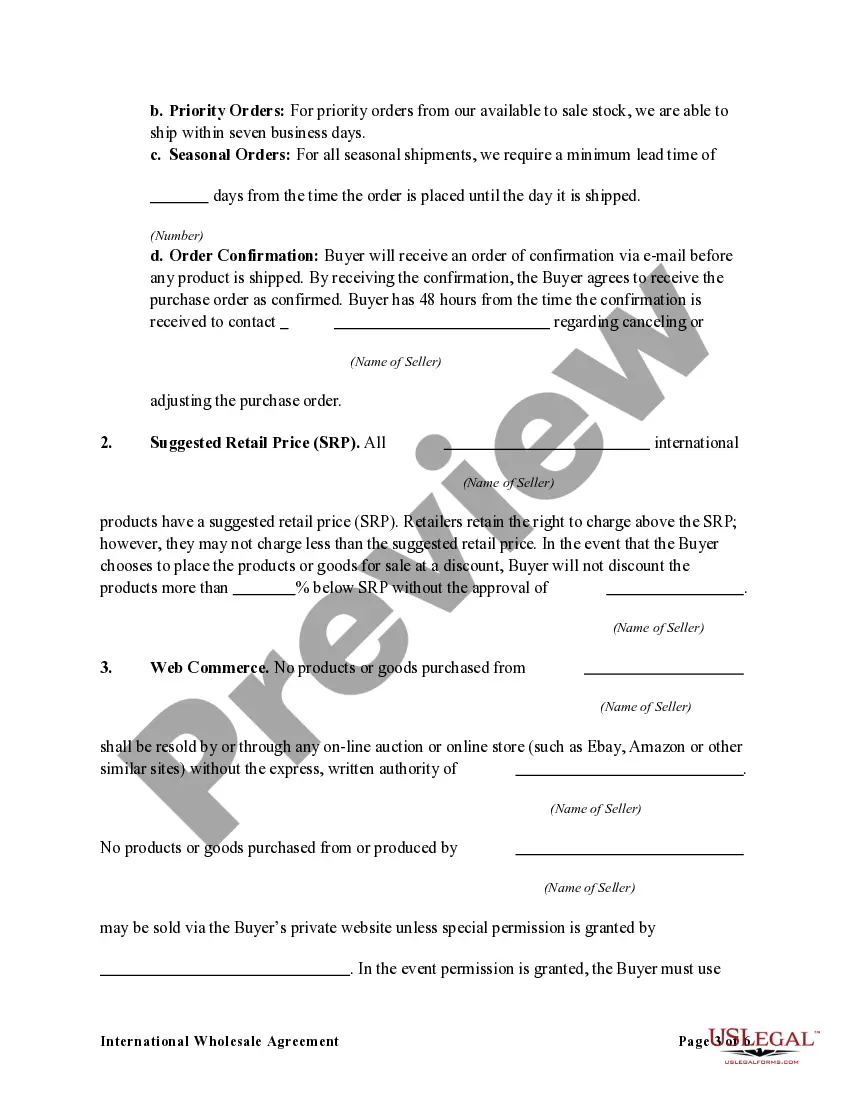
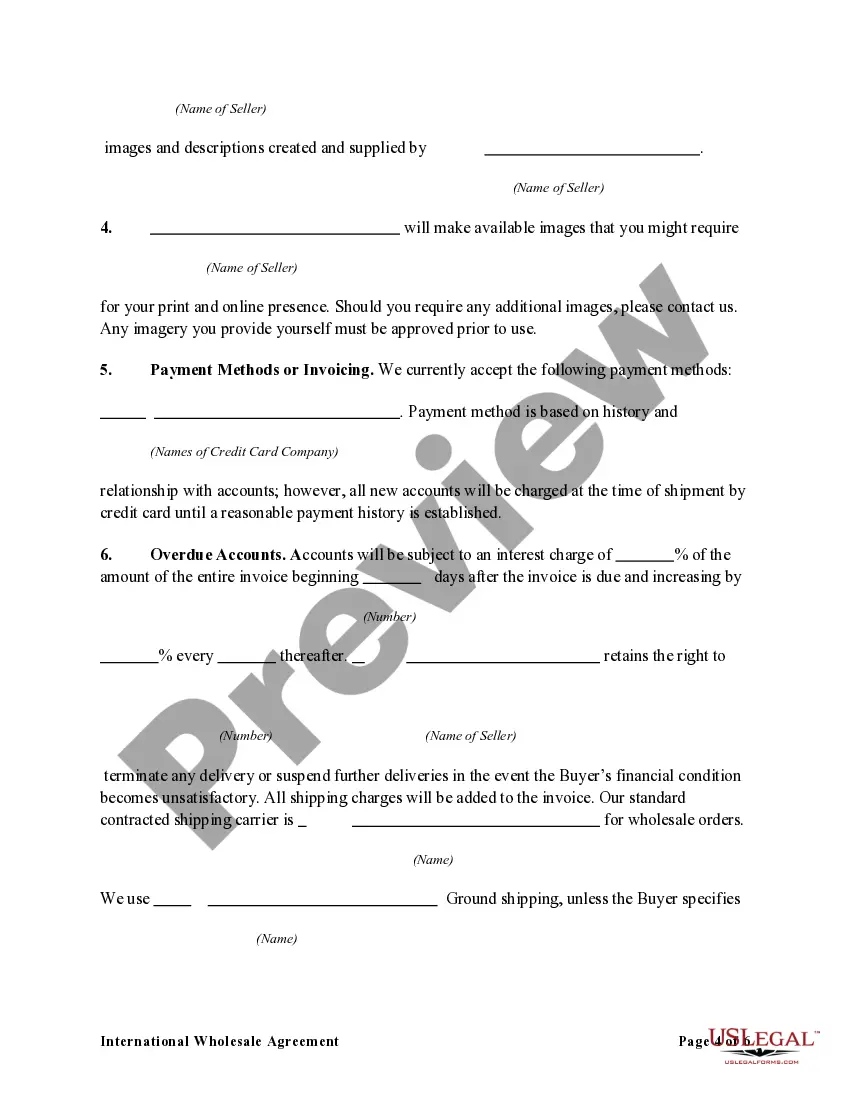
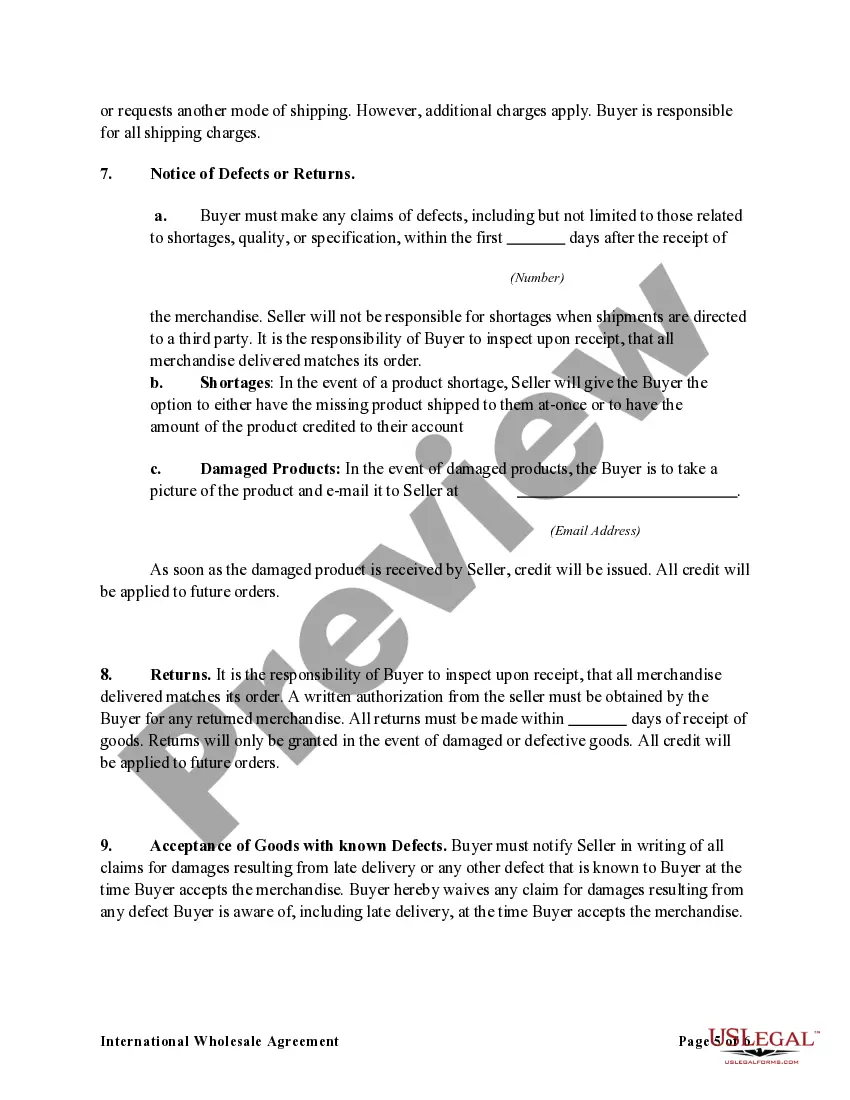
Get your form ready online
Our built-in tools help you complete, sign, share, and store your documents in one place.
Make edits, fill in missing information, and update formatting in US Legal Forms—just like you would in MS Word.
Download a copy, print it, send it by email, or mail it via USPS—whatever works best for your next step.
Sign and collect signatures with our SignNow integration. Send to multiple recipients, set reminders, and more. Go Premium to unlock E-Sign.
If this form requires notarization, complete it online through a secure video call—no need to meet a notary in person or wait for an appointment.
We protect your documents and personal data by following strict security and privacy standards.

Make edits, fill in missing information, and update formatting in US Legal Forms—just like you would in MS Word.

Download a copy, print it, send it by email, or mail it via USPS—whatever works best for your next step.

Sign and collect signatures with our SignNow integration. Send to multiple recipients, set reminders, and more. Go Premium to unlock E-Sign.

If this form requires notarization, complete it online through a secure video call—no need to meet a notary in person or wait for an appointment.

We protect your documents and personal data by following strict security and privacy standards.
Looking for another form?





Form popularity
FAQ
Legally, a seller's best bet for successfully backing out of a sale is if a contingency written into the contract has not been met. Home sellers can give themselves an “out” by adding contingencies to the contract that make the sale contingent upon certain conditions.
You can download a wholesale real estate contract PDF from a legal forms website, obtain one from a real estate agent, title company, real estate attorney, or even write up your own. To fully complete a wholesale real estate contract, you will most importantly need a seller, wholesaler, buyer, and title company.
Lack of Regulation : The wholesaling process is less regulated than traditional real estate transactions, which can lead to unethical practices. Misleading Marketing Low Offers Assignment of Contracts Lack of Transparency High Pressure Sales Tactics Failure to Close Negative Experiences
Wholesaling real estate in New York is legal as long as wholesalers operate within the state laws and guidelines. There are three different strategies that wholesalers can use to legally operate in New York.
There is nothing illegal or wrong about double closings. There are perfectly legal and ethical. Parties generally run into problems, however, under three sets of circumstances.
Wholesaling real estate in New York is legal as long as wholesalers operate within the state laws and guidelines. There are three different strategies that wholesalers can use to legally operate in New York.
Is wholesaling real estate legal in all states? Yes, wholesaling real estate is legal in all states, but it's important to note that each state has its own specific laws and regulations governing the practice.
You need a New York State license to sell wholesale foods. Apply for a Wholesale Business Registration.
Fortunately, wholesalers don't need a real estate license as long as they use assignment contracts or personally buy the property in a double closing or buy-sell agreement.
The wholesaler contracts with the seller and structures the deal as a middleman. The buyer is buying the contract and, ultimately, the property.
