Wholesale Agreement Template For Business In Pennsylvania
Description



Form popularity
FAQ
Understanding the New Regulations on PA Wholesalers Pennsylvania's new law introduces sweeping changes to real estate wholesaling. In 2024, Pennsylvania enacted Bill 52 which requires wholesalers to register with the state, obtain licensing and follow disclosure policies. This will take effect January 4, 2025.
To qualify to buy wholesale, you typically need to have a business license or tax ID number. Some wholesalers may also require proof of business registration or a minimum order quantity. It's important to check with individual wholesalers to determine their specific requirements.
If you're wondering, "is wholesaling real estate legal," the answer is yes—wholesaling real estate is legal in all 50 states, but there are specific laws and regulations you must follow to ensure you're in full compliance, Here's what you need to know if you're considering the launch of a wholesaling business.
Pennsylvania's new law introduces sweeping changes to real estate wholesaling. In 2024, Pennsylvania enacted Bill 52 which requires wholesalers to register with the state, obtain licensing and follow disclosure policies. This will take effect January 4, 2025.
For example, a wholesaler finds a motivated homeowner and gets a distressed property under contract for $200,000. Then, they market the property to their buyers list. A flipper sees potential and agrees to buy the home for $210,000.
Is Wholesaling Real Estate Legal in Pennsylvania? The short answer is, yes. Real estate wholesaling in Pennsylvania is legal as long as the investor complies with all applicable state laws.
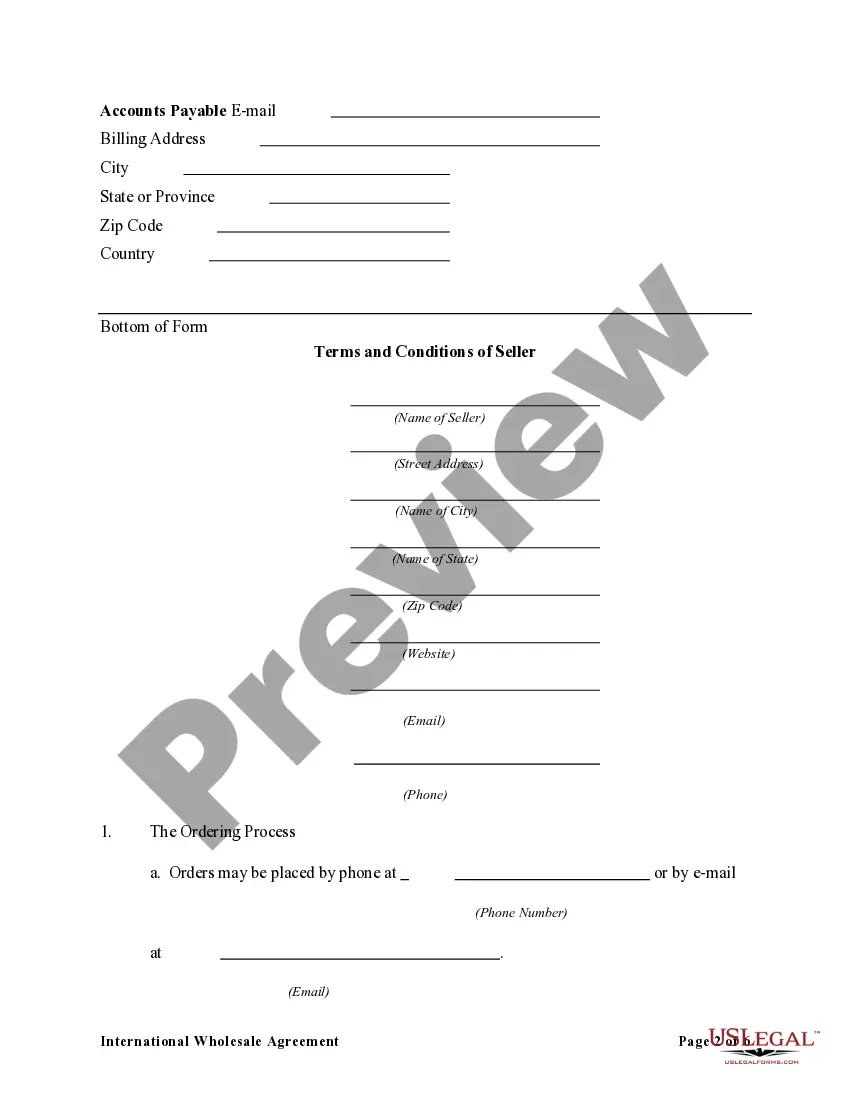
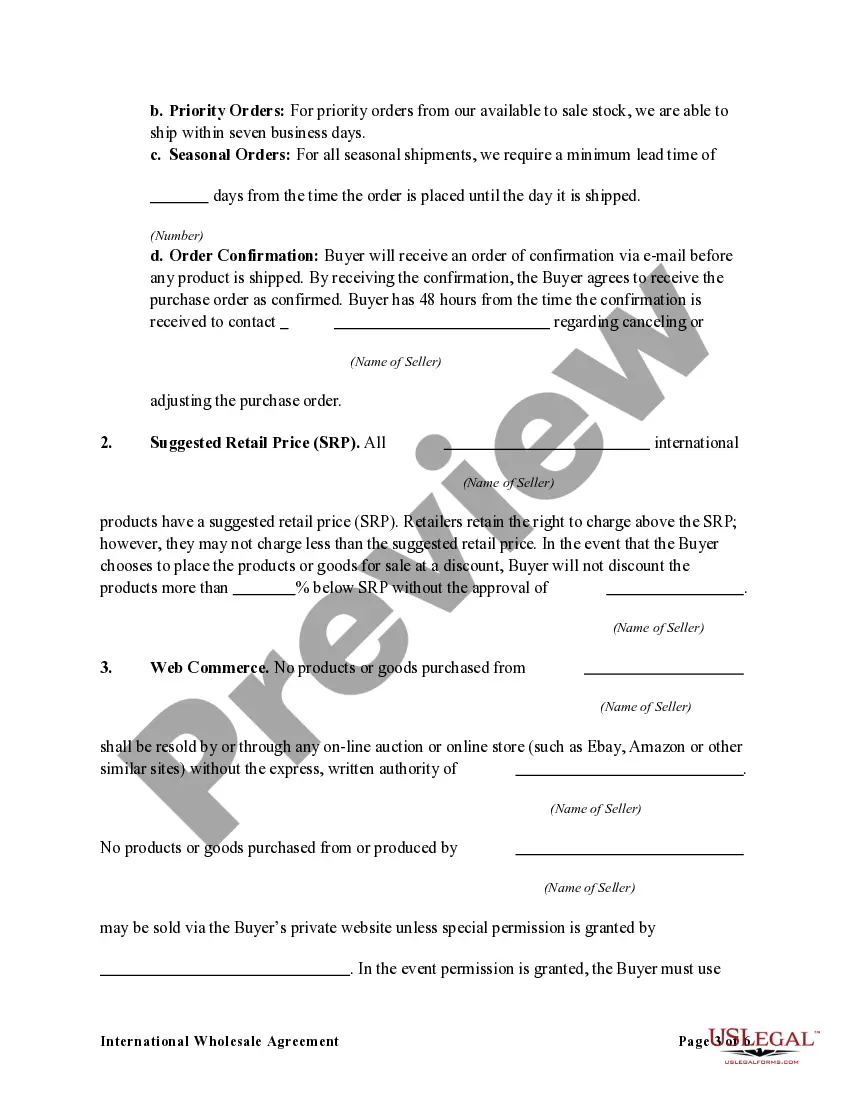
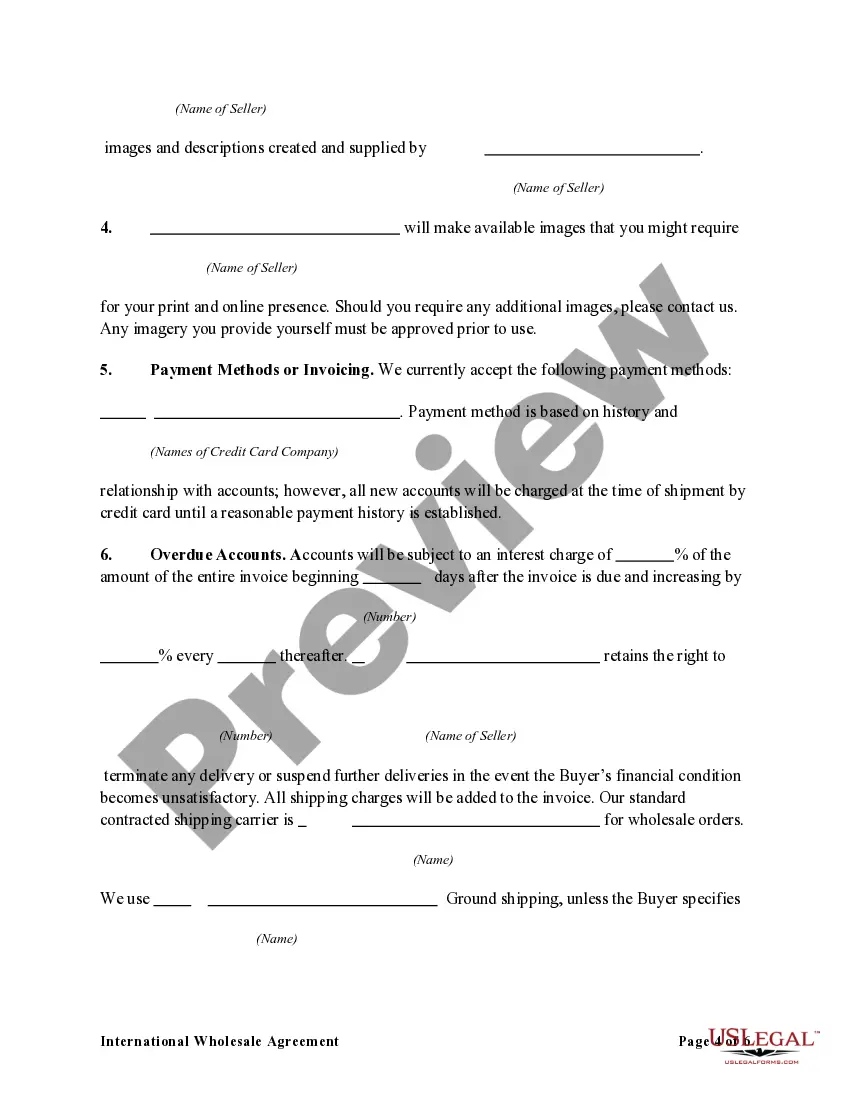
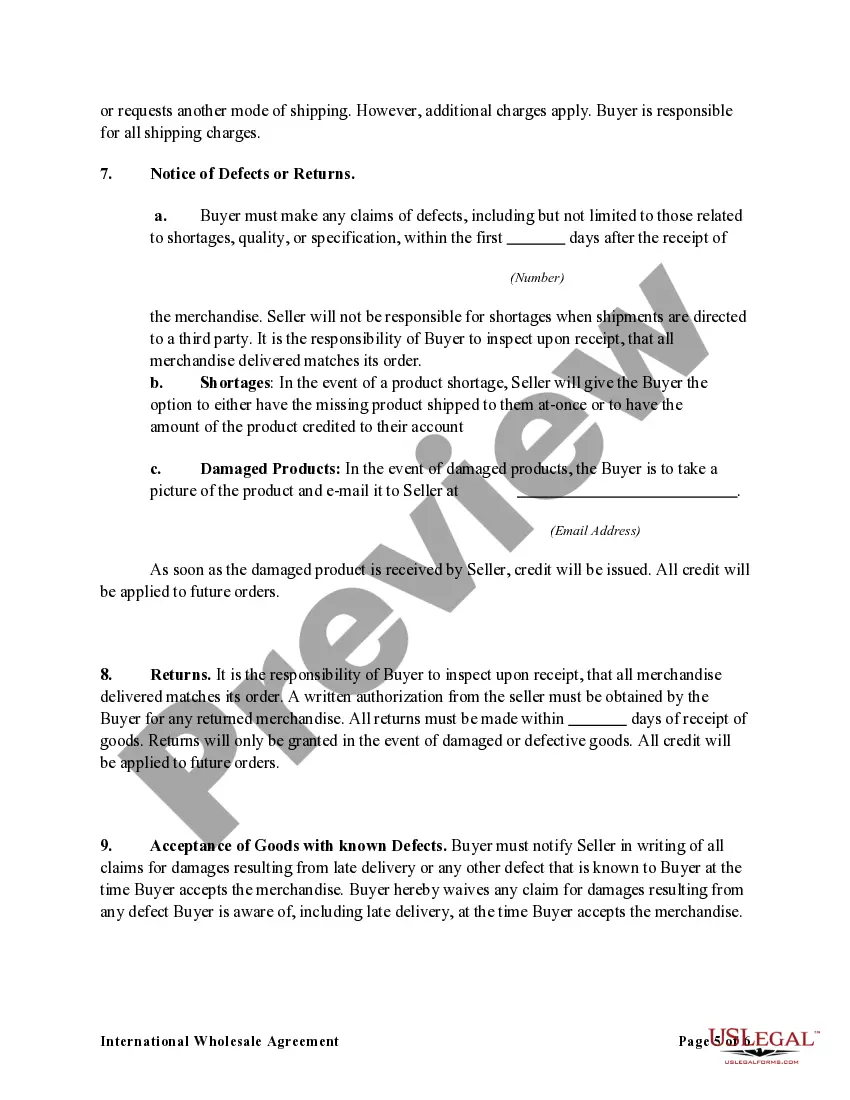
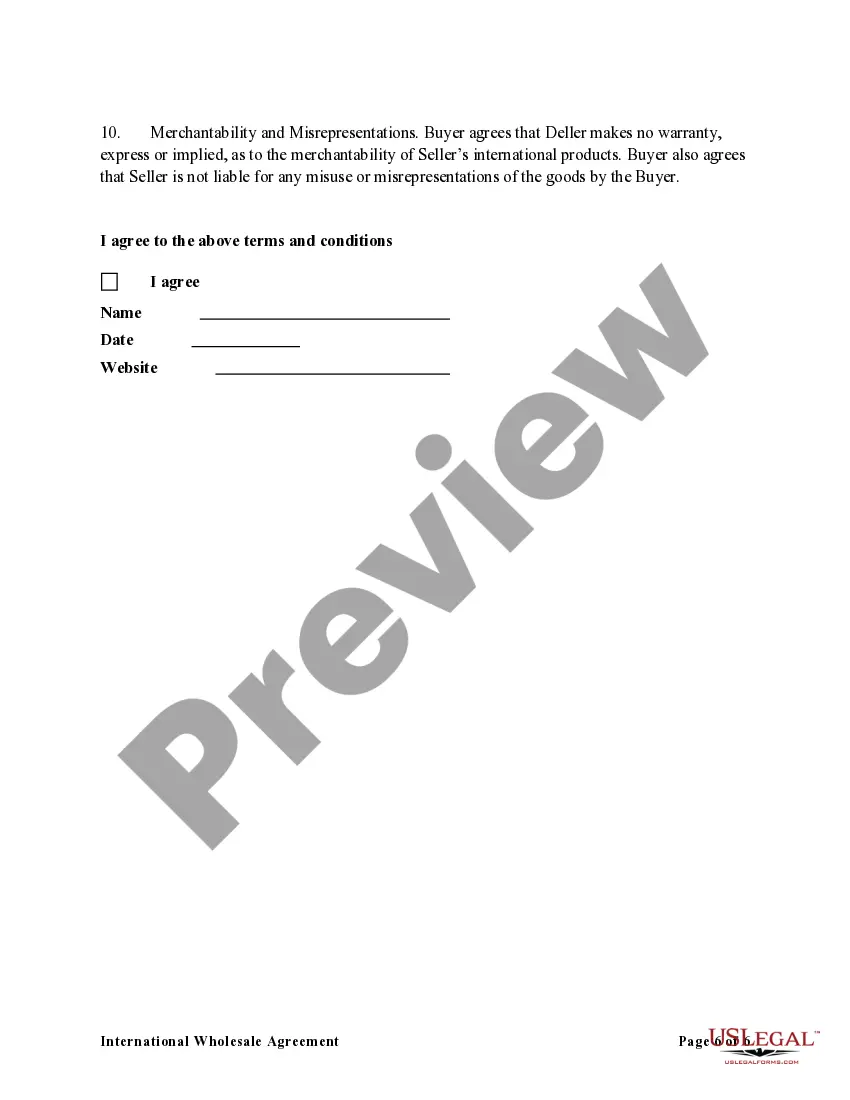
Here are the key elements to include in your wholesale contract template: Parties Involved: Names of the seller(s) and buyer(s), along with their signatures. Legal Description: Property description, street address, assessor parcel number (APN), and type of property.
How to Write a Business Contract Step 1 – Determine Why You Need a Contract. Step 2 – Define All Relevant Parties. Step 3 – Include the Essential Elements of a Contract. Step 4 – Name the Appropriate Governing Law and Jurisdiction. Step 5 – Explain All Details in Plain Language. Step 6 – Use Repeatable Language.
Write the contract in six steps Start with a contract template. Open with the basic information. Describe in detail what you have agreed to. Include a description of how the contract will be ended. Write into the contract which laws apply and how disputes will be resolved. Include space for signatures.
Pennsylvania does not require you to submit an Operating Agreement to form your LLC.
