Wholesale Agreement Contract For Car In Oakland
Description

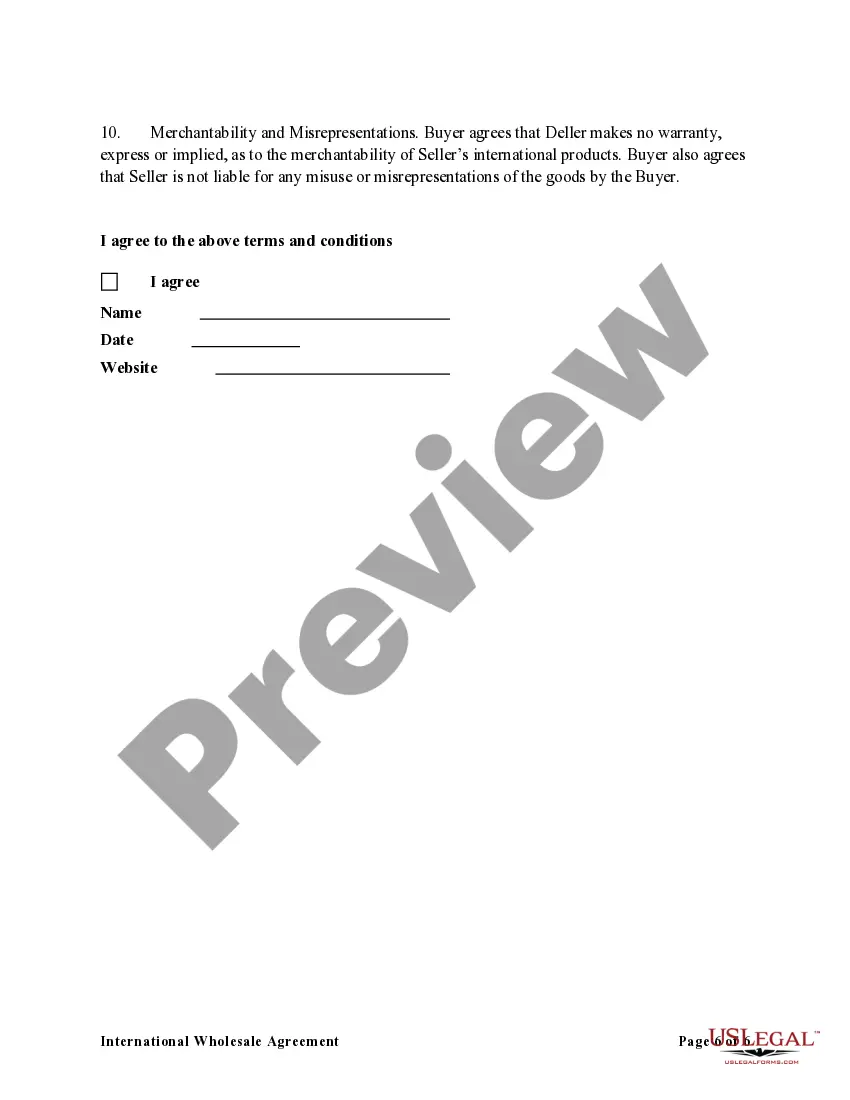
Get your form ready online
Our built-in tools help you complete, sign, share, and store your documents in one place.
Make edits, fill in missing information, and update formatting in US Legal Forms—just like you would in MS Word.
Download a copy, print it, send it by email, or mail it via USPS—whatever works best for your next step.
Sign and collect signatures with our SignNow integration. Send to multiple recipients, set reminders, and more. Go Premium to unlock E-Sign.
If this form requires notarization, complete it online through a secure video call—no need to meet a notary in person or wait for an appointment.
We protect your documents and personal data by following strict security and privacy standards.

Make edits, fill in missing information, and update formatting in US Legal Forms—just like you would in MS Word.

Download a copy, print it, send it by email, or mail it via USPS—whatever works best for your next step.

Sign and collect signatures with our SignNow integration. Send to multiple recipients, set reminders, and more. Go Premium to unlock E-Sign.

If this form requires notarization, complete it online through a secure video call—no need to meet a notary in person or wait for an appointment.

We protect your documents and personal data by following strict security and privacy standards.
Looking for another form?
Form popularity
FAQ
The assignor must agree to assign their rights and duties under the contract to the assignee. The assignee must agree to accept, or "assume," those contractual rights and duties. The other party to the initial contract must consent to the transfer of rights and obligations to the assignee.
An assignment must be clear and unequivocal; There must be clear evidence of the intent to transfer rights; An assignment must describe the subject matter of the assignment; Notice to the obligor.
To assign rights to an existing contract, your assignment agreement needs: The assignor's information (name and address) The assignee's information (name and address) Third-party details (name and address of the other party involved in the original contract)
You'll need to: Fill out the official Department of Motor Vehicles (DMV) transfer forms. Get a smog certification. Submit transfer forms. Complete the California certificate of title. Get an odometer reading. Collect any valid warranties or as-is documents. Collect all maintenance records.
Canceling your car's registration requires filling out a form. It can be done online or in person. The time to complete cancellation depends on how quickly the DMV processes your request. You should receive a confirmation if all the information you provided was correct.
The registered owner or the person in physical possession of a vehicle being sold/transferred must submit a completed REG 138 to DMV within five calendar days of the sale (transfer).
You can complete a Notice of Transfer and Release of Liability (REG 138) and mail it to the address on the form. For your protection, you should make a photocopy of the completed REG 138 for your file.
Requirements for Obtaining a Wholesale License in California Valid California state driver's license. Business location (leased or owned) Wholesale auto dealer bond. Certificate of Proposed Franchise. Application for Occupational License. Certificate of completion from dealer education program.
In most cases, the contract is legally binding between buyer and seller as long as the bill of sale follows guidelines required in the state where the sale or transfer takes place.
In California, the general rule is that license plates stay with the vehicle. So, when you sell your car, the plates should usually remain with it. This is different from some other states where the plates stay with the seller. But remember, there are exceptions.