Distributor Agreement With Company In Dallas
Description



Form popularity
FAQ
Negotiating a Distributorship Agreement: Five Critical Steps to Success Execute a master agreement. Define the relevant goods subject to the agreement. Address all relevant intellectual property issues. Make sure renewal options and termination clauses allow the parties to adjust to changing market conditions.
The term for Distribution Agreements varies, with terms being anywhere from 5 to 15 years. I try to limit the term as much as possible—especially when there is no advance, or a meager one.
Here are the steps to find and negotiate a distribution agreement: Step 1: Meet with the distributor. Step 2: Discuss the terms of distribution. Step 3: Review the details, such as marketing materials, catalogs, or product literature. Step 4: Hire a lawyer or an expert to draft the agreement.
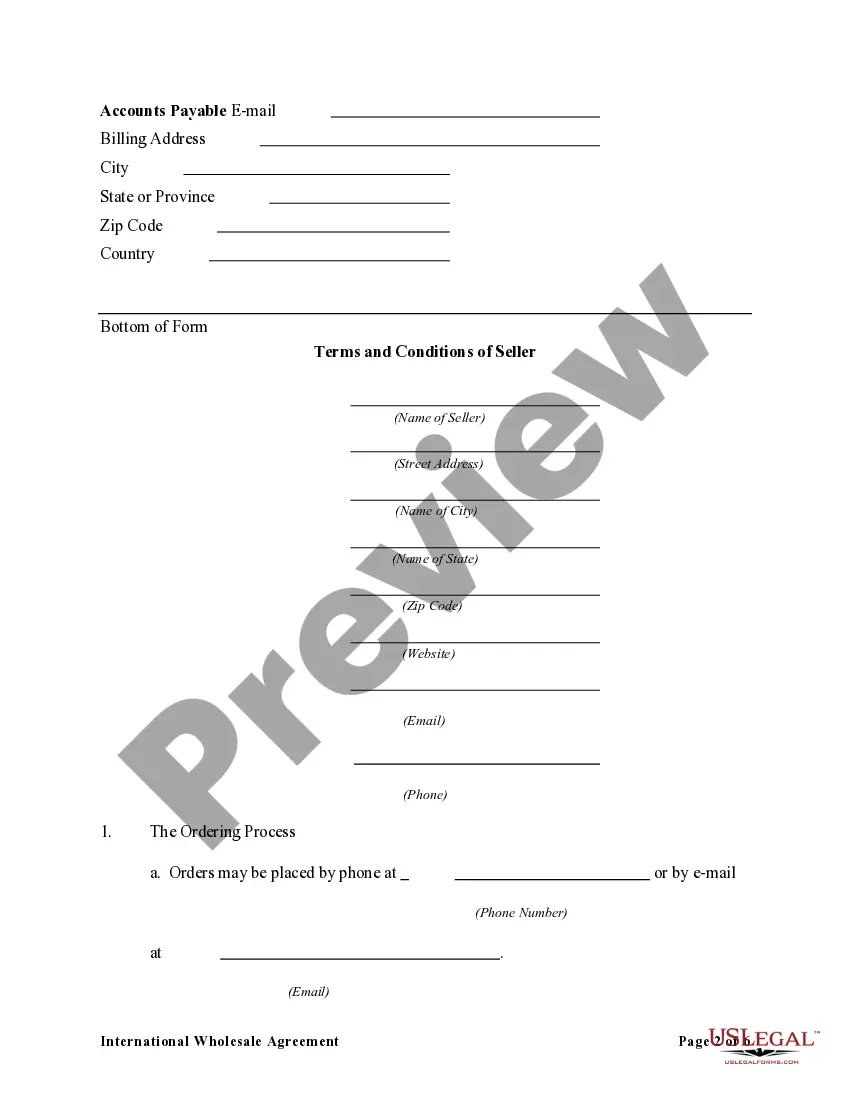
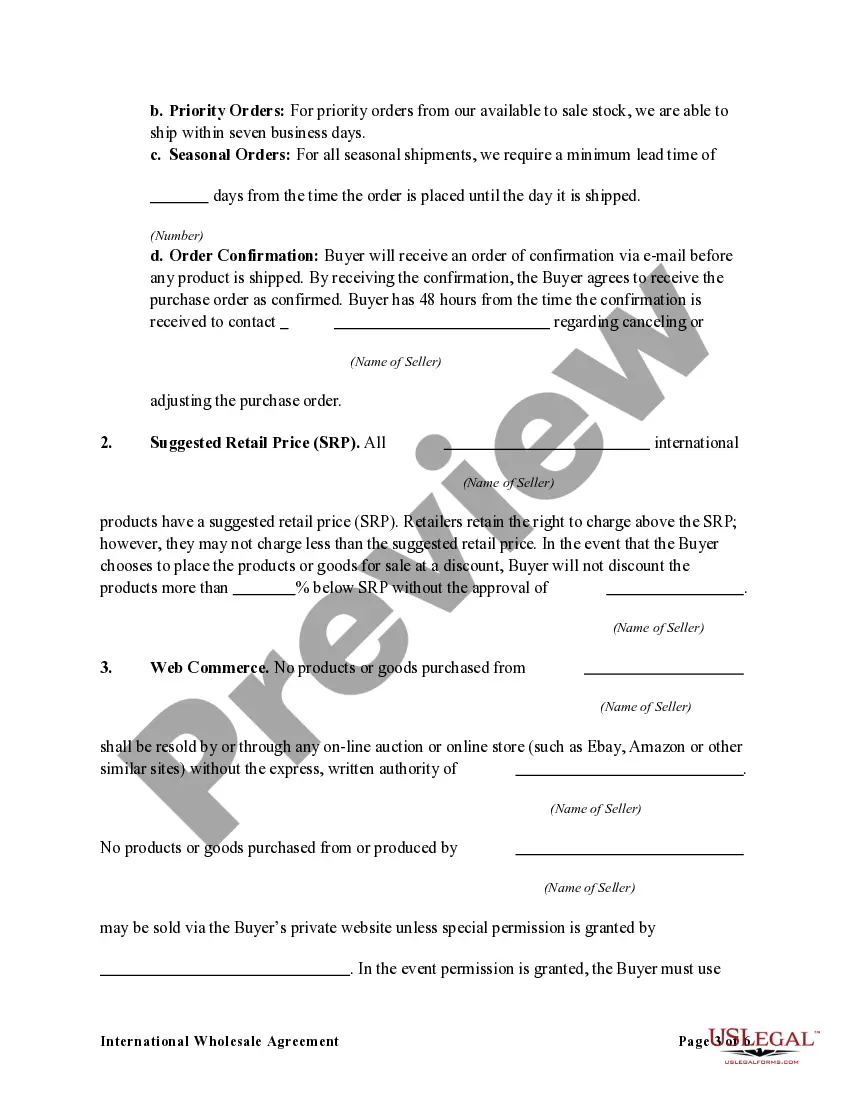
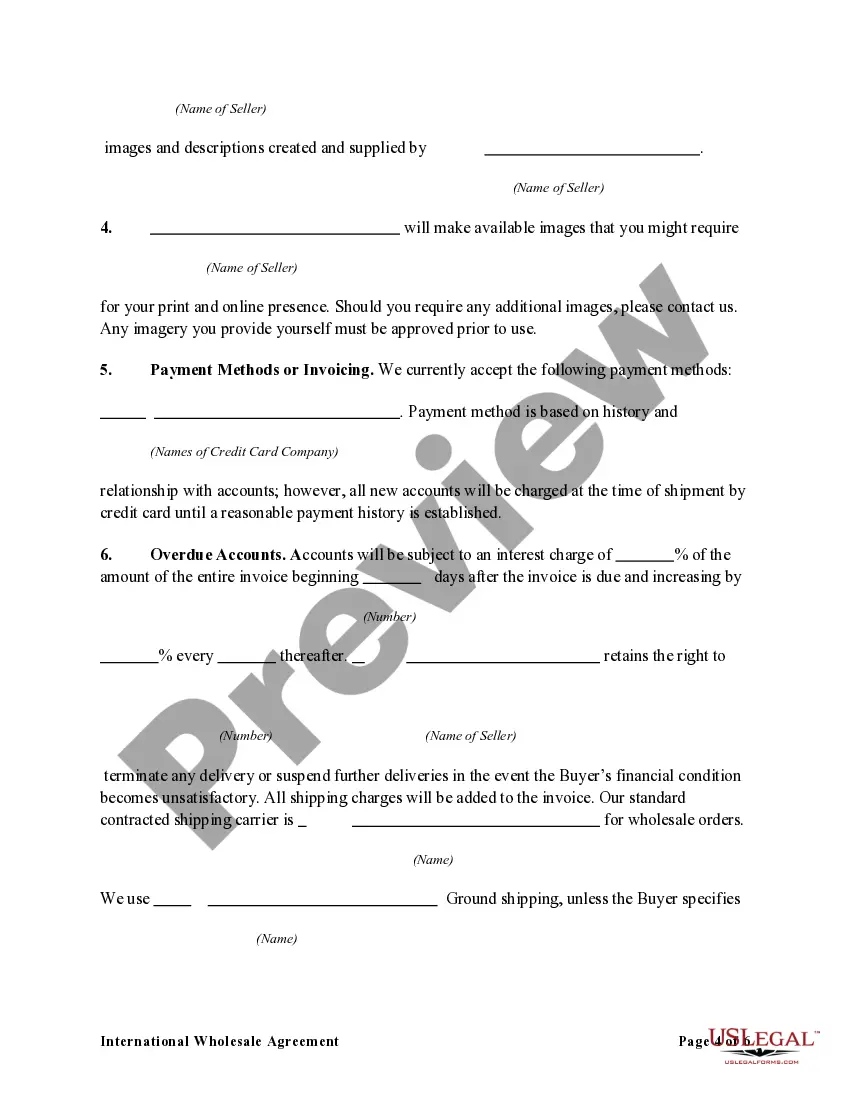
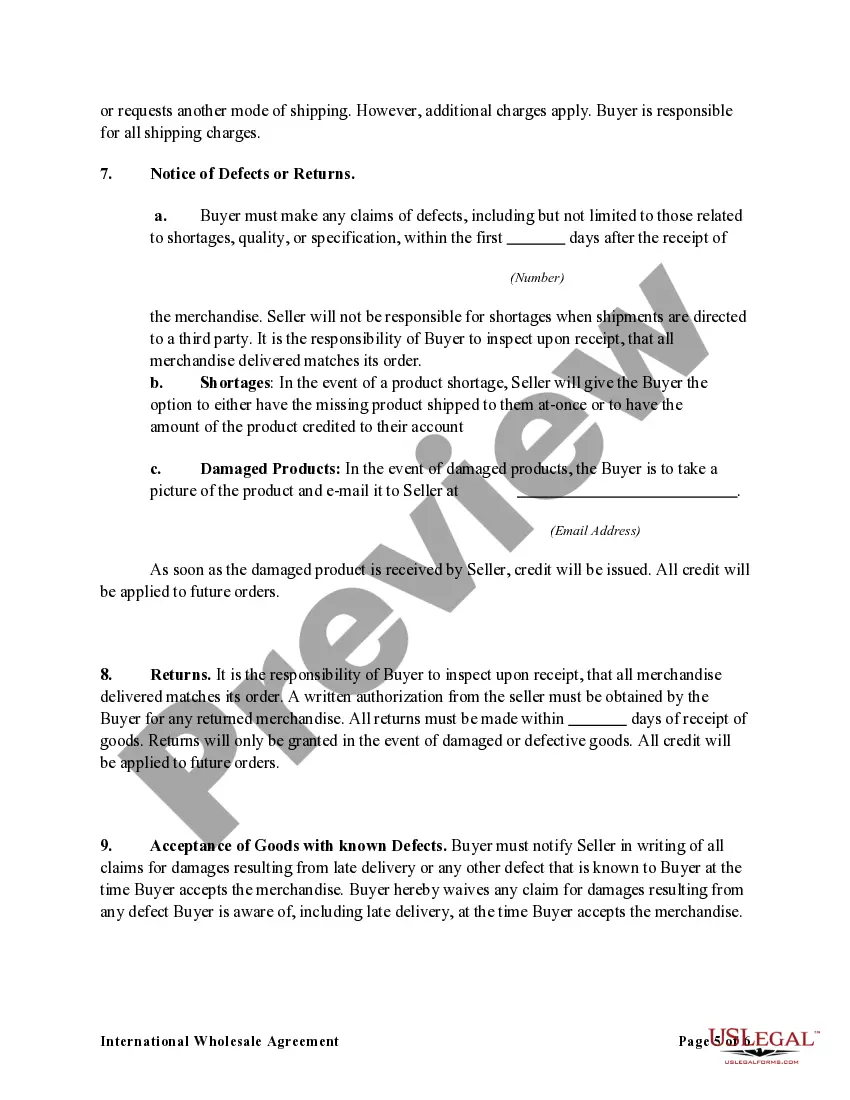
A distribution deal (also known as distribution contract or distribution agreement) is a legal agreement between one party and another, to handle distribution of a product. There are various forms of distribution deals. There are exclusive and non-exclusive distribution agreements.
The Default Distributor Agreement is an agreement with each of the retailers on our network that sets out the terms on which each retailer can use the network to supply electricity to its customers.
When it comes to distribution agreements, there are four main types: exclusive, sole, non-exclusive and selective. It is important for suppliers as well as distributors to recognizse the advantages and disadvantages of each arrangement in order to pick the one that best fits their needs and objectives.
A distribution agreement is a powerful tool that defines the rules of engagement between suppliers and distributors. These agreements can not only streamline your distribution process but also shield your business from potential pitfalls.
