Wholesale Agreement Template With Price In Cook
Description


Form popularity
FAQ
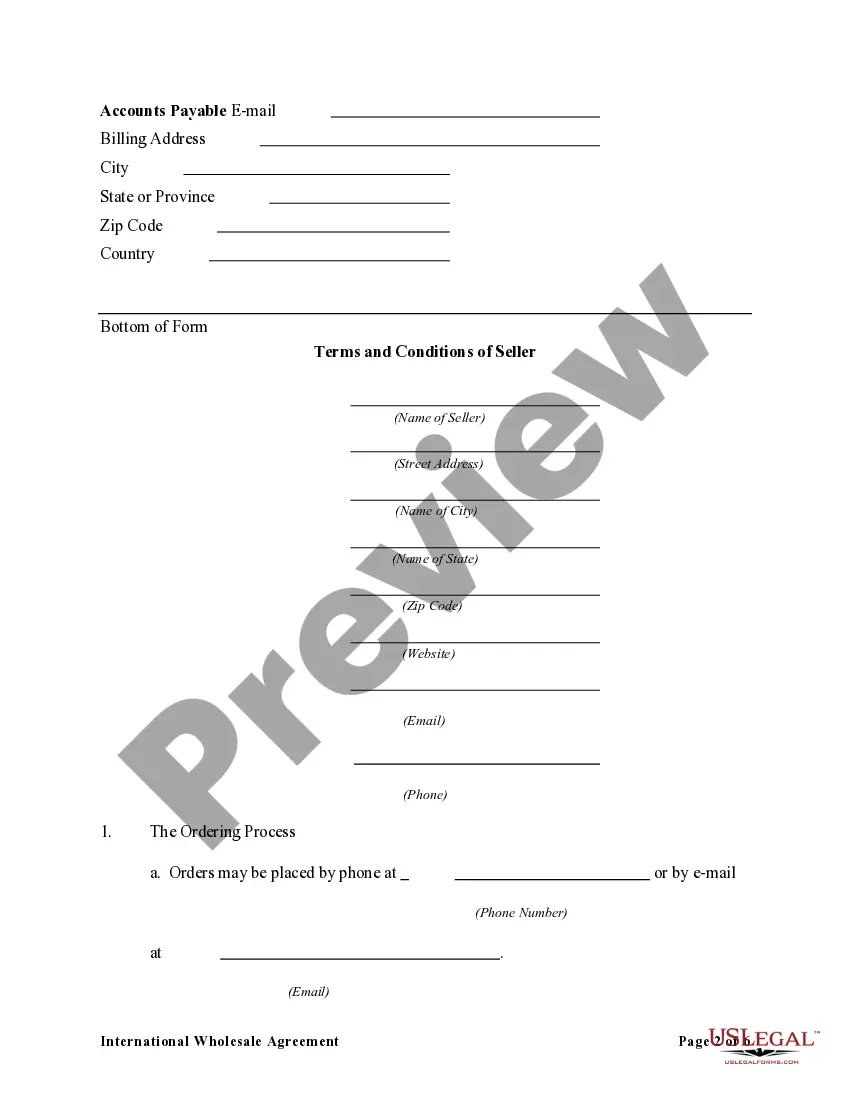
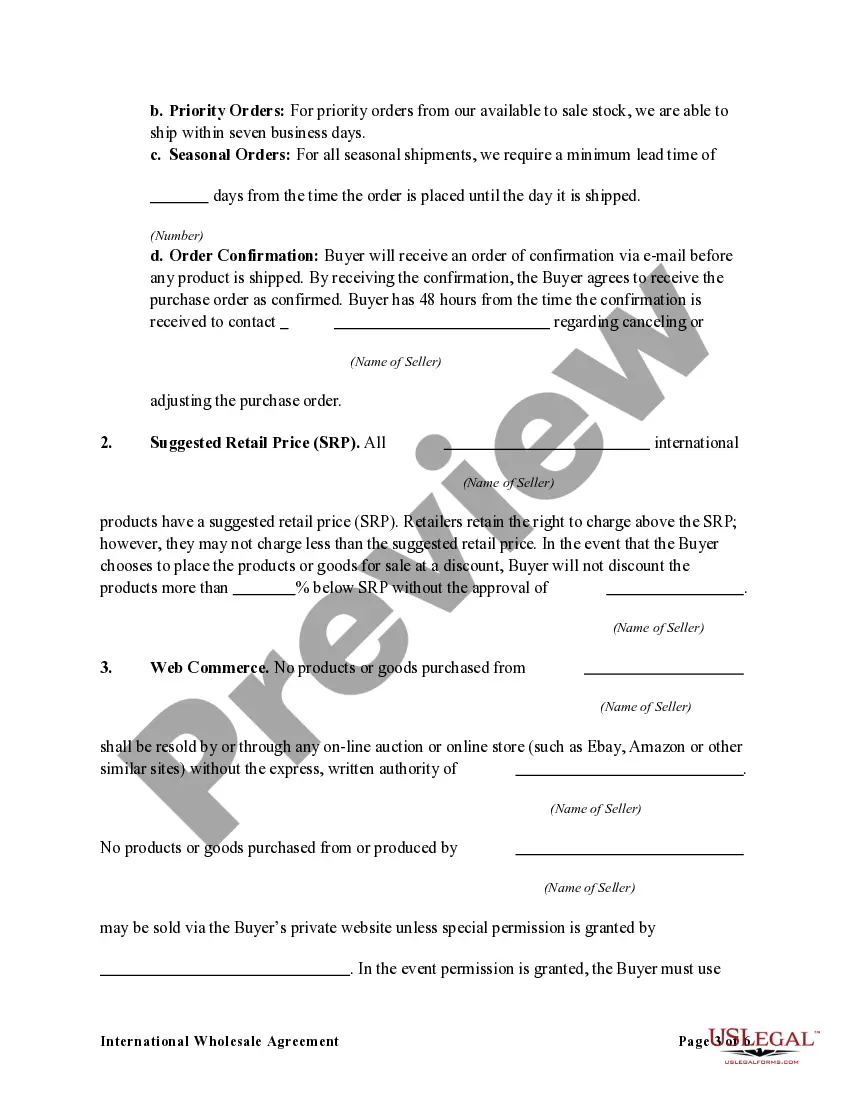
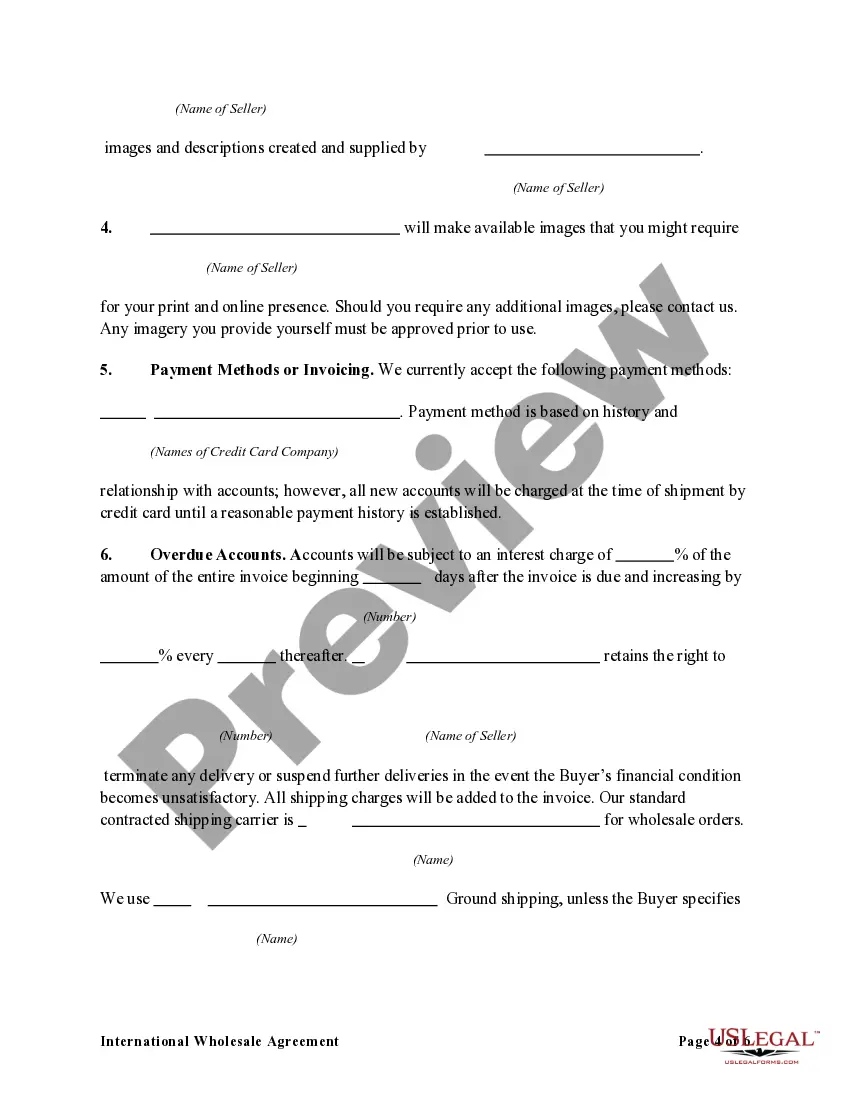
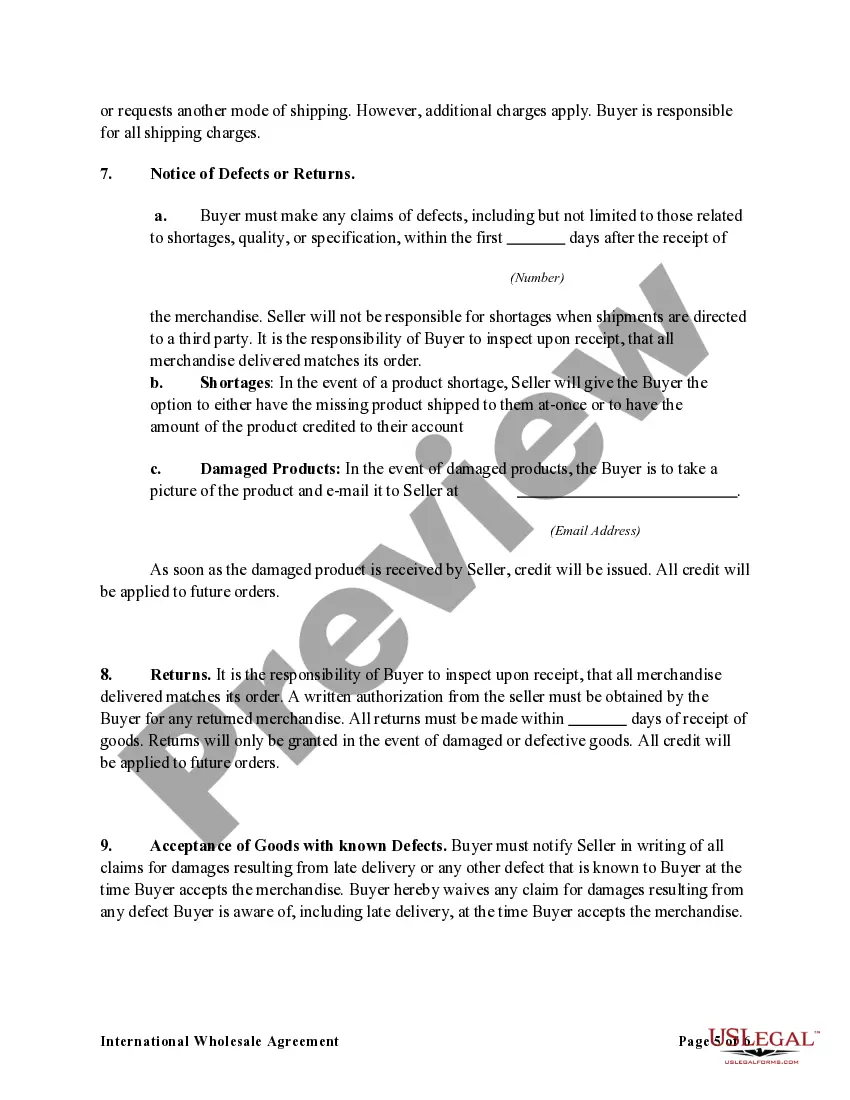
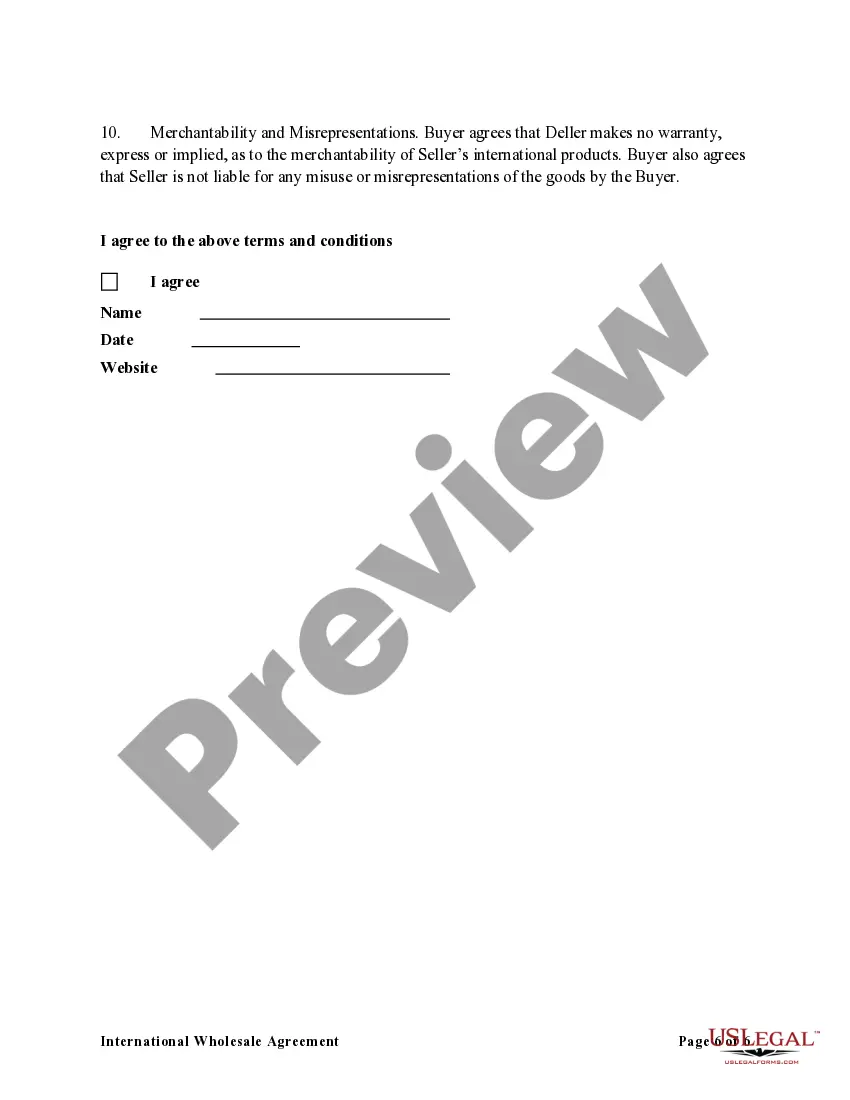
A wholesale agreement is a contract between the supplier and customer that sets out the rights and obligations of the business relationship. Typically, one party supplies wholesale goods to the other.
A supplier agreement should include essential terms such as payment terms, delivery obligations, liability clauses and warranties. Management contracts and services schedules provide structure to ensure duties and expectations are met for successful business relationships.
A: Profit margins for wholesalers vary by industry but typically range from 15% to 50%. The margin depends on factors such as the product type, competition, and market demand.
A simple example of a contract is a freelance agreement where one party offers to provide a service, the other accepts, consideration is the service itself, both parties are of legal capacity, and the terms are clearly outlined.
A supplier agreement should include essential terms such as payment terms, delivery obligations, liability clauses and warranties. Management contracts and services schedules provide structure to ensure duties and expectations are met for successful business relationships.
How to write a contract agreement in 7 steps. Determine the type of contract required. Confirm the necessary parties. Choose someone to draft the contract. Write the contract with the proper formatting. Review the written contract with a lawyer. Send the contract agreement for review or revisions.
The basic elements required for the agreement to be a legally enforceable contract are: mutual assent, expressed by a valid offer and acceptance; adequate consideration; capacity; and legality.
Write the contract in six steps Start with a contract template. Open with the basic information. Describe in detail what you have agreed to. Include a description of how the contract will be ended. Write into the contract which laws apply and how disputes will be resolved. Include space for signatures.
To be legally enforceable, an agreement must contain all of the following criteria: An offer and acceptance; Certainty of terms; Consideration; An intention to create legal relations; Capacity of the parties; and, Legality of purpose.
