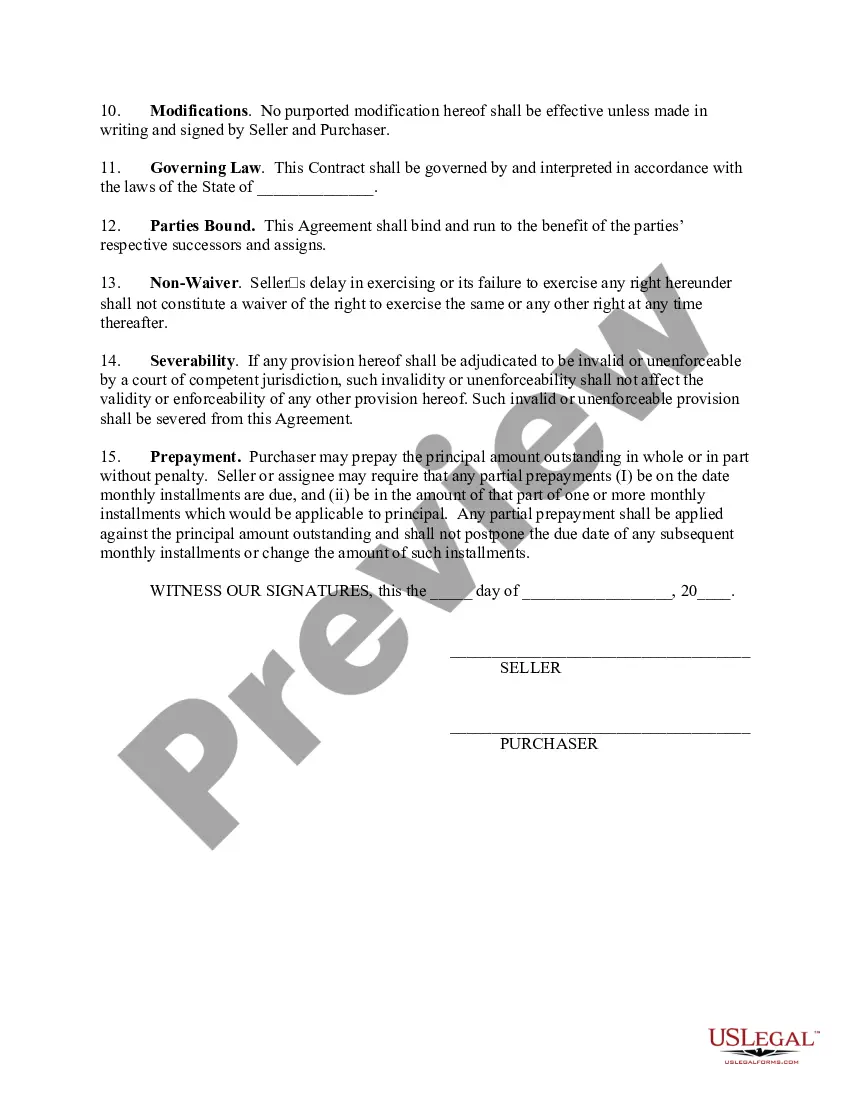
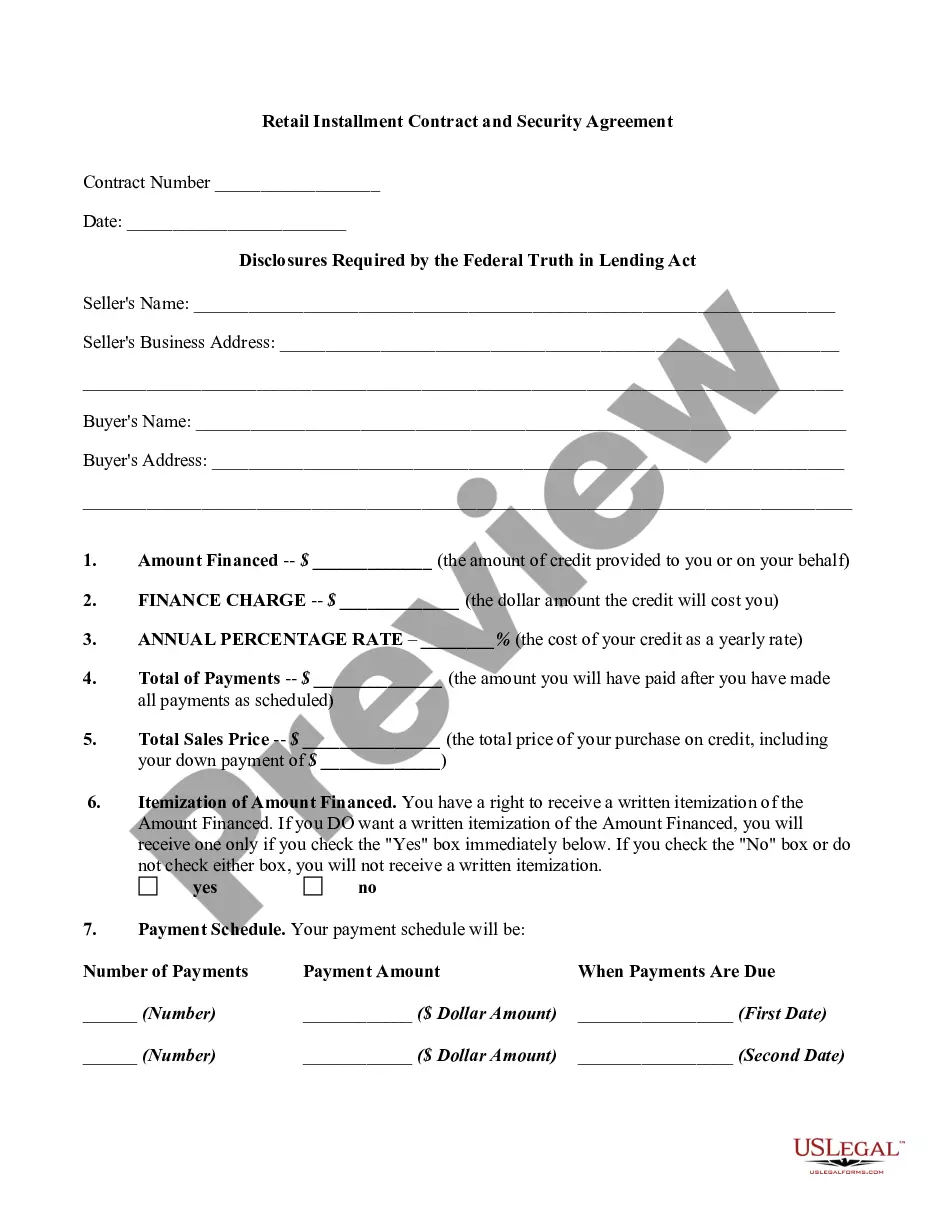
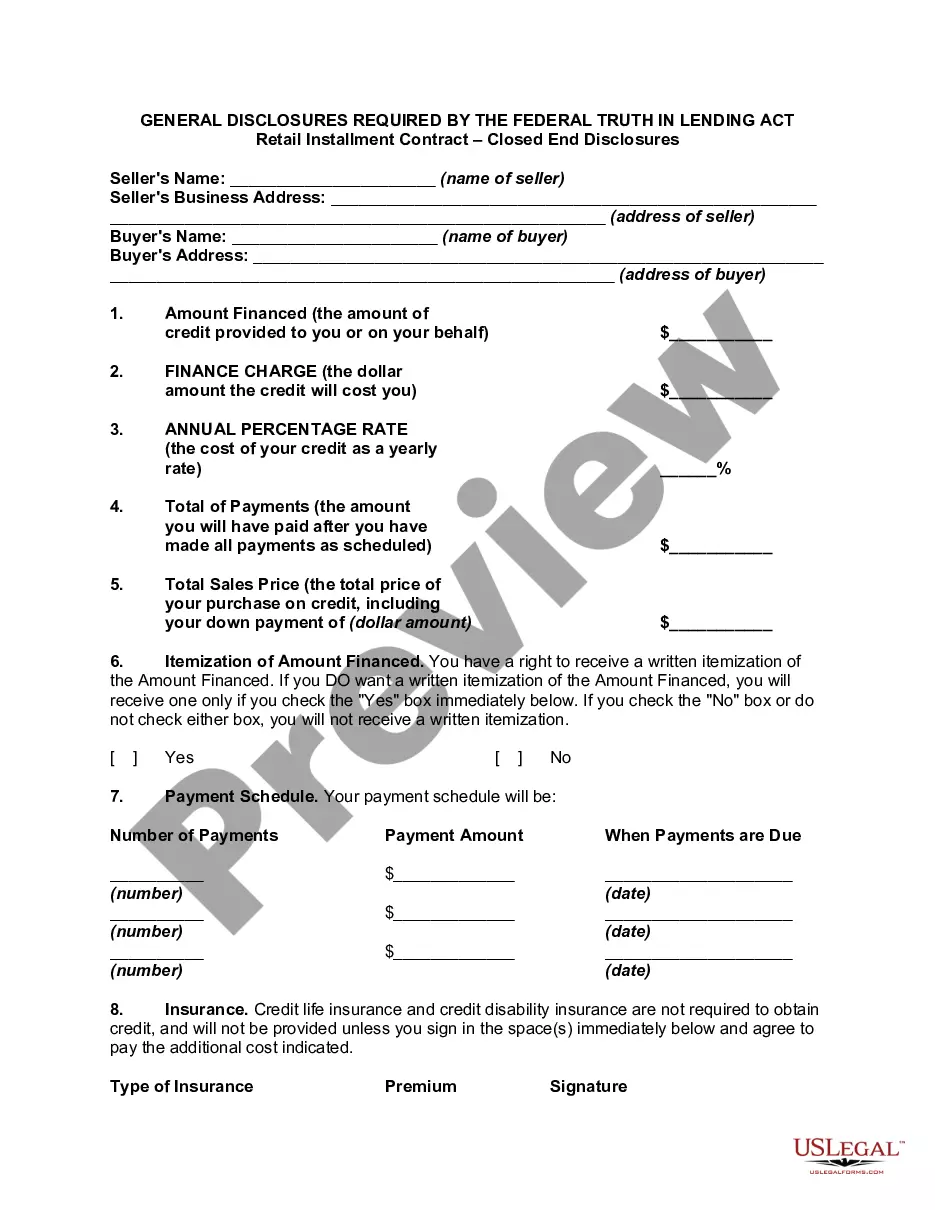
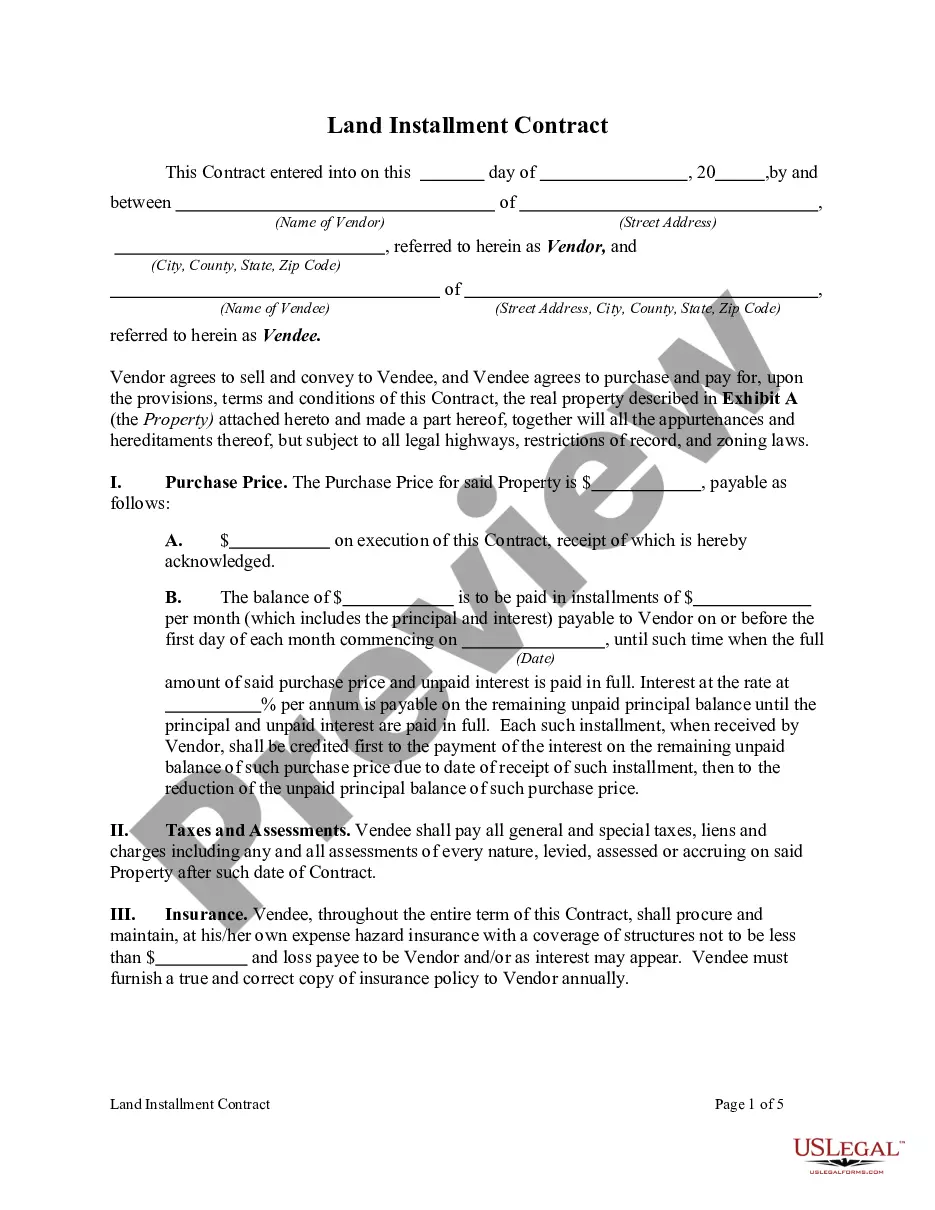
Installment Contract Agreement For Vehicle In Ohio
Description

Get your form ready online
Our built-in tools help you complete, sign, share, and store your documents in one place.
Make edits, fill in missing information, and update formatting in US Legal Forms—just like you would in MS Word.
Download a copy, print it, send it by email, or mail it via USPS—whatever works best for your next step.
Sign and collect signatures with our SignNow integration. Send to multiple recipients, set reminders, and more. Go Premium to unlock E-Sign.
If this form requires notarization, complete it online through a secure video call—no need to meet a notary in person or wait for an appointment.
We protect your documents and personal data by following strict security and privacy standards.

Make edits, fill in missing information, and update formatting in US Legal Forms—just like you would in MS Word.

Download a copy, print it, send it by email, or mail it via USPS—whatever works best for your next step.

Sign and collect signatures with our SignNow integration. Send to multiple recipients, set reminders, and more. Go Premium to unlock E-Sign.

If this form requires notarization, complete it online through a secure video call—no need to meet a notary in person or wait for an appointment.

We protect your documents and personal data by following strict security and privacy standards.
Looking for another form?








Form popularity
FAQ
Here is a basic structure: Consent to Assignment: Neither party may assign or transfer any of its rights or obligations under this Agreement without the prior written consent of the other party. Any attempt to assign or transfer in violation of this provision will be null and void.
OLB's Memorandum, like its briefing in the Court of Appeals, makes much of the fact that Ohio law generally permits the assignment of contracts.
Contracts that involve personal services, such as employment contracts or contracts for personal performance (like a contract with an artist to perform at a venue), generally cannot be assigned.
In most cases, a contract does not have to be notarized since the signed contract itself is enforceable and legally binding in state or federal courts. Many types of written contracts don't require a notary public to be valid.
In Ohio, for a contract to be legally enforceable, certain elements—like a valid offer, acceptance, and a meeting of the minds—must be present within the document or verbal agreement. These elements help ensure the enforceability of the contract and confirm the agreement is valid and binding under the law.
The creditor should sign the Letter in the space provided before sending it to the debtor. If the debtor agrees to the repayment plan set out in the Letter Accepting Payments in Instalments, they should countersign the Letter in the space provided. This makes the Letter a binding agreement between the parties.
(A) Every land installment contract shall be executed in duplicate, and a copy of the contract shall be provided to the vendor and the vendee.
A legal contract exists when one party makes an offer to do something for another party. Both parties are required to have the same understanding of the terms of the contract, and both parties must intend to be legally bound by the contract.